Western Herbalism
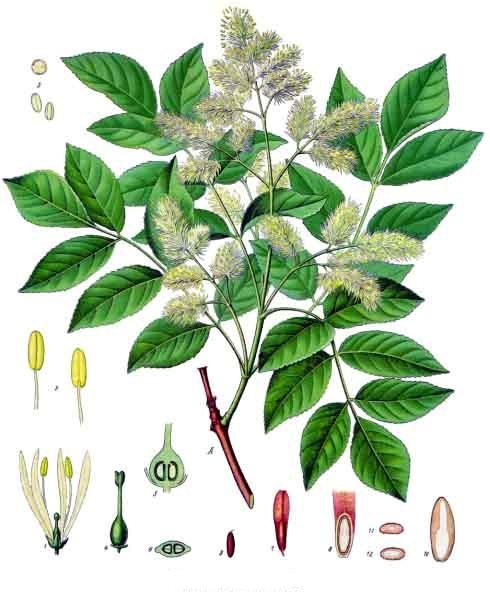
Manna ash
Fraxinus ornus
Also known as Flowering ash, South European flowering ash, Manna-tree, Manna.
Fraxinus ornus is a small flowering ash native to southern Europe and the eastern Mediterranean, cultivated for the sweet exudate known as manna that seeps from incisions made in its bark in summer and dries into pale, brittle masses. The dried manna, not the leaf or bark, is the part used medicinally. It has a long history in European folk and physiomedical practice as one of the gentlest laxatives available, mild enough for infants, the elderly, and pregnant women.

Ask Herbert about Manna ash. Herbert is the master herbalist inside Bountiful Herbs: he answers from this plate and eleven hundred others, with dosing, pairing and cautions. Your first ten questions are free.
Ask HerbertActions
Indications what the tradition reached for it in
- Occasional constipation
- Constipation in infants and young children
- Constipation in pregnancy
- Habitual costiveness in the elderly
- Convalescent constipation after illness or surgery
- Mild dyspepsia with sluggish bowel
- Gentle bowel training where harsh purgatives are unsuitable
- Dry cough with mild constipation (traditional combined use)
Specific indications
Constipation in infants and small children where a mild, non-griping laxative is preferred over stronger cathartics
Occasional constipation in pregnancy or in frail or elderly patients where gentleness of action matters more than speed
Safety
The record lists 5 contraindications; open the plate in the library to read them in full.
In practice
Manna is reached for when the goal is to soften and move the bowel without griping or harsh purgation, which is why it earned a reputation as a children's remedy and a laxative suitable in pregnancy. It is typically dissolved in warm water, milk, or added to a mild herbal tea and given in the evening, with effect expected the following morning.
Dosing as the sources wrote it
| Preparation | As written | Metric |
|---|---|---|
| Manna dissolved in warm water or milk, adult | 15-30 g once daily, usually in the evening | 15000-30000 mg |
| Manna dissolved in warm water or milk, child | 5-15 g once daily depending on age | 5000-15000 mg |
| Dose, 1 drachm to 2 ounces. | 3888-62207 mg | |
| In doses of one to three drachms for infants and one to two ounces for adults it makes a very pleasant laxative when administered in milk. | ||
| Action, Medical Uses, and Dosage: Manna is nutritive in small doses, and mildly laxative in large ones. It operates without causing any local excitement or uneasiness, and is useful as a laxative for young infants, children, females during pregnancy and immediately after, inflammation of the abdominal viscera, disorders of childhood, hemorrhoids, costiveness, etc. It is accredited with cholagogue properties, and has a somewhat beneficial action upon the respiratory tract. It is commonly added to other purgatives to improve their flavor, as well as to increase the purgative effect. One or 2 ounces may be taken by an adult | 62207 mg | |
| 1, 2, or 3 drachms by a child, according to its age. Two or 3 parts of manna to 1 of senna maybe made into a laxative infusion for children. Sometimes manna causes flatulency and griping, which may be obviated by combining it with any grateful warm aromatic. | 11664 mg |
Doses are reproduced from the sources for practitioners and are not a recommendation for any person.
From the sources
Overview. Fraxinus ornus is a small flowering ash native to southern Europe and the eastern Mediterranean, cultivated for the sweet exudate known as manna that seeps from incisions made in its bark in summer and dries into pale, brittle masses. The dried manna, not the leaf or bark, is the part used medicinally. It has a long history in European folk and physiomedical practice as one of the gentlest laxatives available, mild enough for infants, the elderly, and pregnant women.
Clinical Notes. Manna is reached for when the goal is to soften and move the bowel without griping or harsh purgation, which is why it earned a reputation as a children's remedy and a laxative suitable in pregnancy. It is typically dissolved in warm water, milk, or added to a mild herbal tea and given in the evening, with effect expected the following morning.
Action and Therapy. Nutritive in small doses and mildly laxative in larger amounts. In doses of one to three drachms for infants and one to two ounces for adults it makes a very pleasant laxative when administered in milk. It is suitable for the constipation of pregnancy. It sometimes causes flatulency and griping. This may be obviated by giving with it any warm aromatic.
Properties and Uses. The exudation manna is a very mild laxative, acting slowly without stimulation, and commendable on account of its unusual sweetness. It seems more like a condiment than a medicine, on which account it is quite acceptable to young children.
Drawn from Cook's Physio-Medical Dispensatory; King's American Dispensatory, 18th edition (Felter and Lloyd); Felter's Eclectic Materia Medica, Pharmacology and Therapeutics, and the Bountiful Herbs editorial.
In formulas
Manna ash stands in 25 documented formulas in the library, among them Paṅca Guṇa Taila, sāng jú yin, yín giáo sǎn, jià jiǎn zhú yè shí gão tāng, xì dì toù ying tàng, dà tóu wèn táng.
Often paired with
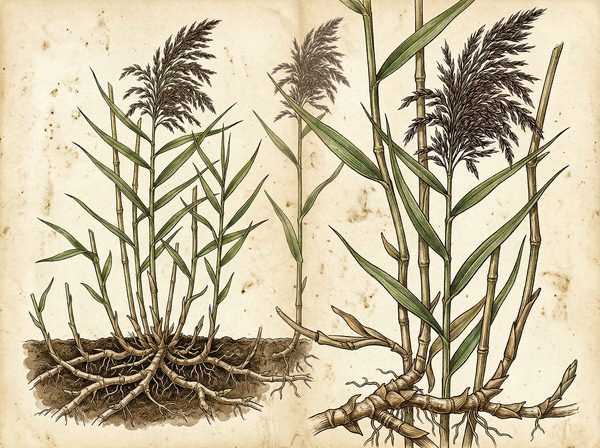 Reed RootPhragmites australis
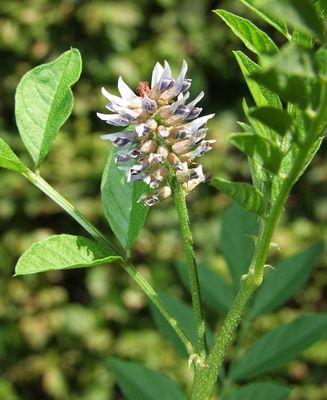 Licorice rootGlycyrrhiza glabra
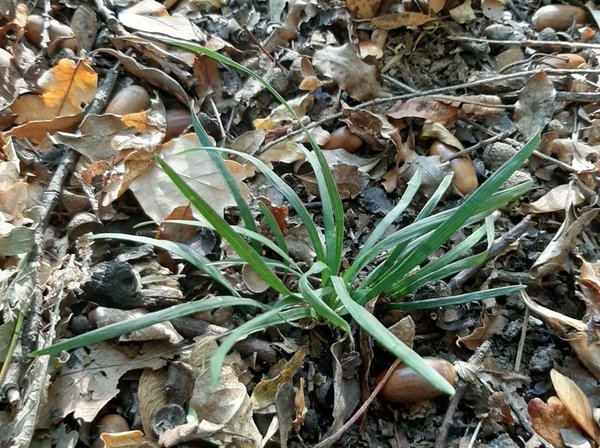 Mai Men DongOphiopogon japonicus
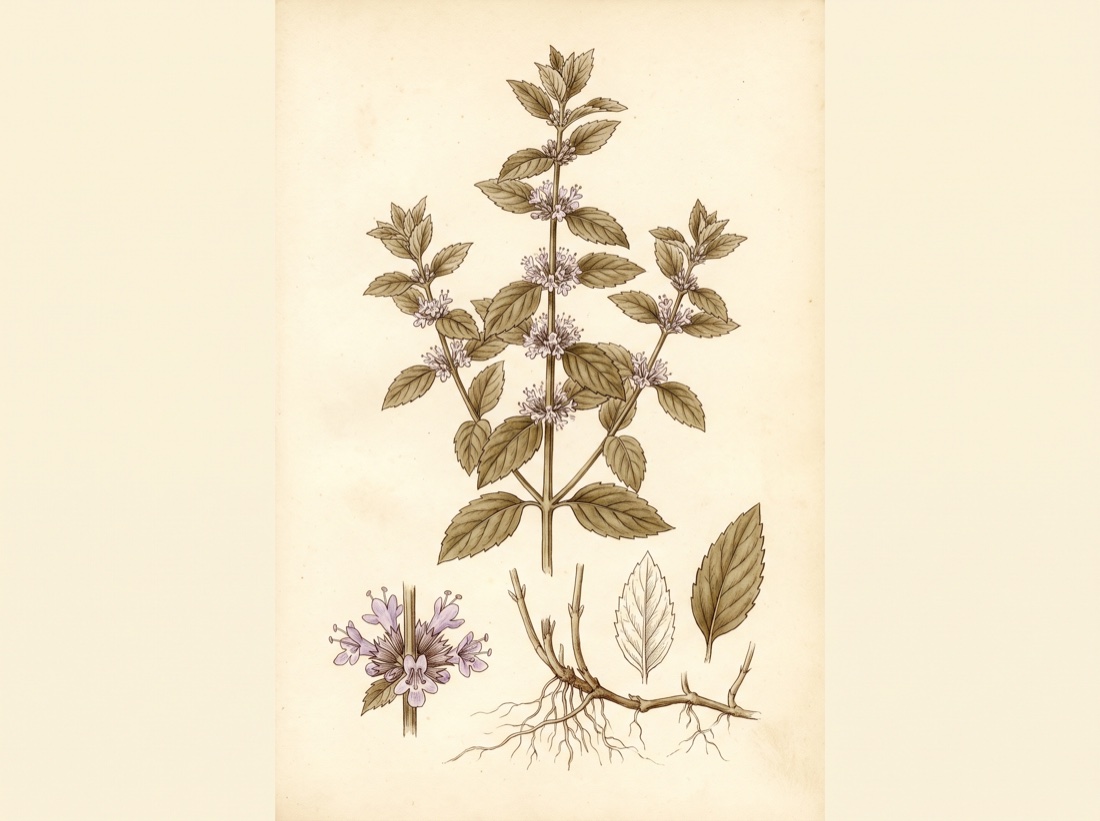 Chinese mintMentha canadensis
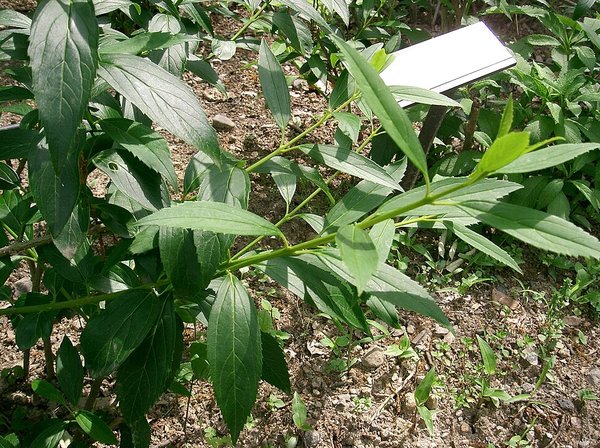 Lian QiaoForsythia suspensa
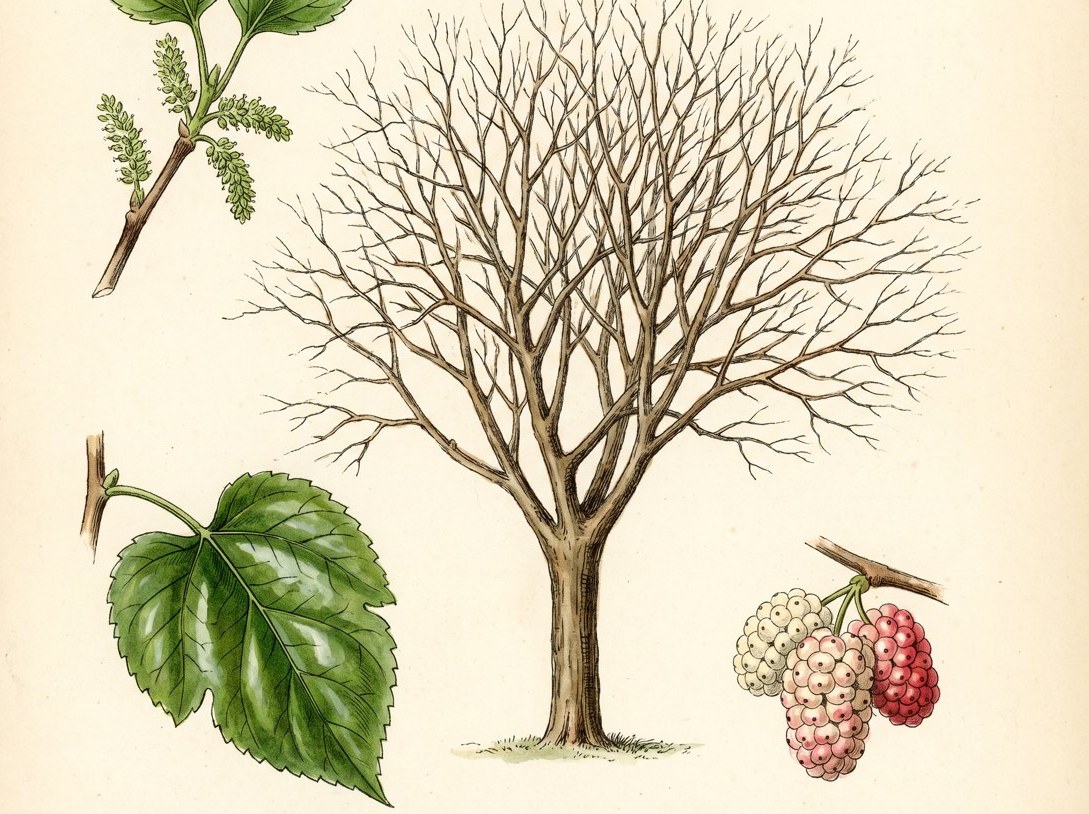 Mulberry LeafMorus alba
Nearby on the shelf
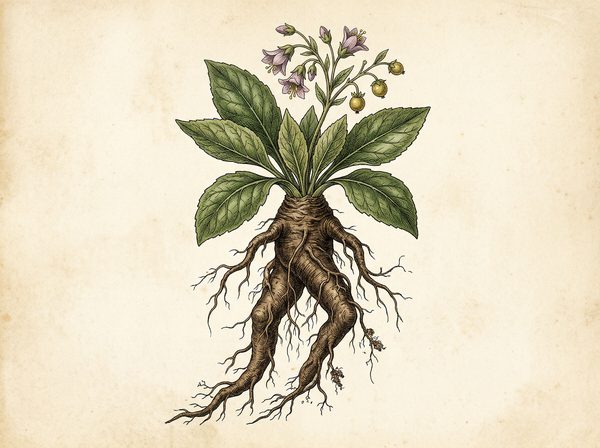 MandrakeMandragora officinarum
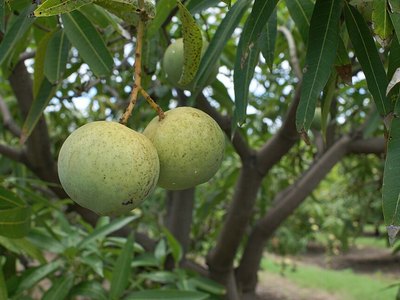 MangoMangifera indica
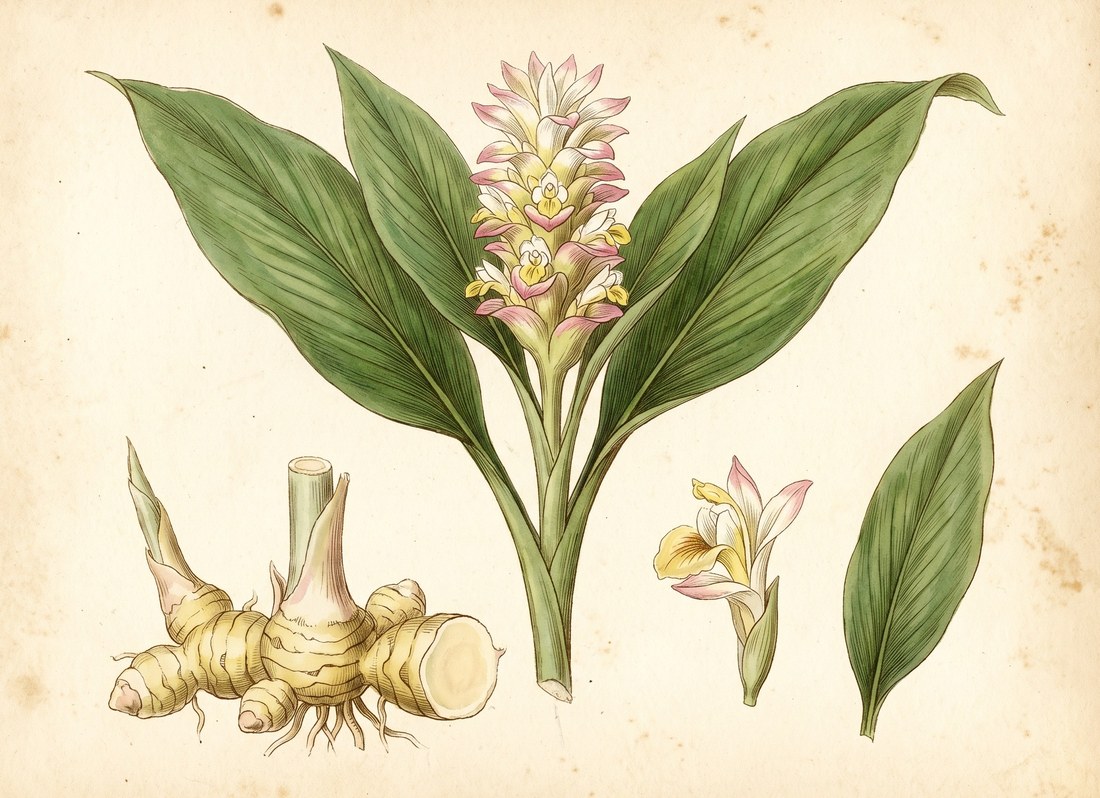 Mango gingerCurcuma amada
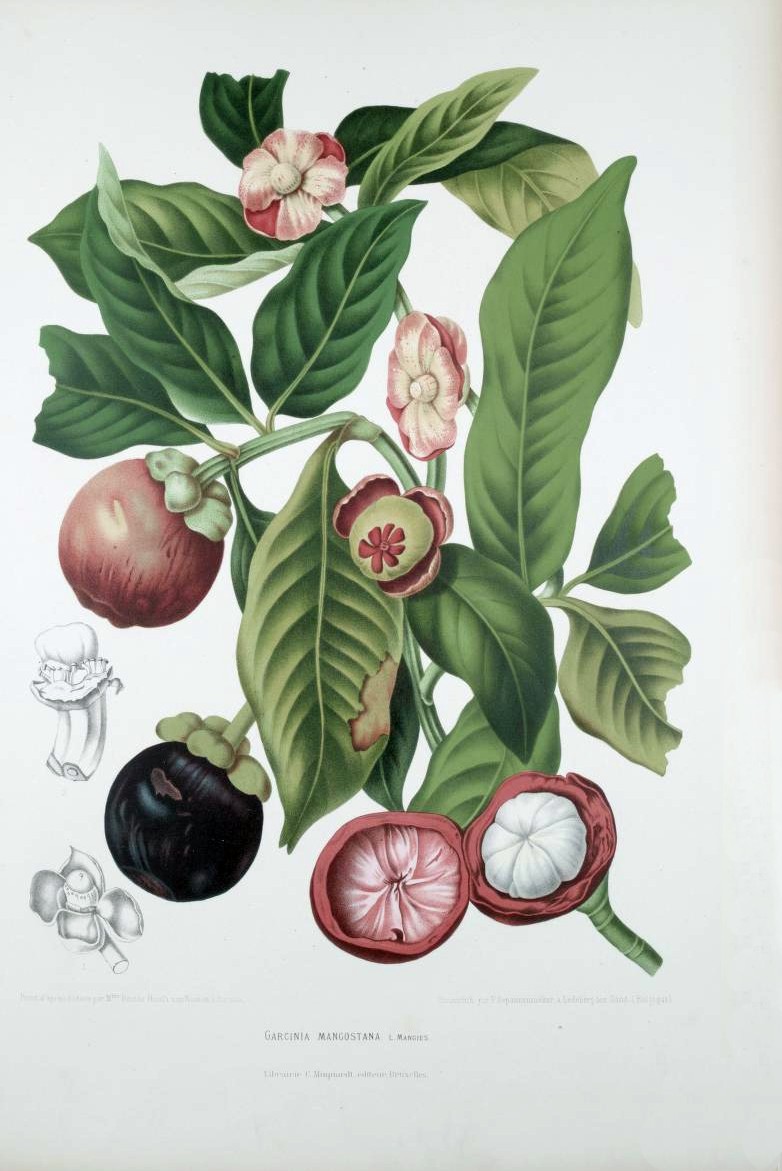 MangosteenGarcinia mangostana
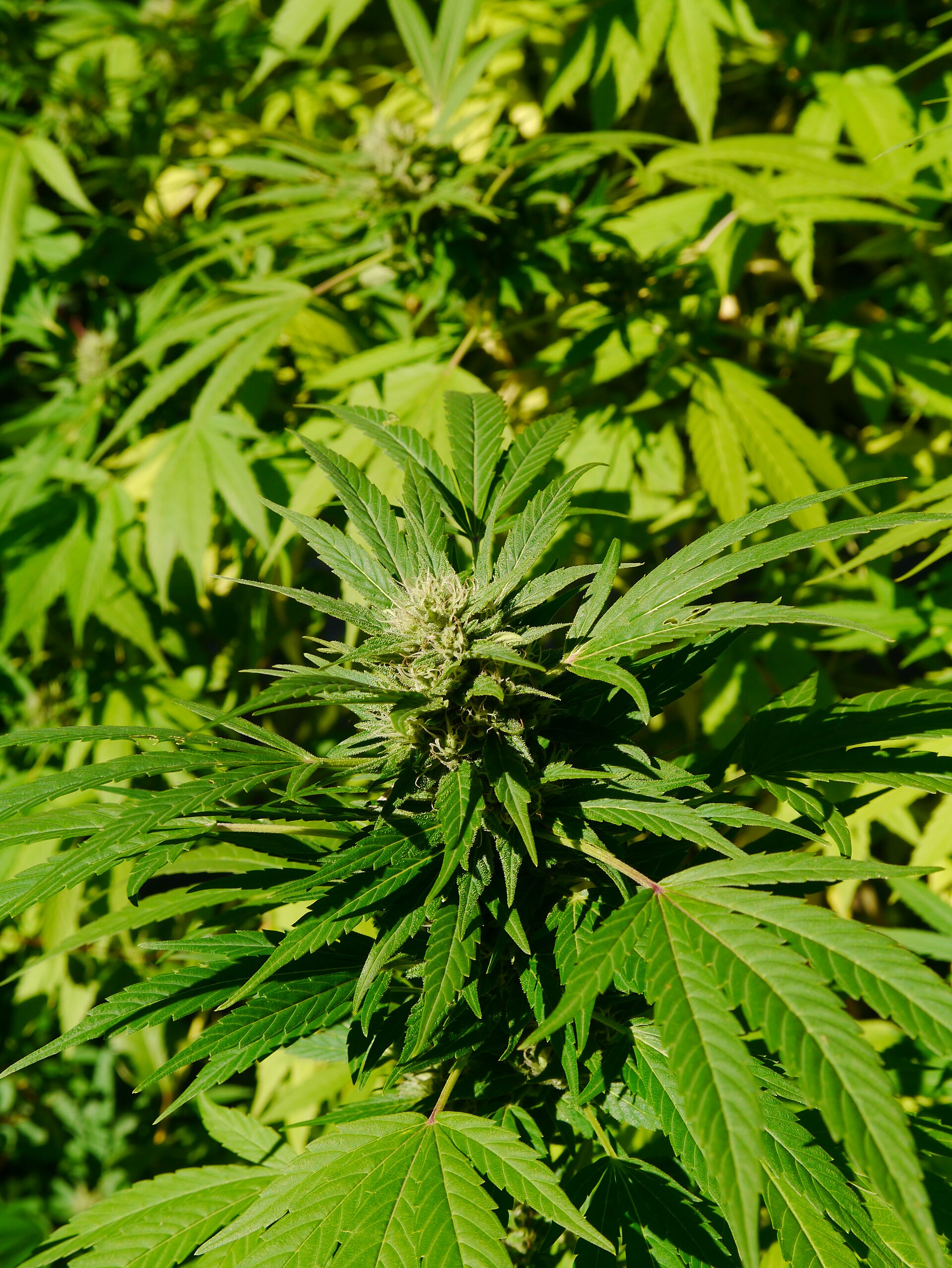 MarijuanaCannabis sativa
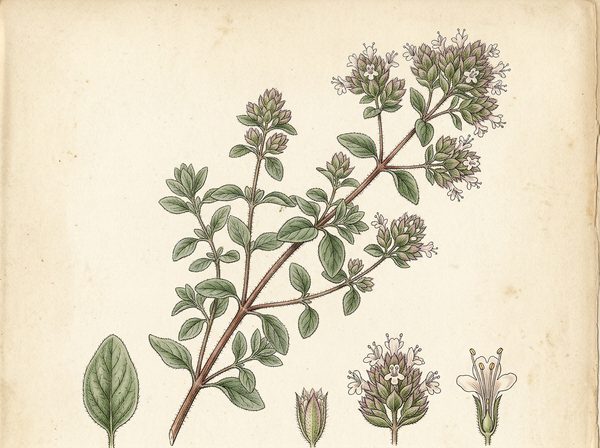 MarjoramOriganum majorana
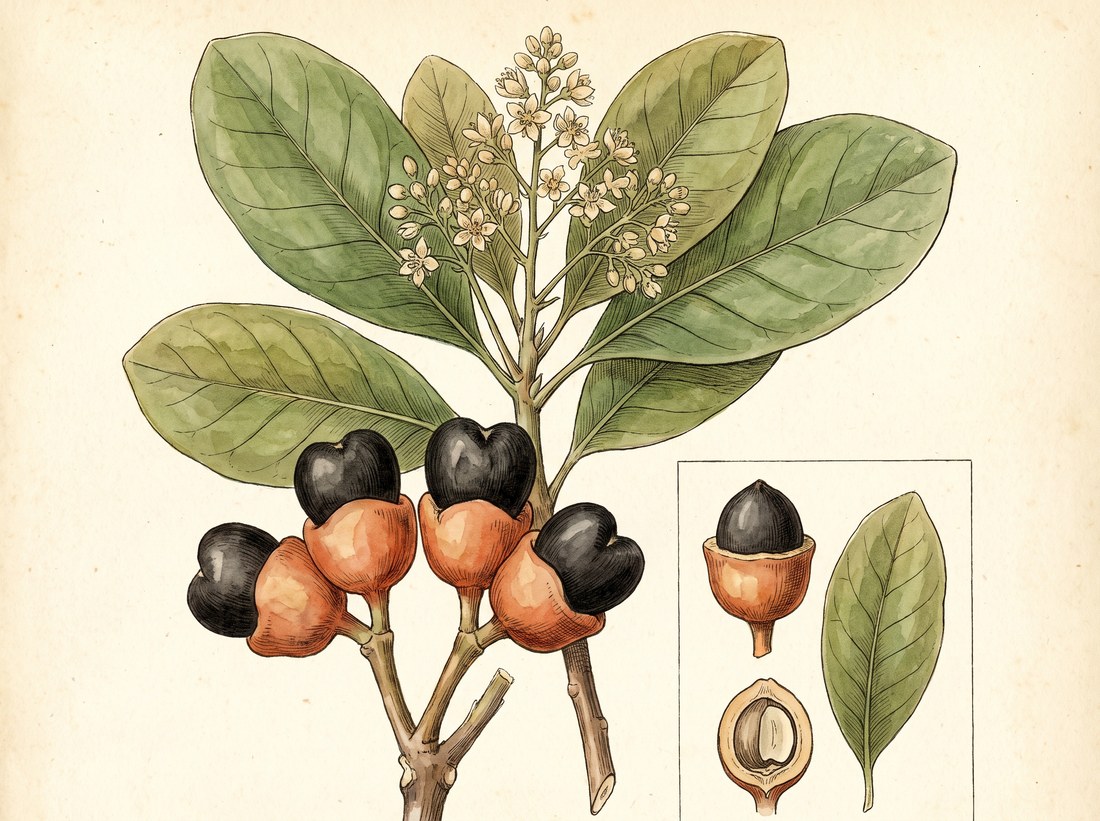 Marking nutSemecarpus anacardium
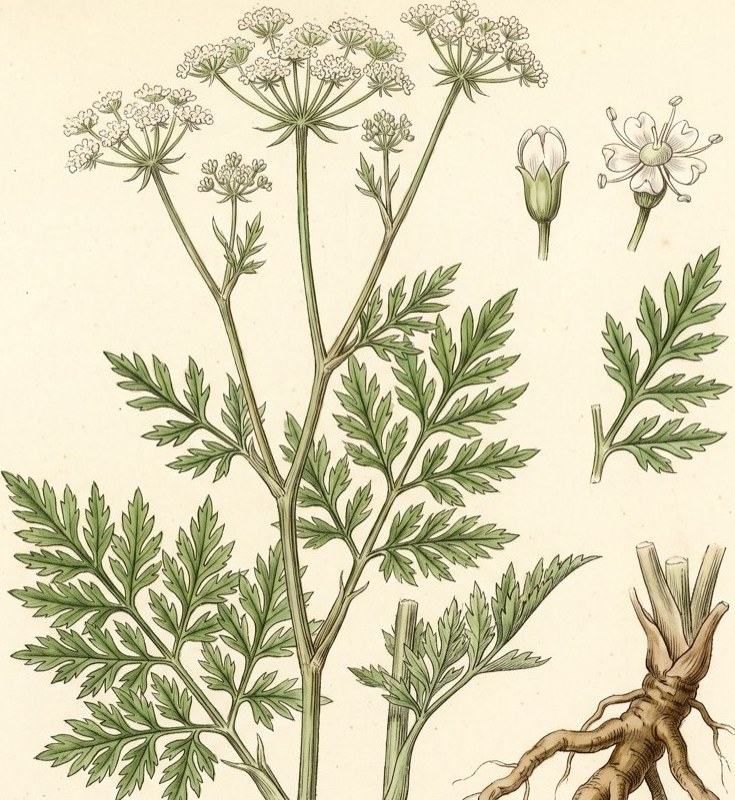 Marsh ParsleySelinum
The whole plate is in the library. The compass, Compare, the Sky of eleven hundred plants and the formulary open with an email address and a password, free, with the formula builder and its safety engine. Herbert without limit, his formulating, clients, the handouts and the labels are the paid room.
Open the library, free