Western Herbalism
Mastic
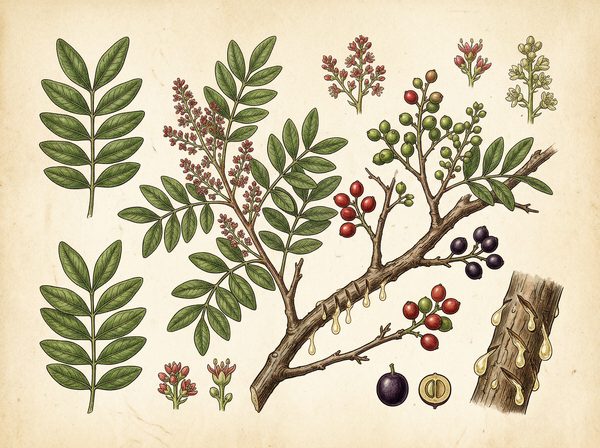
Pistacia lentiscus
Also known as Mastic gum, Chios mastic, Mastich.
Resin exclusively from Pistacia lentiscus L. var. Chia (Chios mastic gum) recognized by as traditional herbal medicinal product Complies with Ph. Eur. monograph 1876 Used traditionally since antiquity for GI and skin issues Antimicrobial esp. vs H. pylori and oral pathogens Hypolipidemic effects in trials

Ask Herbert about Mastic. Herbert is the master herbalist inside Bountiful Herbs: he answers from this plate and eleven hundred others, with dosing, pairing and cautions. Your first ten questions are free.
Ask HerbertActions
Indications what the tradition reached for it in
- Heartburn
- Minor skin inflammations
- IBD symptoms
- Mild dyspeptic disorders
- Epigastric pain
- Belching
- Potential H. pylori infection
- Functional dyspepsia
- Crohn's disease symptoms
- Minor wounds
- Abdominal discomfort
- Stomach pain
- Healing aid
- Abdominal distension
- Bloating
- Colic
- Digestive discomfort
- Flatulence
- Gas
- Infection
- Inflammation
- Liver disease
- Wounds
- Pain
- Digestive complaints
- Oxidative stress
- High cholesterol
- Hyperlipidemia
Safety
Pregnancy: Not safe. Not for use in pregnancy (our record's flag)
Pregnancy, our record's flag: Caution. Use with care in pregnancy (our record's flag)
Breastfeeding: Not safe. Not for use while breastfeeding (our record's flag)
The record lists 3 contraindications; open the plate in the library to read them in full.
Dosing as the sources wrote it
| Preparation | As written |
|---|---|
| Powdered resin oral: 0.5-1 g 2x daily (daily 1-2 g), up to 2 weeks | |
| Powdered resin | Powdered resin 9-11% in semi-solid cutaneous, thin layer up to 3x daily, up to 1 week |
| Clinical trials: 350 mg 3x daily (1.05 g/day) for dyspepsia 3 weeks | |
| 2-2.8 g/day for IBD |
Doses are reproduced from the sources for practitioners and are not a recommendation for any person.
From the sources
Clinical Notes. Resin exclusively from Pistacia lentiscus L. var. Chia (Chios mastic gum) recognized by as traditional herbal medicinal product Complies with Ph. Eur. monograph 1876 Used traditionally since antiquity for GI and skin issues Antimicrobial esp. vs H. pylori and oral pathogens Hypolipidemic effects in trials
Action and Medical Uses. Mastic is seldom employed in medicine, though it was formerly employed in renal and bronchial catarrhs. The Turks used it as a masticatory to sweeten the breath and strengthen the gums. It is sometimes employed by dentists to fill the cavities of decayed teeth.
primary-actions. Mastic acts primarily as: Anti-inflammatory, Antimicrobial, Carminative, Vulnerary, Antioxidant. Secondary actions include Hypolipidemic, Hepatoprotective, Anti-ulcer.
History and Description. This plant inhabits the south of Europe, north of Africa and the Levant, and abounds particularly on the island of Chios, where it is called "shinia," and from whence the bulk of the drug comes; about 120,000 pounds annually.
Drawn from King's American Dispensatory, 18th edition (Felter and Lloyd), and the Bountiful Herbs editorial.
Often paired with
 aloe veraAloe vera
 Socotrine aloesAloes socotrina
 Red roseRosa gallica
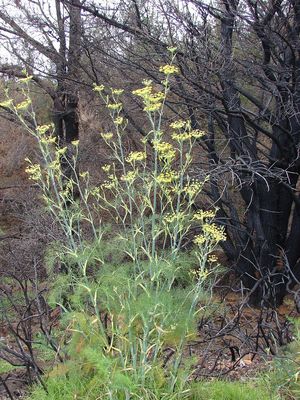 FennelFoeniculum vulgare
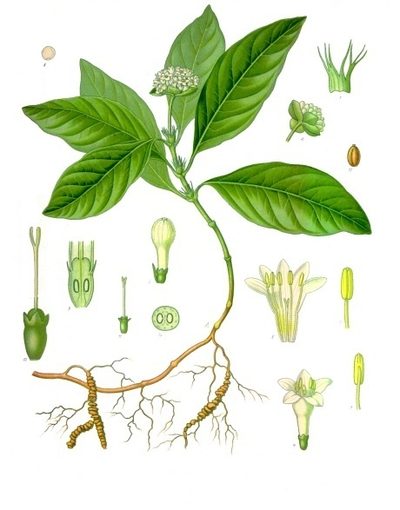 IpecacCarapichea ipecacuanha
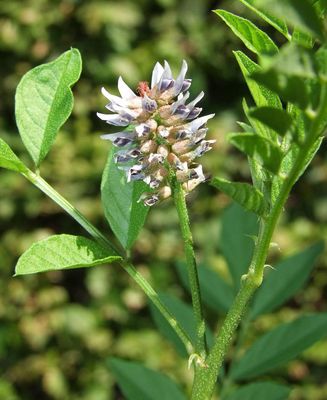 Licorice rootGlycyrrhiza glabra
Nearby on the shelf
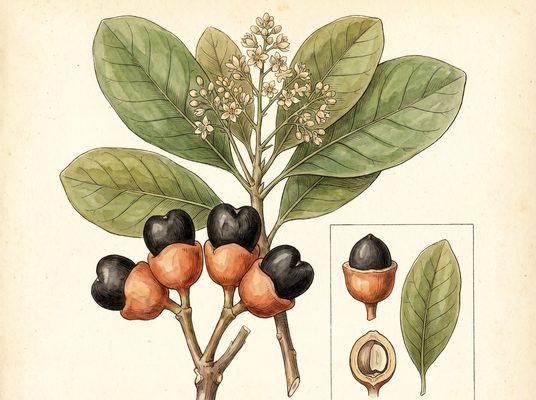 Marking nutSemecarpus anacardium
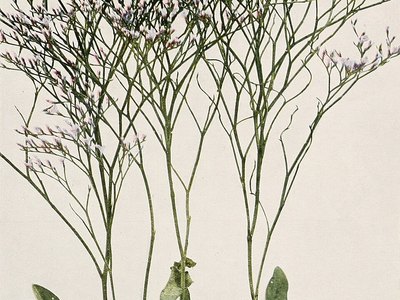 Marsh rosemaryStatice caroliniana
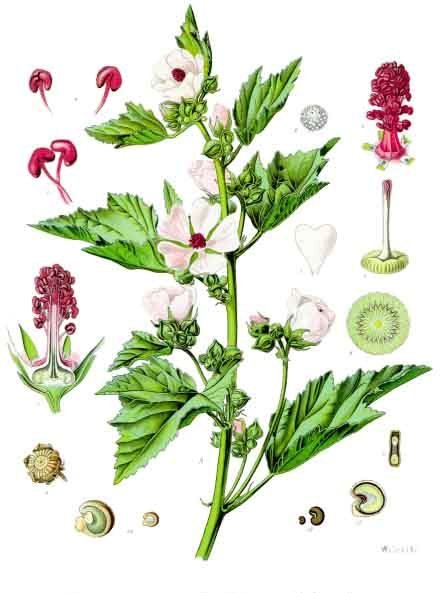 MarshmallowAlthaea officinalis
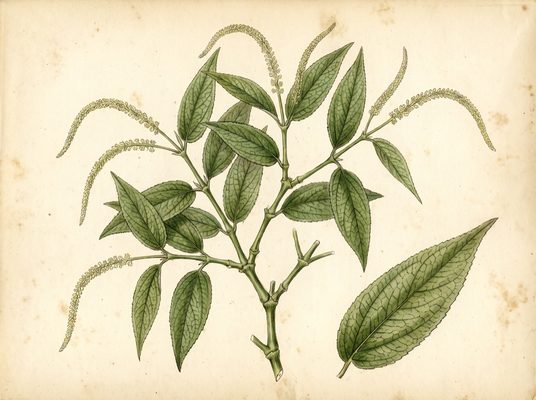 MaticoArtanthe elongata
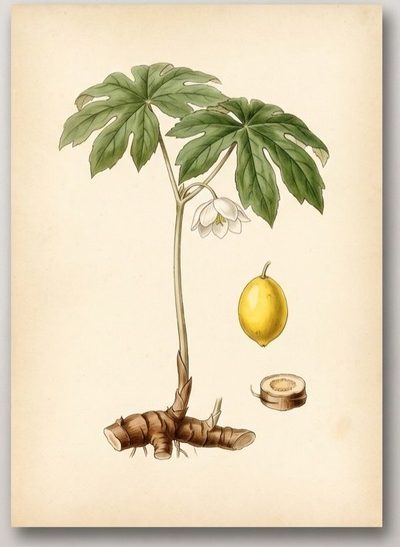 May applePodophyllum peltatum
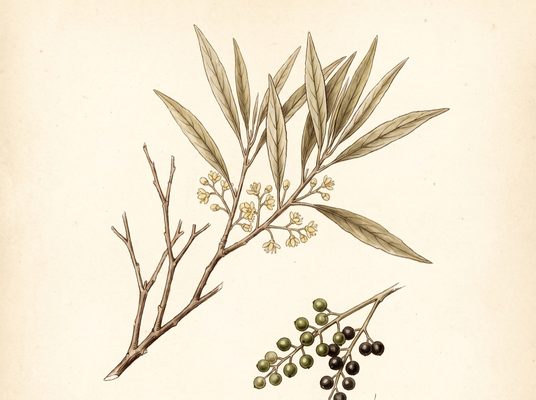 May changLitsea cubeba
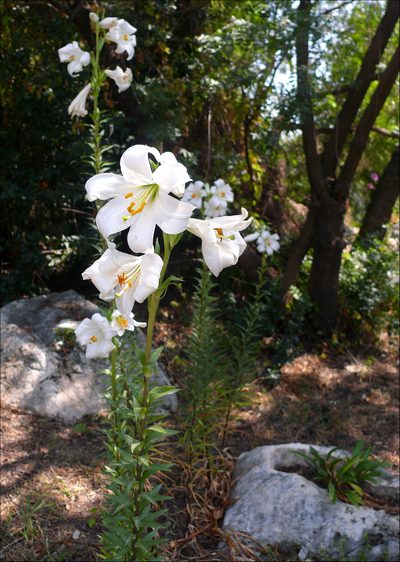 Meadow LilyLilium candidum
The whole plate is in the library. The compass, Compare, the Sky of eleven hundred plants and the formulary open with an email address and a password, free, with the formula builder and its safety engine. Herbert in full, his formulating, clients, the handouts and the labels are the paid room.
Open the library, free