Western, Chinese and Ayurvedic herbalism
Marijuana
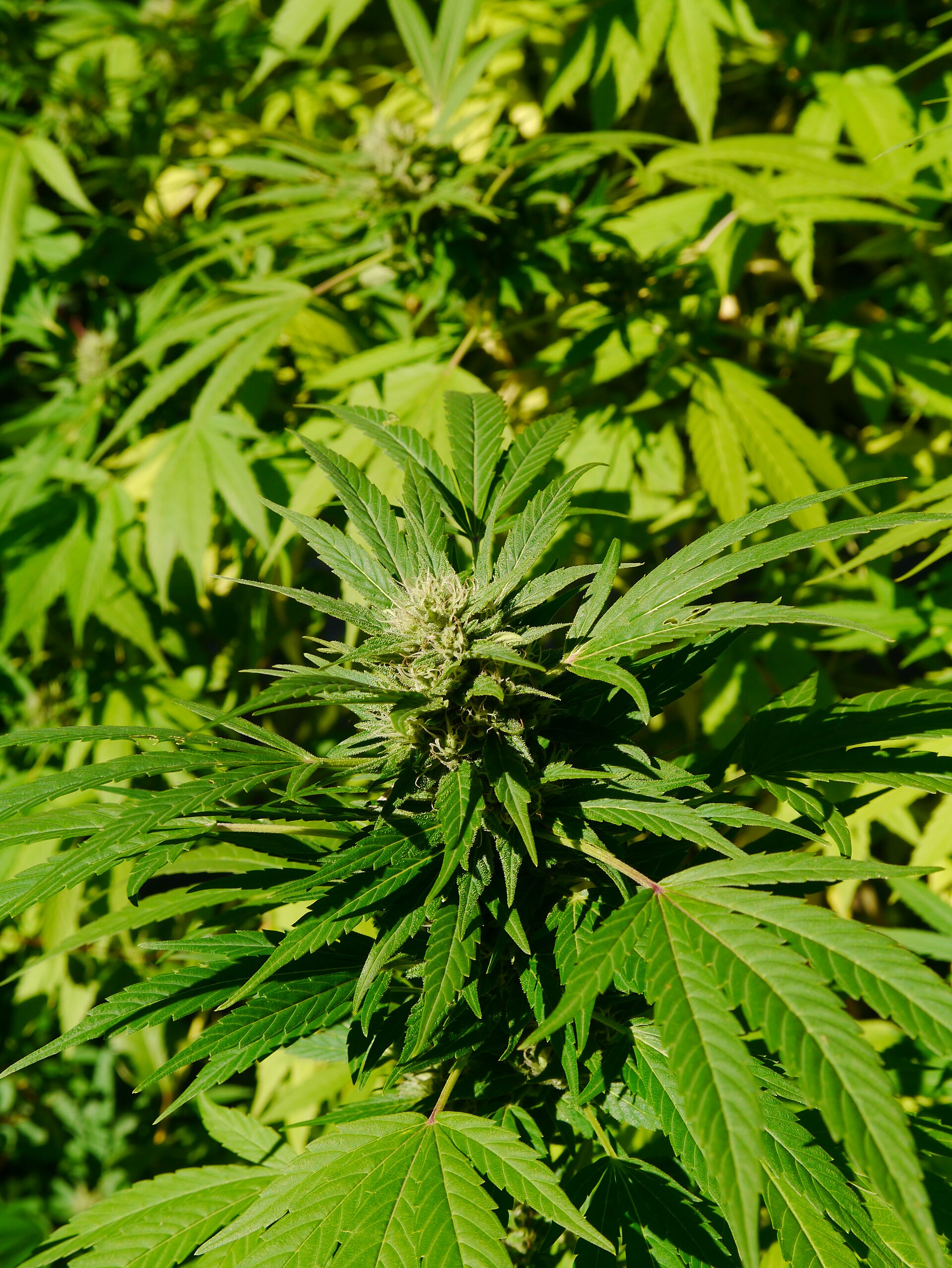
Cannabis sativa
Also known as Hemp, Pot, Ganja, Cannabis, Cannabis Sativa, Indian Hemp, Guaza, Ganjah, huǒ má rén, má zǐ rén, Bhanga.
Cannabis sativa is an erect annual herb, native to Central Asia and grown across northern India from Kashmir to Bengal and along the Himalayan foothills, where the wild plant is common on waste ground. Ayurveda knows the leaf as Bhanga and Vijaya and classes it among the upavisha, the lesser poisons: a heating, bitter, intoxicating drug that must be purified before use and given in grains rather than grams. Its classical roles are as a digestive and antidiarrheal in compound powders, as a hypnotic and analgesic, and as an ingredient of the aphrodisiac modakas. Its legal status varies by country and jurisdiction and governs everything that follows.

Ask Herbert about Marijuana. Herbert is the master herbalist inside Bountiful Herbs: he answers from this plate and eleven hundred others, with dosing, pairing and cautions. Your first ten questions are free.
Ask HerbertActions
Indications what the tradition reached for it in
- Muscle spasms
- Loss of appetite
- Crohns disease
- Glaucoma
- Cachexia
- Multiple sclerosis
- Pain
- Asthma
- Nausea
- Rectal spasms
- Lou Gehrigs disease
- Illness (chronic)
- Fibromyalgia
- Cancer
- Insomnia
- Bladder spasms
- Chemotherapeutic/radiation adjunct
- HIV/AIDS
- Illness (terminal)
- Vomiting
- Amyotrophic lateral sclerosis
- Migraine
- Anxiety
- Colic
- Cramps
- Inflammation
- Nervous tension
- Restlessness
- Stress
- Headache
Specific indications
Multiple sclerosis with painful nocturnal spasms that keep the patient awake
Safety
Recognised toxicity. This plant carries a toxicity flag in the record; it is for trained practitioners only.
Low dose botanical. Used in drop doses in the classical practice; not a plant to dose freely.
Pregnancy: Pregnancy Caution
Breastfeeding: Lactation
The record lists 8 contraindications; open the plate in the library to read them in full.
In Ayurveda
Rasa: tikta (bitter), katu (pungent), kashaya (astringent). Virya: ushna (heating). Vipaka: katu (pungent). Guna: laghu (light), tikshna (sharp), vyavayi (spreads through the body before digestion), vikasi (loosens the joints and tissues). Dosha: pacifies kapha and, in small doses, vata; strongly aggravates pitta and, with habitual use, vata. Prabhava: madakari (intoxicant): its action on the mind precedes and outruns its action on the body, which is why the tradition classes it among the upavisha, the lesser poisons. Karma: deepana (kindles digestion); pachana (digests ama); grahi (absorbs, binds the stool); nidrajanana (induces sleep); vedanasthapana (relieves pain); vajikarana (aphrodisiac, in small doses and short term); madakari (intoxicant); shukrastambhana (delays ejaculation); kaphahara (reduces kapha); shulaprashamana (relieves colic). Classical indications: atisara (diarrhea); grahani (chronic bowel disorder with malabsorption); agnimandya (weak digestion); anidra (insomnia); shula (colic and spasmodic pain); shighrapatana (premature ejaculation); kasa (cough); dhanurvata (tetanic spasm); apasmara (epilepsy); aruchi (loss of appetite); kushtha (skin disease, external). The leaf is the drug of the classical texts, and it is used only after shodhana: the dried leaves are boiled in water or in cow's milk, sometimes with Babbula leaves, then washed and dried, which reduces the intoxicating principle and the heating quality. The purified leaf is given in tiny doses inside churna and modaka formulations for diarrhea, poor digestion, insomnia and sexual complaints, and as a paste externally for pain. The seed, which has no intoxicating action, is eaten as food and pressed for oil. Classical formulations: Jatiphaladi churna, Madanananda modaka, Kameshwara modaka, Mahakameshwara modaka, Bhanga shodhita churna, Vijaya vati. Described in: Bhavaprakasha Nighantu, Dhanvantari Nighantu, Raja Nighantu, Kaiyadeva Nighantu, Madanapala Nighantu, Sharngadhara Samhita, Ayurvedic Pharmacopoeia of India.
Dosing as the sources wrote it
| Preparation | As written | Metric |
|---|---|---|
| Tincture (1:5) | 1-10 gtts QD-QID | 0.02-0.2 mL |
| Bulk herb | 1/2-4 g/day | 500-4000 mg |
| Smoked | 0.25-4 g/day | 250-4000 mg |
| Vaporizer | 0.25-2 g/day | 250-2000 mg |
| Extractum Cannabis Indicae, Extract of Cannabis Indica | Dose, one-sixth to one grain. | 10.8-64.8 mg |
| Extractum Cannabis Indicae Fluidum , Fluid Extract of Cannabis Indica | Dose, one to five minims. | 0.06-0.31 mL |
Doses are reproduced from the sources for practitioners and are not a recommendation for any person.
From the sources
Overview. Cannabis sativa is an erect annual herb, native to Central Asia and grown across northern India from Kashmir to Bengal and along the Himalayan foothills, where the wild plant is common on waste ground. Ayurveda knows the leaf as Bhanga and Vijaya and classes it among the upavisha, the lesser poisons: a heating, bitter, intoxicating drug that must be purified before use and given in grains rather than grams. Its classical roles are as a digestive and antidiarrheal in compound powders, as a hypnotic and analgesic, and as an ingredient of the aphrodisiac modakas. Its legal status varies by country and jurisdiction and governs everything that follows.
Clinical Notes. In the classical practice Bhanga is never a single drug and never a large dose. After shodhana in water or milk the leaf powder is added in amounts of 125 to 250 mg to formulations such as Jatiphaladi churna for chronic diarrhea, grahani and poor digestion, where it is balanced by nutmeg, cloves, cardamom and cinnamon, and to Madanananda and Kameshwara modaka for premature ejaculation and sexual debility.
Therapy. The therapeutic effects of cannabis vary under different conditions. It stimulates in depression and sedates when there is irritation. It lessens pain-especially spasmodic pain-allays spasm, improves the appetite, causes a feeling of contentment and rest, and produces sleep.
Therapy. Cannabis Indica is sedative, narcotic, anodyne and, to a limited degree, anti-spasmodic. It acts upon disturbed function of the nervous system. It is a remedy for disordered mental action. It is a remedy for disorders of motility, involuntary, irregular, muscular movements, especially if of a distressing character.
Drawn from Scudder's Specific Medication and Specific Medicines; King's American Dispensatory, 18th edition (Felter and Lloyd); Ellingwood's American Materia Medica, Therapeutics and Pharmacognosy; Felter's Eclectic Materia Medica, Pharmacology and Therapeutics, and the Bountiful Herbs editorial.
In formulas
Marijuana stands in 45 documented formulas in the library, among them sǎn rén wán, èr rén wán, rùn cháng wán, wu zĩ tāng, xuân fei rùn cháng tāng, má zì rén wán.
Often paired with
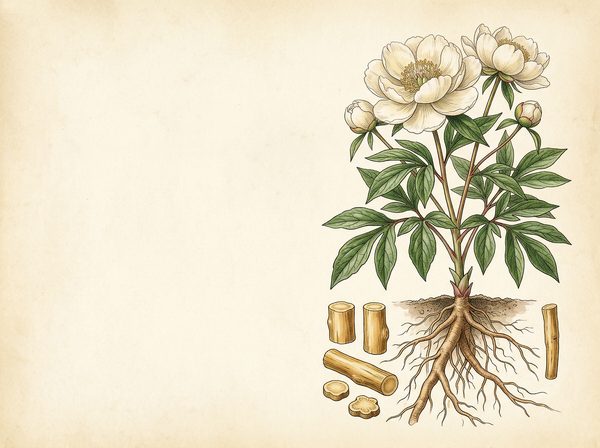 White PeonyPaeonia lactiflora
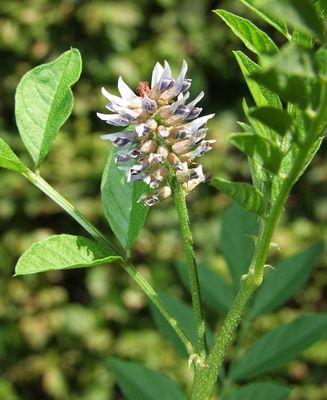 Licorice rootGlycyrrhiza glabra
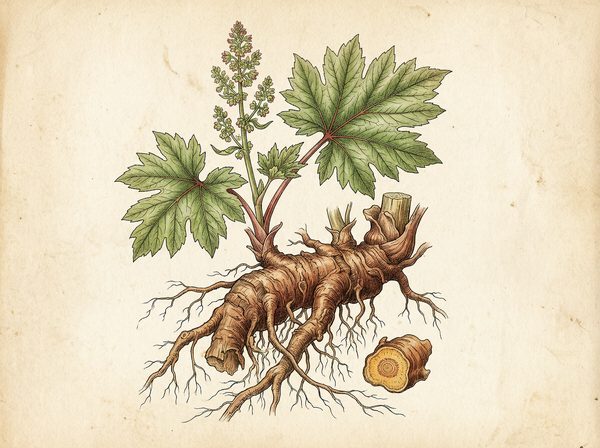 Chinese RhubarbRheum palmatum
 Mai Men DongOphiopogon japonicus
 RehmanniaRehmannia glutinosa
 Dong QuaiAngelica sinensis
Nearby on the shelf
 MangoMangifera indica
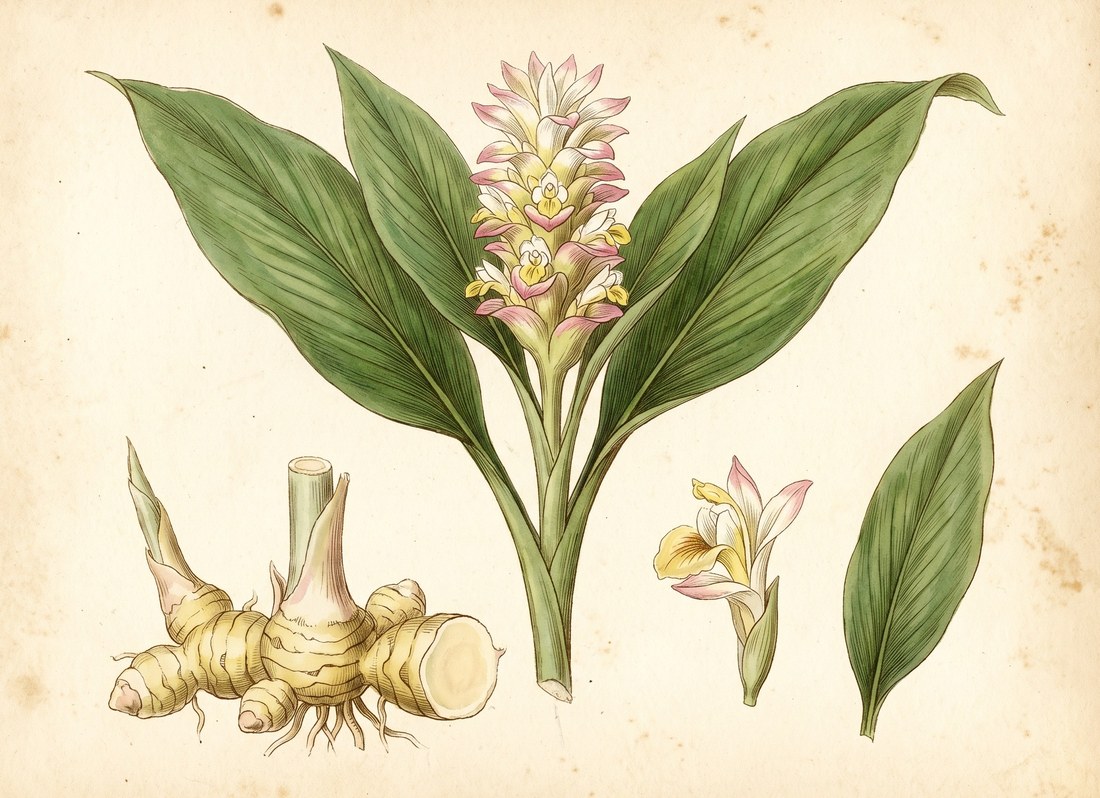 Mango gingerCurcuma amada
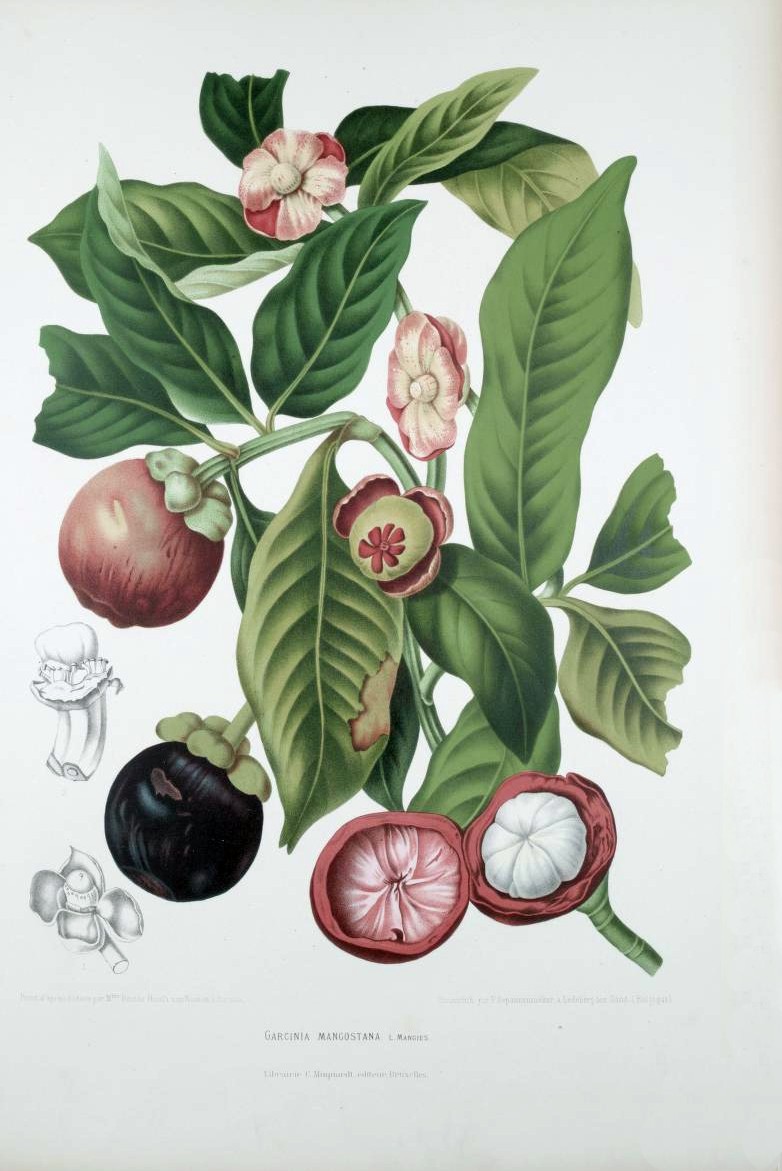 MangosteenGarcinia mangostana
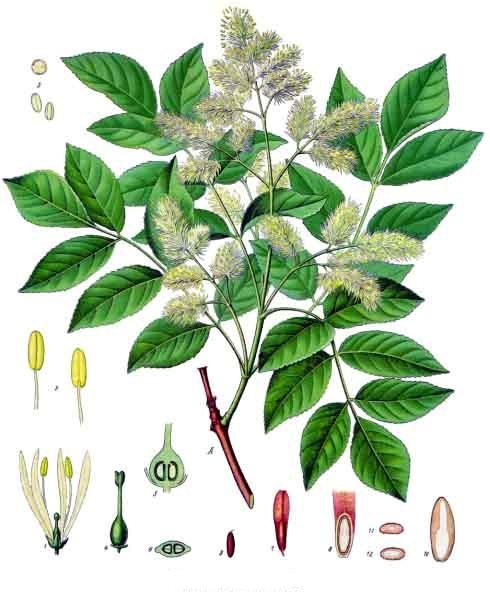 Manna ashFraxinus ornus
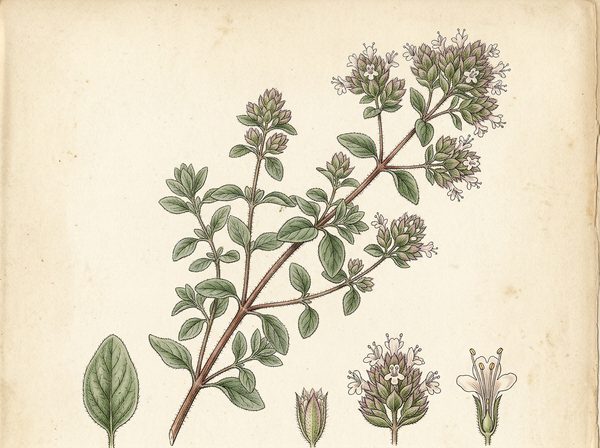 MarjoramOriganum majorana
 Marking nutSemecarpus anacardium
 Marsh ParsleySelinum
 Marsh rosemaryStatice caroliniana
The whole plate is in the library. The compass, Compare, the Sky of eleven hundred plants and the formulary open with an email address and a password, free, with the formula builder and its safety engine. Herbert without limit, his formulating, clients, the handouts and the labels are the paid room.
Open the library, free