Western Herbalism
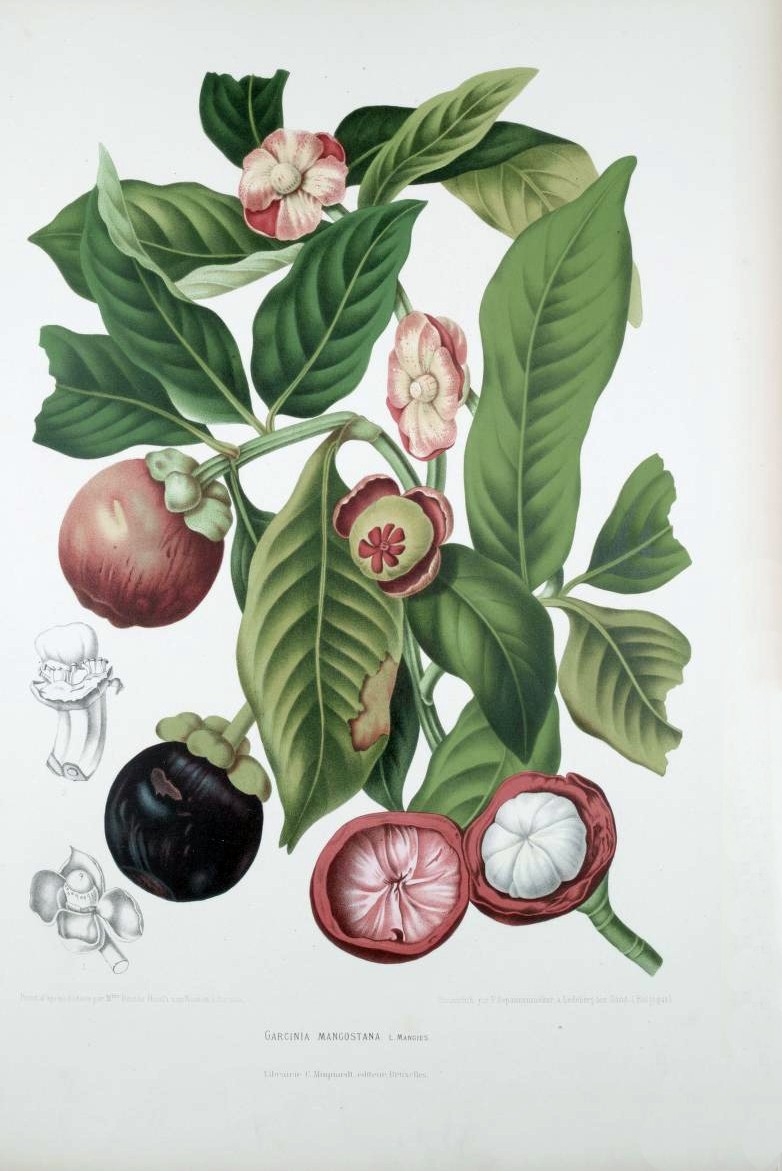
Mangosteen
Garcinia mangostana
Also known as Mangostan.
Traditional Southeast Asian medicine uses pericarp for GI and skin conditions (9597473) Ayurvedic cooling tonic for pitta (Ask-Ayurveda) Xanthone-rich limited standardized clinical dosing

Ask Herbert about Mangosteen. Herbert is the master herbalist inside Bountiful Herbs: he answers from this plate and eleven hundred others, with dosing, pairing and cautions. Your first ten questions are free.
Ask HerbertActions
Indications what the tradition reached for it in
- Skin infection
- Urinary tract infection
- Diarrhea
- Nausea
- Chronic ulcer
- Periodontitis
- Fever
- Suppuration
- Inflammation
- Dysentery
- Infected wounds
- Bloating
- Abdominal pain
- Indigestion
- Bleeding
- Viral infections
- Pain
- Infection
- Digestive complaints
- Urinary complaints
- Oxidative stress
- Excessive discharge
- Allergies
- Allergic reactions
Safety
Pregnancy: Not safe. Not for use in pregnancy (our record's flag)
Pregnancy, our record's flag: Caution. Use with care in pregnancy (our record's flag)
Breastfeeding: Not safe. Not for use while breastfeeding (our record's flag)
The record lists 3 contraindications; open the plate in the library to read them in full.
Dosing as the sources wrote it
| Preparation | As written |
|---|---|
| Oral extract up to | Oral extract up to 560 mg daily for 12 weeks |
| Pericarp powder/decoction | Pericarp powder/decoction 1-2 g twice daily (Ask-Ayurveda |
| solid extract | The dose of the solid extract is 1 grain, repeated 6 or 8 times per day, in pill form, or rubbed up with syrup, |
| Tincture (1:6 dried material to 60-80% ethanol) (12899369) |
Doses are reproduced from the sources for practitioners and are not a recommendation for any person.
From the sources
Clinical Notes. Traditional Southeast Asian medicine uses pericarp for GI and skin conditions (9597473) Ayurvedic cooling tonic for pitta (Ask-Ayurveda) Xanthone-rich limited standardized clinical dosing
Action, Medical Uses, and Dosage. The rind of the fruit is highly recommended for dysentery, and has been extensively employed in India for that disease. A few years ago the rind was introduced into Europe by Gruppe, of Manila, who prepared an extract which was administered in the Vienna hospitals, as an astringent, with success in catarrhal conditions of the throat, bladder, urethra, and uterus, etc. The dose of the solid extract is 1 grain, repeated 6 or 8 times per day, in pill form, or rubbed up with syrup,
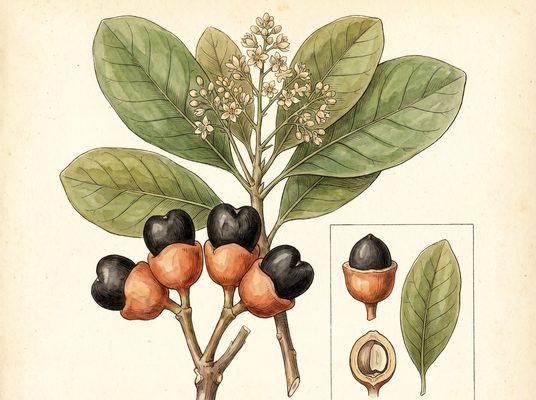
Botanical Source, Description, and History. The tree furnishing the mangosteen is large and handsome, having elliptic, oblong or oblong-lanceolate, deep-green glossy leaves. The bark of the tree is bitter and exceedingly astringent. The fruit is brownish or brownish-gray, marbled with yellow, and is crowned by the 4-parted, sessile stigma.
indications. Mangosteen is traditionally indicated for: Skin infection, Urinary tract infection, Diarrhea, Nausea, Chronic ulcer, Periodontitis, Fever, Suppuration, Inflammation, Dysentery, Infected wounds, Bloating, Abdominal pain, Indigestion, Bleeding, and 9 further conditions.
Drawn from King's American Dispensatory, 18th edition (Felter and Lloyd), and the Bountiful Herbs editorial.
Nearby on the shelf
 ManacaFranciscea uniflora
 MandrakeMandragora officinarum
 MangoMangifera indica
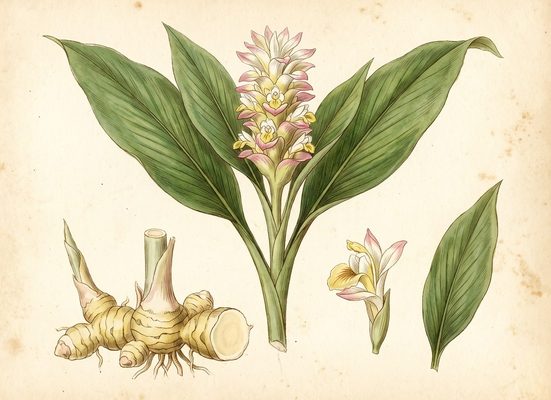 Mango gingerCurcuma amada
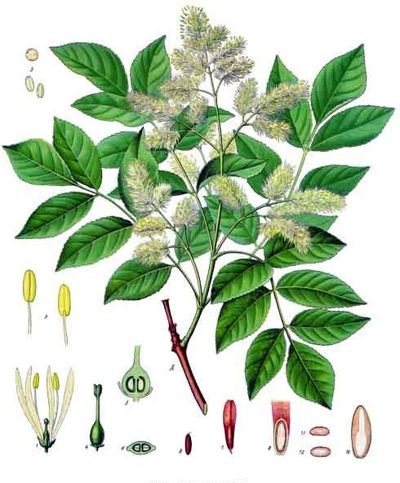 Manna ashFraxinus ornus
 MarijuanaCannabis sativa
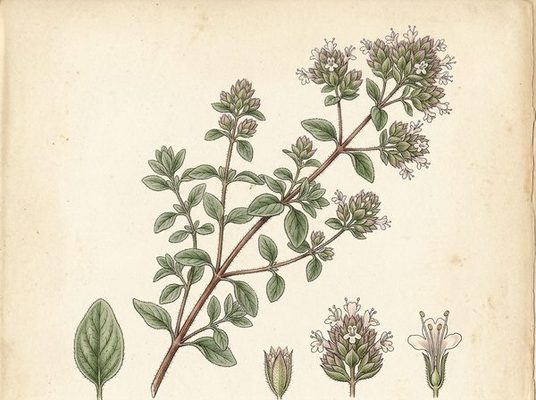 MarjoramOriganum majorana
 Marking nutSemecarpus anacardium
The whole plate is in the library. The compass, Compare, the Sky of eleven hundred plants and the formulary open with an email address and a password, free, with the formula builder and its safety engine. Herbert in full, his formulating, clients, the handouts and the labels are the paid room.
Open the library, free