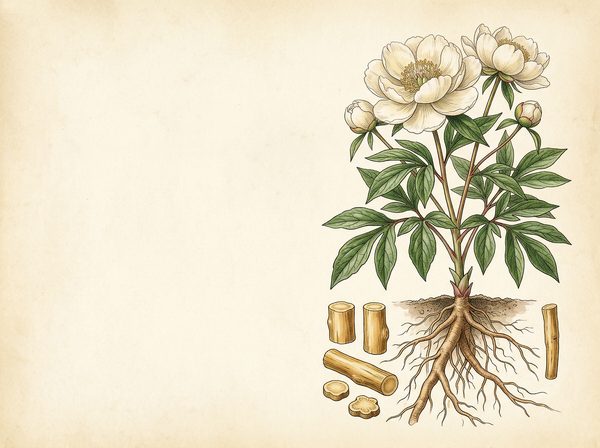
Chinese Herbalism
White Peony
Paeonia lactiflora
Also known as Red Peony, Bai Shao, Chi Shao, sháo yào, chuān chì sháo, chì sháo.
Distinguish Bai Shao (nourishing blood, yin tonic, liver soothing) from Chi Shao (invigorates blood, clears heat). Often combined with licorice (Si Wu Tang, Shao Yao Gan Cao Tang). Liver/Spleen meridians (TCM). Processed: wine-fried for pain, ginger-fried for digestion. Phytoestrogenic poor oral bioavailability of paeoniflorin. Used in RA (TGP), autoimmune. No EU monograph due to insufficient data

Ask Herbert about White Peony. Herbert is the master herbalist inside Bountiful Herbs: he answers from this plate and eleven hundred others, with dosing, pairing and cautions. Your first ten questions are free.
Ask HerbertActions
Indications what the tradition reached for it in
- Menstrual irregularities
- Muscle spasms/cramps
- Sjögren's
- Abdominal/hypochondriac pain
- Epilepsy
- Night/spontaneous sweating
- Autoimmune inflammation
- Insomnia/irritability
- Digestive cramps/IBS-like
- Hypertension
- Psoriasis
- Rheumatoid arthritis
- Postpartum pain/depression
- Blood deficiency
- PMS
- Amenorrhea
- Liver qi stagnation
- Systemic lupus erythematosus
- Headache/dizziness
- Endometriosis
- Dysmenorrhea
- Anxiety
- Colic
- Cramps
- Debility
- Fatigue
- Fever
- Immunodeficiency
- Inflammation
- Insomnia
Safety
Pregnancy: Pregnancy Caution
Breastfeeding: Lactation (source flag notSafeInLactation)
The record lists 4 contraindications; open the plate in the library to read them in full.
Dosing as the sources wrote it
| Preparation | As written | Metric |
|---|---|---|
| Decoction | 6-15g/day | 6000-15000 mg |
| Powder | 6-15g/day | 6000-15000 mg |
| Tincture (1:3-1:5) | 2-4ml TID | 2-4 mL |
| Capsule | 250-500mg TID (extract) | 250-500 mg |
| TGP extract | 600mg TID | 600-600 mg |
| Decoction: 6-15 g/day | 6000-15000 mg |
Doses are reproduced from the sources for practitioners and are not a recommendation for any person.
From the sources
Clinical Notes. Distinguish Bai Shao (nourishing blood, yin tonic, liver soothing) from Chi Shao (invigorates blood, clears heat). Often combined with licorice (Si Wu Tang, Shao Yao Gan Cao Tang). Liver/Spleen meridians (TCM). Processed: wine-fried for pain, ginger-fried for digestion. Phytoestrogenic poor oral bioavailability of paeoniflorin. Used in RA (TGP), autoimmune. No EU monograph due to insufficient data
Clinical Notes. Radix Paeoniae Alba (peeled root) TCM chief herb for nourishing blood, soothing Liver qi, relieving spasms/pain Often paired with Glycyrrhiza (licorice) for synergy Distinguish from red peony (unpeeled, Chi Shao - more cooling, blood invigorating
chemotherapy-muscle-pain-relief. In an open trial of cancer patients suffering muscle pain due to paclitaxel and carboplatin therapy, adding shakuyaku-kanzo-to (peony with licorice) to the second course relieved the pain in 7 of 10 patients.
primary-actions. White Peony acts primarily as: Antispasmodic, Analgesic, Anti-inflammatory, Blood tonic, Blood mover, Hepatoprotective. Secondary actions include Immunomodulator, Sedative, Antipyretic, Antioxidant, Neuroprotective, Uterine tonic.
In formulas
White Peony stands in 521 documented formulas in the library, among them gui thi má huáng gè bàn tàng, guì zhi èr yuè bì yì tāng, wù tóu gui zhi tāng, gé gên tāng, ging bí tāng, xião ging lóng tāng.
Often paired with
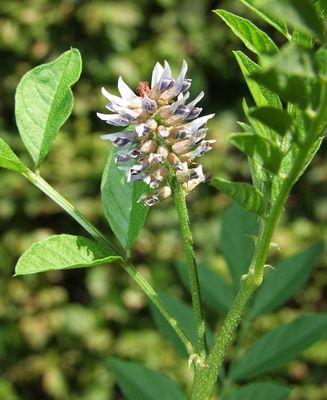 Licorice rootGlycyrrhiza glabra
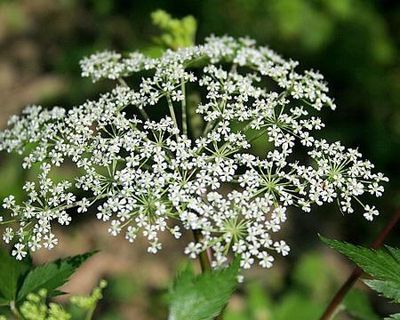 Dong QuaiAngelica sinensis
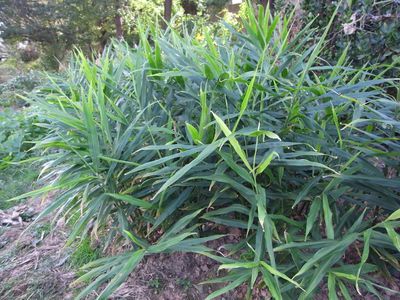 GingerZingiber officinale
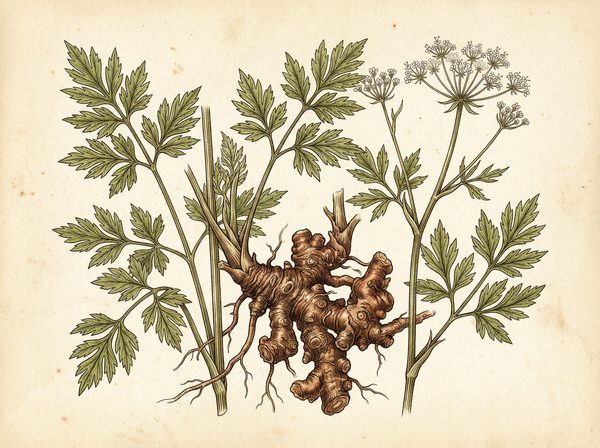 Sichuan Lovage RhizomeLigusticum chuanxiong
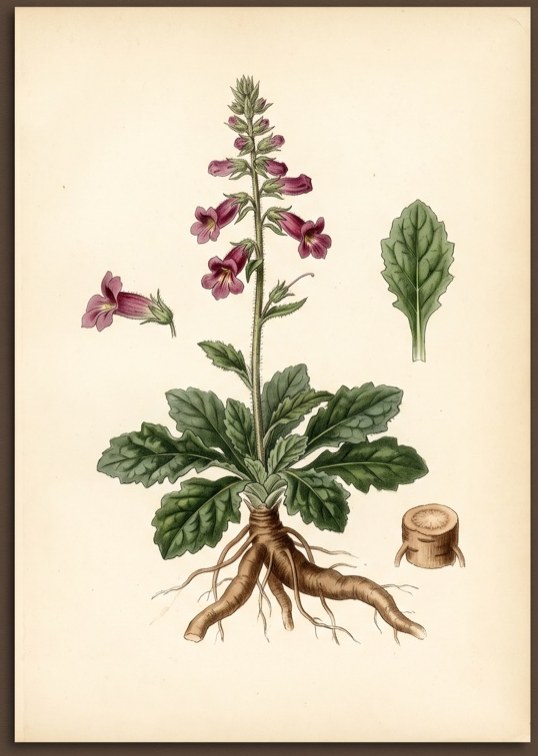 RehmanniaRehmannia glutinosa
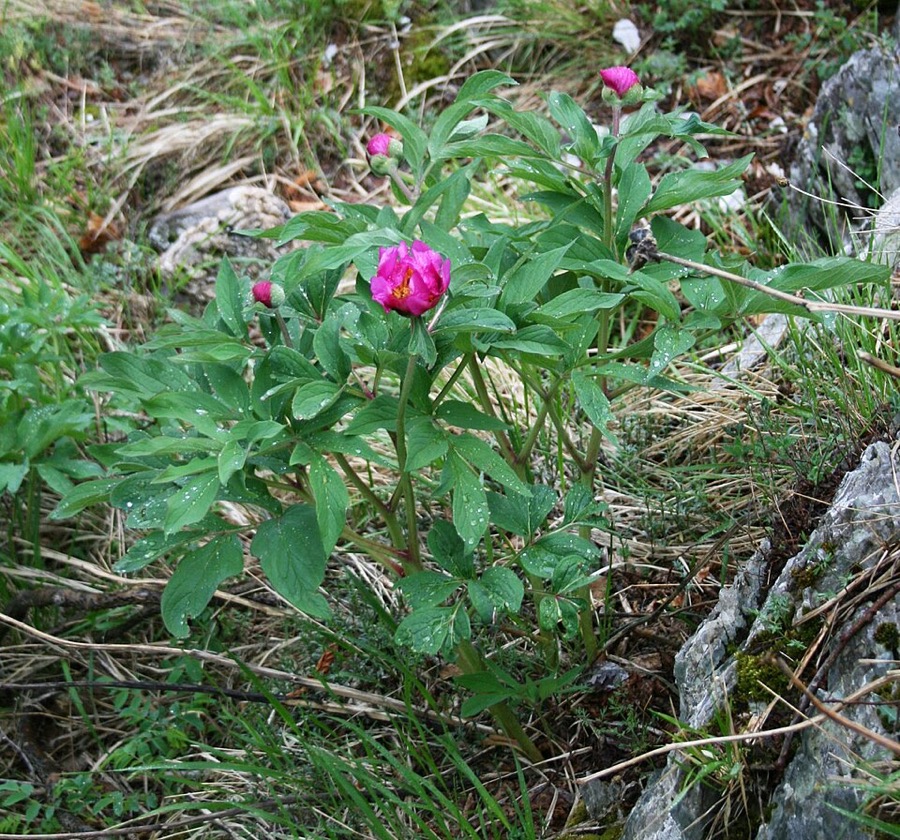 PeonyPeonia officinalis
Nearby on the shelf
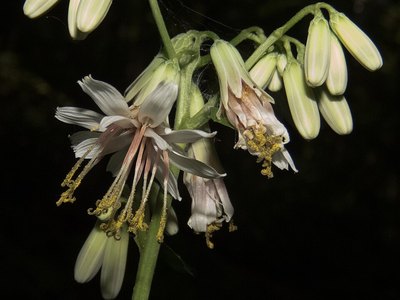 White LettuceNabalus Albus
 White mugwortArtemisia lactiflora
 White mustardBrassica alba
 White Oak BarkQuercus alba
 White Pond LilyNymphaea odorata
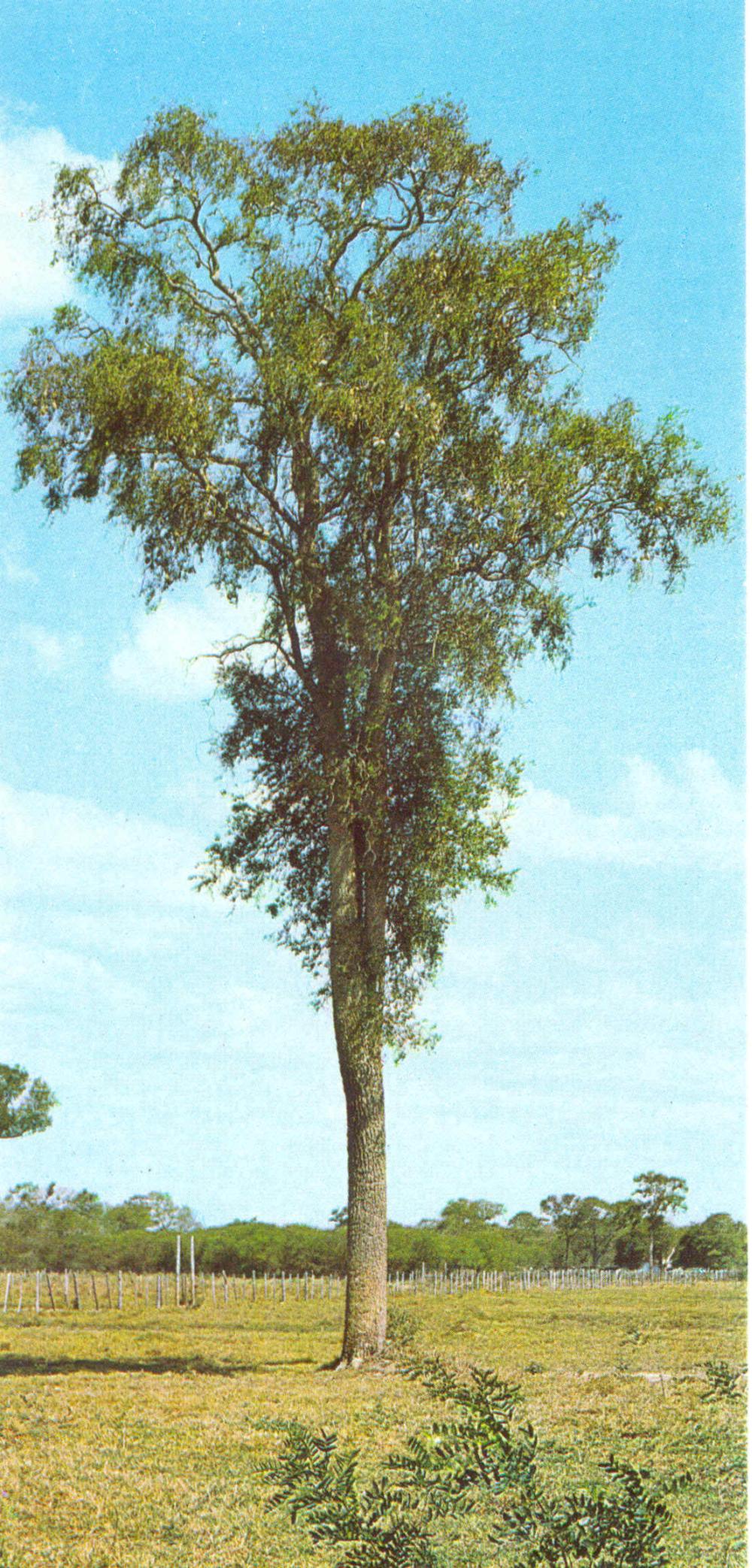 White quebrachoAspidosperma quebracho-blanco
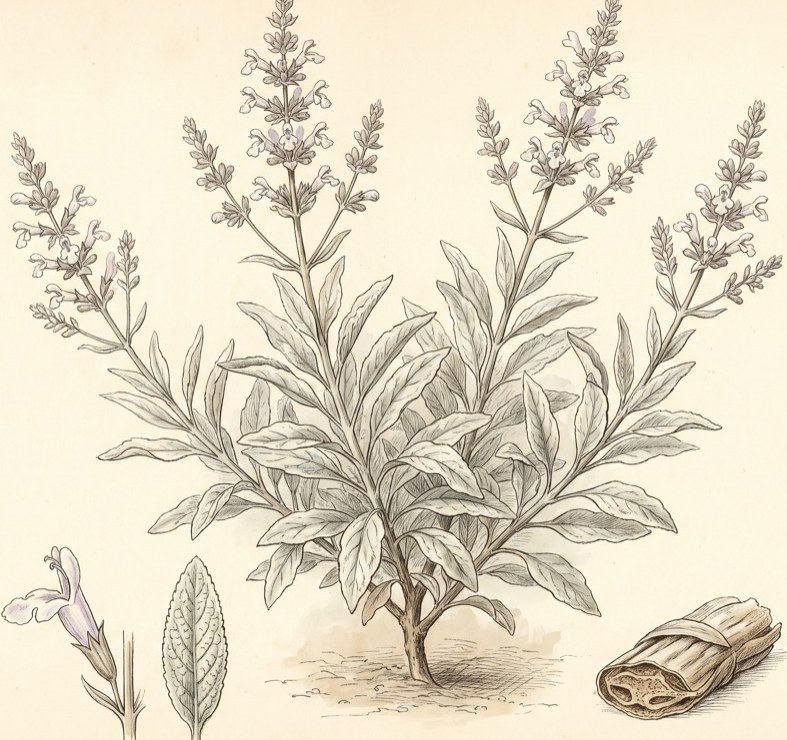 White SageSalvia apiana
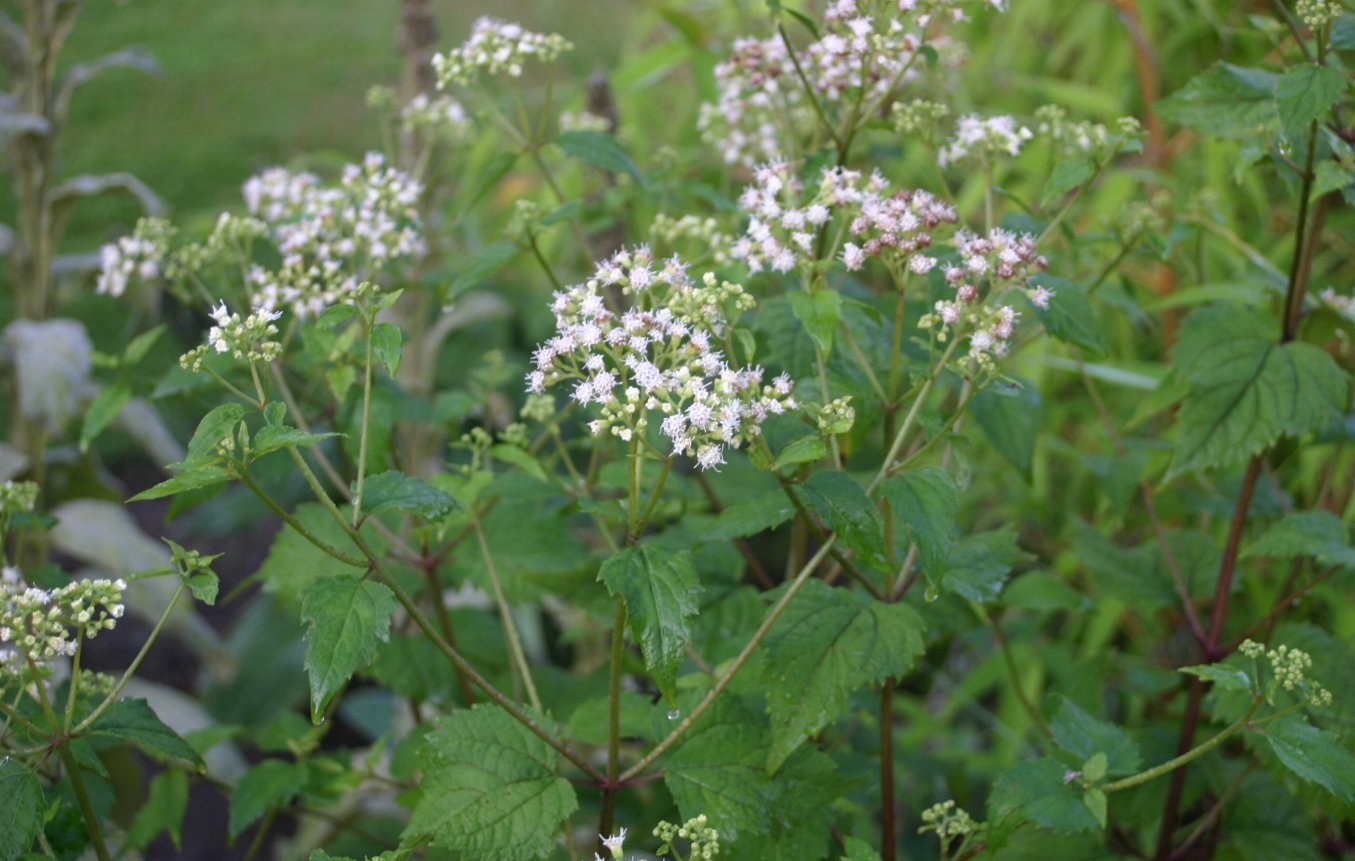 White snakerootEupatorium ageratoides
The whole plate is in the library. The compass, Compare, the Sky of eleven hundred plants and the formulary open with an email address and a password, free, with the formula builder and its safety engine. Herbert without limit, his formulating, clients, the handouts and the labels are the paid room.
Open the library, free