Chinese Herbalism
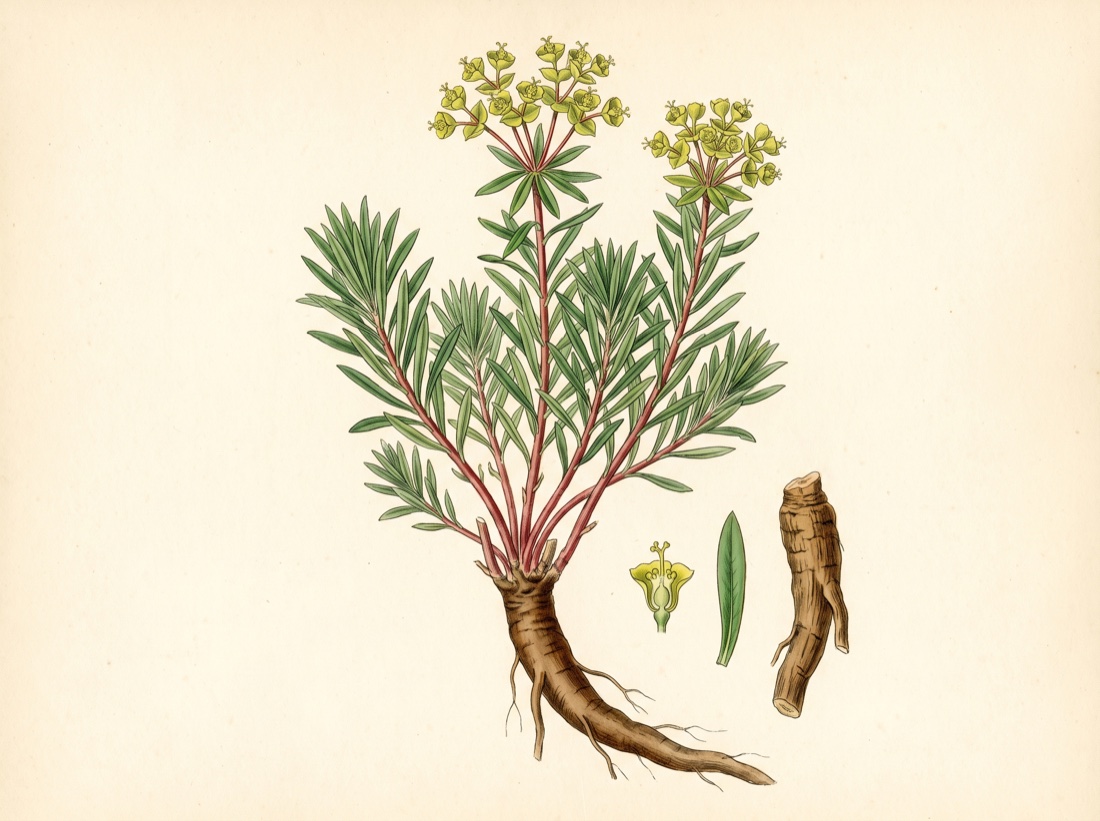
Peking spurge
Euphorbia pekinensis
Also known as Peking euphorbia, euphorbia root, jing da ji, da ji, jīng dà jǐ, dà jǐ, cù jīng dà jǐ (vinegar-processed).
Euphorbia pekinensis is a perennial spurge of northern and eastern China, Korea, and Japan with a thick, branching root and the milky, irritant latex typical of its family. The dried root is jing da ji, one of the harsh cathartics that drive out water. It is bitter, acrid, cold, and toxic, entering the Lung, Spleen, and Kidney channels, and is reserved for excess-type edema, ascites, and pleural effusion in patients strong enough to bear it. It is classically incompatible with licorice.

Ask Herbert about Peking spurge. Herbert is the master herbalist inside Bountiful Herbs: he answers from this plate and eleven hundred others, with dosing, pairing and cautions. Your first ten questions are free.
Ask HerbertActions
Indications what the tradition reached for it in
- Severe edema with abdominal distension and constipation in a robust patient
- Ascites of excess type with fullness and difficult urination
- Pleural effusion with chest and rib pain on breathing (xuan yin)
- Phlegm-fluid retention with cough and wheeze in a strong patient
- Scrofula and phlegm nodules (jointly with other herbs)
- Hard, cold abscesses and swellings (topical)
- Hepatic ascites refractory to milder diuretics (specialist use)
- Nephrotic edema of excess type (specialist use, short course)
Specific indications
A physically strong patient with tense, drum-like abdominal swelling, constipation, scanty urine, and a strong pulse, where gentle diuretics have failed and fluid must be moved fast
Chest fluid that produces a stabbing pain under the ribs on breathing or coughing, with a slippery pulse and no sign of deficiency
Safety
Recognised toxicity. This plant carries a toxicity flag in the record; it is for trained practitioners only.
Low dose botanical. Used in drop doses in the classical practice; not a plant to dose freely.
The record lists 16 contraindications; open the plate in the library to read them in full.
In practice
This is a restricted, low-dose herb for practitioners experienced with the drastic water-expelling class. Its place is the strong patient with gross fluid retention and constipation, when water must be purged quickly.
In Chinese medicine
Temperature: cold, toxic. Taste: bitter, acrid. Channels: Lung, Spleen, Kidney. Actions: Drives out water and expels retained fluid through the stool and urine; Drains pleural and abdominal fluid collections (xuan yin); Reduces swelling and disperses phlegm nodules; Applied externally, draws and reduces sores and swellings.
Dosing as the sources wrote it
| Preparation | As written | Metric |
|---|---|---|
| Decoction (vinegar-processed root) | 1.5-3 g vinegar-processed dried root daily in decoction for 1-3 days | 1500-3000 mg |
| Powder or pills | 1 g powdered vinegar-processed root once daily in pills or capsules for 1-3 days | 1000-1000 mg |
| Topical | powdered root mixed to a paste applied to the swelling once daily with surrounding skin protected |
Doses are reproduced from the sources for practitioners and are not a recommendation for any person.
From the sources
Overview. Euphorbia pekinensis is a perennial spurge of northern and eastern China, Korea, and Japan with a thick, branching root and the milky, irritant latex typical of its family. The dried root is jing da ji, one of the harsh cathartics that drive out water. It is bitter, acrid, cold, and toxic, entering the Lung, Spleen, and Kidney channels, and is reserved for excess-type edema, ascites, and pleural effusion in patients strong enough to bear it. It is classically incompatible with licorice.
Clinical Notes. This is a restricted, low-dose herb for practitioners experienced with the drastic water-expelling class. Its place is the strong patient with gross fluid retention and constipation, when water must be purged quickly.
Chinese Medicine Profile. Temperature: cold, toxic. Taste: bitter, acrid. Channels: Lung, Spleen, Kidney. Actions: Drives out water and expels retained fluid through the stool and urine; Drains pleural and abdominal fluid collections (xuan yin); Reduces swelling and disperses phlegm nodules; Applied externally, draws and reduces sores and swellings.
In formulas
Peking spurge stands in 2 documented formulas in the library, among them hòu chẽ wán, shí zào tàng.
Often paired with
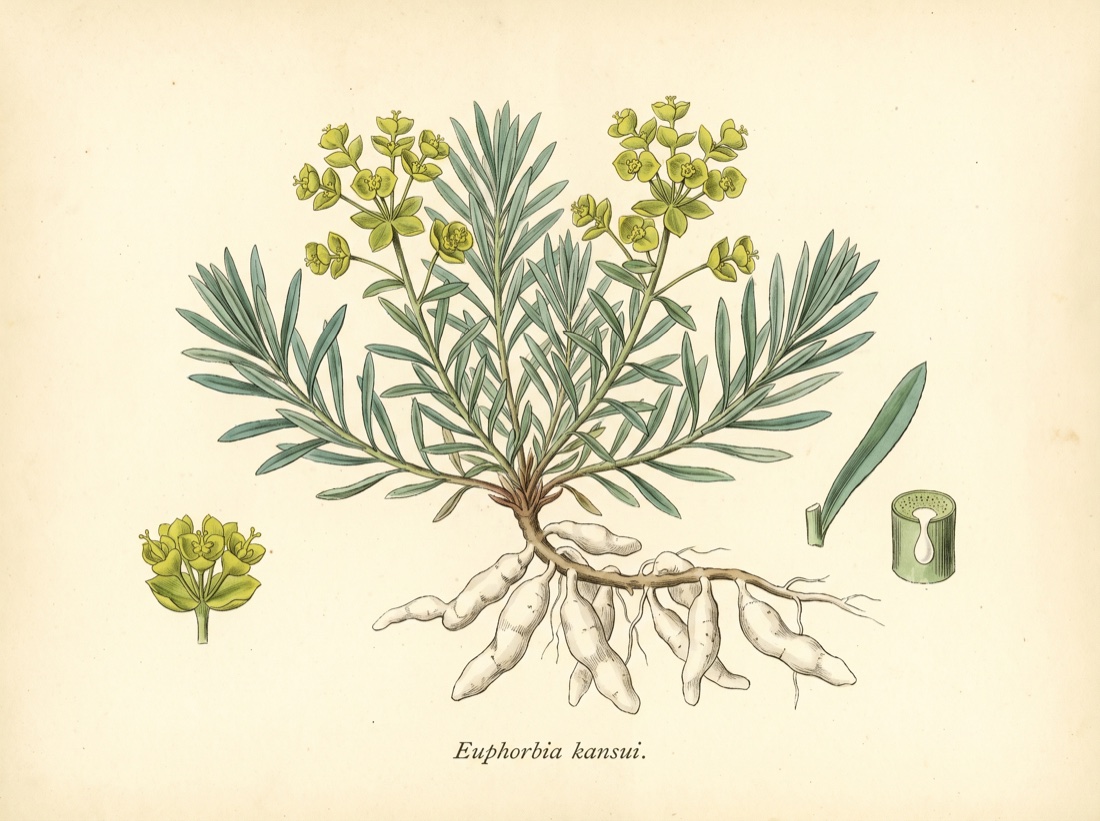 kansuiEuphorbia kansui
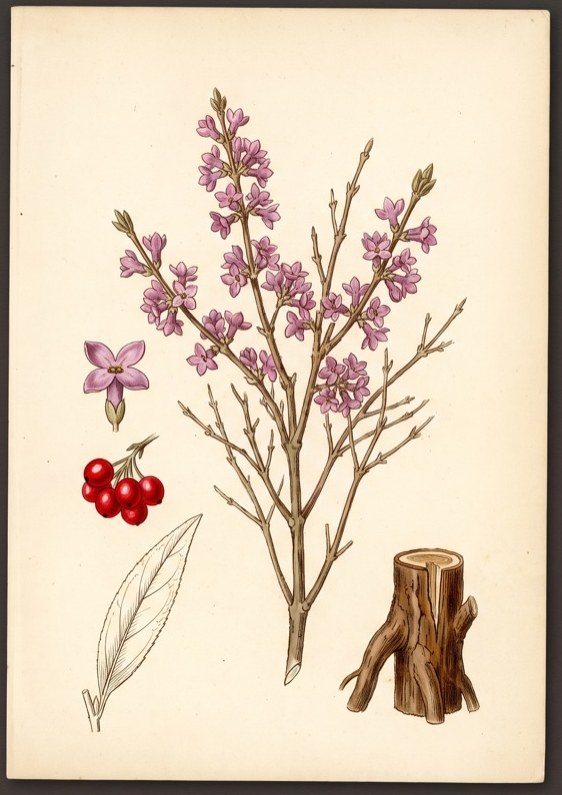 MezereumMezereum
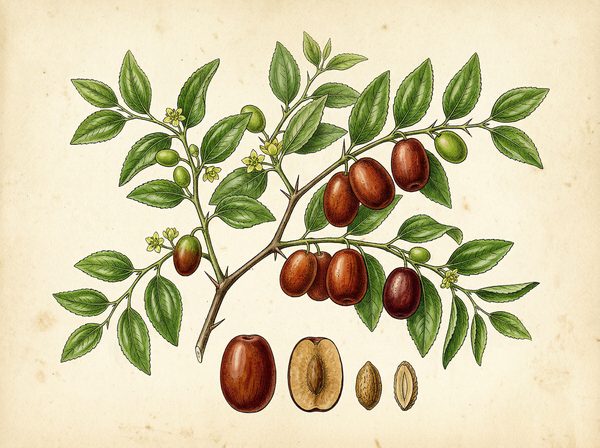 jujubeZiziphus jujuba
 tangerineCitrus reticulata
 cutch treeAcacia catechu
 Chinese RhubarbRheum palmatum
Nearby on the shelf
 Passion FlowerPassiflora incarnata
 Pata de vacaBauhinia forficata
 PeachPrunus persica
 Pearly EverlastingAntennaria
 Pellitory of SpainAnthemis pyrethrum
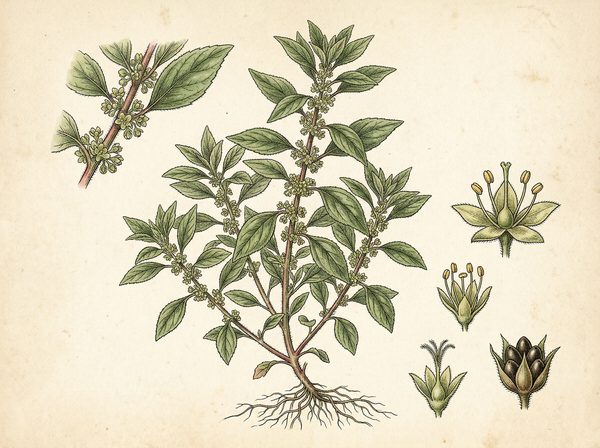 Pellitory-of-the-WallParietaria officinalis
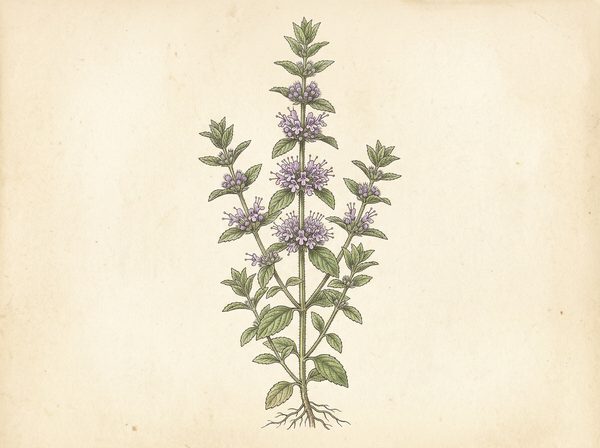 PennyroyalMentha pulegium
 PenthorumPenthorum sedoides
The whole plate is in the library. The compass, Compare, the Sky of eleven hundred plants and the formulary open with an email address and a password, free, with the formula builder and its safety engine. Herbert without limit, his formulating, clients, the handouts and the labels are the paid room.
Open the library, free