Ayurvedic Herbalism
Chironji
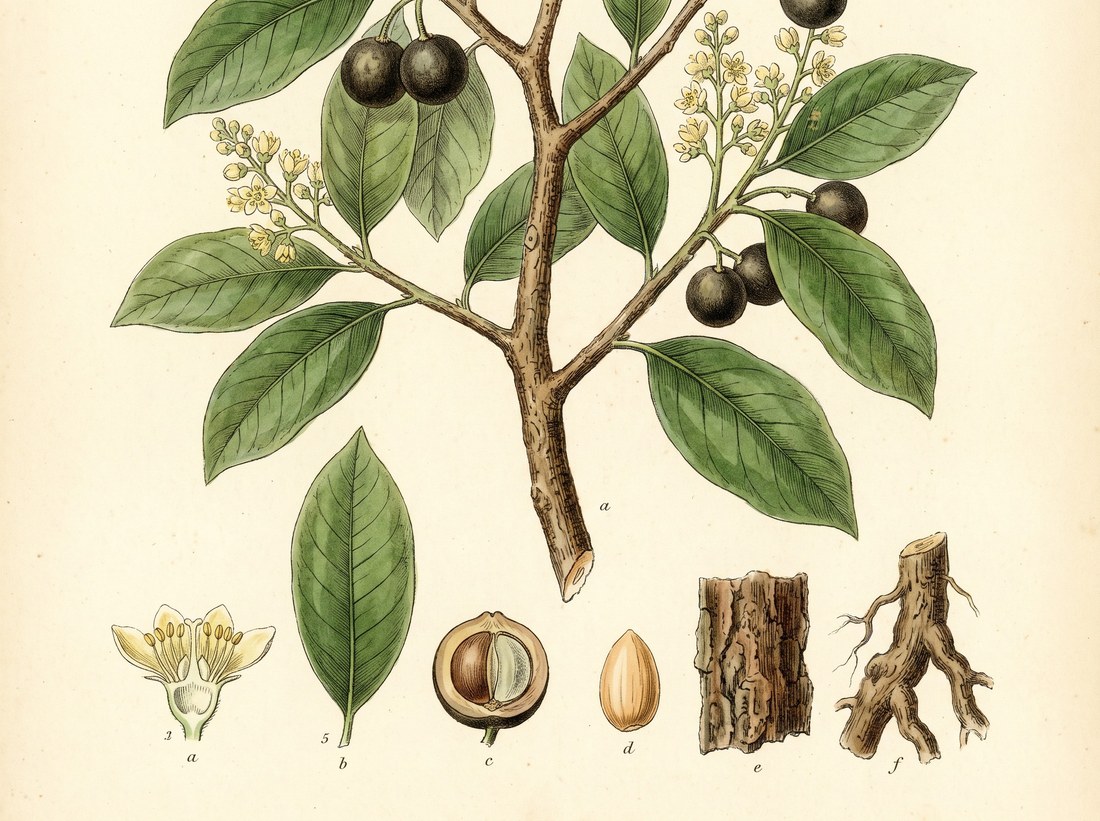
Buchanania lanzan
Also known as charoli, almondette, Cuddapah almond, calumpong nut, Priyala, Chara, Kharaskandha.
Buchanania lanzan is a medium-sized deciduous tree of the cashew family found across the dry deciduous forests of central and peninsular India, Bihar, Odisha, Chhattisgarh and the sub-Himalayan tract. Its small almond-flavored kernels, sold as chironji or charoli, are a prized sweet-shop ingredient and a forest livelihood for tribal communities. In Ayurveda the kernel is Priyala, a sweet, cooling, nourishing tonic for wasting, burning and sexual weakness, and the bark is a separate astringent drug for diarrhea and fever.

Ask Herbert about Chironji. Herbert is the master herbalist inside Bountiful Herbs: he answers from this plate and eleven hundred others, with dosing, pairing and cautions. Your first ten questions are free.
Ask HerbertActions
Indications what the tradition reached for it in
- Convalescence with weight loss and weakness
- Underweight children and elders with poor appetite
- Burning sensation and thirst in pitta states
- Low libido and poor seminal quality
- Dry cough and hoarseness (kernel in milk)
- Diarrhea and dysentery (bark)
- Intermittent fever with debility (bark)
- Bleeding tendency with heat (bark)
- Facial pigmentation, dryness and itching (topical paste)
- Slow-healing wounds (topical)
Specific indications
A thin, dry, overheated patient recovering from illness who cannot tolerate heavy oils or heating tonics but needs to be built up
A pitta or vata-pitta man with low desire, burning urination and fatigue, where a sweet cooling reproductive tonic is wanted instead of Ashwagandha
Dry, blotchy facial skin with dark patches in a hot constitution, treated with a kernel and milk paste while the diet is cooled
Safety
The record lists 6 contraindications; open the plate in the library to read them in full.
In practice
Priyala majja is the gentle brimhana of the Ayurvedic shelf: where Ashwagandha builds with heat, Priyala builds with cooling sweetness, which makes it the tonic of choice for pitta-vata patients who flush, burn and thirst while losing weight.
In Ayurveda
Rasa: madhura (sweet), the bark kashaya (astringent). Virya: sheeta (cooling). Vipaka: madhura (sweet). Guna: guru (heavy), snigdha (unctuous). Dosha: pacifies vata and pitta; the kernel increases kapha and is heavy to digest. Karma: brimhana (nourishing, builds tissue); balya (strengthening); vrishya (aphrodisiac); hridya (cardiac tonic); dahaprashamana (relieves burning); pittahara (pacifies pitta); vatahara (pacifies vata); snehana (unctuous, lubricating); grahi (the bark binds the bowel); varnya (improves complexion, topical). Classical indications: kshaya (wasting); daurbalya (weakness); daha (burning sensation); trishna (thirst); jvara (fever, the bark); raktapitta (bleeding disorders); atisara (diarrhea, the bark); klaibya (male sexual dysfunction); vyanga (facial blemish, topical); kandu (itching, topical). The seed kernel (Priyala majja) is the main drug, eaten whole, ground into a paste with milk as a nourishing ksheerapaka, or pressed for oil; the stem bark is used as churna and kwatha for diarrhea and fever, and the kernel paste and oil are applied to the skin. Classical formulations: Priyala majja churna, Priyala ksheerapaka, Priyaladi lepa, Chironji taila, Vidaryadi gana kwatha. Described in: Charaka Samhita, Sushruta Samhita, Ashtanga Hridaya, Bhavaprakasha Nighantu, Dhanvantari Nighantu, Raja Nighantu, Kaiyadeva Nighantu.
Dosing as the sources wrote it
| Preparation | As written | Metric |
|---|---|---|
| Majja (kernel) | 5-10 g kernels daily, roasted and ground into milk | 5000-10000 mg |
| Churna (bark) | 3-6 g powdered stem bark twice daily with honey | 3000-6000 mg |
| Kwatha (bark) | 50-100 mL bark decoction twice daily | 50-100 mL |
| Kalka, topical | 5-10 g kernel paste in milk applied to the face or skin daily | 5000-10000 mg |
| Taila, topical | 2-5 mL kernel oil massaged into dry skin daily | 2-5 mL |
Doses are reproduced from the sources for practitioners and are not a recommendation for any person.
From the sources
Overview. Buchanania lanzan is a medium-sized deciduous tree of the cashew family found across the dry deciduous forests of central and peninsular India, Bihar, Odisha, Chhattisgarh and the sub-Himalayan tract. Its small almond-flavored kernels, sold as chironji or charoli, are a prized sweet-shop ingredient and a forest livelihood for tribal communities. In Ayurveda the kernel is Priyala, a sweet, cooling, nourishing tonic for wasting, burning and sexual weakness, and the bark is a separate astringent drug for diarrhea and fever.
Clinical Notes. Priyala majja is the gentle brimhana of the Ayurvedic shelf: where Ashwagandha builds with heat, Priyala builds with cooling sweetness, which makes it the tonic of choice for pitta-vata patients who flush, burn and thirst while losing weight.
Ayurvedic Profile. Rasa: madhura (sweet), the bark kashaya (astringent). Virya: sheeta (cooling). Vipaka: madhura (sweet). Guna: guru (heavy), snigdha (unctuous). Dosha: pacifies vata and pitta; the kernel increases kapha and is heavy to digest.
Conservation. Wild populations are declining from unsustainable fruit harvesting, lopping and slow regeneration in central India; prefer kernels from managed or community-harvested sources.
In formulas
Chironji stands in 2 documented formulas in the library, among them Pūgakhaṇḍa, Aśoka Ghṛta.
Often paired with
 false daisyEclipta prostrata
 CuminCuminum cyminum
 areca nutAreca catechu
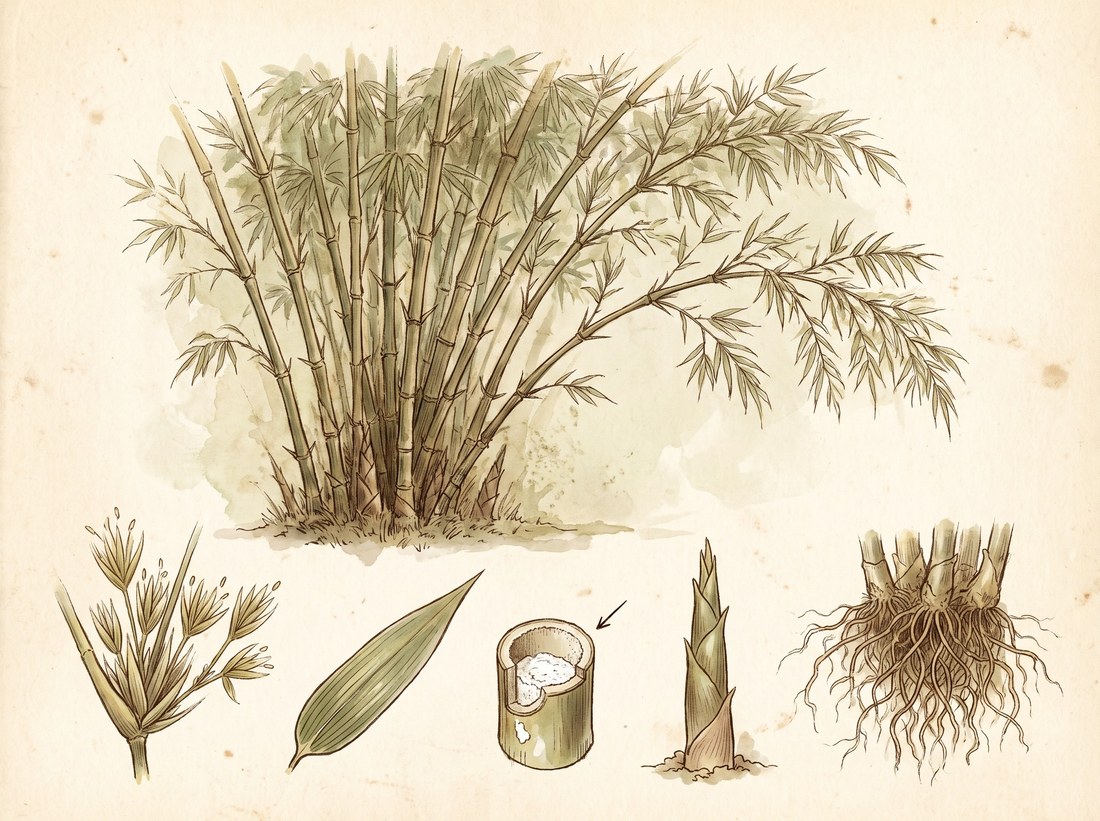 thorny bambooBambusa arundinacea
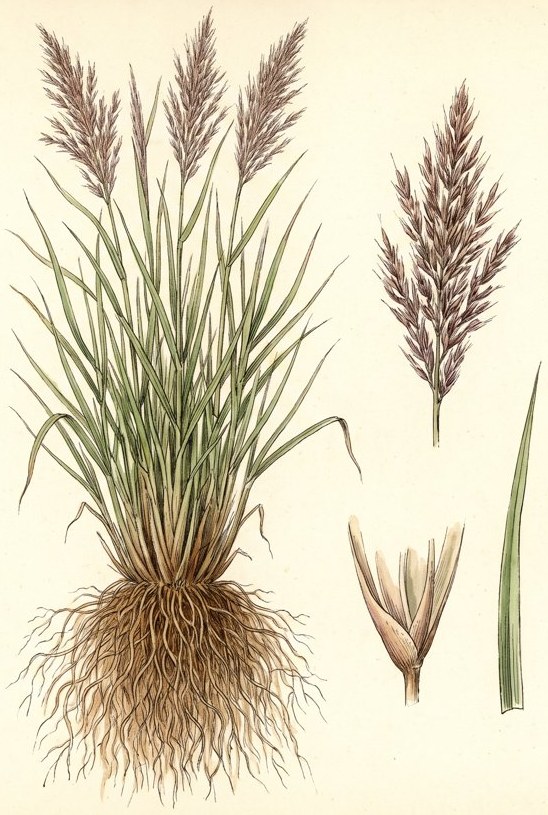 vetiverChrysopogon zizanioides
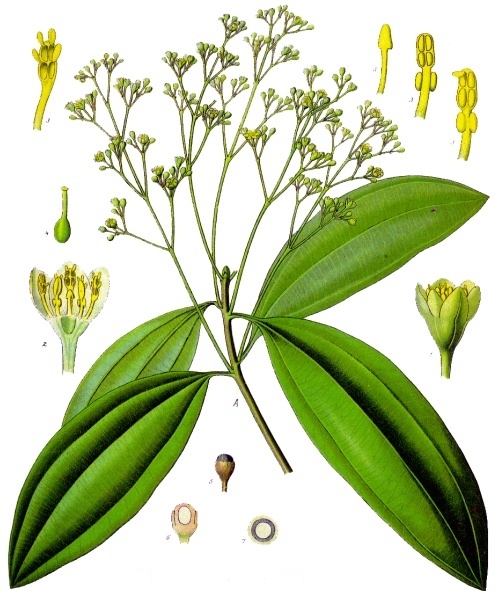 Indian bay leafCinnamomum tamala
Nearby on the shelf
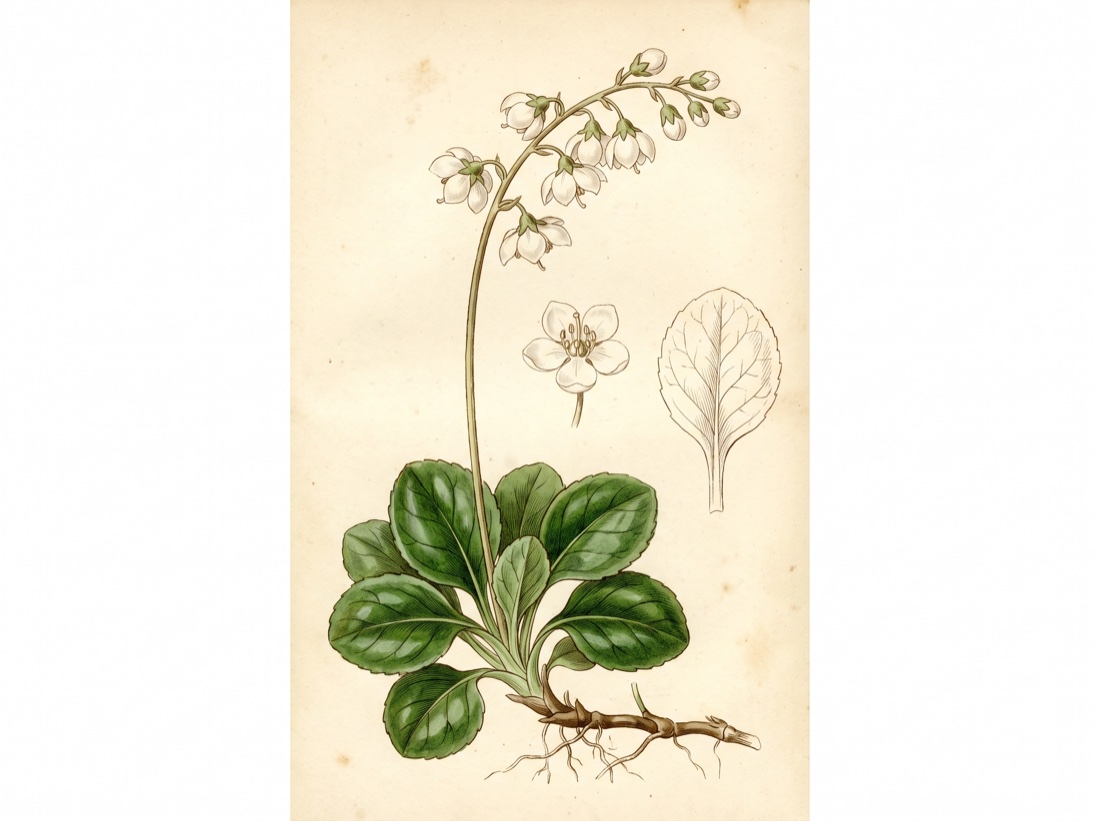 Chinese wintergreenPyrola calliantha
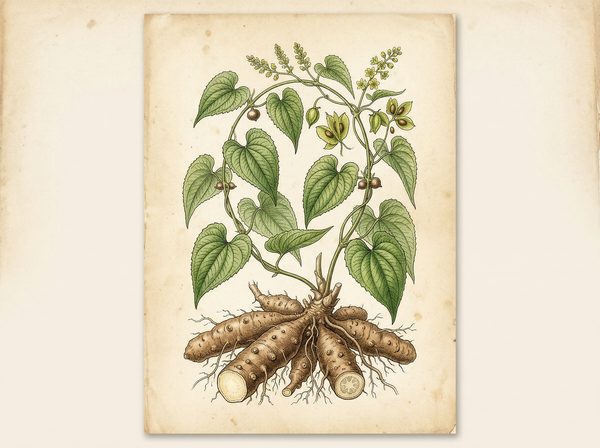 Chinese YamDioscorea opposita
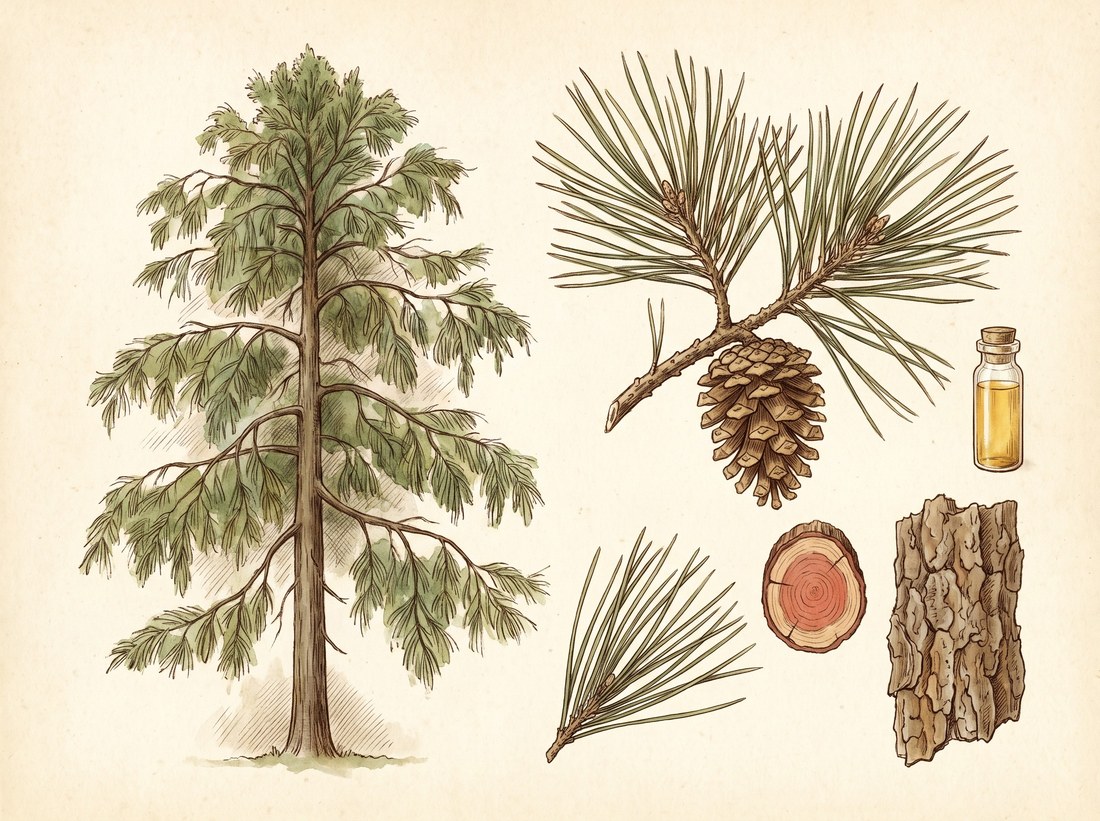 Chir pinePinus roxburghii
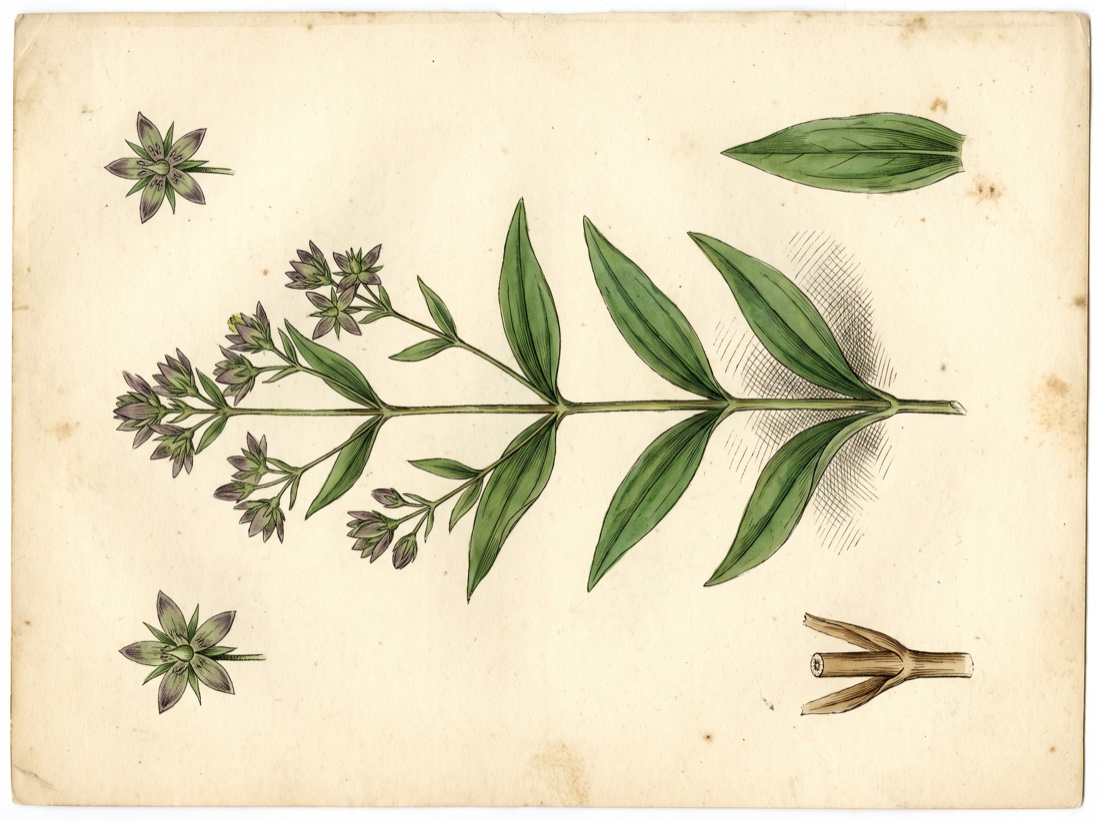 ChirettaOphelia chirata
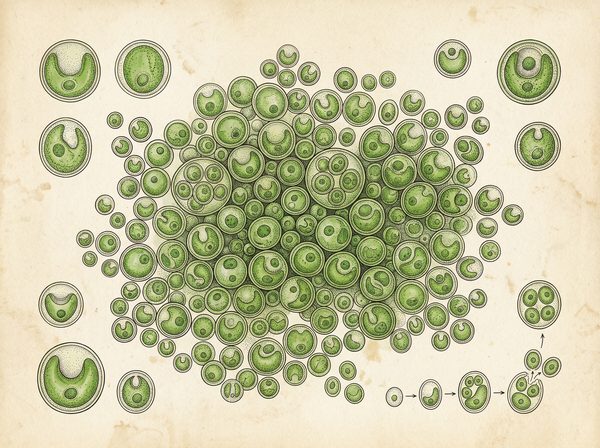 ChlorellaChlorella vulgaris
 ChrysanthemumChrysanthemum × morifolium
 CitronCitrus medica
 Clary SageSalvia sclarea
The whole plate is in the library. The compass, Compare, the Sky of eleven hundred plants and the formulary open with an email address and a password, free, with the formula builder and its safety engine. Herbert without limit, his formulating, clients, the handouts and the labels are the paid room.
Open the library, free