Chinese Herbalism
Hypoglaucous yam
Dioscorea hypoglauca
Also known as powdery bi xie, fen bi xie, bi xie, fěn bì xiè, bì xiè.
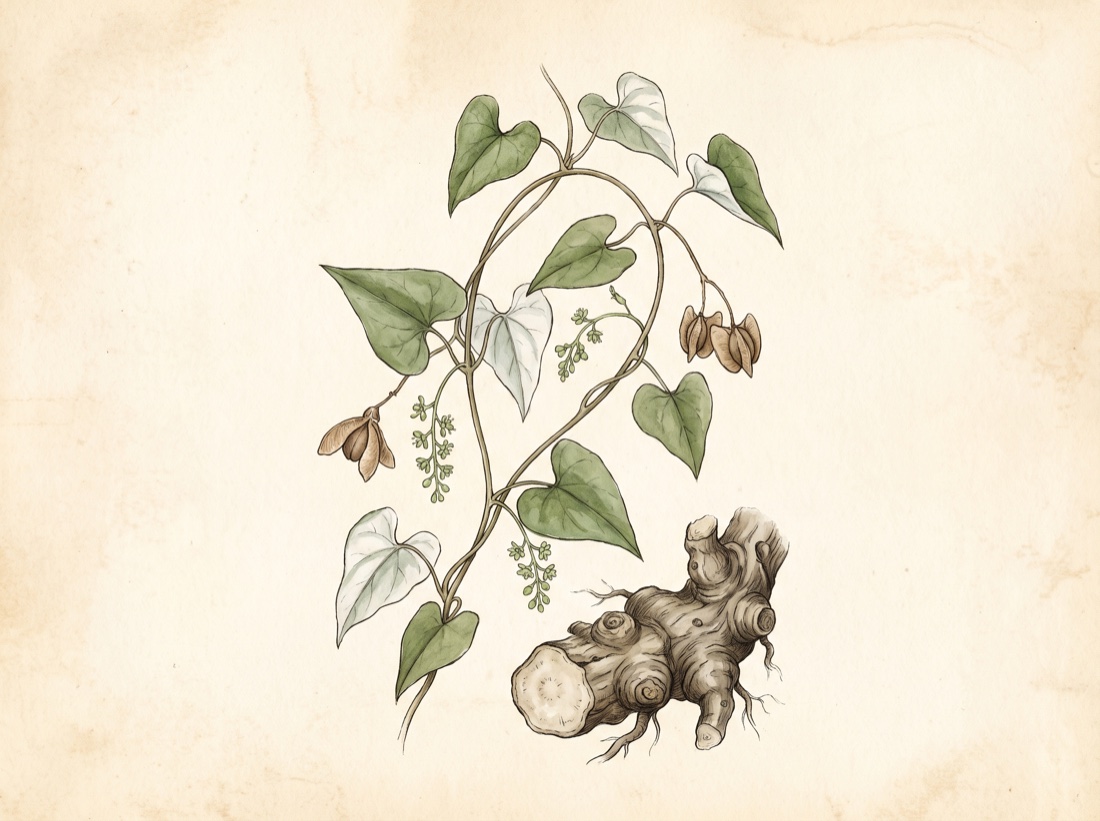
Fen bi xie is the dried rhizome of Dioscorea hypoglauca, a twining yam of the hill forests of central and southern China, which botanists now treat as a variety of Dioscorea collettii. The rhizome is sliced and dried into pale, powdery, starchy pieces, which the name fen (powder) describes; the related mian bi xie from Dioscorea septemloba and Dioscorea futschauensis is more fibrous. In Chinese medicine bi xie is the herb for turbid damp in the lower burner: cloudy urine, discharge, and heavy, aching joints from wind-damp.

Ask Herbert about Hypoglaucous yam. Herbert is the master herbalist inside Bountiful Herbs: he answers from this plate and eleven hundred others, with dosing, pairing and cautions. Your first ten questions are free.
Ask HerbertActions
Indications what the tradition reached for it in
- Cloudy, milky urine (gao lin)
- Turbid, frequent urination with a heavy sensation below
- Profuse white vaginal discharge
- Damp-heat painful urination
- Wind-damp painful obstruction with heavy aching joints
- Lower back and knee heaviness and weakness
- Gout and hyperuricemia (adjunct)
- Damp eczema and oozing skin sores (traditional)
- Diabetic nephropathy (experimental adjunct)
Specific indications
Urine that is cloudy or milky like rice water, with frequency and a dragging heaviness below, in a person with Kidney deficiency and lingering dampness
Thick white vaginal discharge with fatigue and a heavy lower body, tongue coat white and greasy
Safety
The record lists 5 contraindications; open the plate in the library to read them in full.
In practice
Bi xie is specific for turbidity rather than heat: when the urine is cloudy, milky or greasy, when there is profuse white discharge, or when the joints and lower body feel heavy and waterlogged. Its classical home is Bi Xie Fen Qing Yin, where it joins yi zhi ren, wu yao and shi chang pu to separate the clear from the turbid in Kidney deficiency with cold-damp; for damp-heat turbidity use it with huang bai, che qian zi and fu ling instead.
In Chinese medicine
Temperature: neutral. Taste: bitter. Channels: Kidney, Stomach. Actions: Drains dampness and separates the clear from the turbid; Dispels wind-damp and unblocks the channels for painful obstruction; Clears turbid damp-heat from the lower burner.
Dosing as the sources wrote it
| Preparation | As written | Metric |
|---|---|---|
| Decoction | 9-15 g dried rhizome daily | 9000-15000 mg |
| Powder | 2-4 g twice daily | 2000-4000 mg |
| Tincture (1:5, 40%) | 2-4 mL three times daily | 2-4 mL |
Doses are reproduced from the sources for practitioners and are not a recommendation for any person.
From the sources
Overview. Fen bi xie is the dried rhizome of Dioscorea hypoglauca, a twining yam of the hill forests of central and southern China, which botanists now treat as a variety of Dioscorea collettii. The rhizome is sliced and dried into pale, powdery, starchy pieces, which the name fen (powder) describes; the related mian bi xie from Dioscorea septemloba and Dioscorea futschauensis is more fibrous. In Chinese medicine bi xie is the herb for turbid damp in the lower burner: cloudy urine, discharge, and heavy, aching joints from wind-damp.
Clinical Notes. Bi xie is specific for turbidity rather than heat: when the urine is cloudy, milky or greasy, when there is profuse white discharge, or when the joints and lower body feel heavy and waterlogged. Its classical home is Bi Xie Fen Qing Yin, where it joins yi zhi ren, wu yao and shi chang pu to separate the clear from the turbid in Kidney deficiency with cold-damp; for damp-heat turbidity use it with huang bai, che qian zi and fu ling instead.
Chinese Medicine Profile. Temperature: neutral. Taste: bitter. Channels: Kidney, Stomach. Actions: Drains dampness and separates the clear from the turbid; Dispels wind-damp and unblocks the channels for painful obstruction; Clears turbid damp-heat from the lower burner.
In formulas
Hypoglaucous yam stands in 7 documented formulas in the library, among them jia wèi èr miào wán, bì xiè fên qing yin, bì xiè fên ging yin.
Often paired with
 grass-leaf sweet flagAcorus gramineus
 sharp-leaf galangalAlpinia oxyphylla
 evergreen linderaLindera aggregata
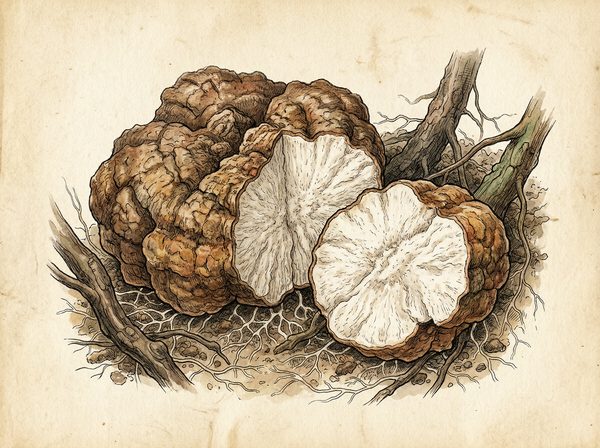 PoriaWolfiporia extensa
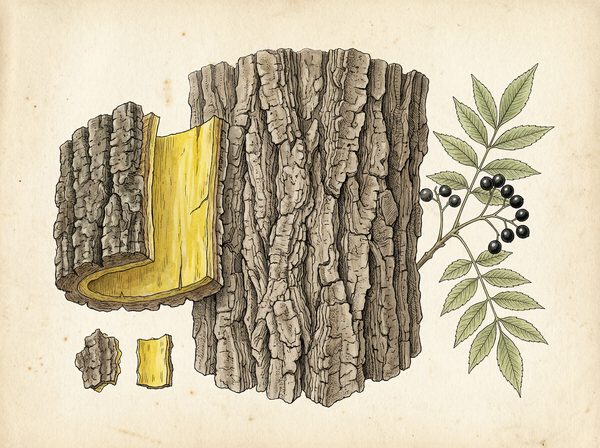 Huang BaiPhellodendron amurense
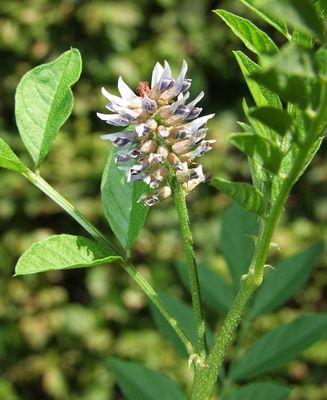 Licorice rootGlycyrrhiza glabra
Nearby on the shelf
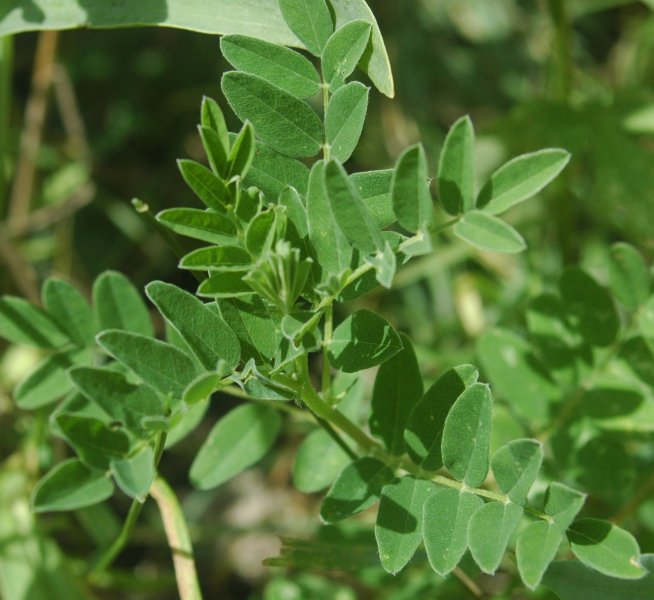 Huang QiAstragalus propinquus
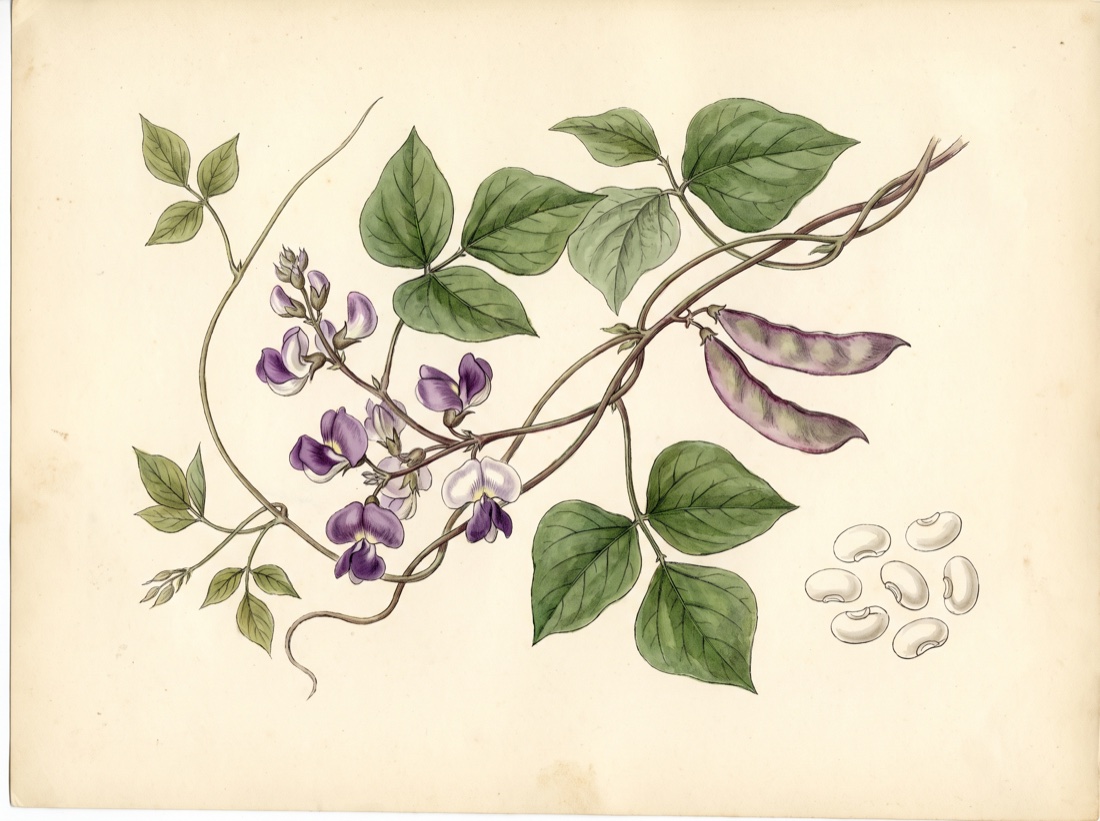 Hyacinth beanLablab purpureus
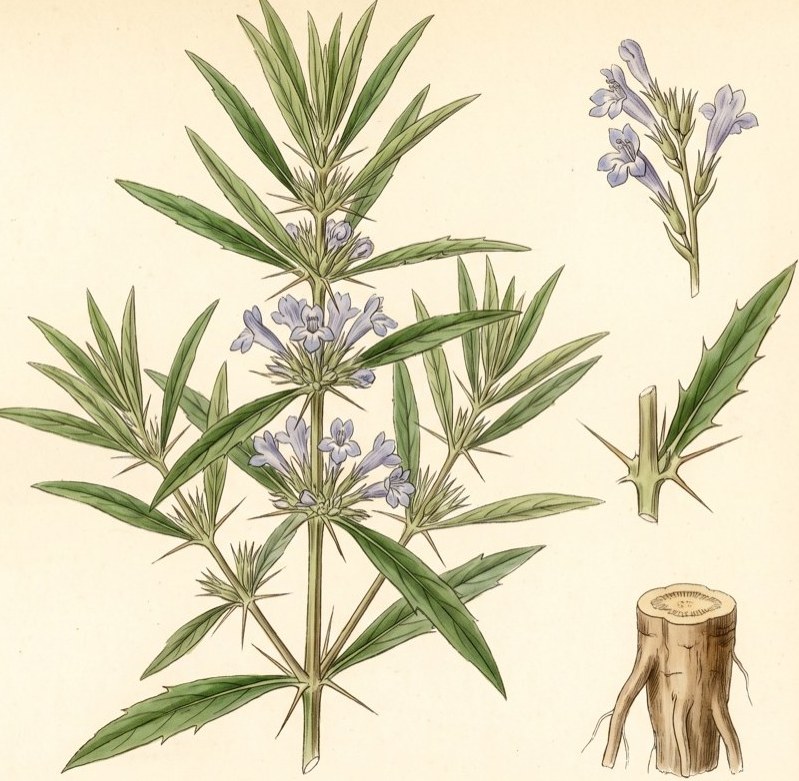 HygrophilaHygrophilia spinosa
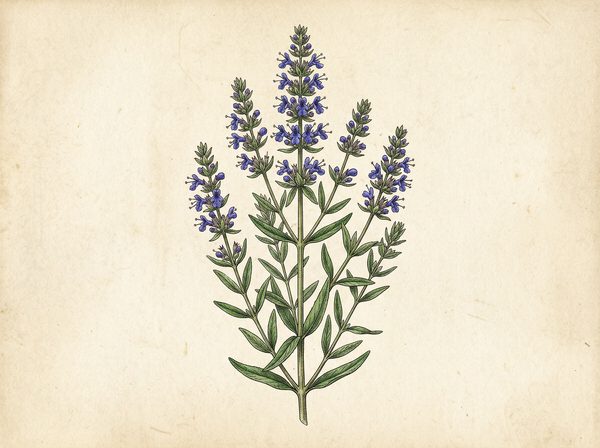 HyssopHyssopus officinalis
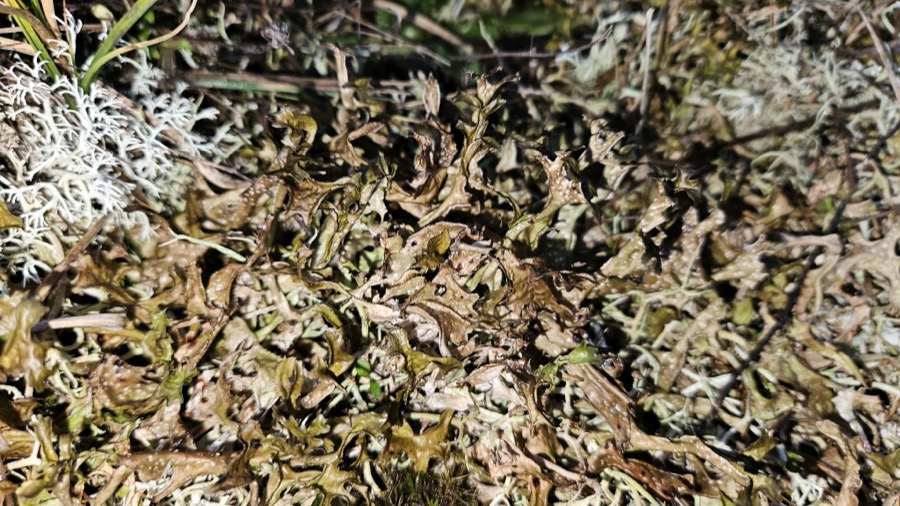 Iceland mossCetaria islandica
 Iceland mossCetraria
 IgnatiaIgnatia
The whole plate is in the library. The compass, Compare, the Sky of eleven hundred plants and the formulary open with an email address and a password, free, with the formula builder and its safety engine. Herbert without limit, his formulating, clients, the handouts and the labels are the paid room.
Open the library, free