Chinese Herbalism
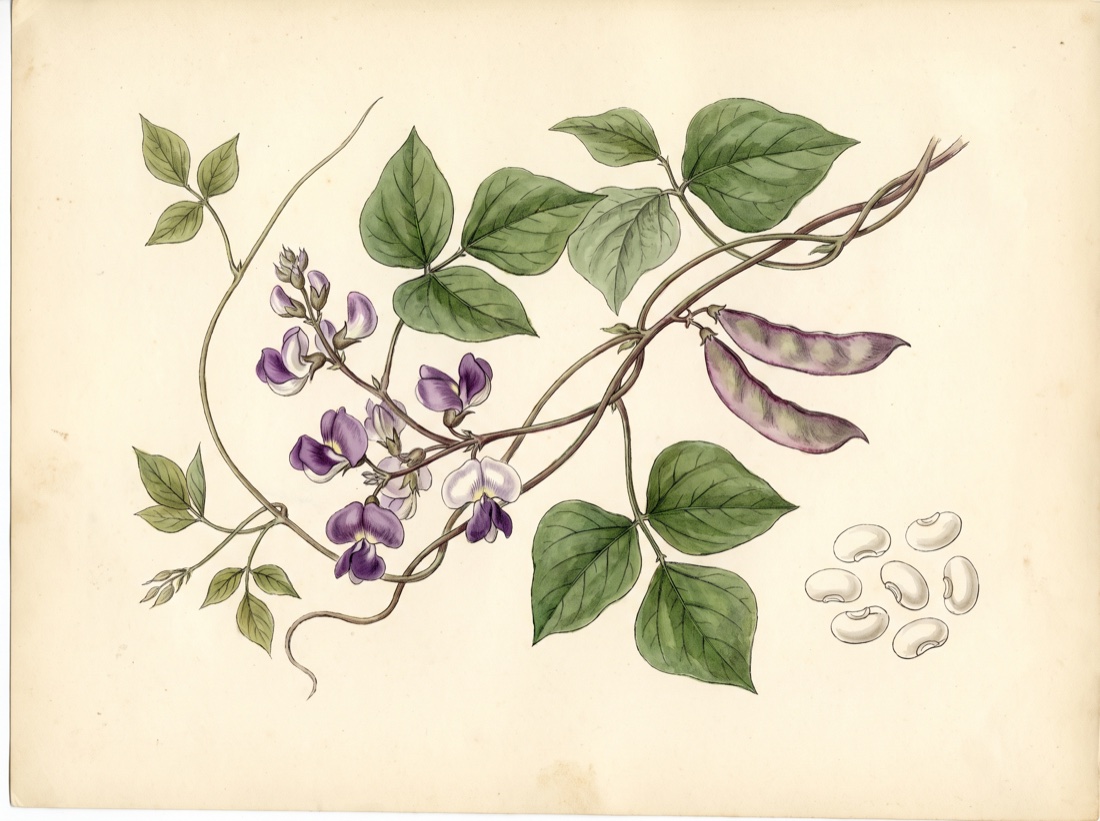
Hyacinth bean
Lablab purpureus
Also known as lablab bean, white hyacinth bean (the drug), dolichos bean, Egyptian bean, bonavist bean, Indian bean, bai bian dou, bái biǎn dòu, biǎn dòu huā, biǎn dòu yī.
The hyacinth bean is a vigorous climbing legume with purple or white flowers and flat pods, grown across Asia and Africa as a vegetable and pulse. The Chinese drug is the ripe white-seeded form, harvested in autumn; the flower and seed coat are used separately. It sits with the qi tonics as a mild, food-like Spleen strengthener that also transforms dampness, and it treats summer heat when damp and digestive upset dominate.

Ask Herbert about Hyacinth bean. Herbert is the master herbalist inside Bountiful Herbs: he answers from this plate and eleven hundred others, with dosing, pairing and cautions. Your first ten questions are free.
Ask HerbertActions
Indications what the tradition reached for it in
- Chronic loose stools and diarrhea from Spleen deficiency
- Poor appetite, fatigue and bloating after meals
- Summer heat with vomiting and diarrhea (summer gastroenteritis)
- Nausea and abdominal fullness in hot, humid weather
- Leukorrhea (white vaginal discharge) from Spleen deficiency with dampness
- Convalescent weakness with a poor digestion
- Childhood digestive weakness with pale stools and thin build
- Chronic diarrhea in the elderly
- Damp turbidity with a greasy tongue coating and heavy limbs
- Loss of appetite during chemotherapy as a food-grade supportive herb
Specific indications
A pale, tired patient with loose stools, a poor appetite and a swollen, tooth-marked tongue who needs the Spleen strengthened gently over weeks, often alongside white atractylodes and poria
Summer vomiting and diarrhea with thirst, sweat and a heavy head, where the flower or raw seed is combined with mosla and magnolia bark to disperse summer dampness
Safety
The record lists 7 contraindications; open the plate in the library to read them in full.
In practice
Bai bian dou is a gentle herb and its strength is patient, food-level tonification. In the classic Spleen-strengthening powder it joins ginseng, white atractylodes, poria, dioscorea and lotus seed for chronic loose stools, poor appetite and fatigue, and that formula is a reliable base for the exhausted digestion of convalescence and cancer support.
In Chinese medicine
Temperature: slightly warm. Taste: sweet. Channels: Spleen, Stomach. Actions: Strengthens the Spleen and harmonises the middle burner; Transforms dampness without drying; Relieves summer heat complicated by dampness; Stops diarrhea and vaginal discharge from Spleen deficiency; Eases vomiting and abdominal fullness from damp obstruction; Traditionally used to counter alcohol and certain food poisonings.
Dosing as the sources wrote it
| Preparation | As written | Metric |
|---|---|---|
| Decoction (pharmacopoeial range) | 9-15 g dried seed daily, crushed and cooked at least 30 minutes | 9000-15000 mg |
| Stir-fried seed (chao bian dou), decoction | 9-15 g daily | 9000-15000 mg |
| Flower (bian dou hua), decoction or infusion | 3-9 g daily | 3000-9000 mg |
| Granules (5:1 concentrate) | 1-3 g two to three times daily | 1000-3000 mg |
Doses are reproduced from the sources for practitioners and are not a recommendation for any person.
From the sources
Overview. The hyacinth bean is a vigorous climbing legume with purple or white flowers and flat pods, grown across Asia and Africa as a vegetable and pulse. The Chinese drug is the ripe white-seeded form, harvested in autumn; the flower and seed coat are used separately. It sits with the qi tonics as a mild, food-like Spleen strengthener that also transforms dampness, and it treats summer heat when damp and digestive upset dominate.
Clinical Notes. Bai bian dou is a gentle herb and its strength is patient, food-level tonification. In the classic Spleen-strengthening powder it joins ginseng, white atractylodes, poria, dioscorea and lotus seed for chronic loose stools, poor appetite and fatigue, and that formula is a reliable base for the exhausted digestion of convalescence and cancer support.
Chinese Medicine Profile. Temperature: slightly warm. Taste: sweet. Channels: Spleen, Stomach. Actions: Strengthens the Spleen and harmonises the middle burner; Transforms dampness without drying; Relieves summer heat complicated by dampness; Stops diarrhea and vaginal discharge from Spleen deficiency; Eases vomiting and abdominal fullness from damp obstruction; Traditionally used to counter alcohol and certain food poisonings.
In formulas
Hyacinth bean stands in 36 documented formulas in the library, among them ging luò yin, shí wèi xiāng rú yn, xin jià xiāng rú yìn, Léi shì ging liáng dí shu fǎ, Léi shì ging liáng di shu tàng, liù shén sǎn.
Often paired with
 Licorice rootGlycyrrhiza glabra
 PoriaWolfiporia extensa
 sacred lotusNelumbo nucifera
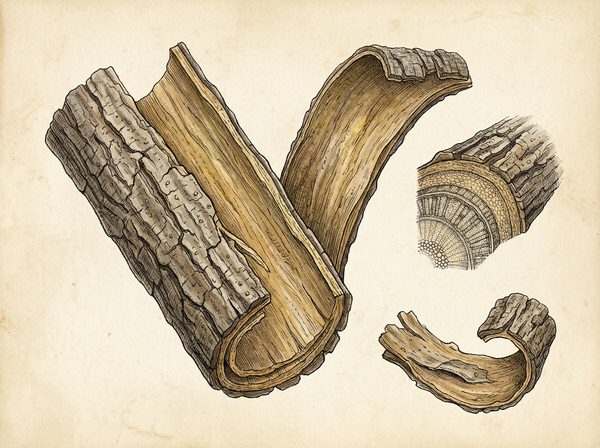 Magnolia BarkMagnolia officinalis
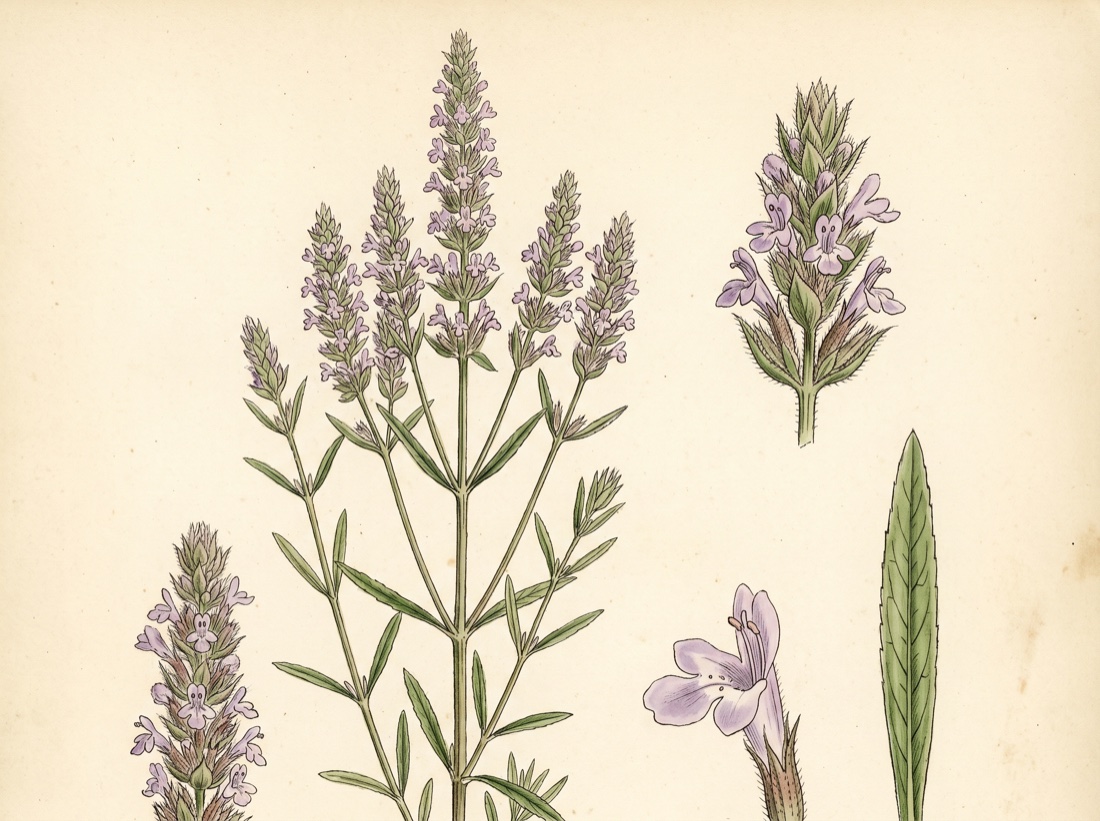 Chinese moslaMosla chinensis
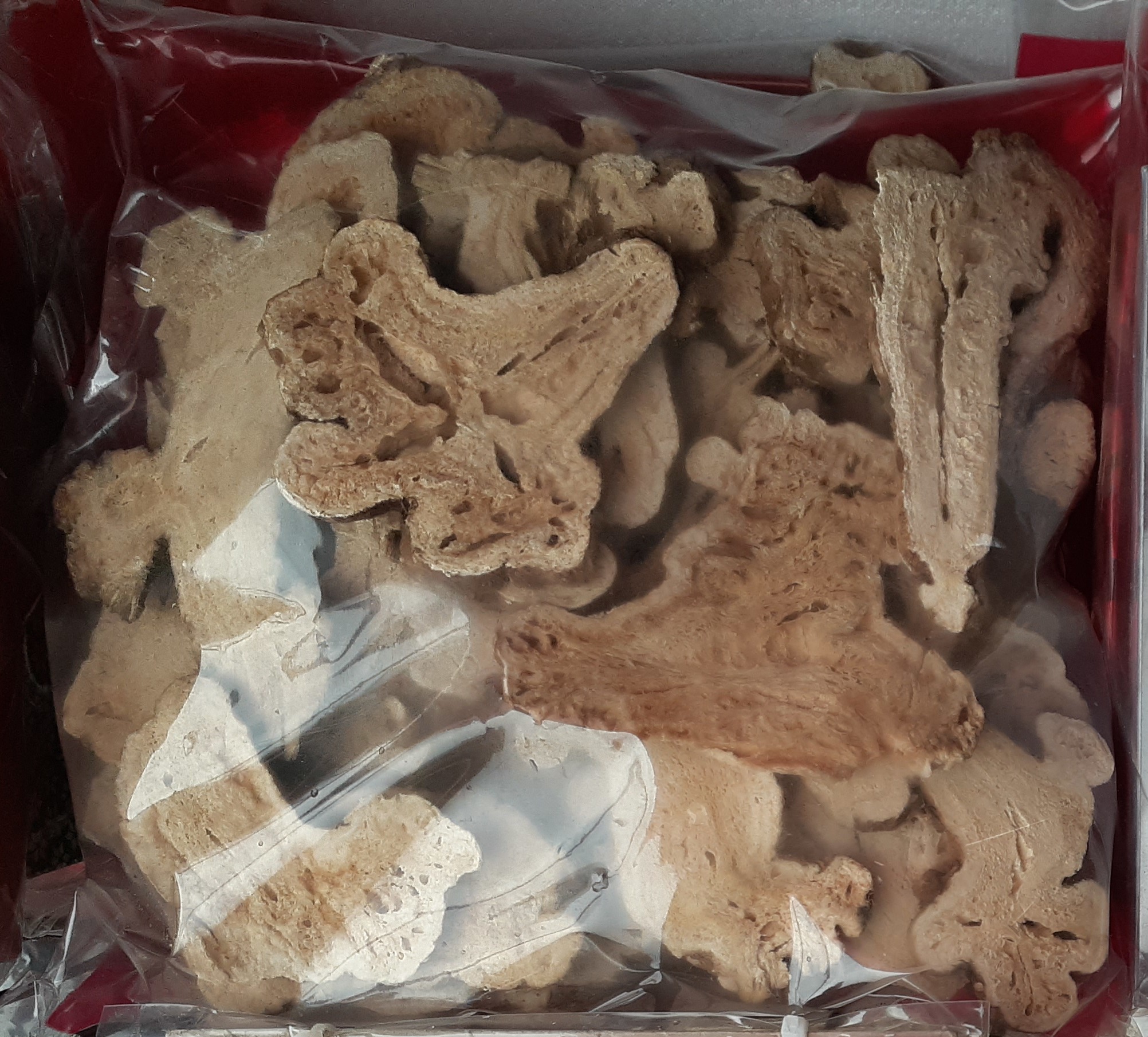 Bai ZhuAtractylodes macrocephala
Nearby on the shelf
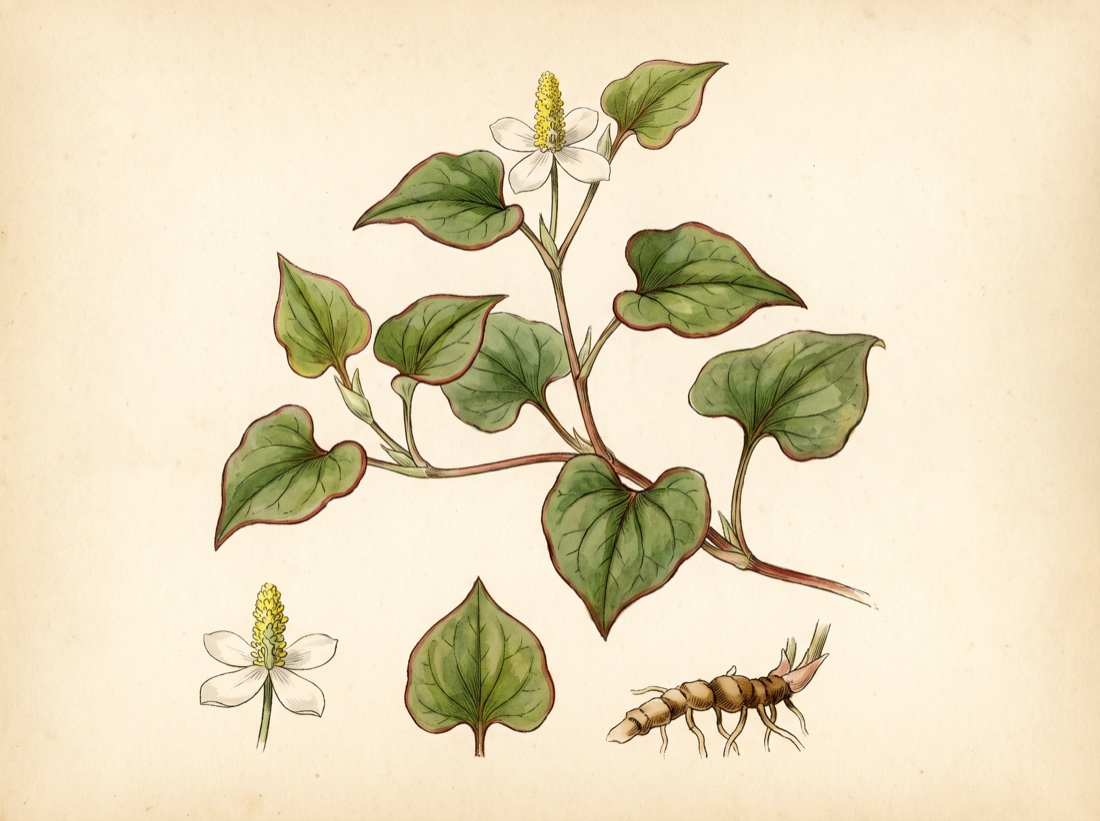 HouttuyniaHouttuynia cordata
 HriberaColeus vettiveroides
 Huang BaiPhellodendron amurense
 Huang QiAstragalus propinquus
 HygrophilaHygrophilia spinosa
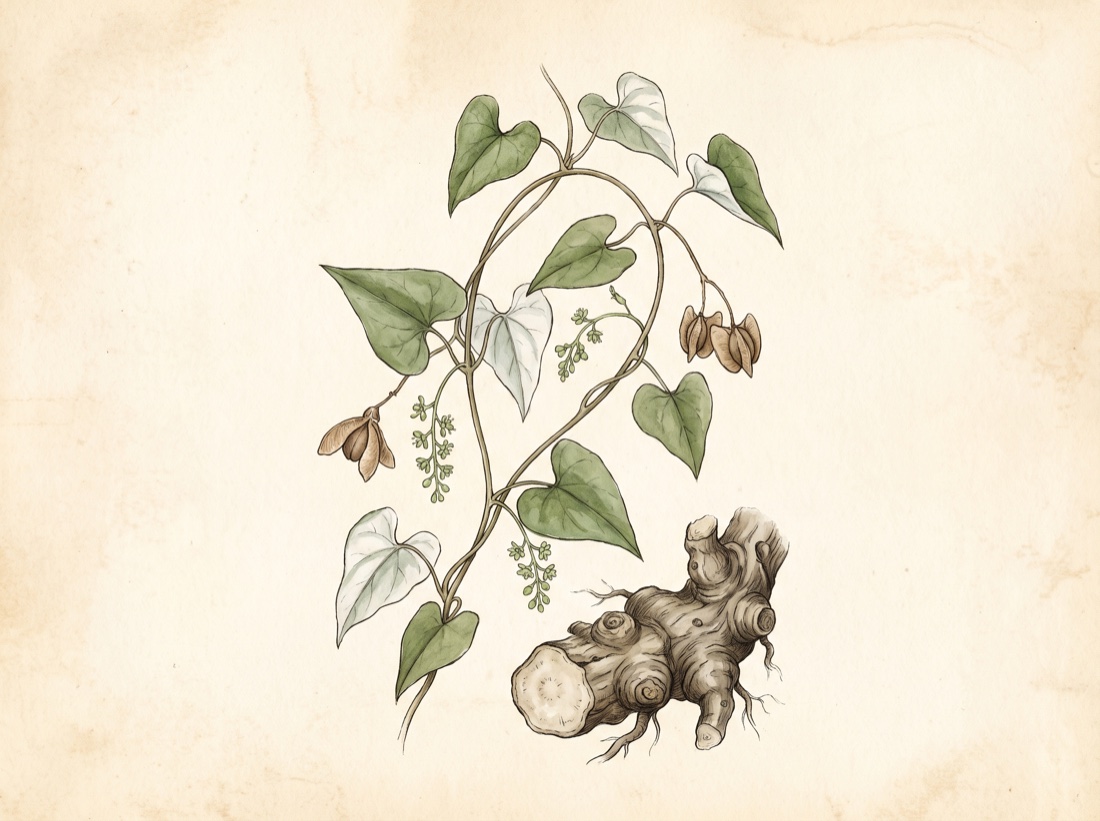 Hypoglaucous yamDioscorea hypoglauca
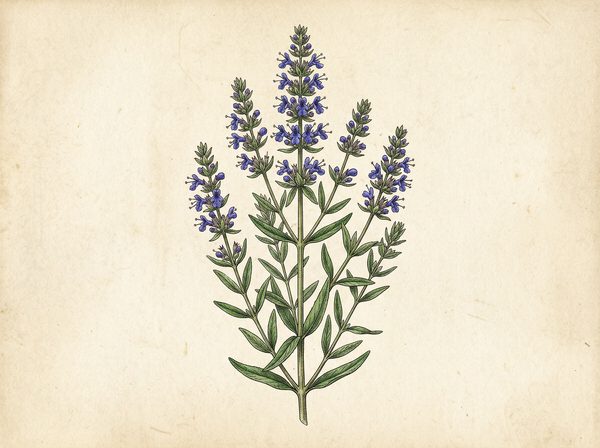 HyssopHyssopus officinalis
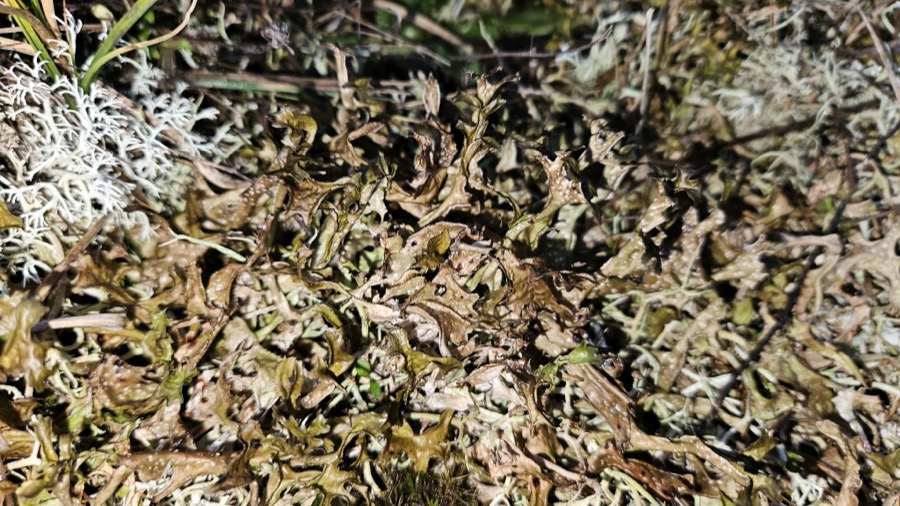 Iceland mossCetaria islandica
The whole plate is in the library. The compass, Compare, the Sky of eleven hundred plants and the formulary open with an email address and a password, free, with the formula builder and its safety engine. Herbert without limit, his formulating, clients, the handouts and the labels are the paid room.
Open the library, free