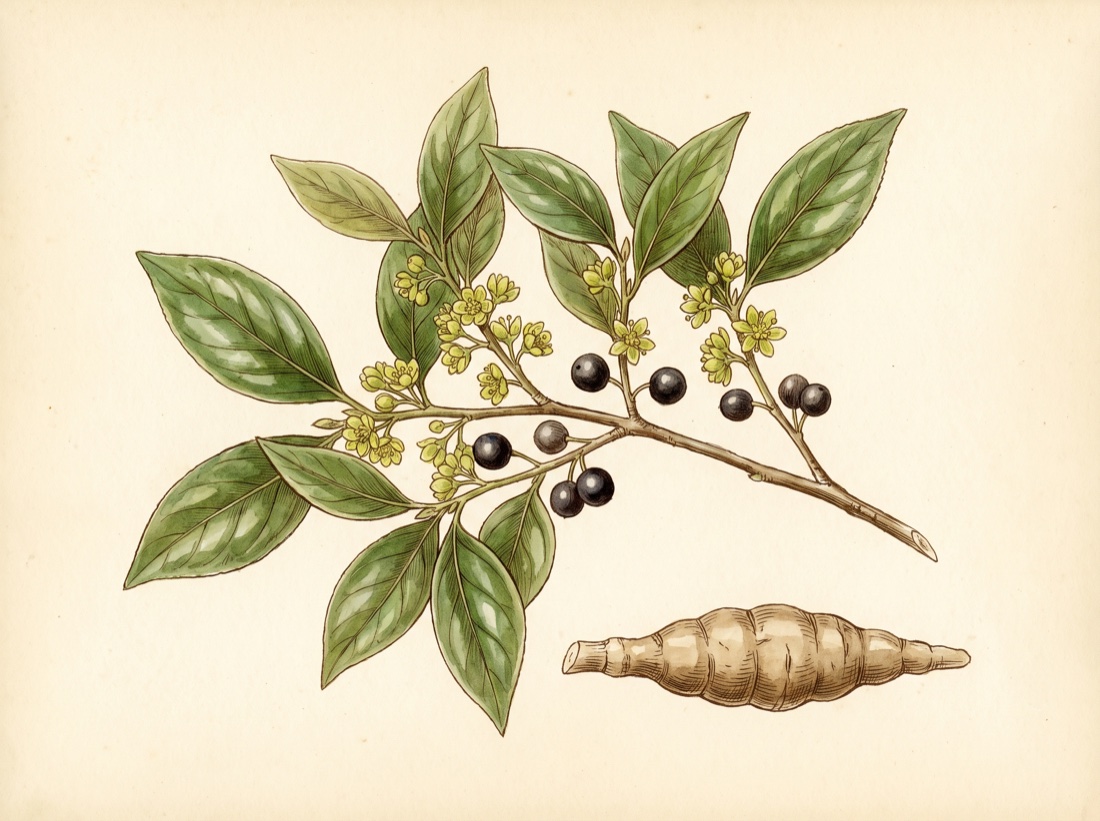
Western and Chinese herbalism
Evergreen lindera
Lindera aggregata
Also known as Japanese evergreen spicebush, lindera root, spicebush root, wu yao, Spice-Bush, Fever-bush, Wild allspice, Spicewood, wū yào, tiān tái wū yào (Tiantai material, the prized origin), wū yào yè (the leaf, used as tea).
Wu yao is the beaded root of an evergreen laurel-family shrub of southeast China, Taiwan and southern Japan; material from Tiantai in Zhejiang has been prized since the Song dynasty. The sliced root is pale, aromatic and warming. It belongs to the qi-regulating group, the specialist for cold-type pain in the abdomen and lower burner and for a cold, weak bladder; the name means 'black medicine', from the dark outer bark.

Ask Herbert about Evergreen lindera. Herbert is the master herbalist inside Bountiful Herbs: he answers from this plate and eleven hundred others, with dosing, pairing and cautions. Your first ten questions are free.
Ask HerbertActions
Indications what the tradition reached for it in
- Epigastric and abdominal distention and pain from cold and qi stagnation
- Chest oppression and pain with cold qi stagnation
- Hernial pain and pain radiating to the testicles
- Dysmenorrhea with cold and qi stagnation
- Frequent urination and nocturia from kidney deficiency cold
- Enuresis in children and the elderly of the cold type
- Cold-type dyspnea and wheezing with chest oppression (in formula)
- Bloating and belching after cold food
- Rheumatoid arthritis (preclinical support for the alkaloids)
Specific indications
Cramping lower abdominal or groin pain that comes with cold and stress, eases with warmth and pressure, and sits in a patient with a pale tongue and cold hands
An elderly man or a child who passes clear, frequent urine and wets at night, feels cold, and has no sign of infection or damp-heat
Safety
The record lists 6 contraindications; open the plate in the library to read them in full.
In practice
Think of wu yao when pain is cramping, cold and moves with qi: abdominal pain that clenches with stress and cold, hernia or testicular pain, and cold dysmenorrhea. It is the heart of Tian Tai Wu Yao San for hernial pain (with xiao hui xiang, mu xiang, chuan lian zi and gao liang jiang), of Wu Yao Tang for dysmenorrhea (with xiang fu, dang gui and mu xiang), and of Si Mo Tang for qi stagnation with chest oppression (with ren shen, bing lang and chen xiang).
In Chinese medicine
Temperature: warm. Taste: acrid. Channels: Lung, Spleen, Kidney, Bladder. Actions: Moves qi and relieves pain, particularly cold-type stagnation in the chest, epigastrium and lower abdomen; Warms the kidney and disperses cold from the lower burner, the basis for its use in frequent urination and enuresis; Warms the bladder and restrains urine when the cause is cold deficiency rather than damp-heat; Descends rebellious qi in cold-type dyspnea and belching.
Dosing as the sources wrote it
| Preparation | As written | Metric |
|---|---|---|
| Decoction | 6-10 g dried root daily | 6000-10000 mg |
| Powder or granules | 1.5-3 g daily in divided doses | 1500-3000 mg |
| Tincture (1:5, 60%) | 1-3 mL three times daily | 1-3 mL |
Doses are reproduced from the sources for practitioners and are not a recommendation for any person.
From the sources
Overview. Wu yao is the beaded root of an evergreen laurel-family shrub of southeast China, Taiwan and southern Japan; material from Tiantai in Zhejiang has been prized since the Song dynasty. The sliced root is pale, aromatic and warming. It belongs to the qi-regulating group, the specialist for cold-type pain in the abdomen and lower burner and for a cold, weak bladder; the name means 'black medicine', from the dark outer bark.
Clinical Notes. Think of wu yao when pain is cramping, cold and moves with qi: abdominal pain that clenches with stress and cold, hernia or testicular pain, and cold dysmenorrhea. It is the heart of Tian Tai Wu Yao San for hernial pain (with xiao hui xiang, mu xiang, chuan lian zi and gao liang jiang), of Wu Yao Tang for dysmenorrhea (with xiang fu, dang gui and mu xiang), and of Si Mo Tang for qi stagnation with chest oppression (with ren shen, bing lang and chen xiang).
Action, Medical Uses, and Dosage. The ancients valued bay leaves and laurel berries, using them as astringents, stimulants, and stomachics. In Europe pastry is at the present day flavored with the leaves, the belief prevailing that they render the food more easily digested.
Chinese Medicine Profile. Temperature: warm. Taste: acrid. Channels: Lung, Spleen, Kidney, Bladder. Actions: Moves qi and relieves pain, particularly cold-type stagnation in the chest, epigastrium and lower abdomen; Warms the kidney and disperses cold from the lower burner, the basis for its use in frequent urination and enuresis; Warms the bladder and restrains urine when the cause is cold deficiency rather than damp-heat; Descends rebellious qi in cold-type dyspnea and belching.
Drawn from King's American Dispensatory, 18th edition (Felter and Lloyd), and the Bountiful Herbs editorial.
In formulas
Evergreen lindera stands in 54 documented formulas in the library, among them suo quán wán, pái qì yin, sì mò tàng, tiàn tái wù yào sǎn, nuǎn gàn jiàn, jia wèi wù yào tàng.
Often paired with
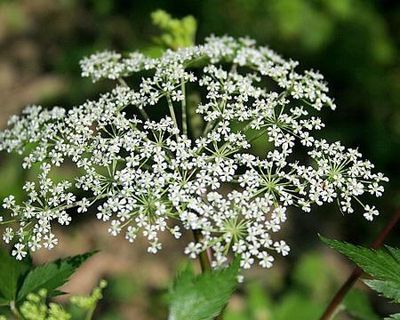 Dong QuaiAngelica sinensis
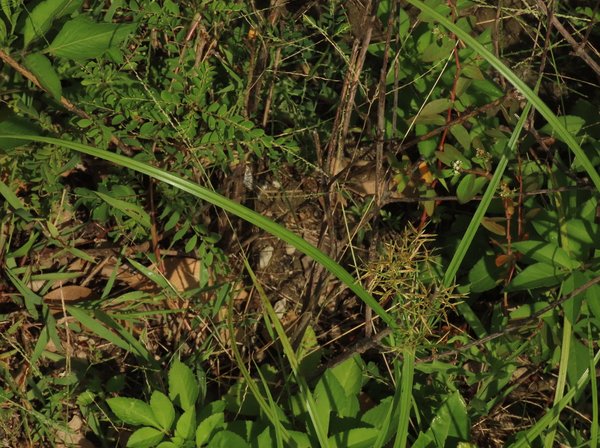 nut grassCyperus rotundus
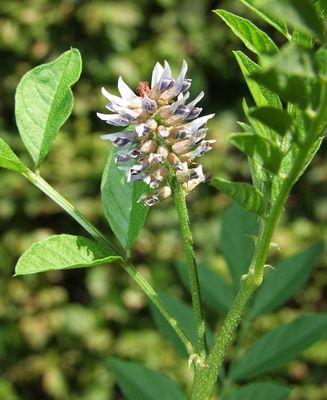 Licorice rootGlycyrrhiza glabra
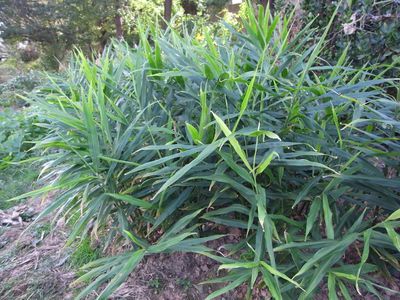 GingerZingiber officinale
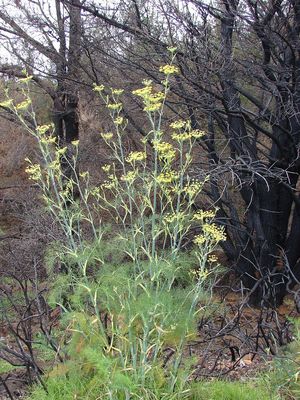 FennelFoeniculum vulgare
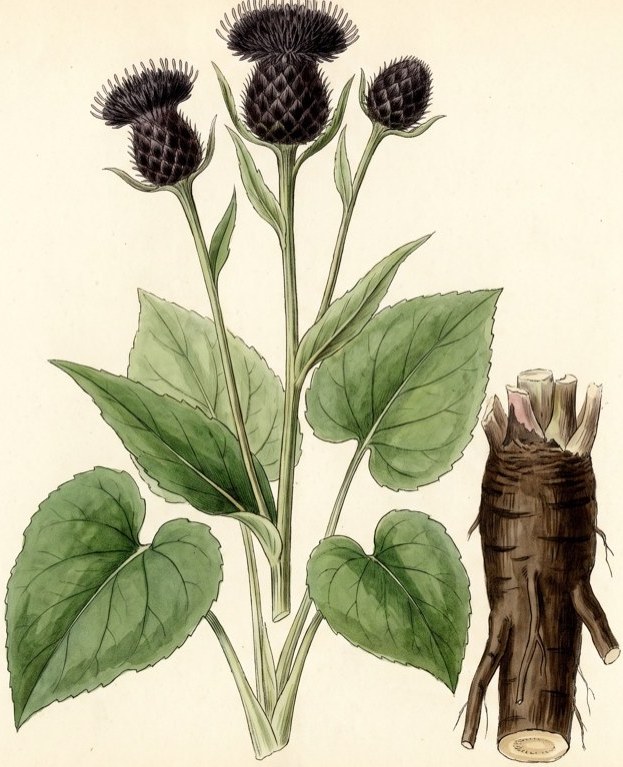 costusSaussurea costus
Nearby on the shelf
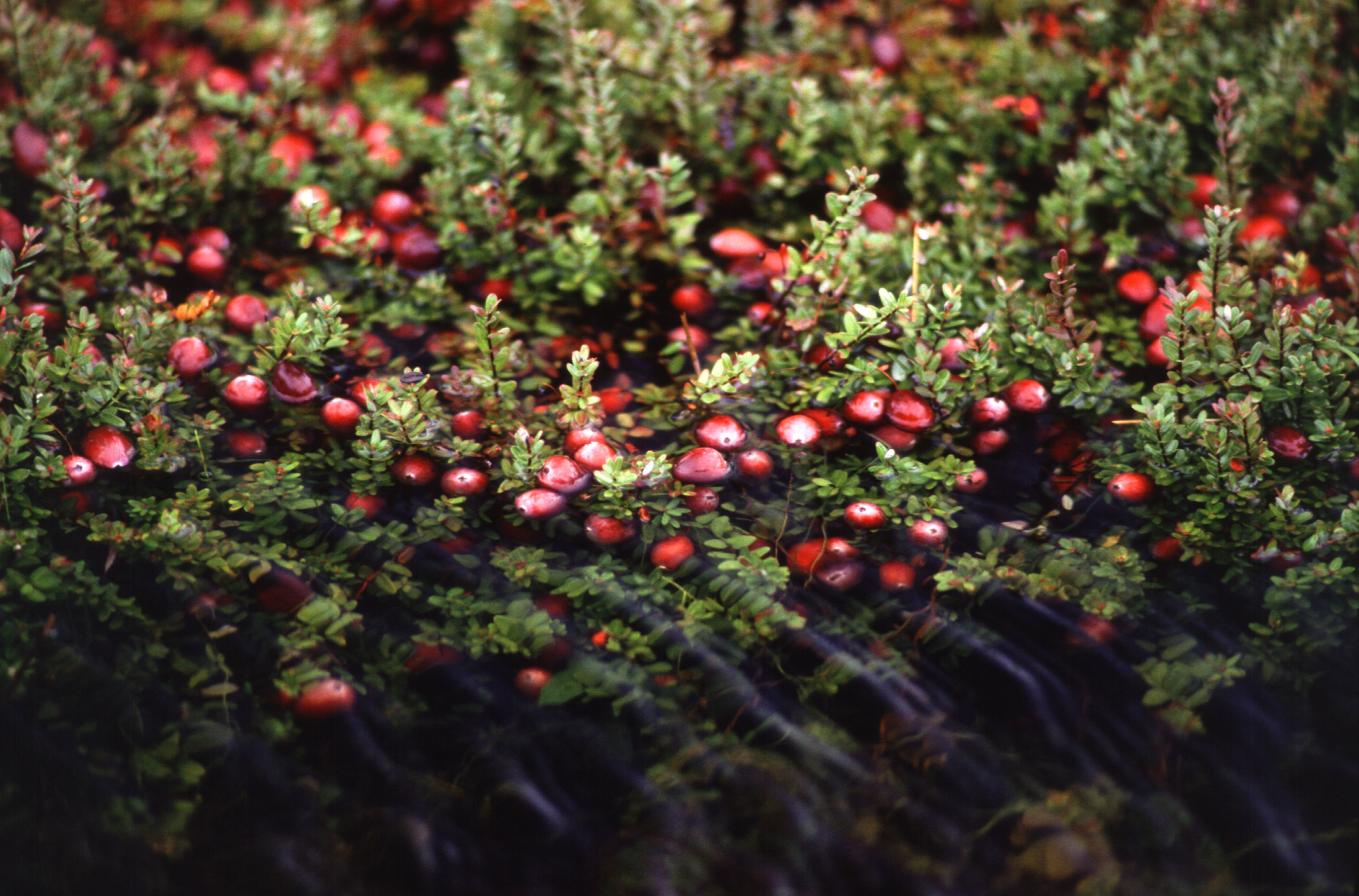 European CranberryVaccinium macrocarpon
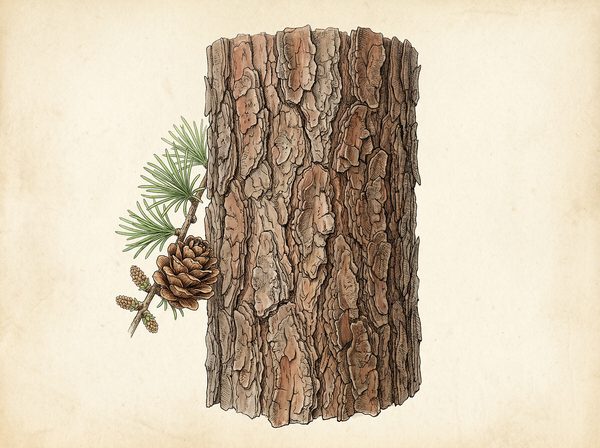 European LarchLarix decidua
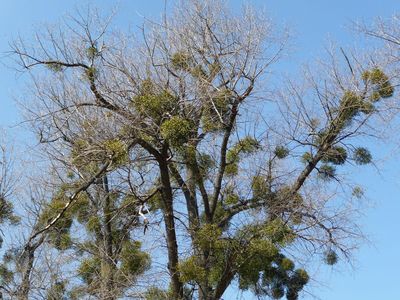 European mistletoeViscum album
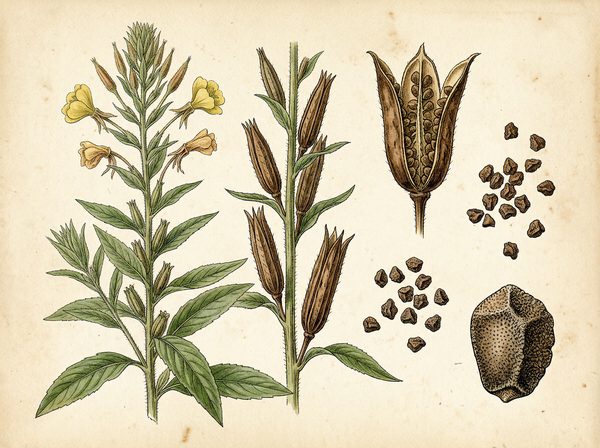 Evening PrimroseOenothera biennis
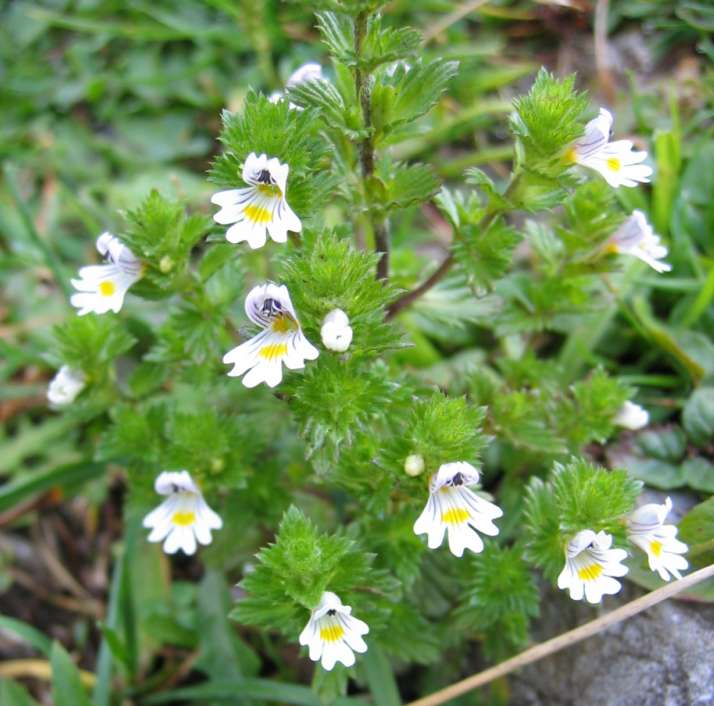 EyebrightEuphrasia stricta
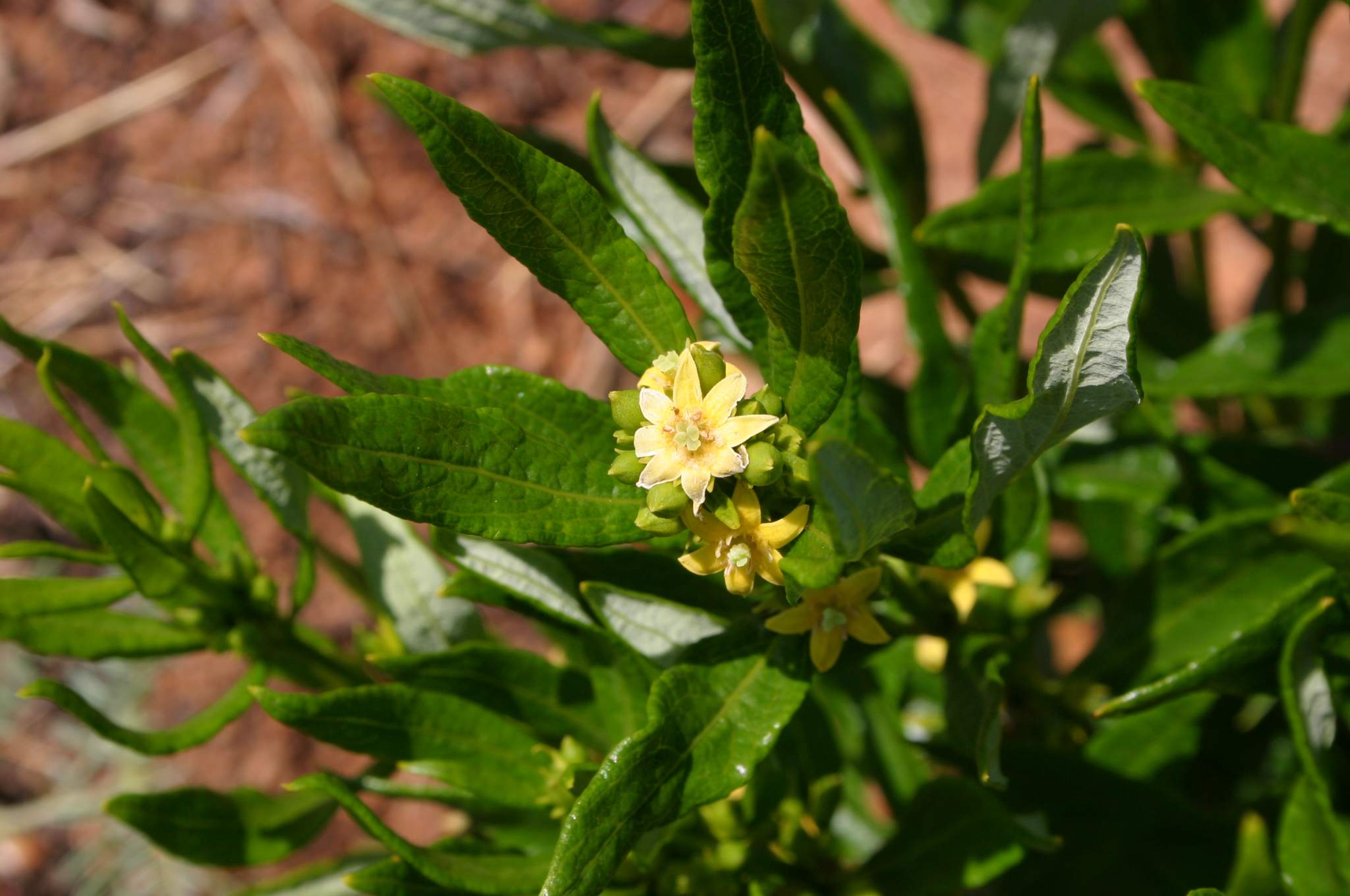 Fadogia AgrestisFadogia agrestis
 False AloeAgave Virginica
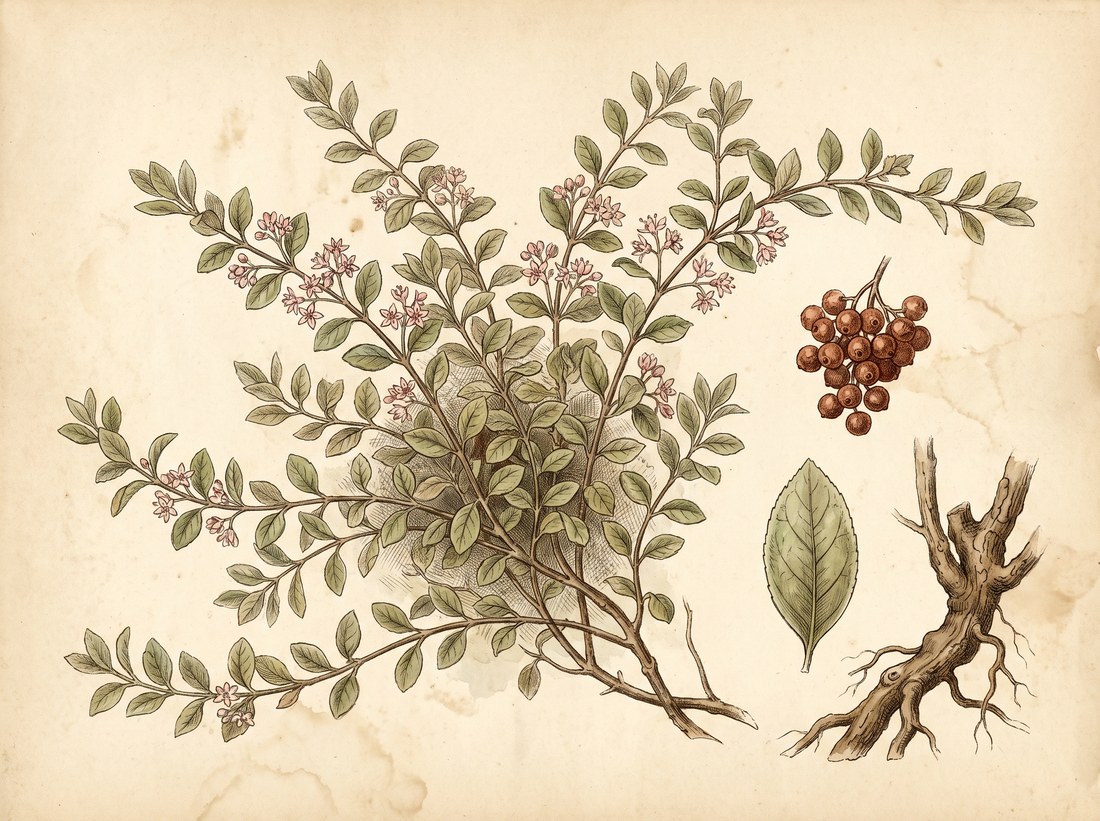 False black pepperEmbelia ribes
The whole plate is in the library. The compass, Compare, the Sky of eleven hundred plants and the formulary open with an email address and a password, free, with the formula builder and its safety engine. Herbert without limit, his formulating, clients, the handouts and the labels are the paid room.
Open the library, free