Western Herbalism
Ignatia
Ignatia
Also known as Bean of St. Ignatius, St. Ignatius bean, Faba Ignatii, Semen Ignatiae, St, Bean of St. Ignatius; Faba Ignatii.
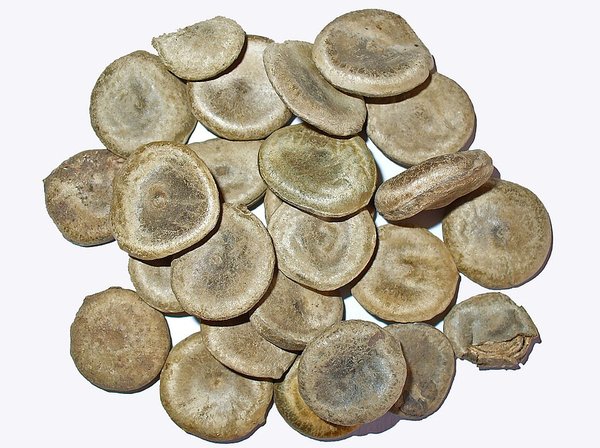
Ignatia is the seed of Strychnos ignatii, a woody climbing vine native to the Philippines and parts of Southeast Asia, historically traded as the Bean of St. Ignatius. Nineteenth century eclectic physicians used small, carefully measured doses of the crude seed alongside its better known relative nux vomica, valuing it for what they described as a more marked action on the emotional and nervous system. Because the seed contains substantial amounts of strychnine and brucine, its use in mainstream herbal practice has essentially disappeared, and today ignatia survives almost entirely as a homeopathic remedy prepared in potentized dilutions rather than as a crude botanical medicine.

Ask Herbert about Ignatia. Herbert is the master herbalist inside Bountiful Herbs: he answers from this plate and eleven hundred others, with dosing, pairing and cautions. Your first ten questions are free.
Ask HerbertActions
Indications what the tradition reached for it in
- Nervous exhaustion with grief or emotional suppression
- Atonic dyspepsia
- Tension headache
- Hysterical or hypochondriacal states (historical terminology)
- Muscular twitching of face and eyelids
- Dysmenorrhea with cramping pain
- Sexual frigidity attributed to nervous debility (historical)
- Cold extremities with burning soles
Specific indications
Grief or suppressed emotion with a sensation of a lump in the throat and sighing
Twitching of the eyelids or facial muscles with generalized nervous fatigue
Atony and nervous debility; (see also below.)
Safety
Recognised toxicity. This plant carries a toxicity flag in the record; it is for trained practitioners only.
Low dose botanical. Used in drop doses in the classical practice; not a plant to dose freely.
Pregnancy: Avoid entirely: the seed's strychnine and brucine content is a known convulsant and there is no safety margin established for pregnancy.
Breastfeeding: Avoid entirely: no safety data exist and the alkaloid content poses an unacceptable risk to a nursing infant.
The record lists 5 contraindications; open the plate in the library to read them in full.
In practice
Eclectic writers distinguished ignatia from nux vomica mainly by its perceived focus on the emotional life, describing it as suited to people who had suppressed grief, sighed frequently, and showed a paradoxical mix of muscular twitching with generalized debility.
Dosing as the sources wrote it
| Preparation | As written | Metric |
|---|---|---|
| Homeopathic dilution (practitioner use only) | 6C to 30C, as professionally indicated | |
| Crude seed or tincture | not recommended; obsolete due to unpredictable strychnine and brucine content | |
| Dose, 1 to 2 grains. | 64.8-130 mg | |
| The preparation mostly employed in our school is specific ignatia, of which from 5 to 10 drops should be added to 4 fluid ounces of water, and the solution be administered in teaspoonful doses every 2 or 3 hours. | 0.25-0.5 mL | |
| Atonic visual asthenopia and catarrhal conjunctivitis, with palpebral twitchings and a sensation as of dust in the member, are relieved by doses of 1/10 to ⅙ drop of specific ignatia, while ⅕-drop doses have proved useful in the tinnitus and impaired hearing depending upon general atony of the system (Foltz). | 0-0 mL | |
| ignatia | The dose of ignatia (powdered) may range from 1/10 to ½ grain | 6.48-32.4 mg |
Doses are reproduced from the sources for practitioners and are not a recommendation for any person.
From the sources
Overview. Ignatia is the seed of Strychnos ignatii, a woody climbing vine native to the Philippines and parts of Southeast Asia, historically traded as the Bean of St. Ignatius. Nineteenth century eclectic physicians used small, carefully measured doses of the crude seed alongside its better known relative nux vomica, valuing it for what they described as a more marked action on the emotional and nervous system. Because the seed contains substantial amounts of strychnine and brucine, its use in mainstream herbal practice has essentially disappeared, and today ignatia survives almost entirely as a homeopathic remedy prepared in potentized dilutions rather than as a crude botanical medicine.
Clinical Notes. Eclectic writers distinguished ignatia from nux vomica mainly by its perceived focus on the emotional life, describing it as suited to people who had suppressed grief, sighed frequently, and showed a paradoxical mix of muscular twitching with generalized debility.
Action and Therapy. Ignatia acts very much like nux vomica and may be used in conditions similar to those benefited by it. As it contains a considerable amount of brucine, it is thought to have a distinctive field in medicine.
Drawn from King's American Dispensatory, 18th edition (Felter and Lloyd); Felter's Eclectic Materia Medica, Pharmacology and Therapeutics, and the Bountiful Herbs editorial.
Often paired with
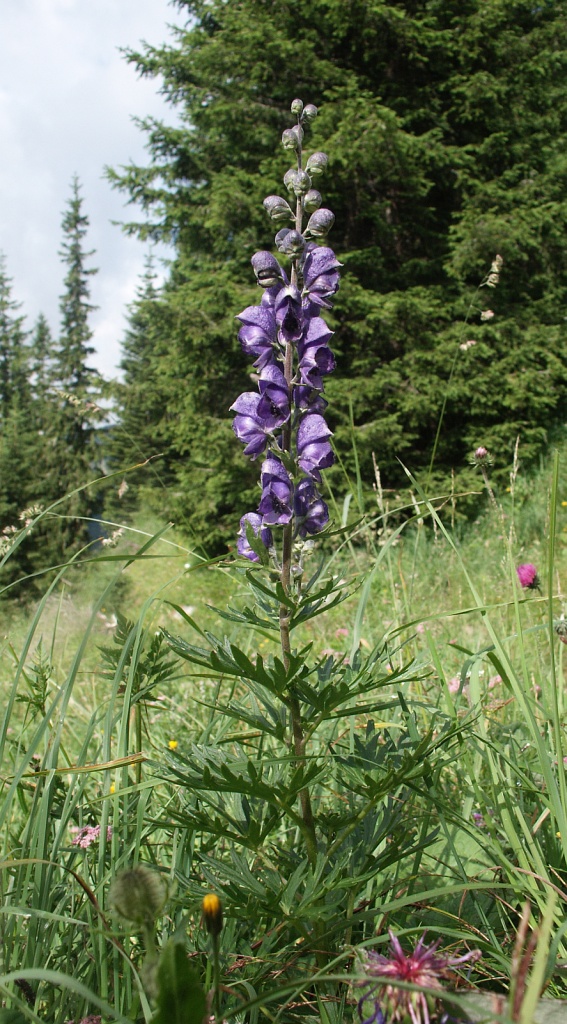 Indian aconiteAconitum ferox
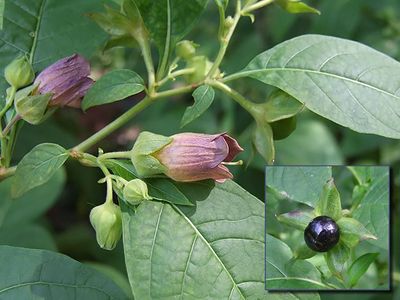 Deadly nightshadeAtropa belladonna
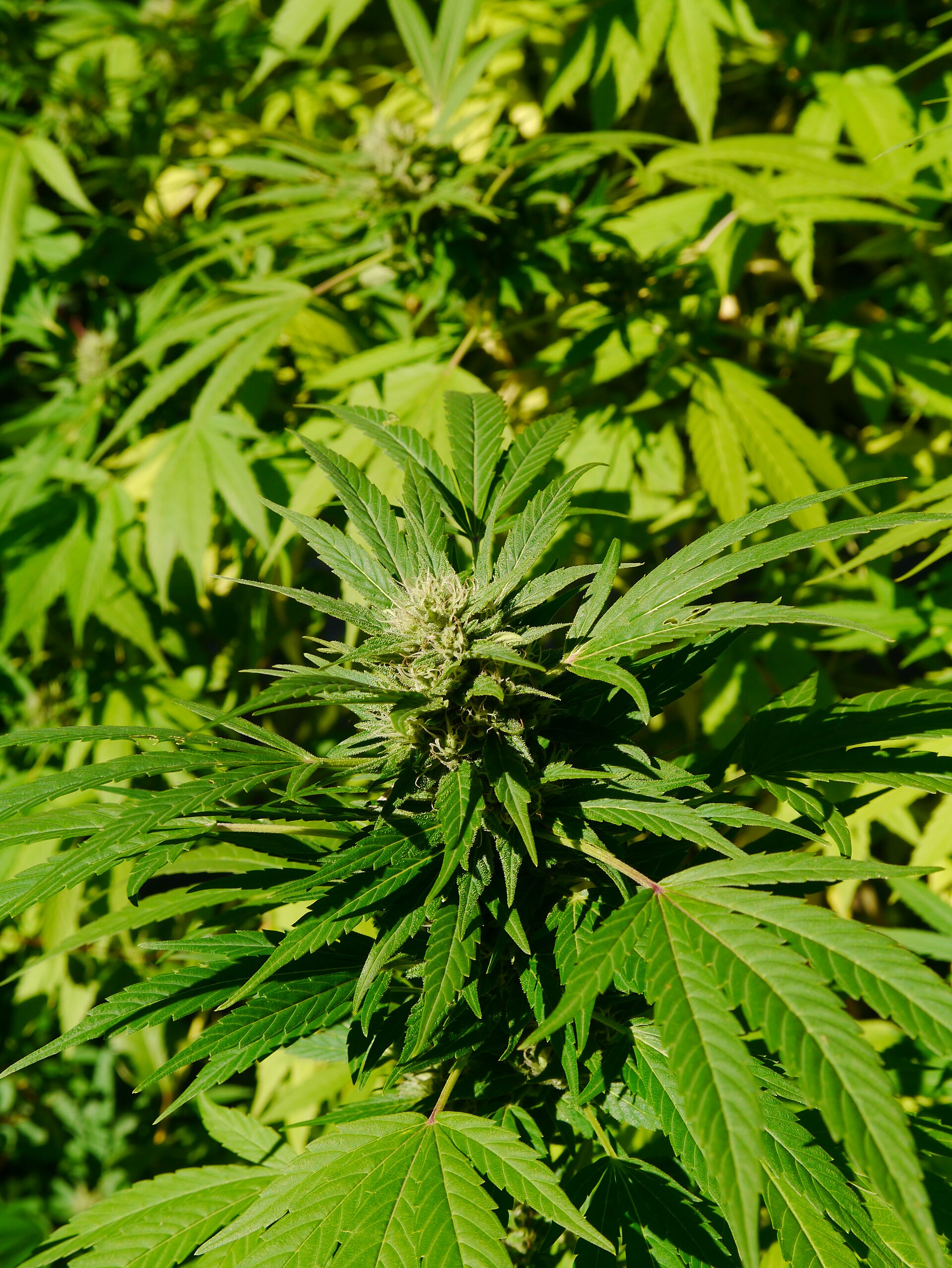 MarijuanaCannabis sativa
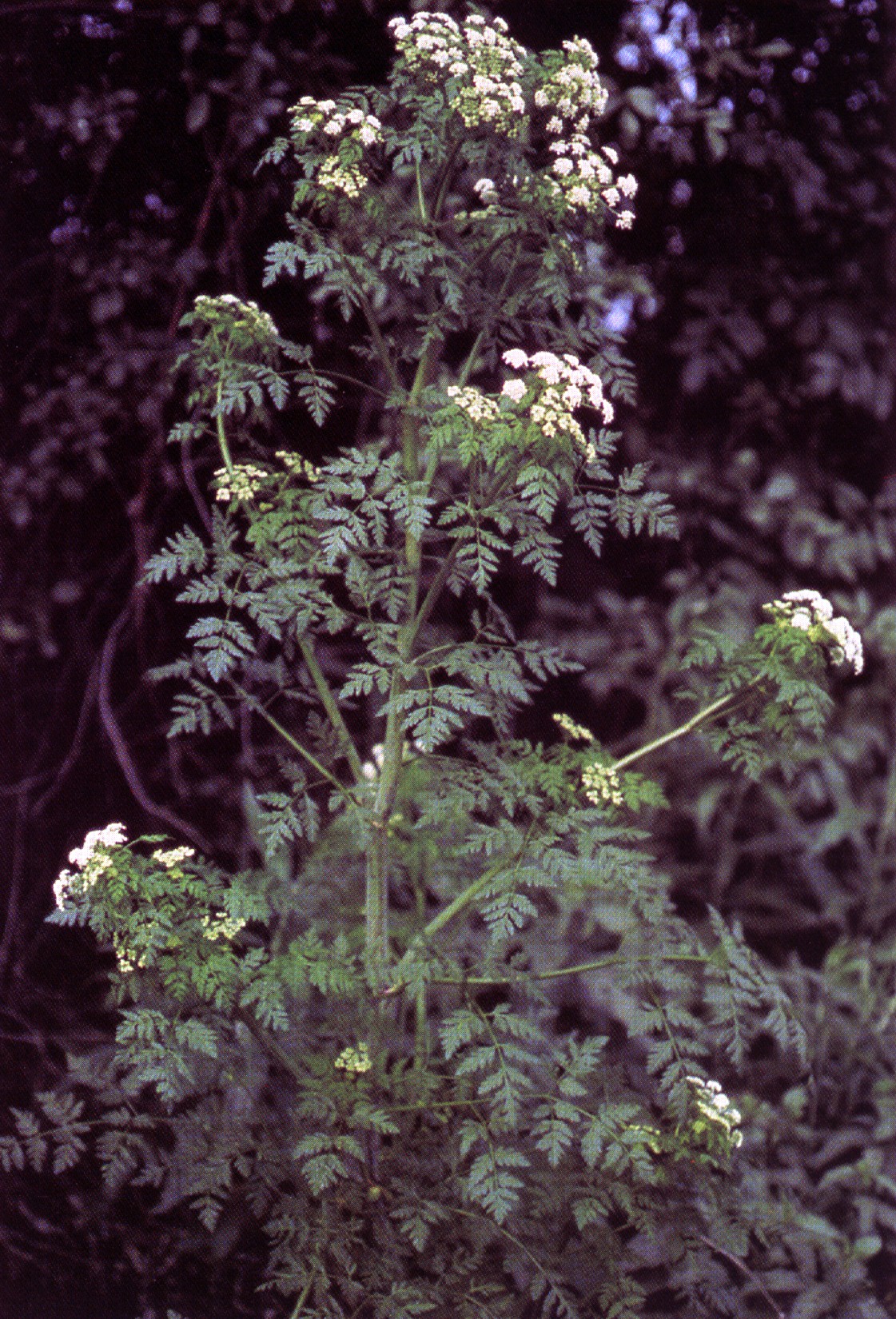 Poison HemlockConium maculatum
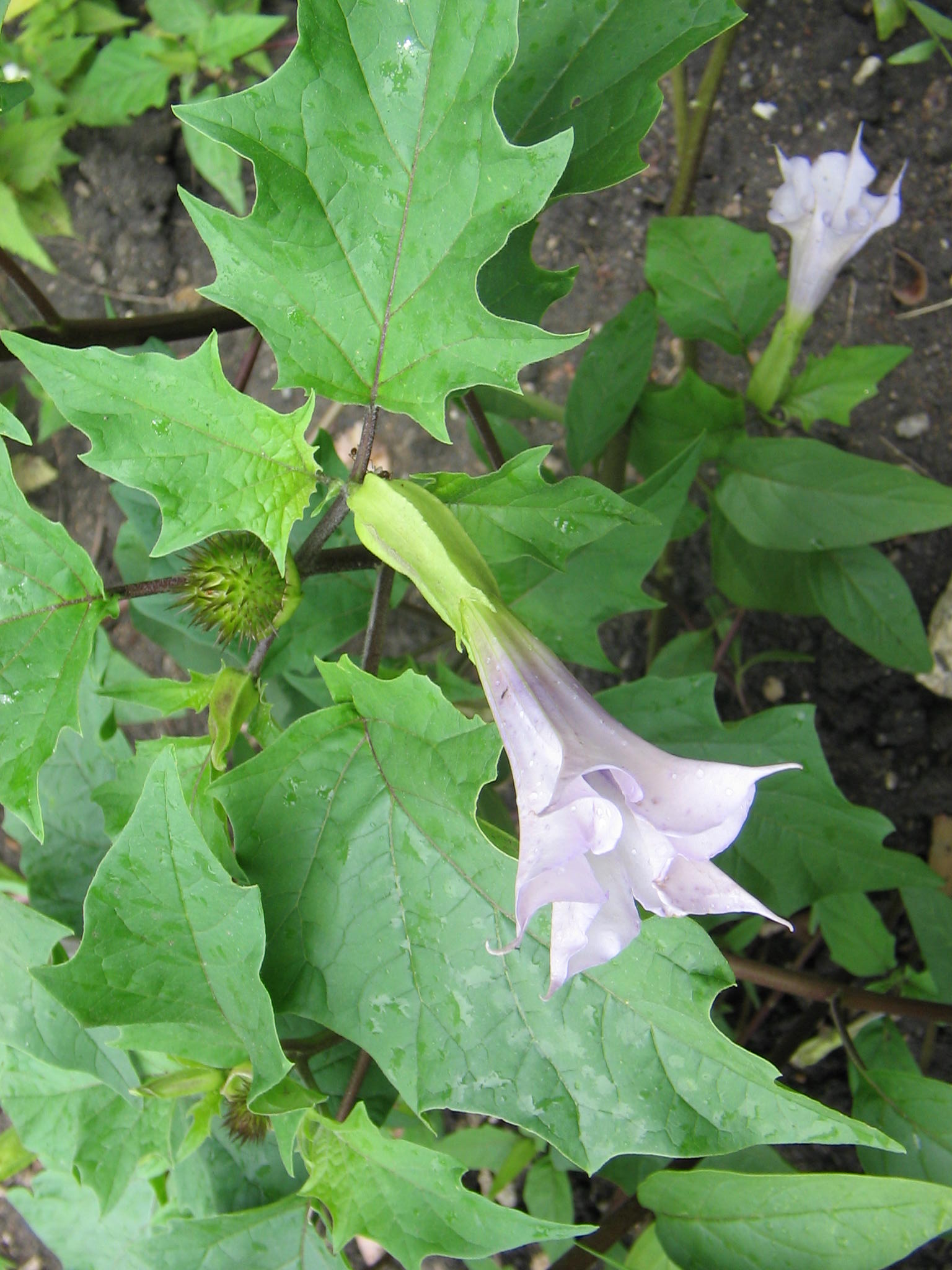 Jimson weedDatura stramonium
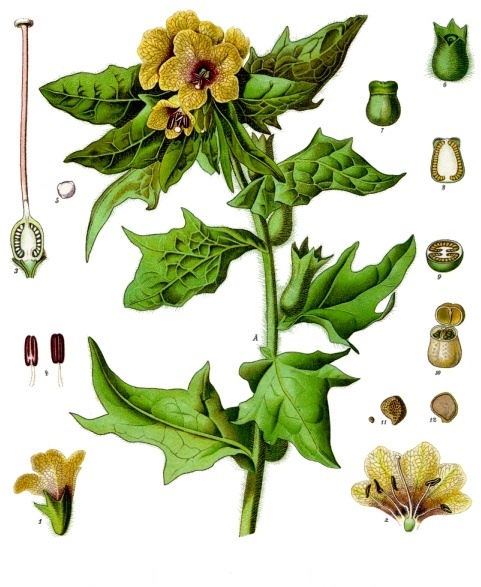 HenbaneHyoscyamus niger
Nearby on the shelf
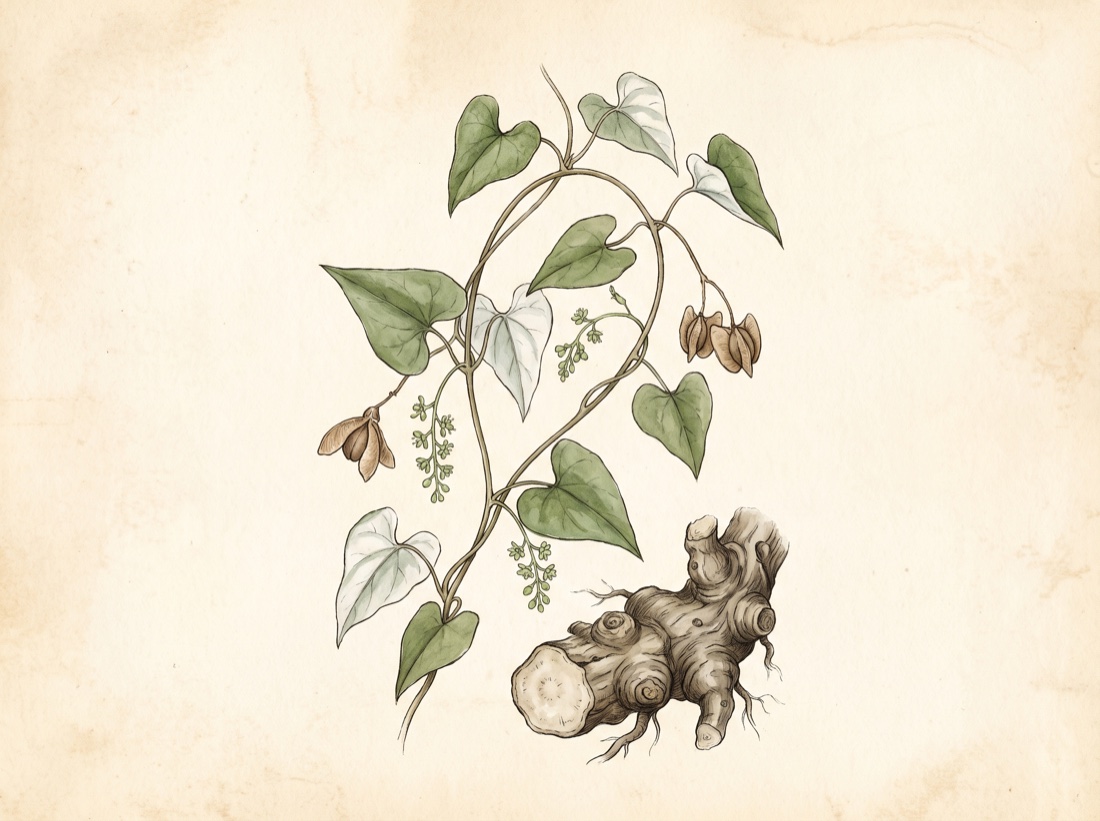 Hypoglaucous yamDioscorea hypoglauca
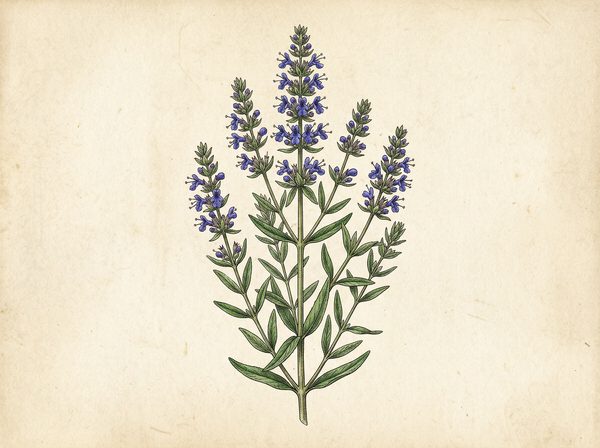 HyssopHyssopus officinalis
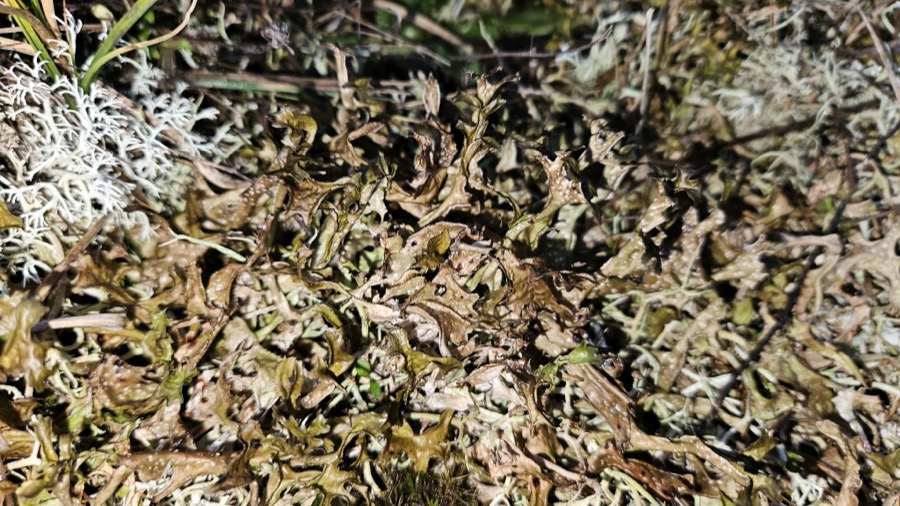 Iceland mossCetaria islandica
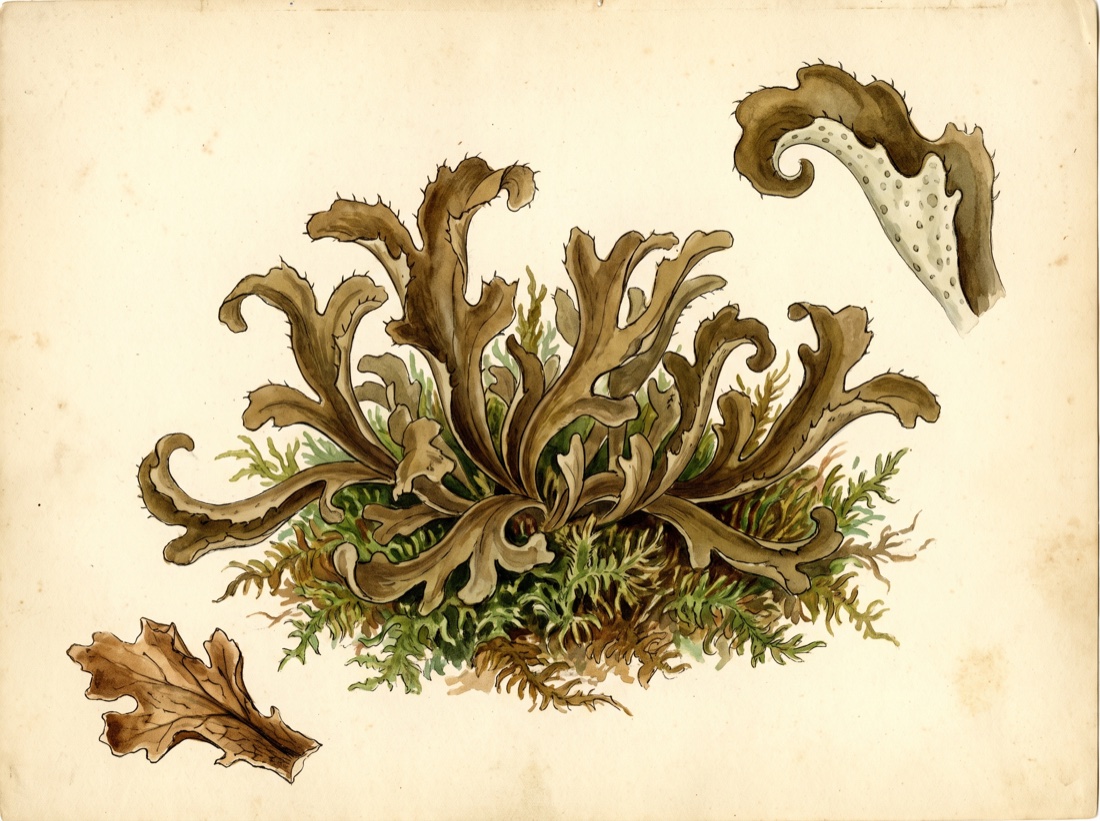 Iceland mossCetraria
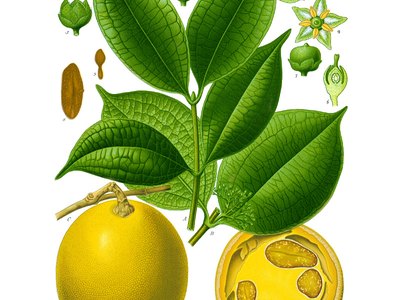 Ignatia AmaraStrychnos ignatia
 ImmortelleHelichrysum italicum
 India-RubberElastica
The whole plate is in the library. The compass, Compare, the Sky of eleven hundred plants and the formulary open with an email address and a password, free, with the formula builder and its safety engine. Herbert without limit, his formulating, clients, the handouts and the labels are the paid room.
Open the library, free