Western and Ayurvedic herbalism
Hygrophila
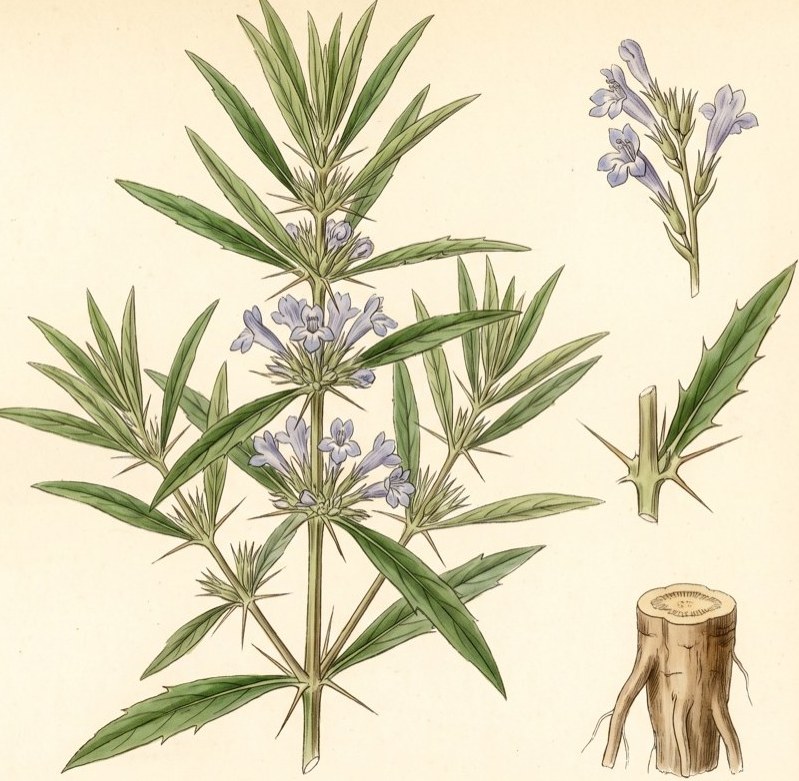
Hygrophilia spinosa
Also known as marsh barbel, spiny hygrophila, Hygrophilia, kokilaksha, talmakhana, long-leaved barleria, Kokilaksha, Ikshura, Ikshugandha.
Hygrophila is a spiny, marsh-loving annual of the Acanthaceae family, native to the wetlands of India, Sri Lanka, and other parts of tropical Asia. The seeds, root, and whole plant are used in Ayurvedic medicine under the names Kokilaksha and Talmakhana, chiefly as a diuretic and restorative tonic. Nineteenth century American Eclectic physicians took note of its reputation among Ceylonese practitioners as a powerful remedy for dropsy and adopted it, though on the whole cautiously and with limited firsthand experience.

Ask Herbert about Hygrophila. Herbert is the master herbalist inside Bountiful Herbs: he answers from this plate and eleven hundred others, with dosing, pairing and cautions. Your first ten questions are free.
Ask HerbertActions
Indications what the tradition reached for it in
- Edema and dropsical states
- Ascites
- Dysuria and scanty urination
- Urinary tract infection
- Jaundice and hepatitis
- Rheumatic and joint pain
- Anemia and general debility
- Low libido or seminal weakness
- Gouty conditions
- Chronic liver congestion
- Male sexual debility with low seminal volume and premature ejaculation
- Burning, painful urination and cystitis
- Small urinary stones and gravel
- Edema of hepatic or renal origin (traditional)
- Gout and inflammatory arthritis with heat
- Iron deficiency anemia (leaf as vegetable)
- Jaundice and hepatic congestion (traditional)
- Dryness and heat in a depleted vata-pitta patient
- Diabetes with urinary burning (adjunct)
- Convalescence with weakness and low libido
Specific indications
Scanty, painful urination with generalized edema in a person of low vitality
Low libido or seminal weakness with underlying dampness and fatigue
Safety
Pregnancy: Avoid in pregnancy given its traditional use to stimulate the reproductive system and lack of modern safety data.
Breastfeeding: Insufficient safety data during lactation, so avoid or use only under experienced supervision.
The record lists 5 contraindications; open the plate in the library to read them in full.
In practice
This is a plant best reached for when a patient presents with fluid retention, whether generalized edema, ascites of hepatic origin, or scanty and uncomfortable urination, especially where there is an underlying picture of depleted vitality rather than acute inflammation alone.
In Ayurveda
Rasa: Madhura (sweet), Tikta (bitter). Virya: Sheeta (cooling). Vipaka: Madhura. Dosha: Pacifies Pitta and Kapha, may aggravate Vata if used to excess.
Dosing as the sources wrote it
| Preparation | As written | Metric |
|---|---|---|
| Seed powder | 3-6 g twice daily with warm water or milk | 3000-6000 mg |
| Whole plant decoction | 20-40 g dried plant simmered in 200-400 mL water, taken in divided doses over 24 hours | 20000-40000 mg |
| Tincture (1:5, 40%) | 2-4 mL three times daily | 2-4 mL |
| Churna | 3-6 g powdered seed twice daily with warm milk | 3000-6000 mg |
| Kwatha | 50-100 mL whole plant or root decoction twice daily | 50-100 mL |
| Swarasa | 10-20 mL fresh leaf juice daily | 10-20 mL |
Doses are reproduced from the sources for practitioners and are not a recommendation for any person.
From the sources
Overview. Hygrophila is a spiny, marsh-loving annual of the Acanthaceae family, native to the wetlands of India, Sri Lanka, and other parts of tropical Asia. The seeds, root, and whole plant are used in Ayurvedic medicine under the names Kokilaksha and Talmakhana, chiefly as a diuretic and restorative tonic. Nineteenth century American Eclectic physicians took note of its reputation among Ceylonese practitioners as a powerful remedy for dropsy and adopted it, though on the whole cautiously and with limited firsthand experience.
Overview. Hygrophila auriculata, known in the older literature and in this store as Hygrophila spinosa and Asteracantha longifolia, is a spiny marsh herb of the acanthus family with whorls of long leaves, sharp yellow spines and purple flowers, growing in rice fields, ditches and the margins of ponds across India, Sri Lanka and Southeast Asia. Ayurveda calls it Kokilaksha, the cuckoo's eye, after the color of its seed, and uses the seed as a cooling aphrodisiac and reproductive tonic and the root and whole plant as a diuretic for stones, edema and jaundice. The leaf is a folk remedy for anemia in eastern India, eaten as a green.
Clinical Notes. This is a plant best reached for when a patient presents with fluid retention, whether generalized edema, ascites of hepatic origin, or scanty and uncomfortable urination, especially where there is an underlying picture of depleted vitality rather than acute inflammation alone.
Clinical Notes. Kokilaksha sits in the same working group as Gokshura and Shatavari: cooling, moistening, diuretic and strengthening to the reproductive tissue. The Ayurvedic physician chooses it for the pitta-vata man with sexual debility and urinary heat, giving the seed powder in warm milk with sugar or as part of a vrishya confection, and combines it with Gokshura, Shatavari, Kapikacchu and Vidari for potency, with Punarnava and Gokshura for edema and stones, with Guduchi and Manjishtha for vatarakta, and with Bhumyamalaki for jaundice.
Drawn from Ellingwood's American Materia Medica, Therapeutics and Pharmacognosy, and the Bountiful Herbs editorial.
In formulas
Hygrophila stands in 2 documented formulas in the library, among them Vastyāmayāntaka Ghṛta, Yakṛt Śūlavināśinī Vaṭikā.
Often paired with
 Ceylon leadwortPlumbago zeylanica
 Indian beechPongamia pinnata
 ajwainTrachyspermum ammi
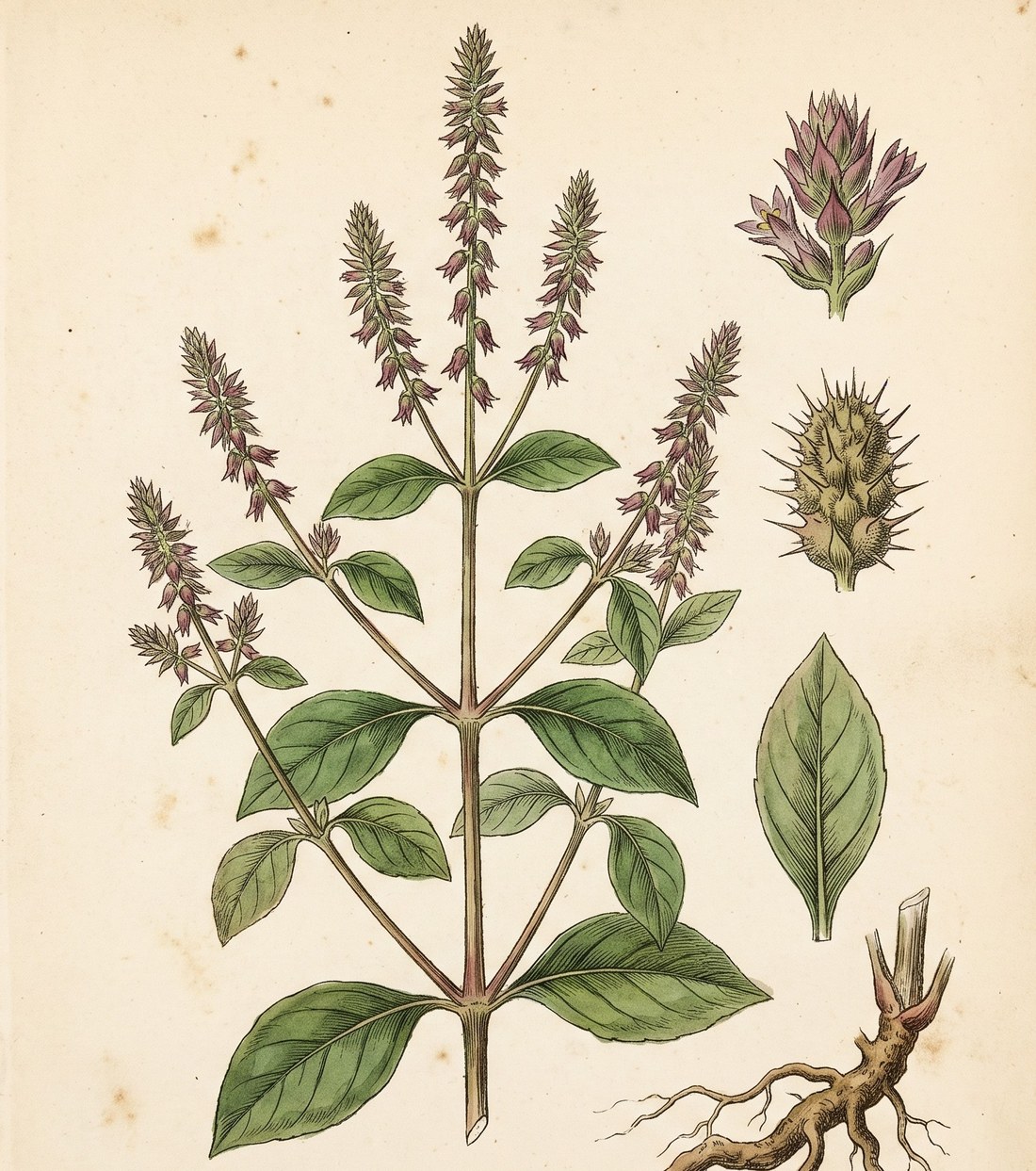 prickly chaff flowerAchyranthes aspera
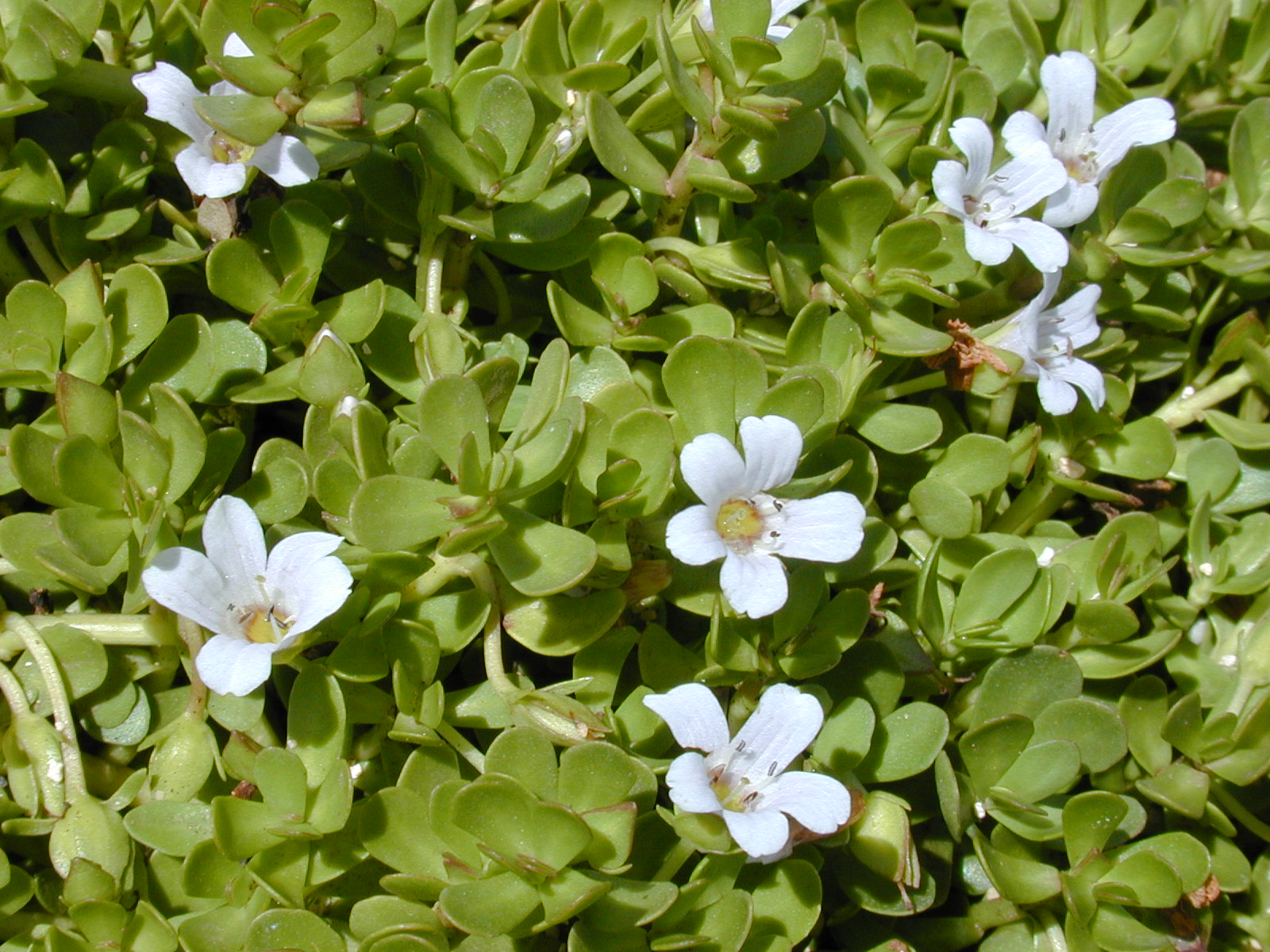 brahmiBacopa monnieri
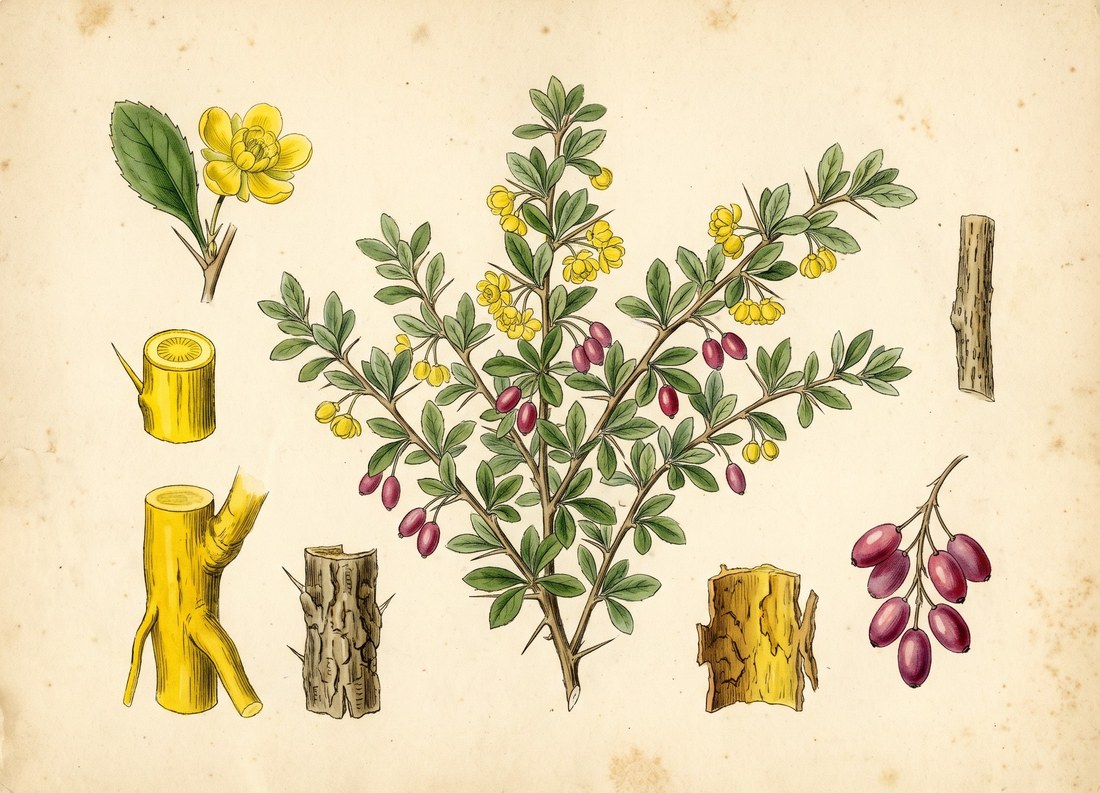 Indian barberryBerberis aristata
Nearby on the shelf
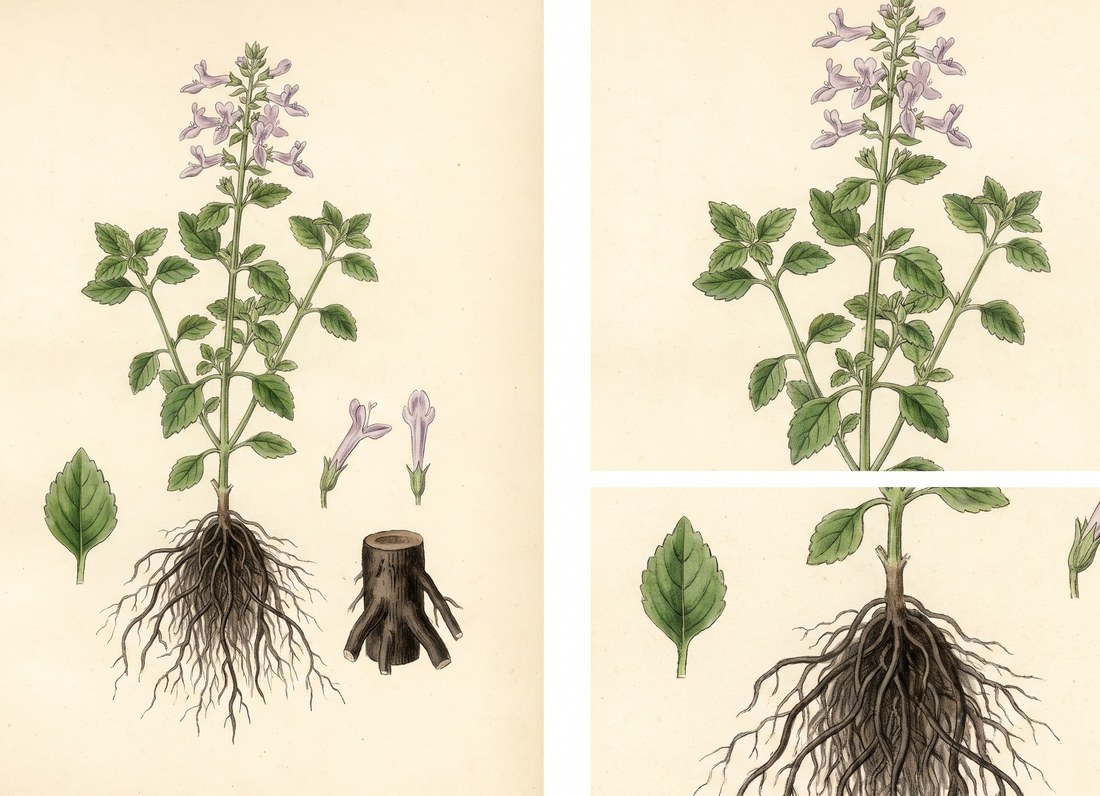 HriberaColeus vettiveroides
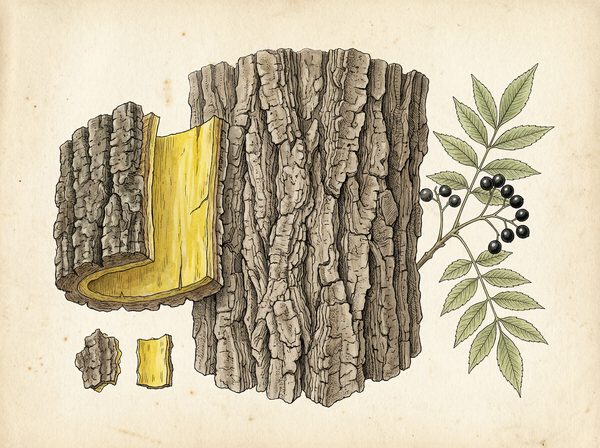 Huang BaiPhellodendron amurense
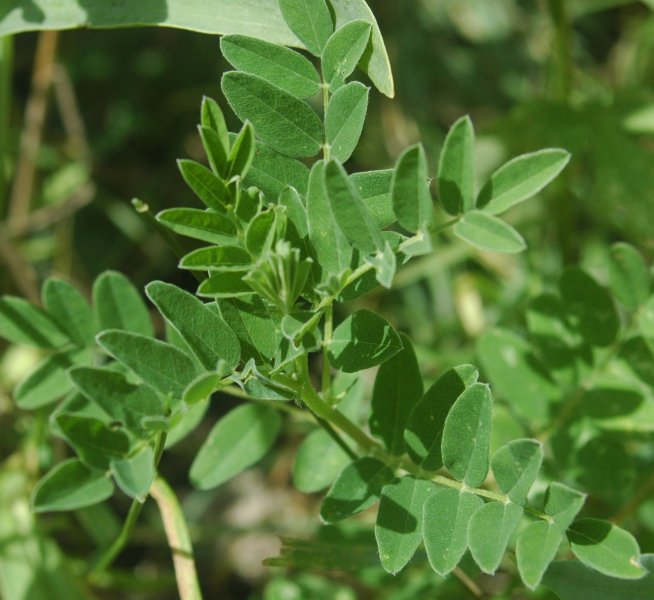 Huang QiAstragalus propinquus
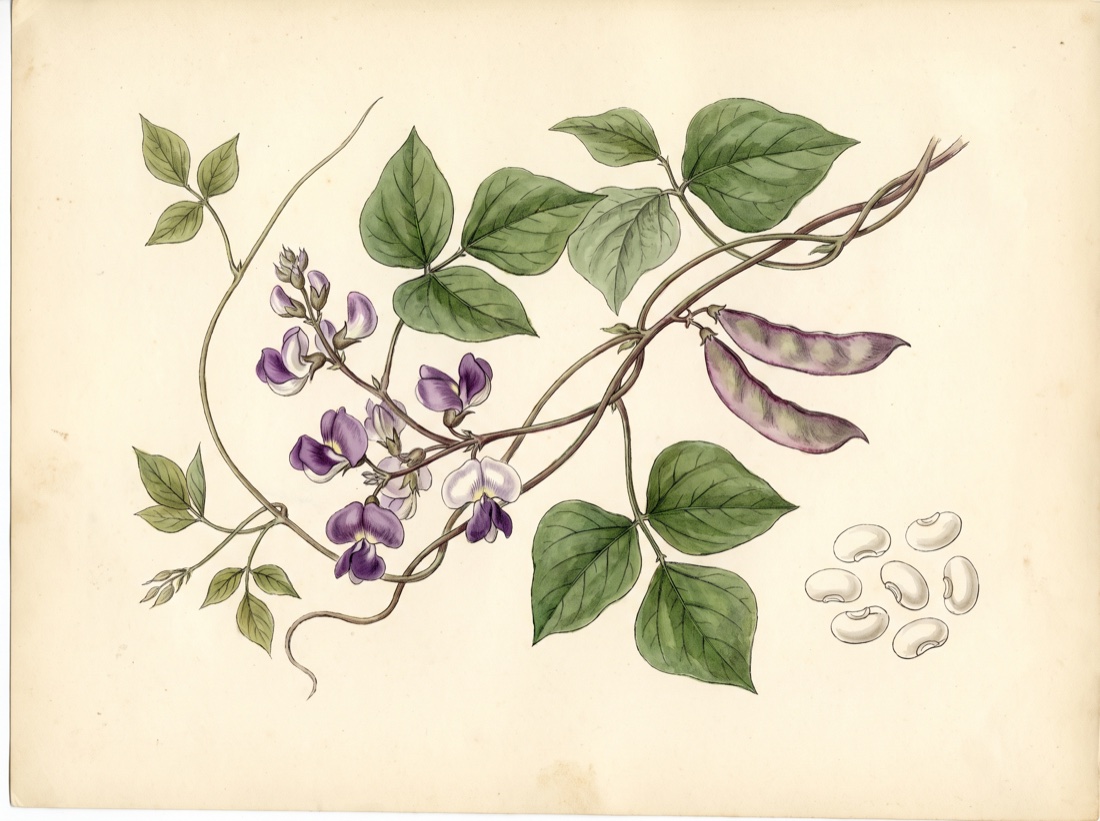 Hyacinth beanLablab purpureus
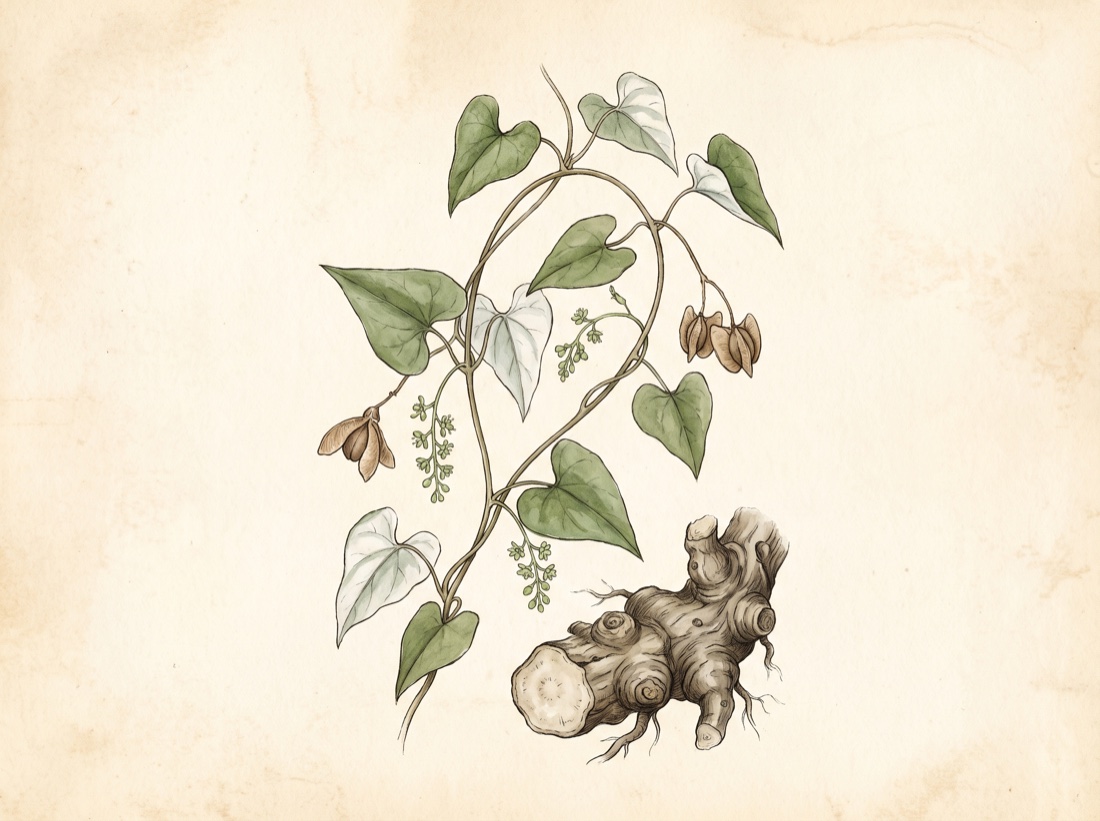 Hypoglaucous yamDioscorea hypoglauca
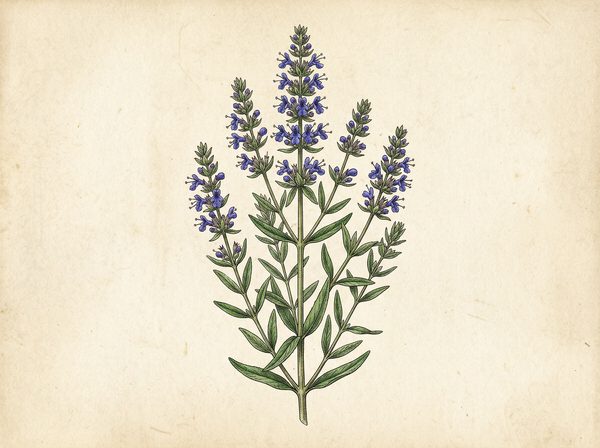 HyssopHyssopus officinalis
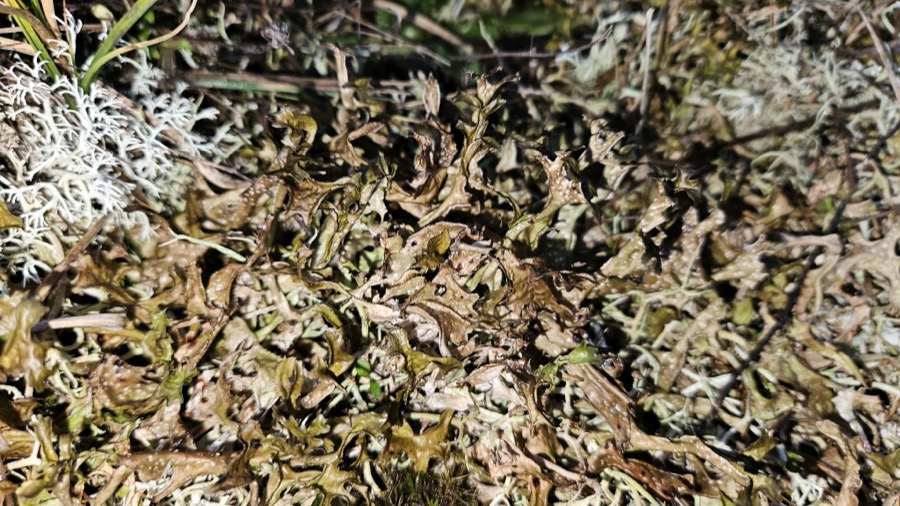 Iceland mossCetaria islandica
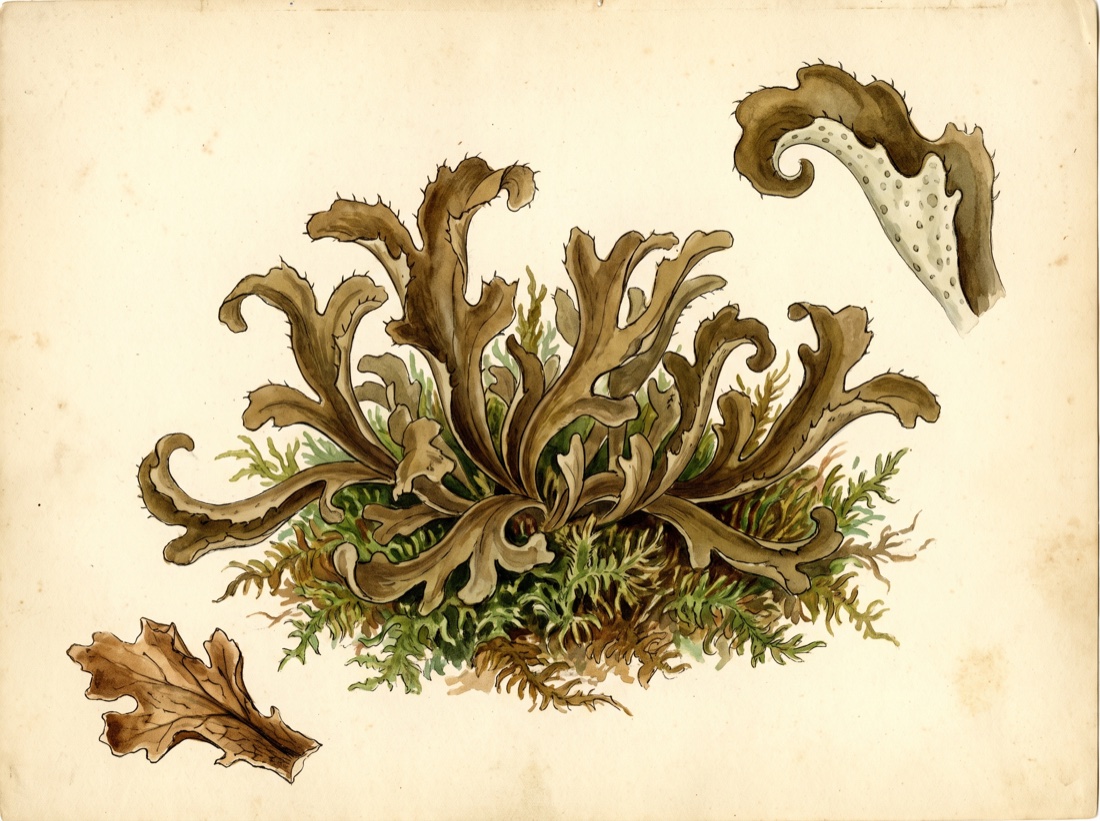 Iceland mossCetraria
The whole plate is in the library. The compass, Compare, the Sky of eleven hundred plants and the formulary open with an email address and a password, free, with the formula builder and its safety engine. Herbert without limit, his formulating, clients, the handouts and the labels are the paid room.
Open the library, free