Chinese Herbalism
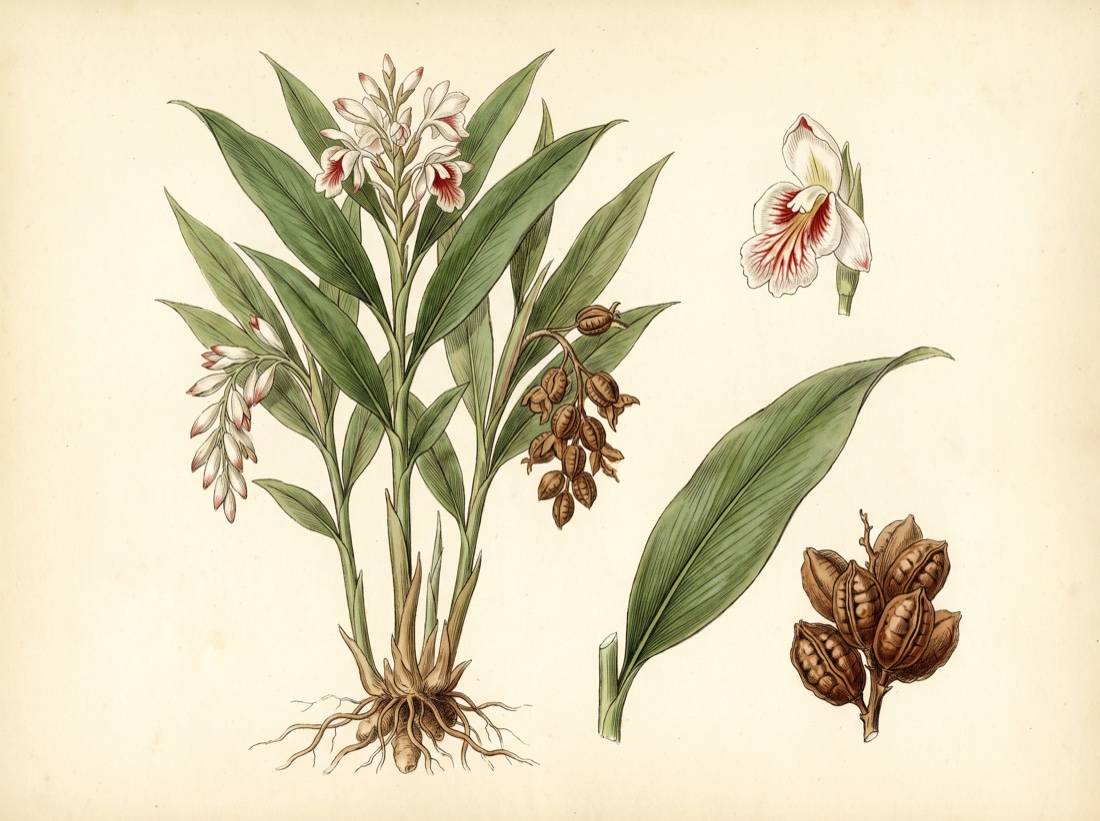
Sharp-leaf galangal
Alpinia oxyphylla
Also known as bitter cardamom, black cardamom (trade misnomer), yi zhi ren, yì zhì rén, yì zhì.
Yi zhi ren is the ripe, dried fruit of Alpinia oxyphylla, a ginger-family herb of Hainan, Guangdong and Guangxi in southern China, where it is cultivated under forest canopy. The name means benefit wisdom, an echo of its old reputation for supporting memory, but its daily clinical work is warming the kidney and spleen to hold urine, essence, stool and saliva in place. It is one of the four famous southern medicinals of Hainan and a standard component of formulas for enuresis and nocturia.

Ask Herbert about Sharp-leaf galangal. Herbert is the master herbalist inside Bountiful Herbs: he answers from this plate and eleven hundred others, with dosing, pairing and cautions. Your first ten questions are free.
Ask HerbertActions
Indications what the tradition reached for it in
- Nocturnal enuresis in children with a cold, pale constitution
- Urinary frequency and nocturia from kidney yang deficiency
- Overactive bladder in the elderly with cold signs
- Spermatorrhea and premature ejaculation from kidney deficiency
- Chronic diarrhea and early-morning diarrhea from spleen-kidney yang deficiency
- Cold abdominal pain with poor appetite
- Excessive salivation or drooling from spleen cold, including in children and the elderly
- Copious clear vaginal discharge with cold
- Memory decline and cognitive aging with kidney deficiency (traditional and preclinical)
- Cloudy urine (turbid lin) from deficiency cold
Specific indications
A child who wets the bed, sleeps deeply, has a pale face and cold feet and passes abundant clear urine
An older patient with nocturia several times a night, a cold lower back, loose morning stools and a pale, wet tongue
Drooling or a mouth full of thin saliva in a patient with poor appetite and cold hands
Safety
The record lists 8 contraindications; open the plate in the library to read them in full.
In practice
Reach for yi zhi ren when the lower burner is cold and leaky. In the classic pairing of Suo Quan Wan it sits with wu yao and shan yao for frequent urination, enuresis and nocturia; with sang piao xiao and fu pen zi it firms the bladder and kidney more strongly, and with bu gu zhi, rou dou kou and wu zhu yu it addresses dawn diarrhea.
In Chinese medicine
Temperature: warm. Taste: acrid. Channels: Spleen, Kidney. Actions: Warms the kidney, secures the essence and restrains urine; Warms the spleen, stops diarrhea and checks excessive salivation; Astringes and holds in what a cold, deficient lower burner lets slip.
Dosing as the sources wrote it
| Preparation | As written | Metric |
|---|---|---|
| Decoction | 3-10 g dried fruit daily in decoction | 3000-10000 mg |
| Powder or pill | 1-3 g powdered fruit twice daily | 1000-3000 mg |
| Tincture (1:5, 60%) | 1-3 mL three times daily | 1-3 mL |
Doses are reproduced from the sources for practitioners and are not a recommendation for any person.
From the sources
Overview. Yi zhi ren is the ripe, dried fruit of Alpinia oxyphylla, a ginger-family herb of Hainan, Guangdong and Guangxi in southern China, where it is cultivated under forest canopy. The name means benefit wisdom, an echo of its old reputation for supporting memory, but its daily clinical work is warming the kidney and spleen to hold urine, essence, stool and saliva in place. It is one of the four famous southern medicinals of Hainan and a standard component of formulas for enuresis and nocturia.
Clinical Notes. Reach for yi zhi ren when the lower burner is cold and leaky. In the classic pairing of Suo Quan Wan it sits with wu yao and shan yao for frequent urination, enuresis and nocturia; with sang piao xiao and fu pen zi it firms the bladder and kidney more strongly, and with bu gu zhi, rou dou kou and wu zhu yu it addresses dawn diarrhea.
Chinese Medicine Profile. Temperature: warm. Taste: acrid. Channels: Spleen, Kidney. Actions: Warms the kidney, secures the essence and restrains urine; Warms the spleen, stops diarrhea and checks excessive salivation; Astringes and holds in what a cold, deficient lower burner lets slip.
In formulas
Sharp-leaf galangal stands in 11 documented formulas in the library, among them suo quán wán, bì xiè fên qing yin, zhông mǎn fên xião tāng, thông mǎn fên xiào wán.
Often paired with
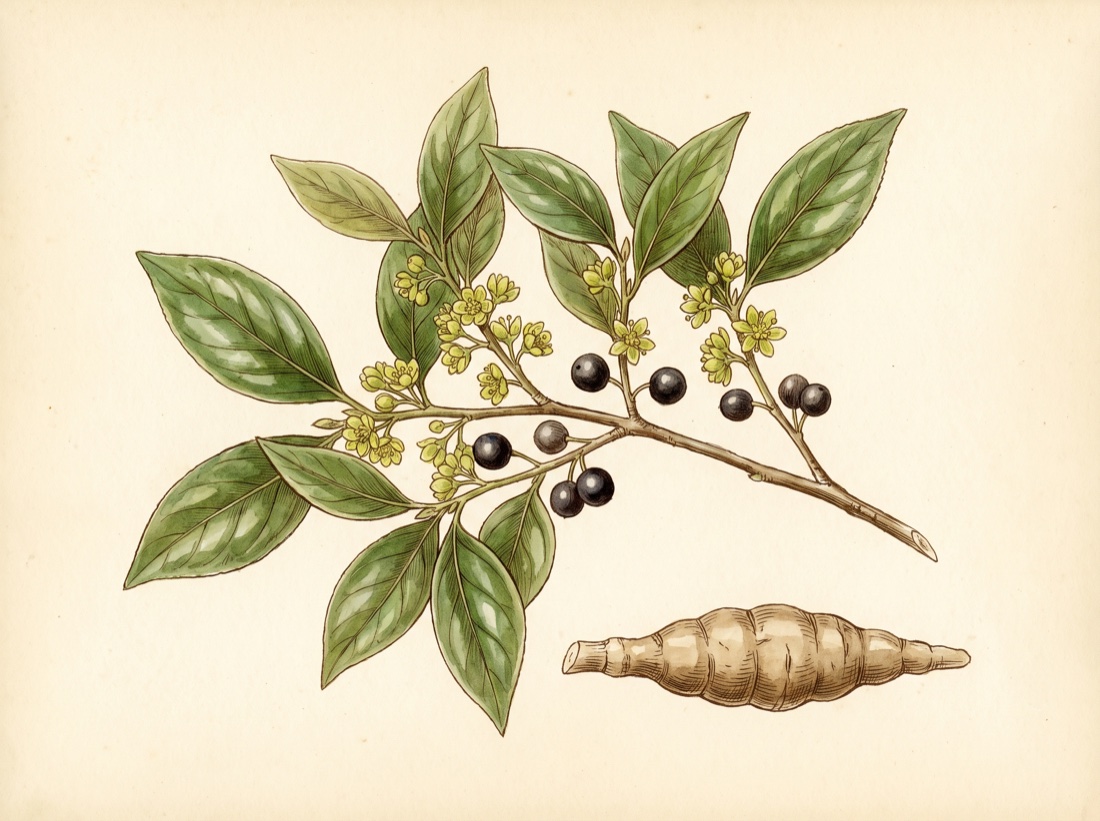 evergreen linderaLindera aggregata
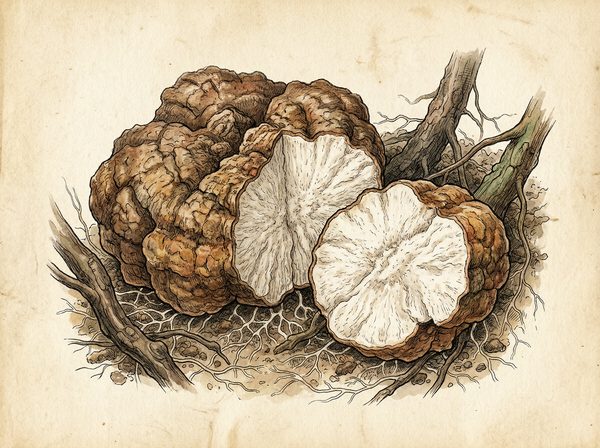 PoriaWolfiporia extensa
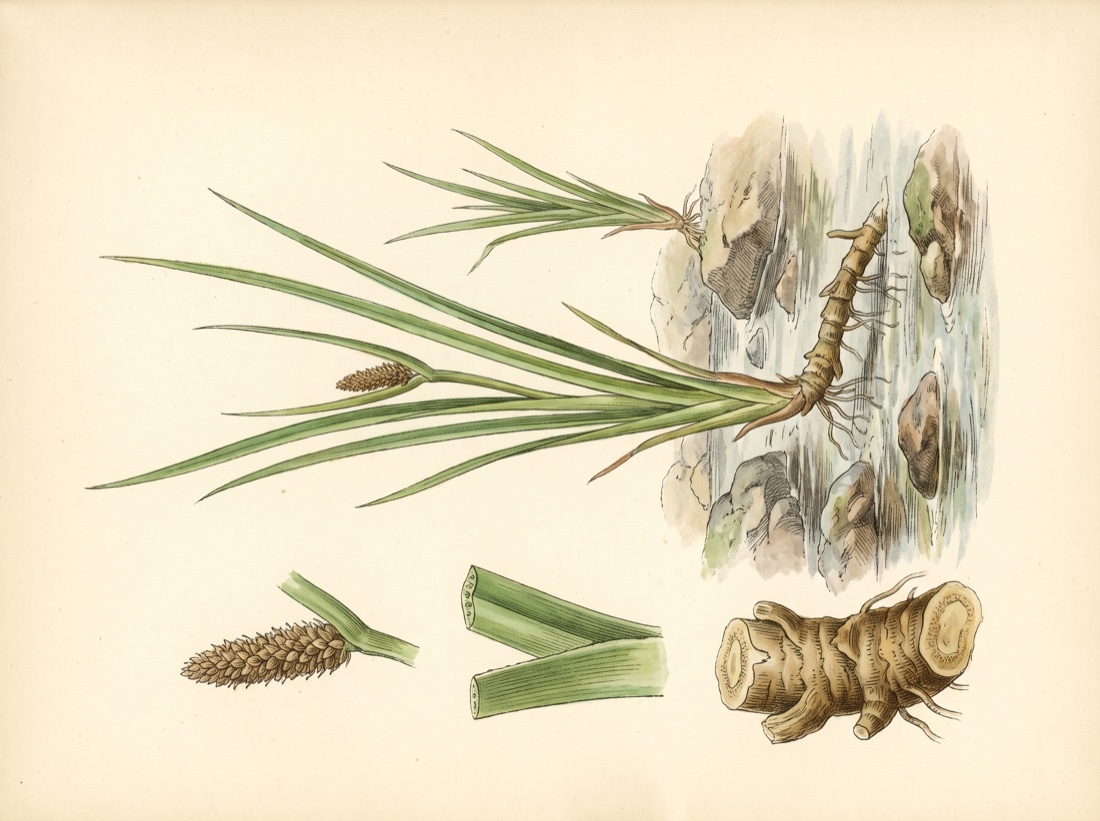 grass-leaf sweet flagAcorus gramineus
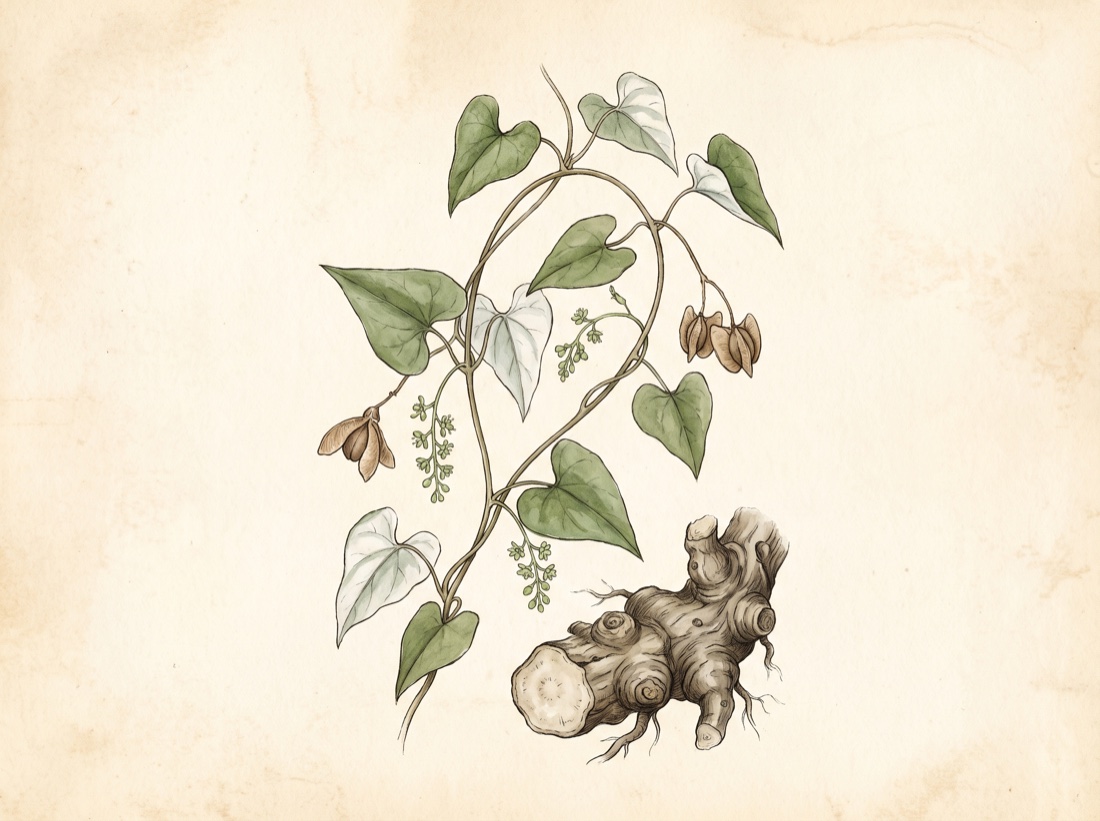 hypoglaucous yamDioscorea hypoglauca
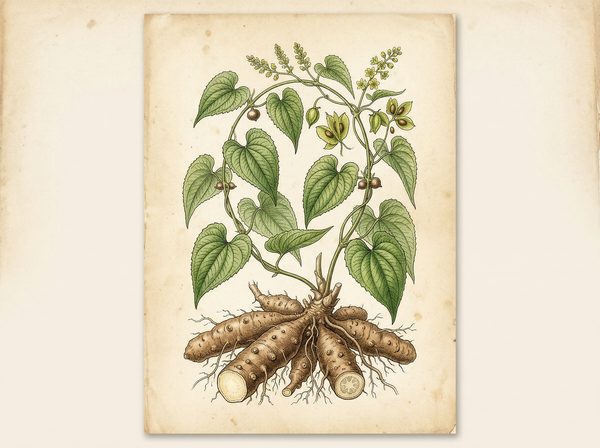 Chinese YamDioscorea opposita
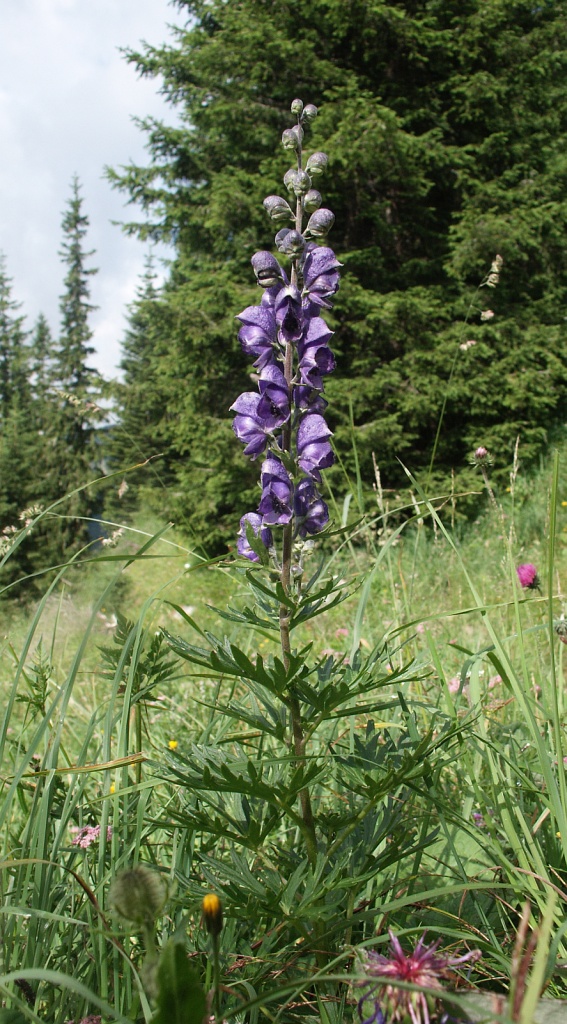 Indian aconiteAconitum ferox
Nearby on the shelf
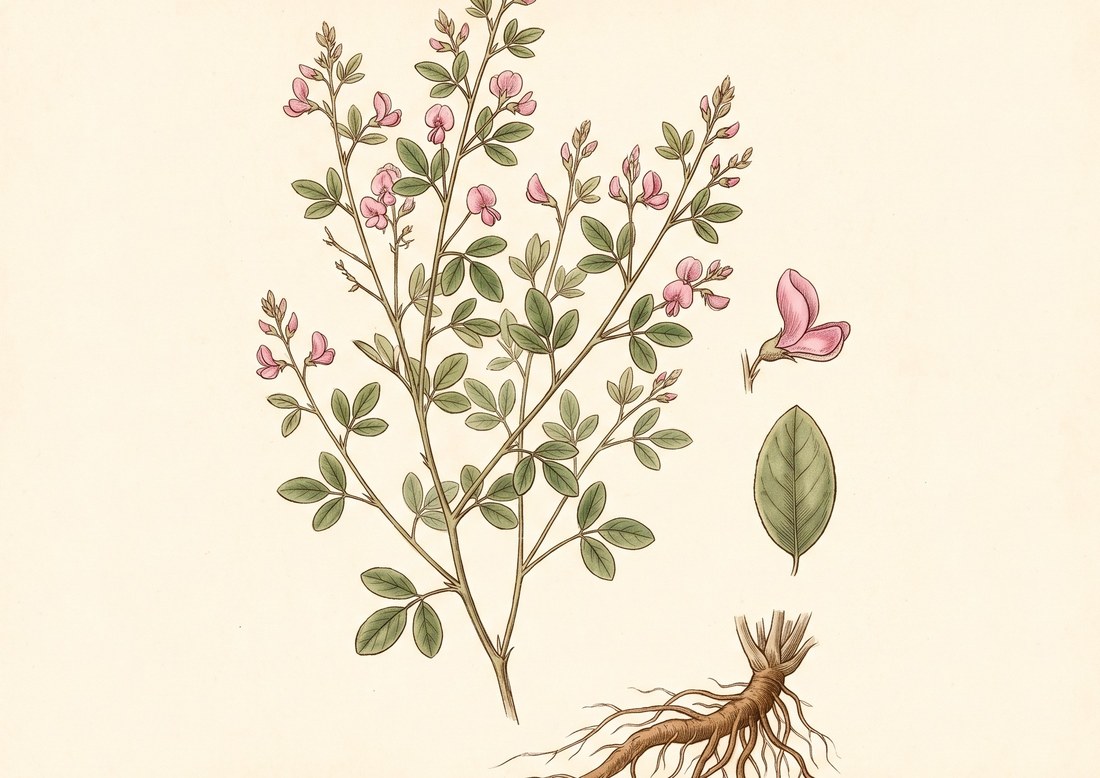 ShalparniDesmodium gangeticum
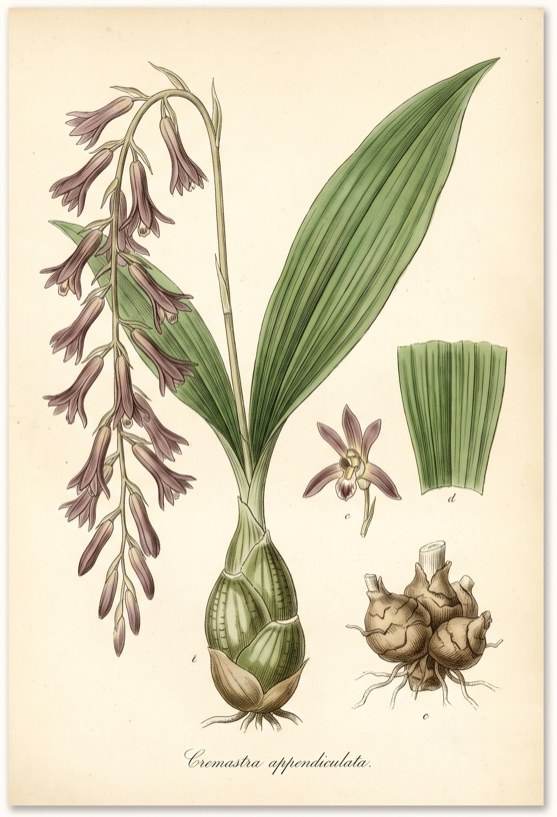 Shan Ci GuCremastra appendiculata
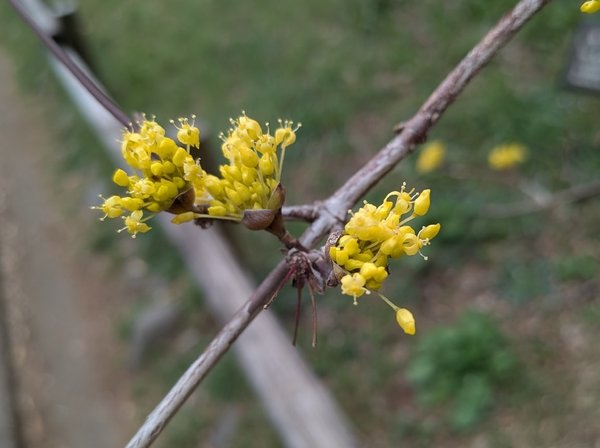 Shan Zhu YuCornus officinalis
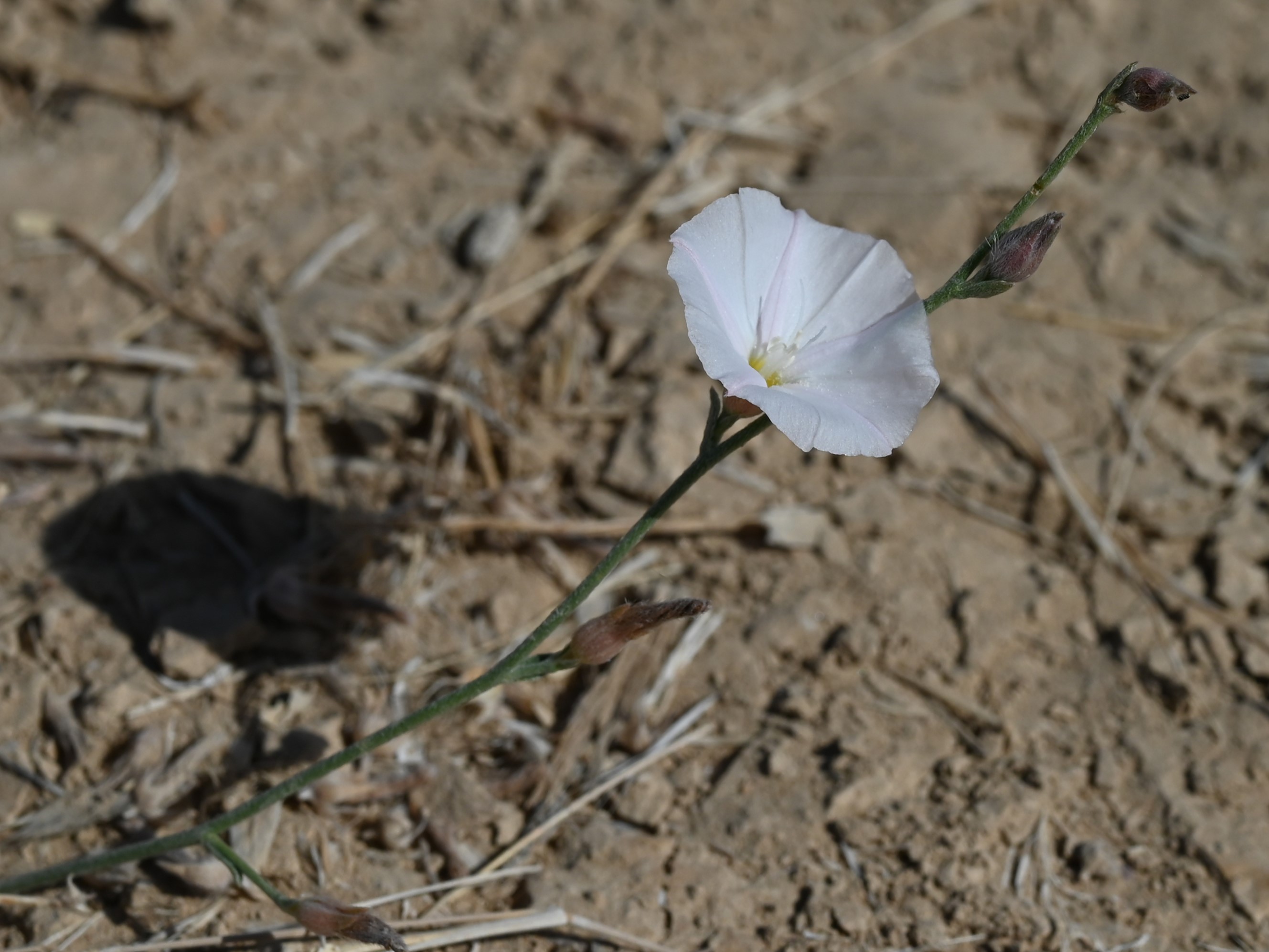 ShankhpushpiConvolvulus pluricaulis
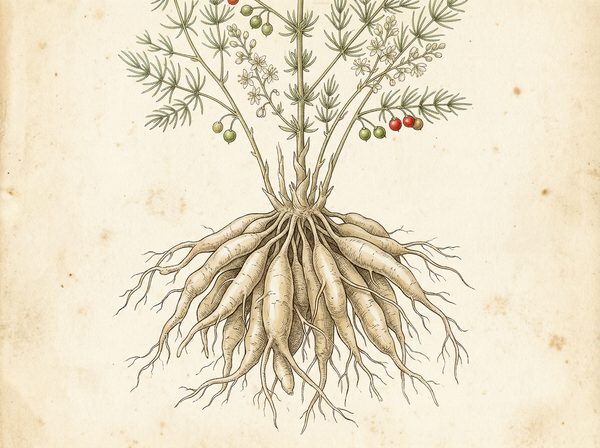 ShatavariAsparagus racemosus
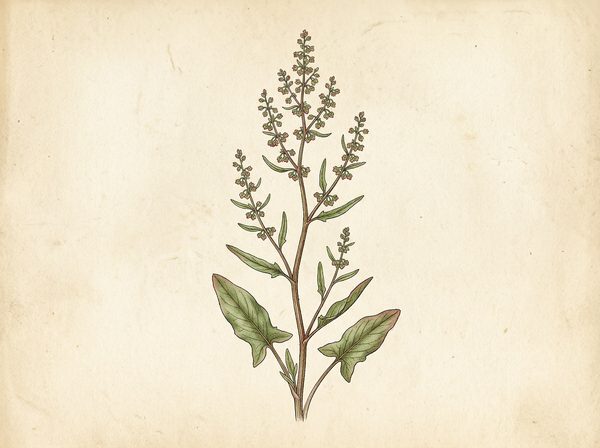 Sheep SorrelRumex acetosella
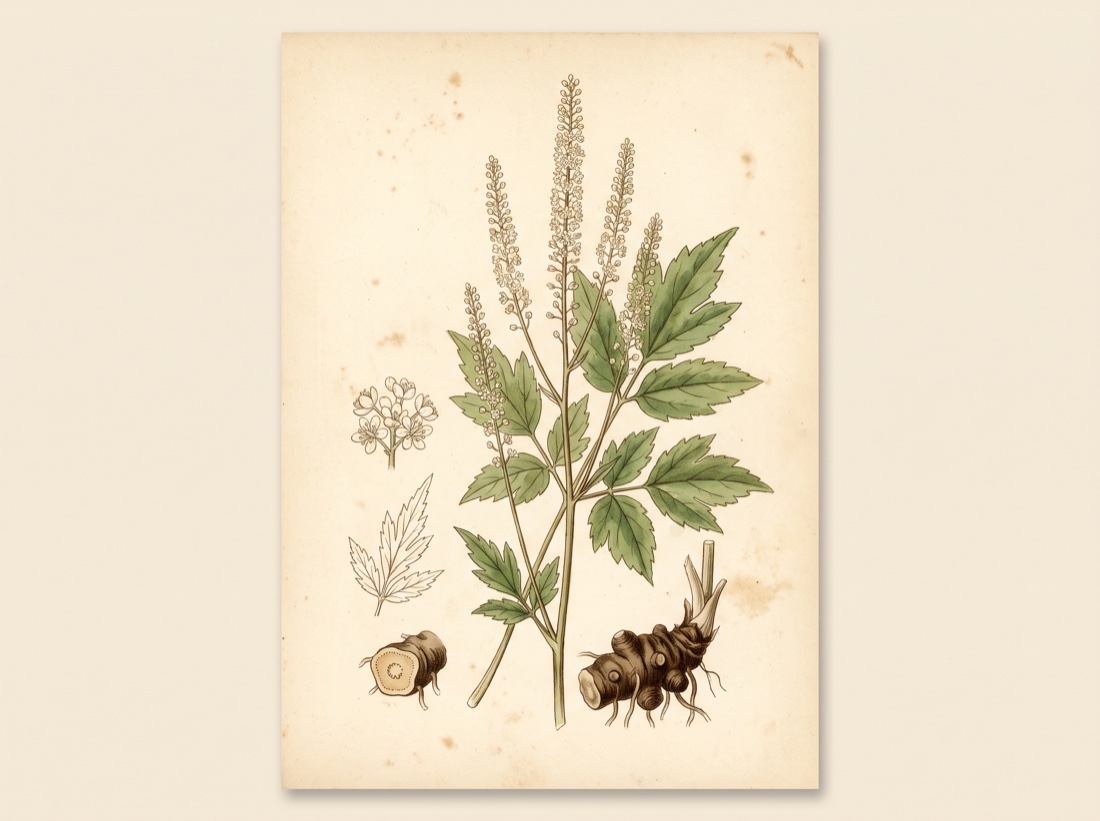 Sheng maActaea cimicifuga
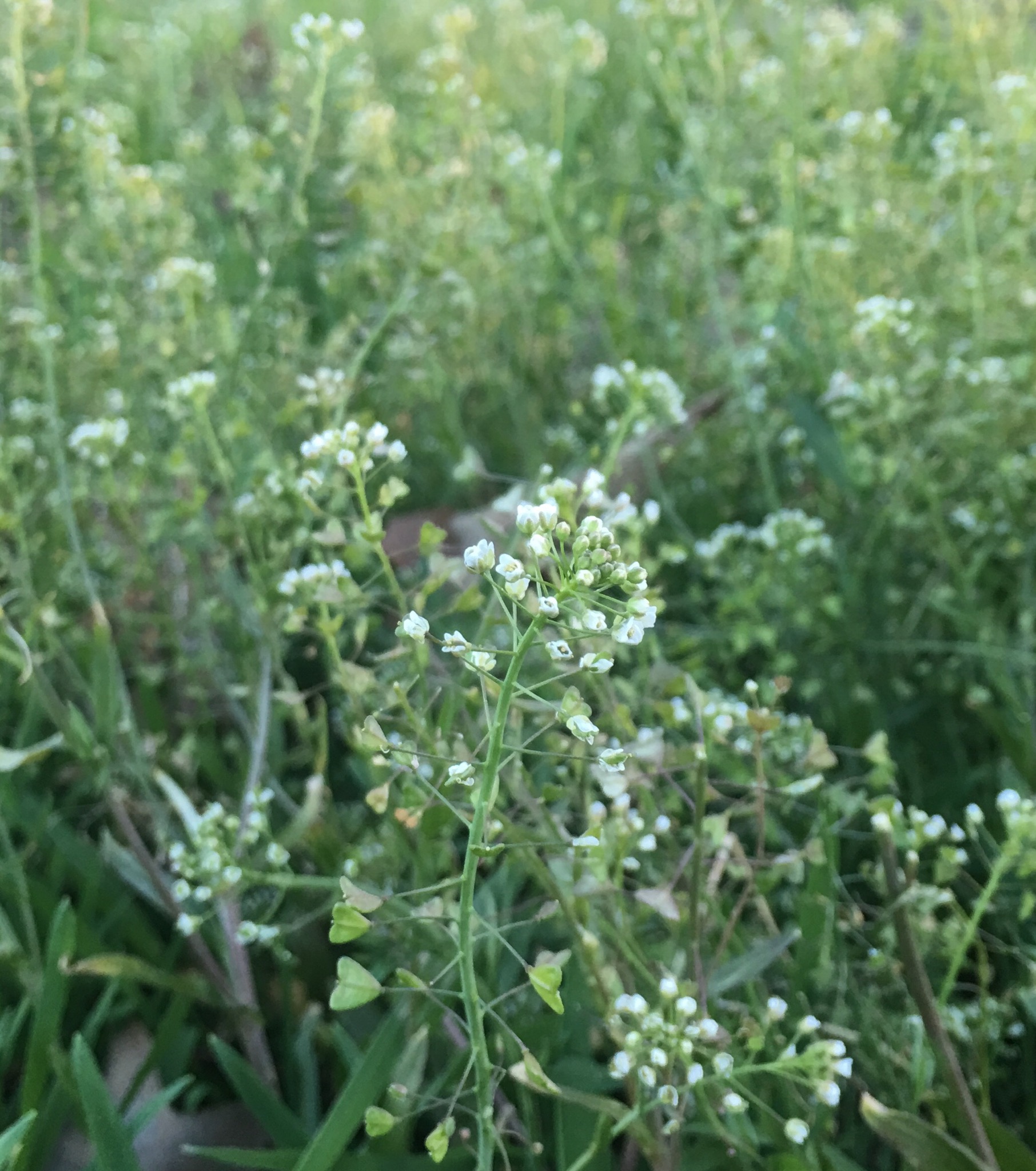 Shepherd's purseCapsella bursa-pastoris
The whole plate is in the library. The compass, Compare, the Sky of eleven hundred plants and the formulary open with an email address and a password, free, with the formula builder and its safety engine. Herbert without limit, his formulating, clients, the handouts and the labels are the paid room.
Open the library, free