Western Herbalism
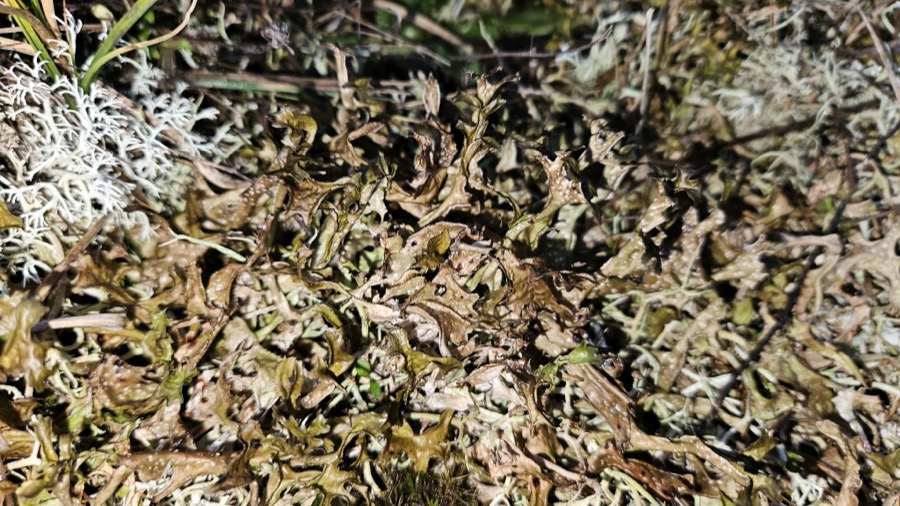
Iceland moss
Cetaria islandica
Also known as Iceland lichen, eryngo-leaved liverwort.
Iceland moss is not a true moss but a lichen, a symbiotic partnership of fungus and alga, native to Iceland, Scandinavia, and other cold northern and mountainous regions including parts of North America. The whole dried thallus is used. It has a long folk and physiomedicalist history as a soothing, nourishing remedy for chest and gut complaints, valued for its abundant mucilage and mild bitter principle.

Ask Herbert about Iceland moss. Herbert is the master herbalist inside Bountiful Herbs: he answers from this plate and eleven hundred others, with dosing, pairing and cautions. Your first ten questions are free.
Ask HerbertActions
Indications what the tradition reached for it in
- Dry irritating cough
- Chronic bronchitis
- Catarrh of the respiratory tract
- Pharyngitis and sore throat
- Dyspepsia with poor appetite
- Diarrhea
- Convalescence and general debility
- Stomatitis and mouth ulcers (topical rinse)
Specific indications
Dry, tickling, unproductive cough with throat irritation and scanty mucus, soothed by a mucilaginous demulcent
The debilitated convalescent, especially after a wasting illness, who needs a gentle nutritive tonic that is easy to digest
Safety
The record lists 2 contraindications; open the plate in the library to read them in full.
In practice
The lichen yields two very different medicines depending on how it is prepared. A cold-water maceration or brief simmer extracts mostly the starchy mucilage (lichenan and isolichenan), giving a soothing demulcent suited to dry coughs, irritated throats, and inflamed gut linings.
Dosing as the sources wrote it
| Preparation | As written | Metric |
|---|---|---|
| Cold macerate (demulcent use) | 3-6 g dried thallus soaked in cold water for several hours, strained, taken up to three times daily | 3000-6000 mg |
| Decoction (bitter tonic use) | 3-6 g dried thallus simmered gently 10-15 minutes in 250 mL water, strained, one cup up to three times daily | 3000-6000 mg |
| Syrup or lozenge | as prepared per product, following manufacturer dosing for cough and throat irritation |
Doses are reproduced from the sources for practitioners and are not a recommendation for any person.
From the sources
Overview. Iceland moss is not a true moss but a lichen, a symbiotic partnership of fungus and alga, native to Iceland, Scandinavia, and other cold northern and mountainous regions including parts of North America. The whole dried thallus is used. It has a long folk and physiomedicalist history as a soothing, nourishing remedy for chest and gut complaints, valued for its abundant mucilage and mild bitter principle.
Clinical Notes. The lichen yields two very different medicines depending on how it is prepared. A cold-water maceration or brief simmer extracts mostly the starchy mucilage (lichenan and isolichenan), giving a soothing demulcent suited to dry coughs, irritated throats, and inflamed gut linings.
Properties and Uses. More attention has probably been paid to this lichen than it really deserves. An ounce of it, washed and picked, may be boiled for fifteen minutes in a pint and a half of water, and then strained. It yields a starchy mucilage, which will gelatinize if concentrated.
Description. Natural Order, Lichenaceae. This lichen is a native especially of Iceland, but also of Northern Europe and America. It is a membranous perennial; thallus erect, leaf-like, three to four inches high, tufted and divided, varying in color from olive-brown to red-brown, tough, fringed along the edges, stiff and crisp when dry. Found in dry mountainous districts.
Drawn from Cook's Physio-Medical Dispensatory, and the Bountiful Herbs editorial.
Often paired with
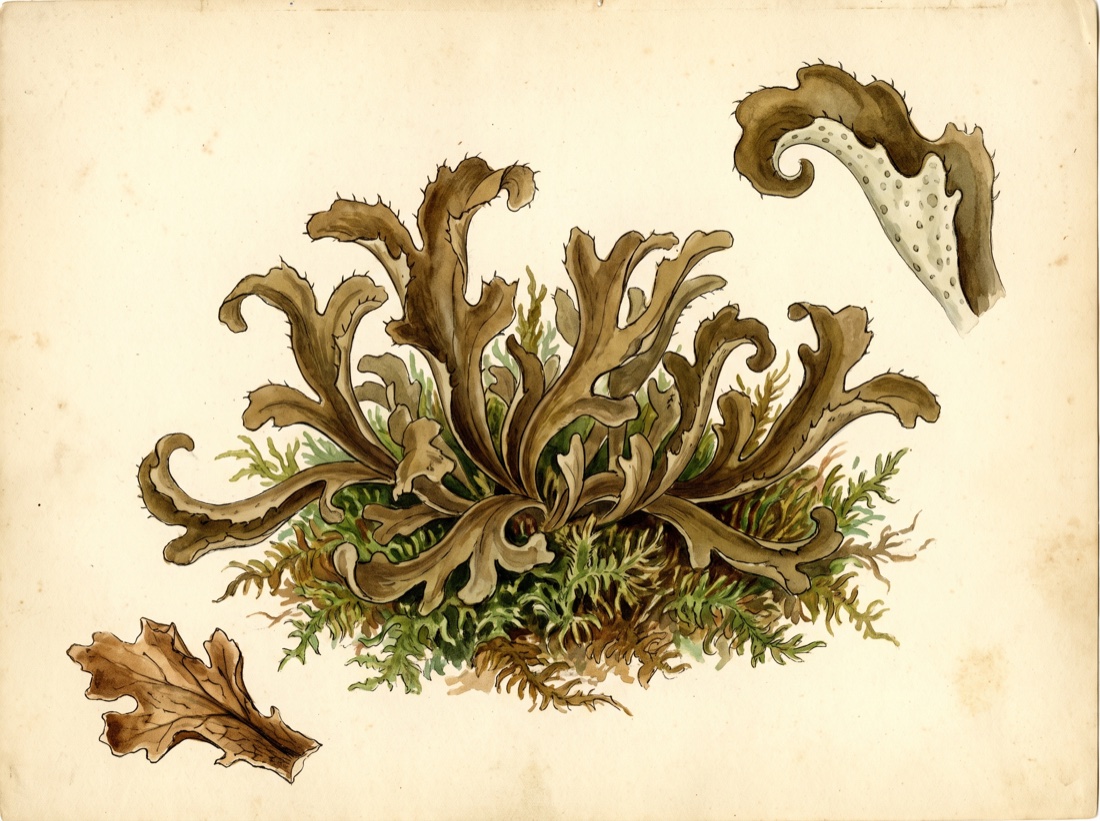 Iceland mossCetraria
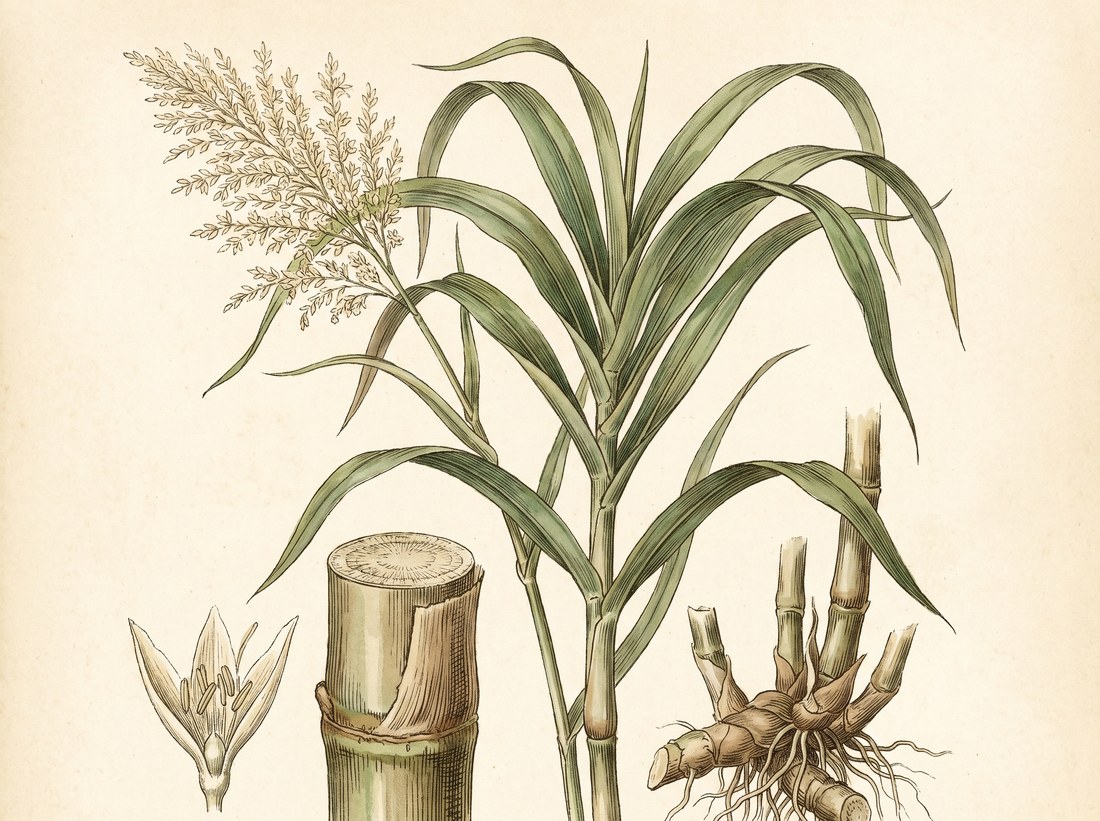 SugarSaccharum
Nearby on the shelf
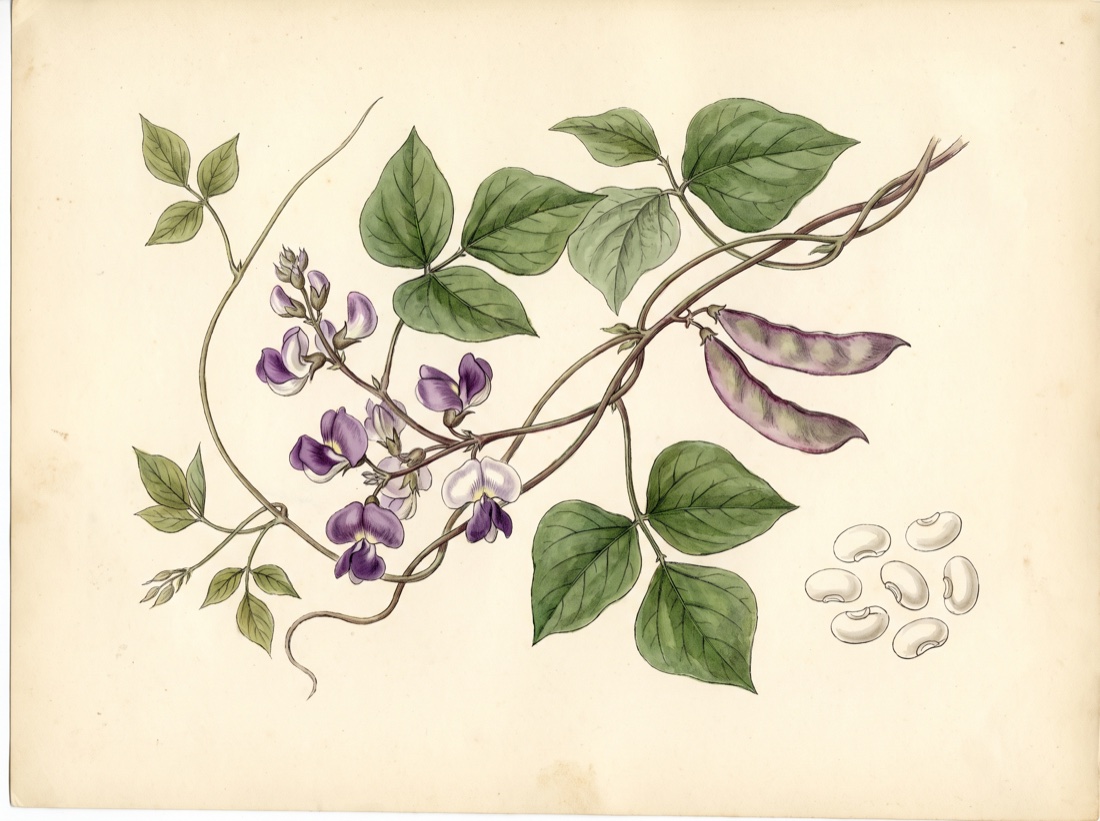 Hyacinth beanLablab purpureus
 HygrophilaHygrophilia spinosa
 Hypoglaucous yamDioscorea hypoglauca
 HyssopHyssopus officinalis
 IgnatiaIgnatia
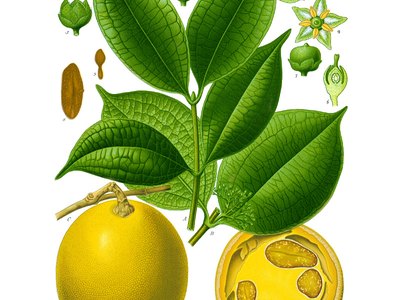 Ignatia AmaraStrychnos ignatia
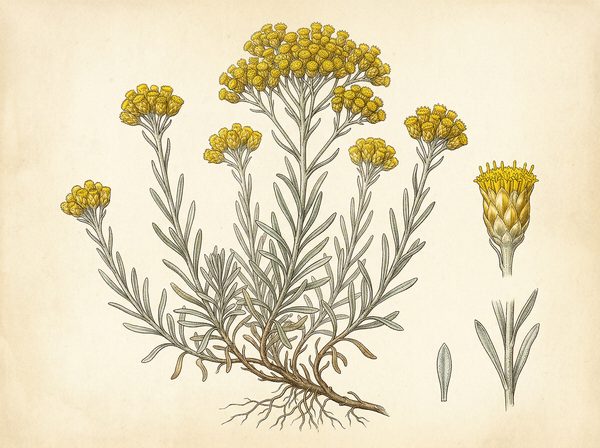 ImmortelleHelichrysum italicum
The whole plate is in the library. The compass, Compare, the Sky of eleven hundred plants and the formulary open with an email address and a password, free, with the formula builder and its safety engine. Herbert without limit, his formulating, clients, the handouts and the labels are the paid room.
Open the library, free