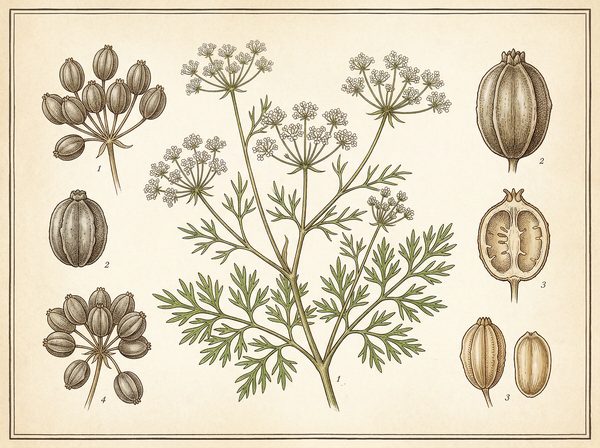
Western and Ayurvedic herbalism
Ajwain
Trachyspermum ammi
Also known as ajowan, bishop's weed, carom seed, Ethiopian cumin, Carom seeds, Yavani, Ajamoda, Dipyaka.
Trachyspermum ammi is an erect annual herb of the carrot family, grown as a spice and medicinal crop across Rajasthan, Gujarat, Madhya Pradesh, Uttar Pradesh and the Deccan, and originally from the eastern Mediterranean and Egypt. Its small ridged fruits, sold as ajwain, carry a sharp thyme-like aroma from their high thymol content. In Ayurveda the fruit, Yavani, is the household carminative, a hot, pungent, penetrating spice that kindles digestion, relieves colic and gas, dries kapha, and is given to new mothers in the weeks after birth.

Ask Herbert about Ajwain. Herbert is the master herbalist inside Bountiful Herbs: he answers from this plate and eleven hundred others, with dosing, pairing and cautions. Your first ten questions are free.
Ask HerbertActions
Indications what the tradition reached for it in
- Flatulence, bloating and abdominal distension
- Intestinal colic and cramping
- Indigestion with heaviness after meals
- Loss of appetite from cold, sluggish digestion
- Diarrhea with undigested food and gas
- Intestinal worms and dysbiosis (adjunct)
- Productive cough with thick mucus
- Mild asthma and bronchospasm (adjunct)
- Head cold with nasal congestion (steam inhalation)
- Postpartum digestive weakness and uterine recovery
- Toothache and dental infection (oil, topical)
- Fungal skin infection (oil, topical)
- Colic
- Flatulence
- Worm infestation
- Insufficient lactation
- Dysuria
- Asthma
- Abdominal cramps
- Atonic dyspepsia
- Abdominal tumors
- Abdominal colic
- Gas
- Cough
- Piles
- Abdominal pain
- Amenorrhea
- Diarrhea
- Hookworm
- Bronchial problems
Specific indications
Gas, gurgling and a distended abdomen after meals in a cold vata patient who feels better after warm drinks and worse after raw or cold food
The new mother in the weeks after delivery with poor appetite, bloating and a sluggish bowel, who benefits from ajwain in warm water or in her food
A kapha patient with a heavy chest, thick white mucus and a stuffy head where a hot pungent seed opens the airways and dries the secretions
Crampy loose stools with undigested food in someone with a chilled digestive fire rather than an inflamed gut
Safety
Pregnancy: Avoid medicinal doses in pregnancy: no published safety class is known to us, the tradition treats the fruit as a uterine cleanser for the postpartum period rather than for pregnancy, and animal data suggest uterine stimulation at high doses; culinary amounts in food are acceptable.
The record lists 8 contraindications; open the plate in the library to read them in full.
In practice
The Ayurvedic practitioner reaches for Yavani when digestion is cold and stuck: the patient with gas, gurgling, distension and colic, the ama picture of undigested food, the sluggish appetite of a kapha or vata constitution.
In Ayurveda
Rasa: katu (pungent), tikta (bitter). Virya: ushna (heating). Vipaka: katu (pungent). Guna: laghu (light), ruksha (dry), tikshna (sharp). Dosha: pacifies vata and kapha; aggravates pitta. Karma: deepana (kindles digestion); pachana (digestive, ripens ama); anulomana (normalizes downward movement of vata); shulaprashamana (relieves colic); krimighna (anthelmintic and antimicrobial); kaphahara (reduces kapha); vatahara (pacifies vata); mutrala (diuretic); garbhashaya shodhana (cleanses the uterus after delivery); shukrahara (reduces semen in excess, a classical caution). Classical indications: agnimandya (weak digestion); ajirna (indigestion); adhmana (abdominal distension); shula (colic); gulma (abdominal lumps and gas masses); krimi (worms); atisara (diarrhea with ama); kasa and shvasa (cough and dyspnea); pratishyaya (cold and catarrh); hikka (hiccup); arsha (hemorrhoids); sutika roga (postpartum disorders). The dried fruit is chewed whole or given as churna with warm water, rock salt or buttermilk, decocted, distilled to Yavani arka, or steamed to yield the thymol-rich essential oil; it is a leading spice in postpartum diets and a standard ingredient of digestive churnas and carminative compounds. Classical formulations: Yavanyadi churna, Yavani shadava, Yavani arka, Hingvashtaka churna, Lavanabhaskara churna, Ajamodadi churna, Ajamodarka, Shankha vati. Described in: Charaka Samhita, Sushruta Samhita, Ashtanga Hridaya, Bhavaprakasha Nighantu, Dhanvantari Nighantu, Raja Nighantu, Kaiyadeva Nighantu, Ayurvedic Pharmacopoeia of India.
Dosing as the sources wrote it
| Preparation | As written | Metric |
|---|---|---|
| Churna | 1-3 g powdered fruit after meals with warm water | 1000-3000 mg |
| Phanta (infusion) | 3-5 g crushed fruit steeped in 150 mL hot water, taken once or twice daily | 3000-5000 mg |
| Arka | 10-20 mL distilled ajwain water once or twice daily | 10-20 mL |
| Kwatha | 30-60 mL decoction twice daily | 30-60 mL |
| Essential oil, topical | 1-2 drops per 5 mL carrier oil, or one drop on a cotton pledget for toothache | 0.02-0.04 mL |
| Powder | Powder 1-3 g | 1000-3000 mg |
Doses are reproduced from the sources for practitioners and are not a recommendation for any person.
From the sources
Overview. Trachyspermum ammi is an erect annual herb of the carrot family, grown as a spice and medicinal crop across Rajasthan, Gujarat, Madhya Pradesh, Uttar Pradesh and the Deccan, and originally from the eastern Mediterranean and Egypt. Its small ridged fruits, sold as ajwain, carry a sharp thyme-like aroma from their high thymol content. In Ayurveda the fruit, Yavani, is the household carminative, a hot, pungent, penetrating spice that kindles digestion, relieves colic and gas, dries kapha, and is given to new mothers in the weeks after birth.
Clinical Notes. Traditionally used in Ayurveda as Yavani Tridoshic in small doses but primarily balances Kapha and Vata, increases Pitta Abortifacient in traditional use Galactagogue but may reduce breast milk in excess
Clinical Notes. The Ayurvedic practitioner reaches for Yavani when digestion is cold and stuck: the patient with gas, gurgling, distension and colic, the ama picture of undigested food, the sluggish appetite of a kapha or vata constitution.
primary-actions. Ajwain acts primarily as: Carminative, Antispasmodic, Stimulant, Stomachic, Anthelmintic. Secondary actions include Antimicrobial, Antifungal, Antioxidant, Antihypertensive, Hepatoprotective, Bronchodilator.
In formulas
Ajwain stands in 40 documented formulas in the library, among them Ayaskṛti, Karpūrāsava, Jīrakādyariṣṭa, Devadārvāriṣṭa, Mustakāriṣṭa, Mṛtasaṅjīvanī Surā.
Often paired with
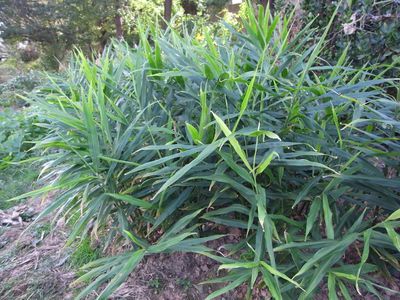 GingerZingiber officinale
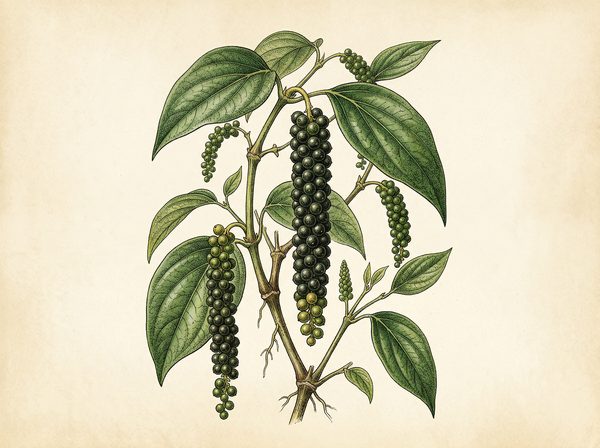 black pepperPiper nigrum
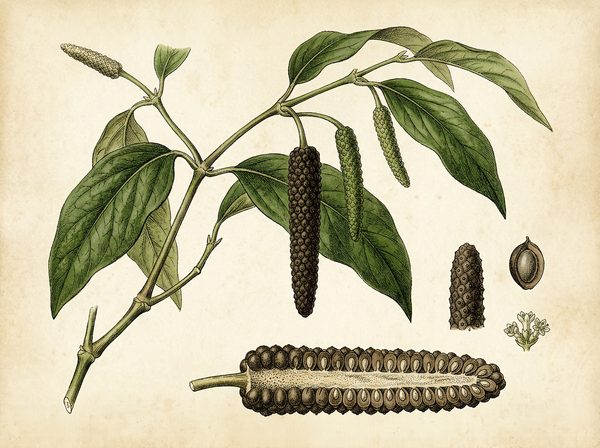 long pepperPiper longum
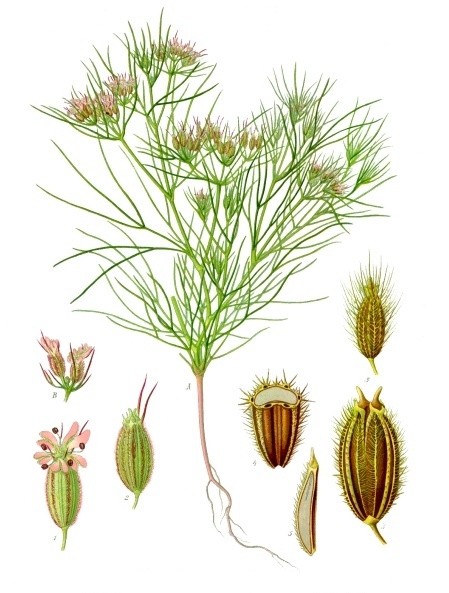 CuminCuminum cyminum
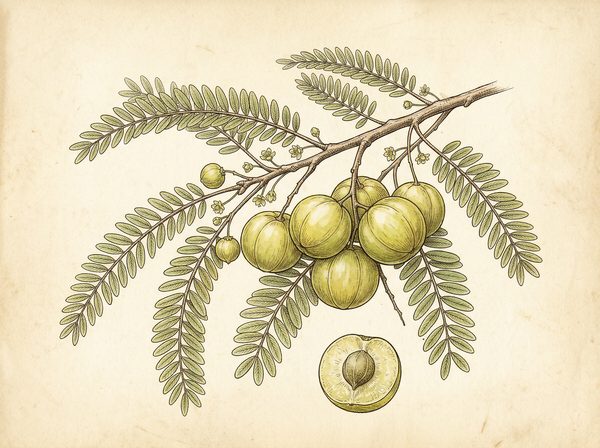 Indian gooseberryPhyllanthus emblica
 chebulic myrobalanTerminalia chebula
Nearby on the shelf
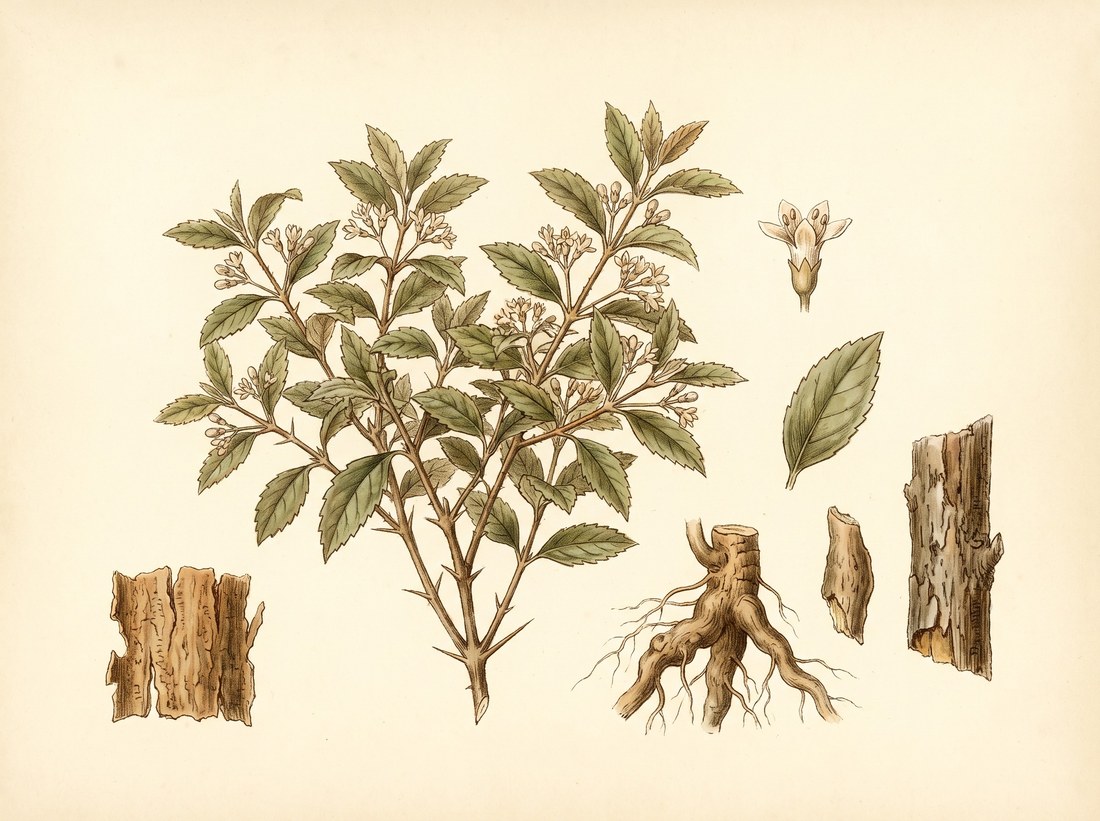 AgnimanthaPremna serratifolia
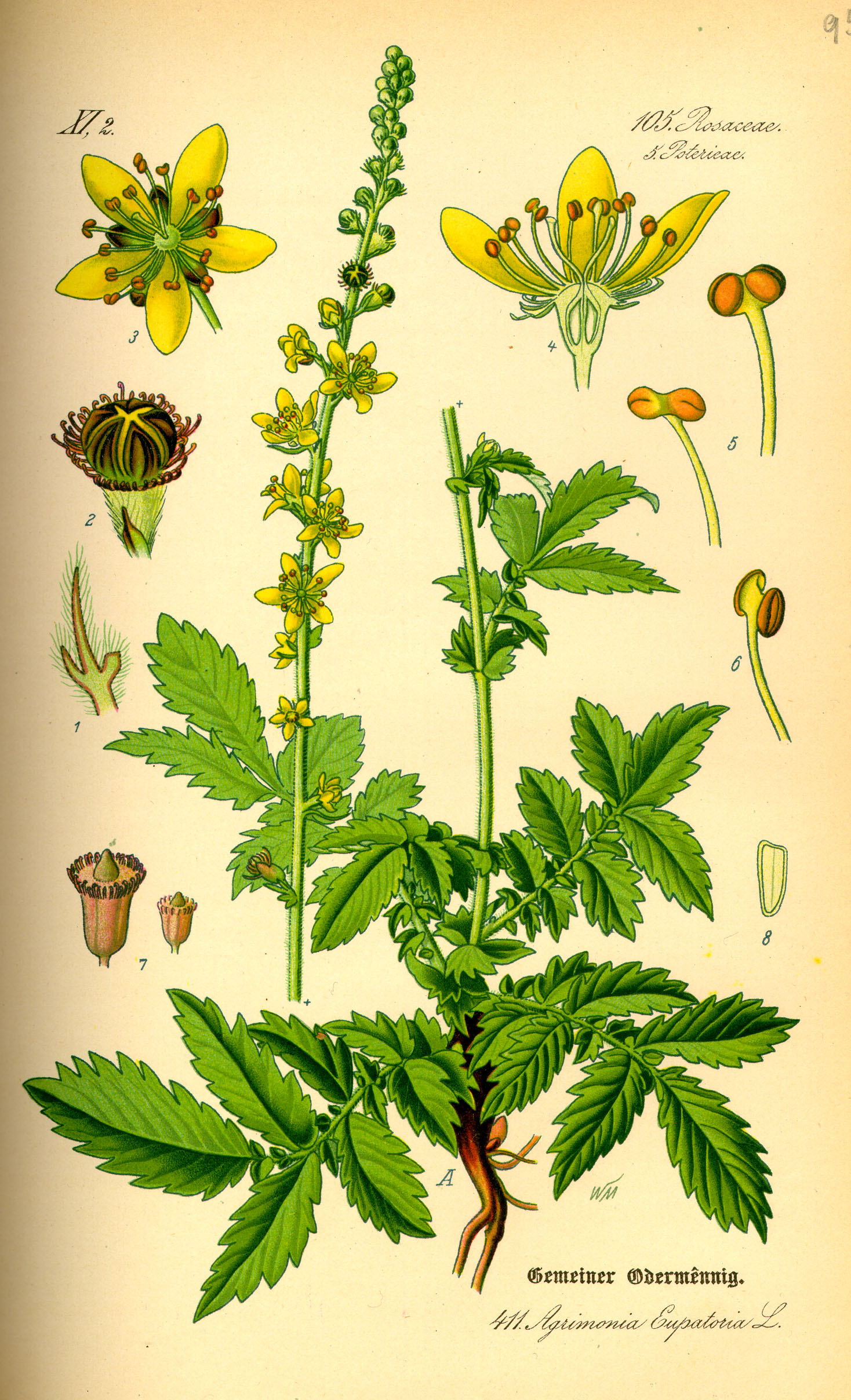 AgrimonyAgrimonia eupatoria
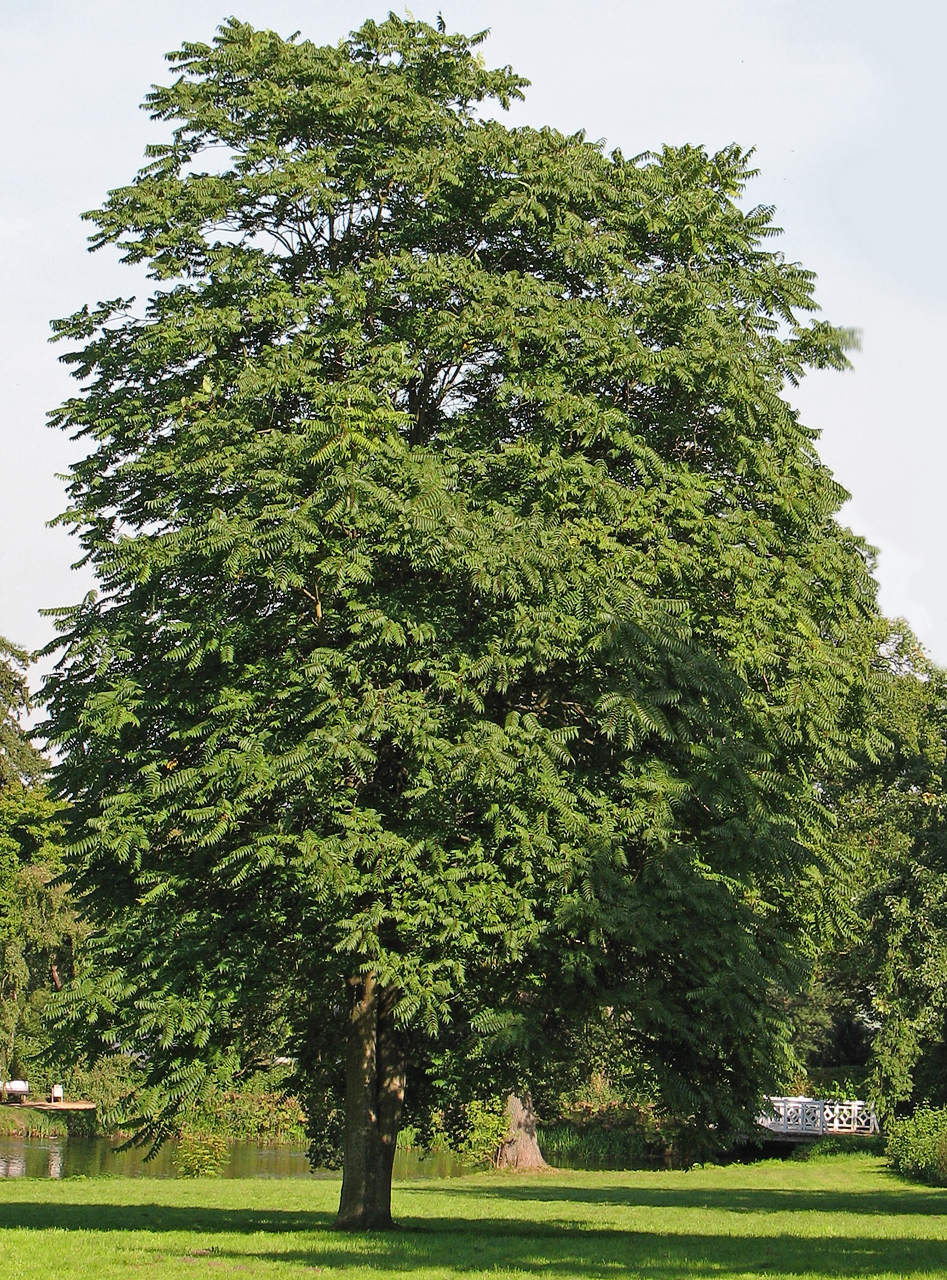 AilanthusAilanthus glandulosa
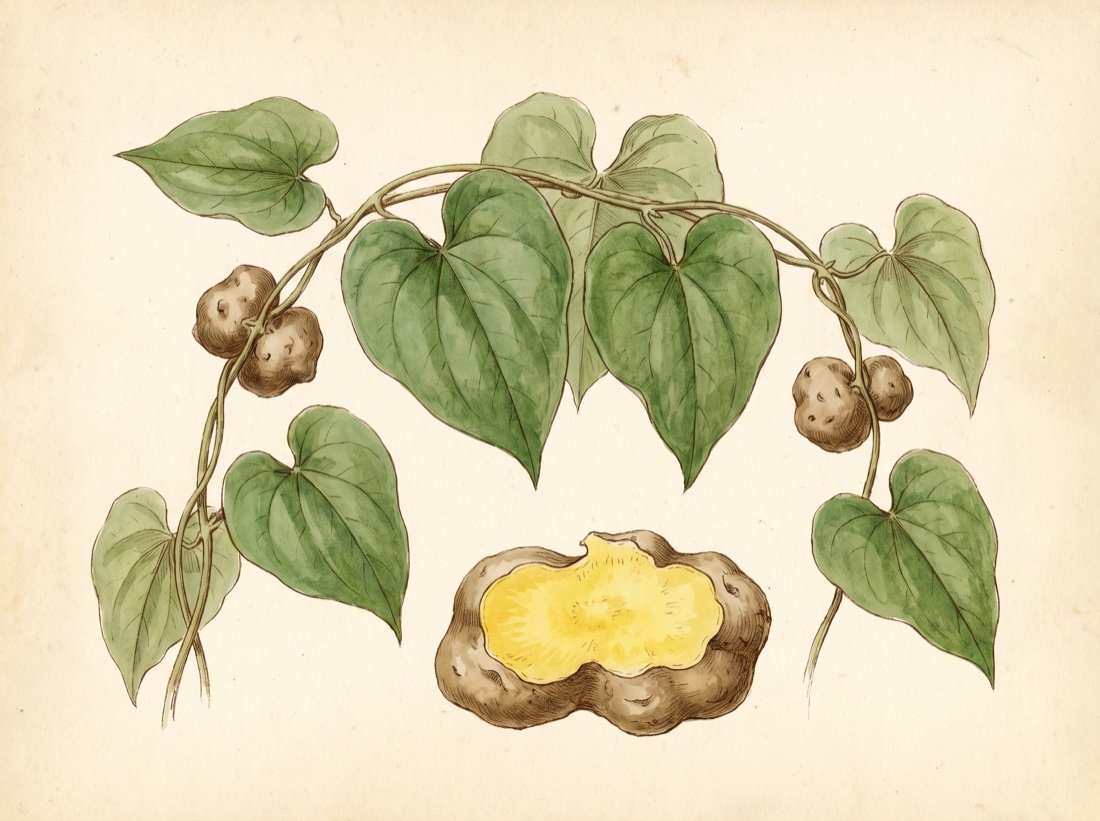 Air potatoDioscorea bulbifera
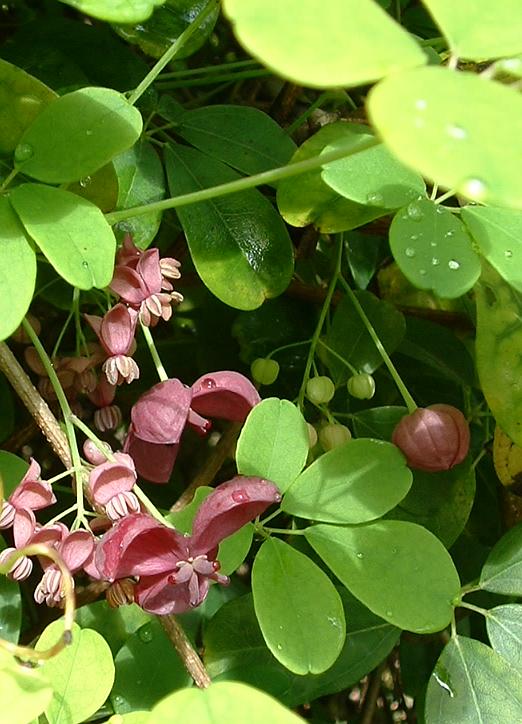 AkebiaAkebia quinata
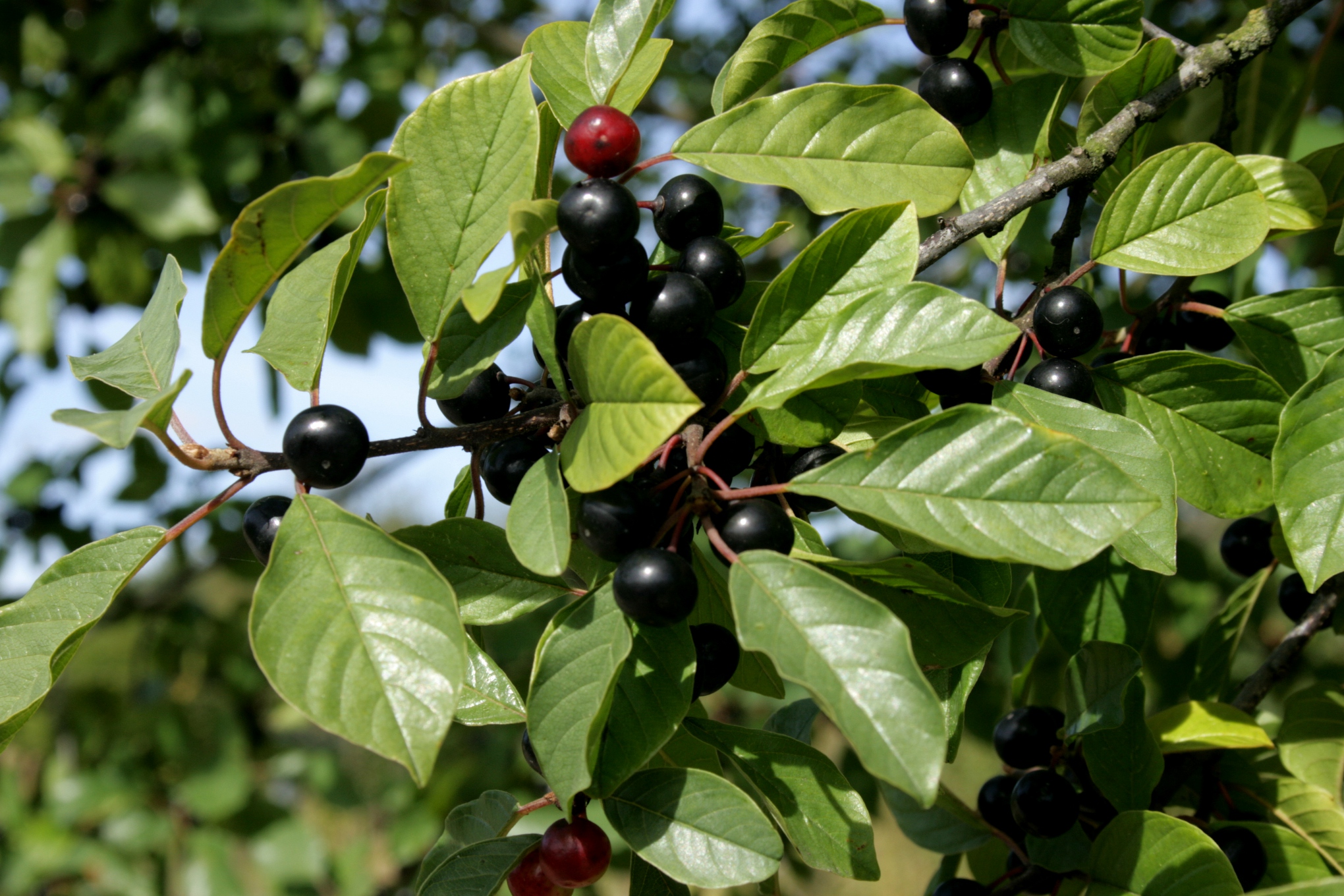 Alder BuckthornFrangula alnus
 AlfalfaMedicago sativa
 AlkanetAlkanna
The whole plate is in the library. The compass, Compare, the Sky of eleven hundred plants and the formulary open with an email address and a password, free, with the formula builder and its safety engine. Herbert without limit, his formulating, clients, the handouts and the labels are the paid room.
Open the library, free