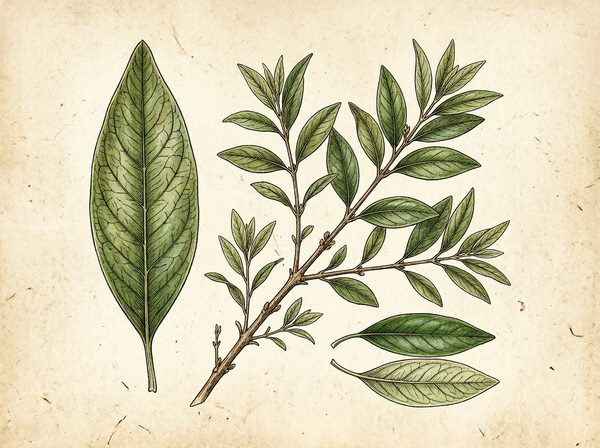
Western Herbalism
Henna
Lawsonia inermis
Primarily used topically as paste/poultice for skin conditions internal use limited and mostly studied in animals traditional Ayurvedic/Unani uses extensive for skin, liver, wounds lawsone is the key dye and bioactive compound 11111528 ETFLIN review Ayurvedic texts like Charaka Samhita

Ask Herbert about Henna. Herbert is the master herbalist inside Bountiful Herbs: he answers from this plate and eleven hundred others, with dosing, pairing and cautions. Your first ten questions are free.
Ask HerbertActions
Indications what the tradition reached for it in
- Hemicrania
- Cephalalgia
- Haemoptysis
- Liver enlargement
- Leprosy
- Burning micturition
- Splenopathy
- Pruritus
- Ophthalmia
- Malignant ulcers
- Dysuria
- Boils
- Hepatopathy
- Hair loss
- Bronchitis
- Ophthalmic disorders
- Spleen enlargement
- Gonorrhea
- Skin inflammation
- Stranguria
- Leukoderma
- Epilepsy
- Febrile disorders
- Headache
- Ulcers
- Cough
- Insomnia
- Jaundice
- Amenorrhea
- Bleeding disorders
Safety
Pregnancy: Use with care in pregnancy
Breastfeeding: Not for use while breastfeeding
The record lists 2 contraindications; open the plate in the library to read them in full.
Dosing as the sources wrote it
| Preparation | As written | Metric |
|---|---|---|
| decoction | decoction 40-60 ml | 40-60 mL |
| leaf powder | leaf powder 5-10 g | 5000-10000 mg |
| flower infusion | flower infusion 50-60 ml | 50-60 mL |
| animal studies: ethanol extract 100-500 mg/kg oral | 100-500 mg |
Doses are reproduced from the sources for practitioners and are not a recommendation for any person.
From the sources
Clinical Notes. Primarily used topically as paste/poultice for skin conditions internal use limited and mostly studied in animals traditional Ayurvedic/Unani uses extensive for skin, liver, wounds lawsone is the key dye and bioactive compound 11111528 ETFLIN review Ayurvedic texts like Charaka Samhita
primary-actions. Henna acts primarily as: Astringent, Anti-inflammatory, Antimicrobial, Vulnerary, Antifungal. Secondary actions include Analgesic, Antioxidant, Hepatoprotective, Antiparasitic, Expectorant, Alterative.
indications. Henna is traditionally indicated for: Hemicrania, Cephalalgia, Haemoptysis, Liver enlargement, Leprosy, Burning micturition, Splenopathy, Pruritus, Ophthalmia, Malignant ulcers, Dysuria, Boils, Hepatopathy, Hair loss, Bronchitis, and 36 further conditions.
constituents. Notable constituents of Henna include: Lawsone (2-hydroxy-1,4-naphthoquinone), flavonoids (apigenin, quercetin, catechin, luteolin, kaempferol), tannins, coumarins, triterpenoids (lupeol, betulinic acid), steroids (β-sitosterol), xanthones, polyphenols, gallic acid, hennotannic acid, alkaloids, saponins.
Nearby on the shelf
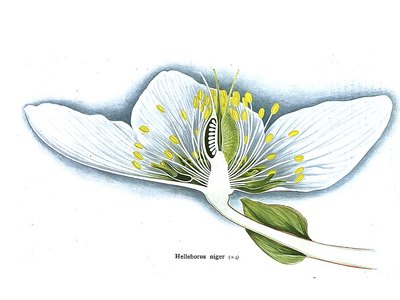 HelleborusHelleborus niger
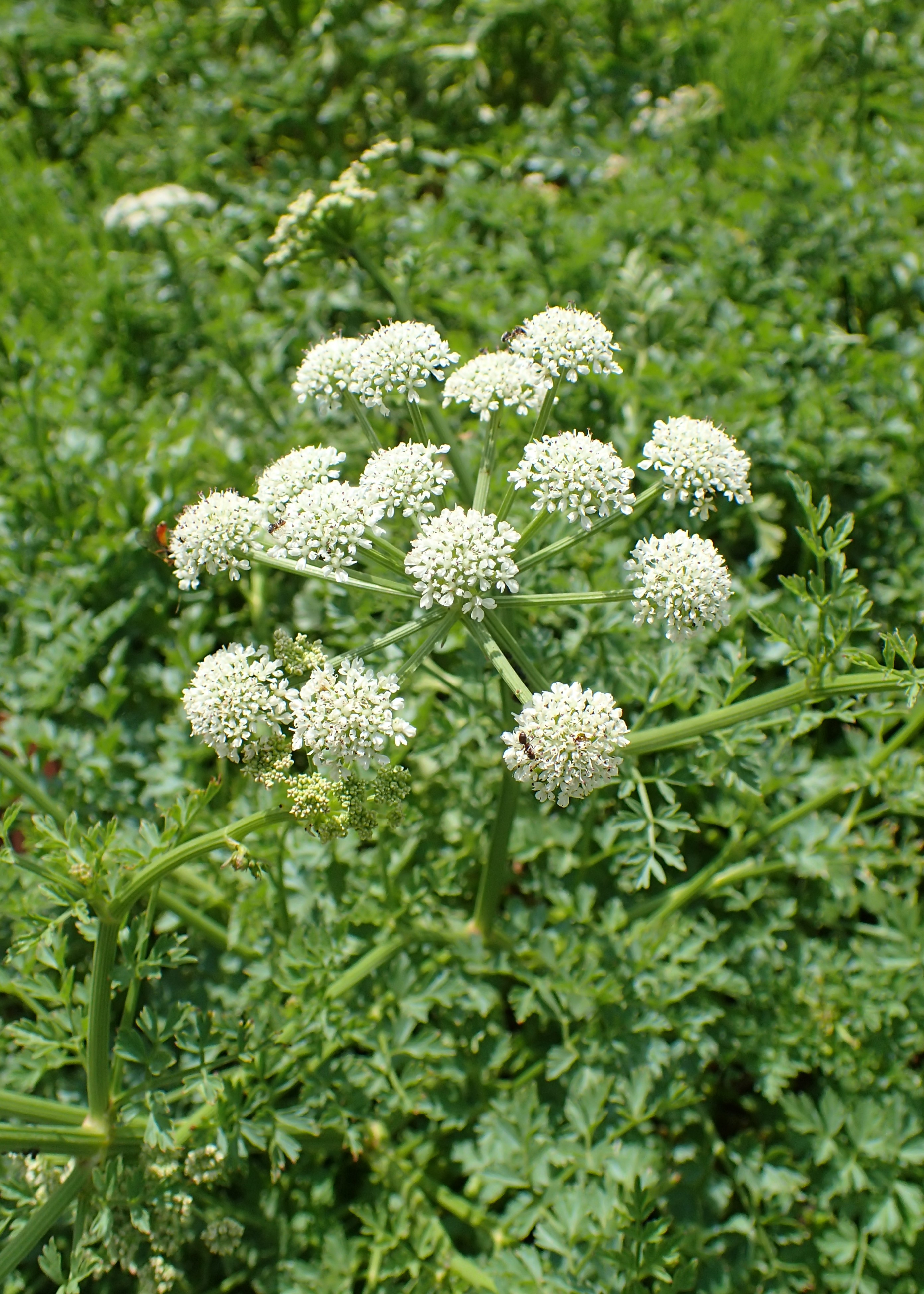 Hemlock water dropwortOenanthe crocata
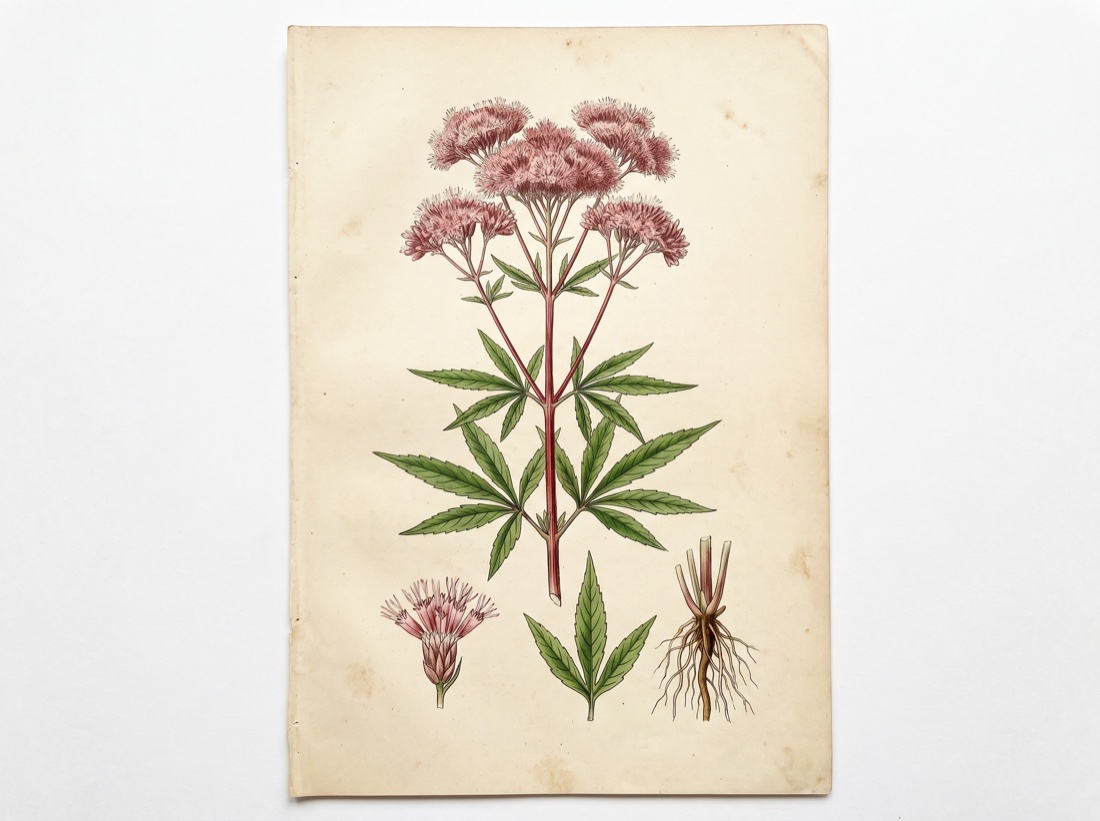 Hemp agrimonyEupatorium cannabinum
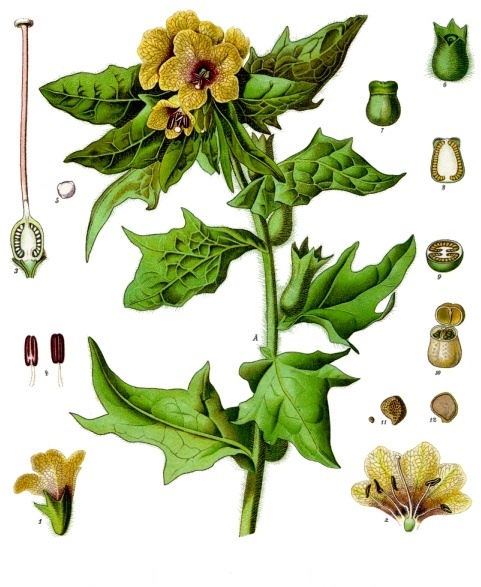 HenbaneHyoscyamus niger
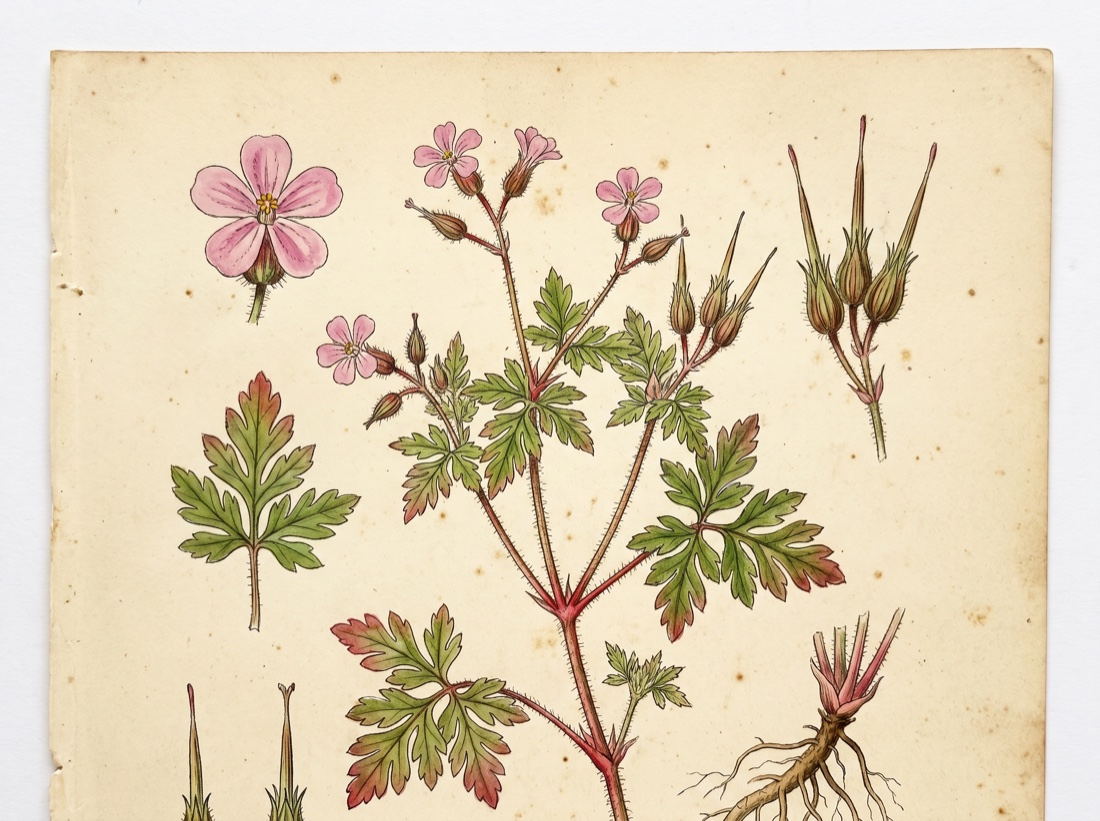 Herb RobertGeranium robertianum
 Hercules-clubZanthoxylum clava-herculis
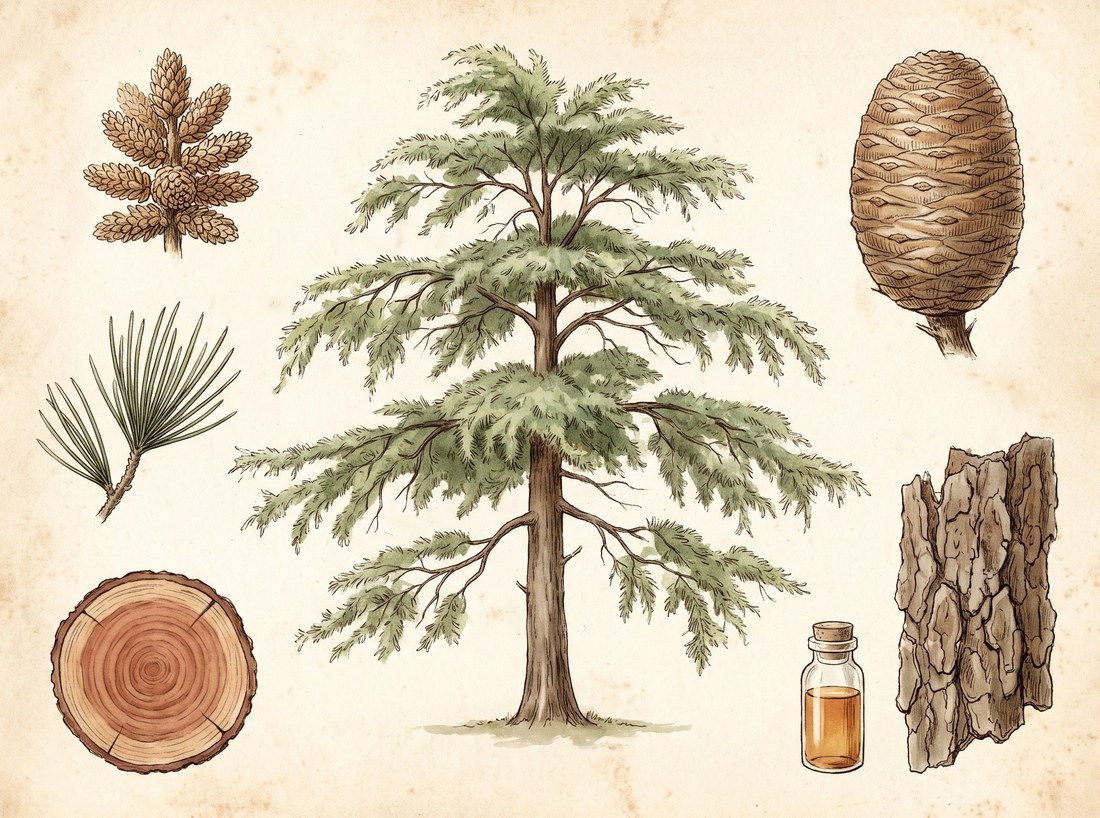 Himalayan cedarCedrus deodara
 Himalayan silver firAbies webbiana
The whole plate is in the library. The compass, Compare, the Sky of eleven hundred plants and the formulary open with an email address and a password, free, with the formula builder and its safety engine. Herbert without limit, his formulating, clients, the handouts and the labels are the paid room.
Open the library, free