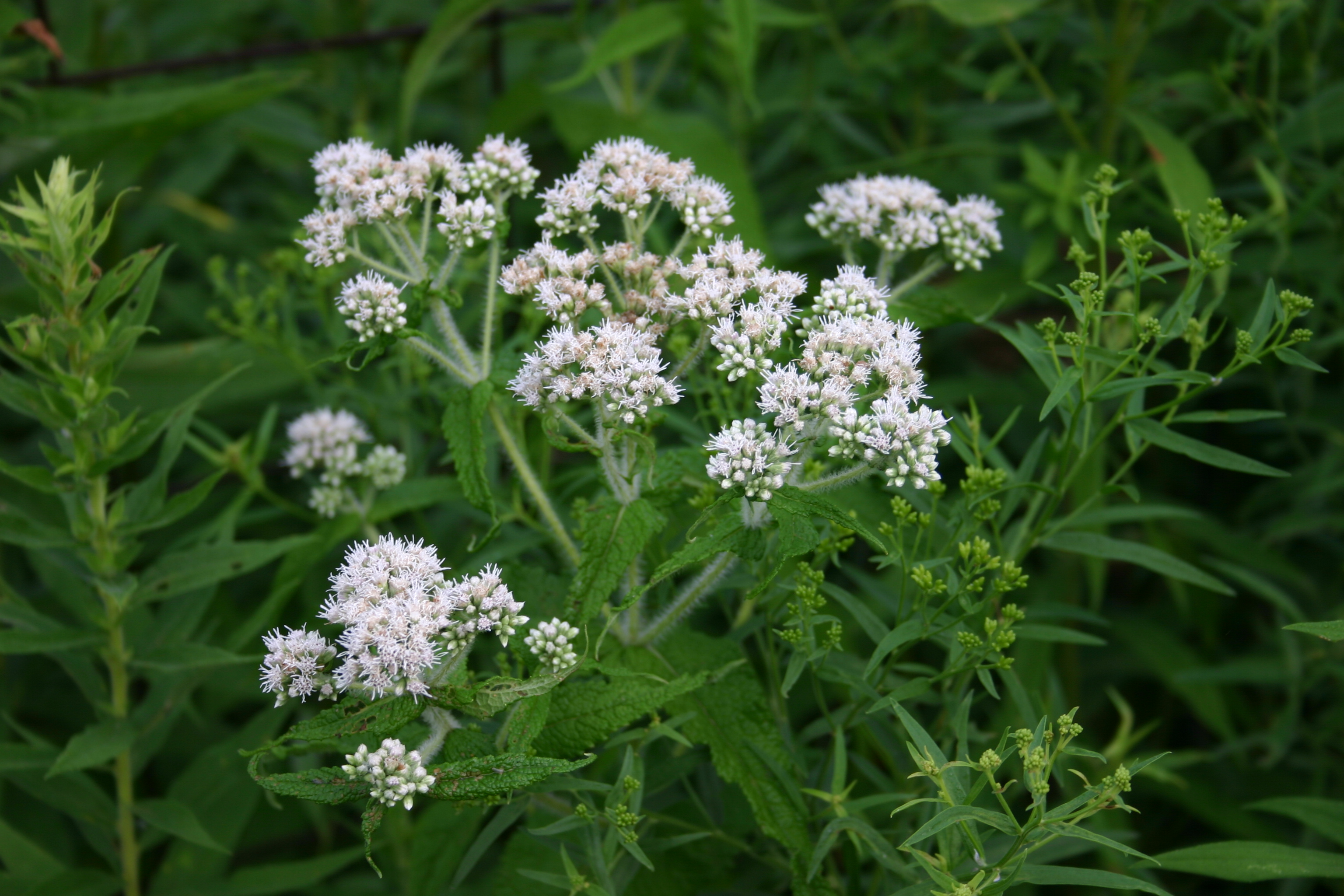
Western Herbalism
Gravel root
Eupatorium purpureum
Also known as Joe pye weed, Queen of the meadow, Kydney Root, Purple Boneset, Wild hoarhound, Eupatorium, Queen of the Meadows, Gravel Weed.
While of some value in chronic gastro-intestinal irritation, with catarrhal secretion, and in some forms of cough, with free expectoration, the chief use of gravel-root is to relieve chronic irritation of the urinary passages.

Ask Herbert about Gravel root. Herbert is the master herbalist inside Bountiful Herbs: he answers from this plate and eleven hundred others, with dosing, pairing and cautions. Your first ten questions are free.
Ask HerbertActions
Indications what the tradition reached for it in
- Prostatitis
- Urethritis
- Cystitis
- Kidney stone
- Edema
- Fluid retention
- Urinary disorders
- Urinary complaints
- Urinary calculi
- Urinary calculus
- Dysuria
- Rheumatism
- Gout
- Specifically for renal
- Vesicular calculi
Safety
Recognised toxicity. This plant carries a toxicity flag in the record; it is for trained practitioners only.
Pregnancy: Pregnancy Caution
Breastfeeding: Not for use while breastfeeding
The record lists 3 contraindications; open the plate in the library to read them in full.
Dosing as the sources wrote it
| Preparation | As written | Metric |
|---|---|---|
| Tincture (1:3-1:5) | 1-3ml TID | 1-3 mL |
| Decoction | 1-2 tsp/c TID | |
| Dried rhizome/root 2-4 g as a decoction three times daily | 2000-4000 mg | |
| (G7) Liquid extract 2-4 mL (1 : 1 in 25% alcohol) three times daily .(G7) Tincture 1-2 mL (1 : 5 in 40% alcohol) three times daily | 2-4 mL | |
| of which the dose is usually a fluid ounce once in two hours for acute cases, and two fluid ounces four times a day in more lingering cases | 59.15-59.15 mL | |
| It may be used in doses of from ten to thirty drops | 0.2-0.6 mL |
Doses are reproduced from the sources for practitioners and are not a recommendation for any person.
From the sources
Action and Therapy. While of some value in chronic gastro-intestinal irritation, with catarrhal secretion, and in some forms of cough, with free expectoration, the chief use of gravel-root is to relieve chronic irritation of the urinary passages.
Properties and Uses. The root is largely relaxant, with very moderate stimulating properties; acting rather slowly and somewhat persistently. Its chief influence is expended upon the kidneys, bladder, and uterus; and it impresses the nerves of these parts, and probably the whole sympathetic nervous system, distinctly.
Properties and Uses. The leaves and flowers of this plant have properties in many respects similar to those of boneset; but are more distinctly stimulating than the latter article, and also more diffusive. A warm diffusion is quite prompt in securing perspiration, which is followed by a good action on the bowels. It, as well as the species hyssopifolium and rotundifolium, have a wide reputation through the South for their power in casting out of the virus of serpents, and for curing bilious remittents and intermittents. They no doubt deserve more attention than. has yet been given to them by the profession. Medical Herbalism journal and medherb.com The Physiomedical Dispensatory by William Cook, M.D., 1869
Action, Medical Uses, and Dosage. This forms a stimulating diuretic, and will be found useful in suppression of urine, torpor or paralysis of the kidneys or bladder, rheumatism, hepatic torpor, derangements of the digestive functions, etc. The dose is 1 pill, to be repeated 3 or 4 times a day (J. King).
Drawn from Cook's Physio-Medical Dispensatory; Scudder's Specific Medication and Specific Medicines; King's American Dispensatory, 18th edition (Felter and Lloyd); Ellingwood's American Materia Medica, Therapeutics and Pharmacognosy, and the Bountiful Herbs editorial.
Often paired with
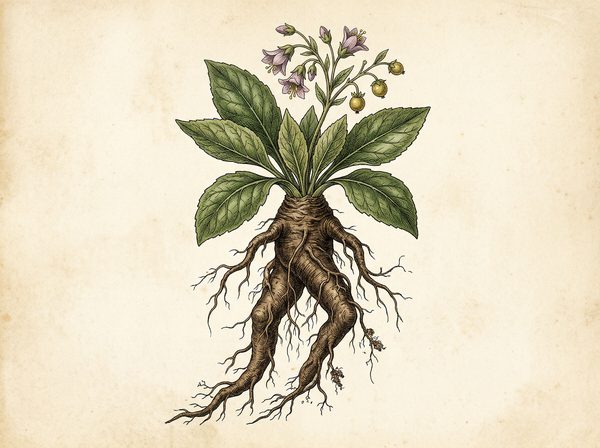 MandrakeMandragora officinarum
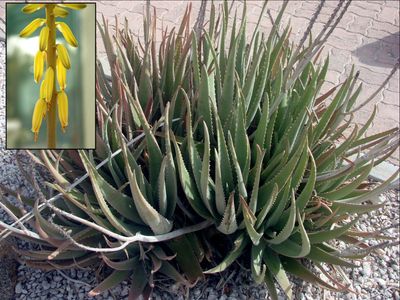 aloe veraAloe vera
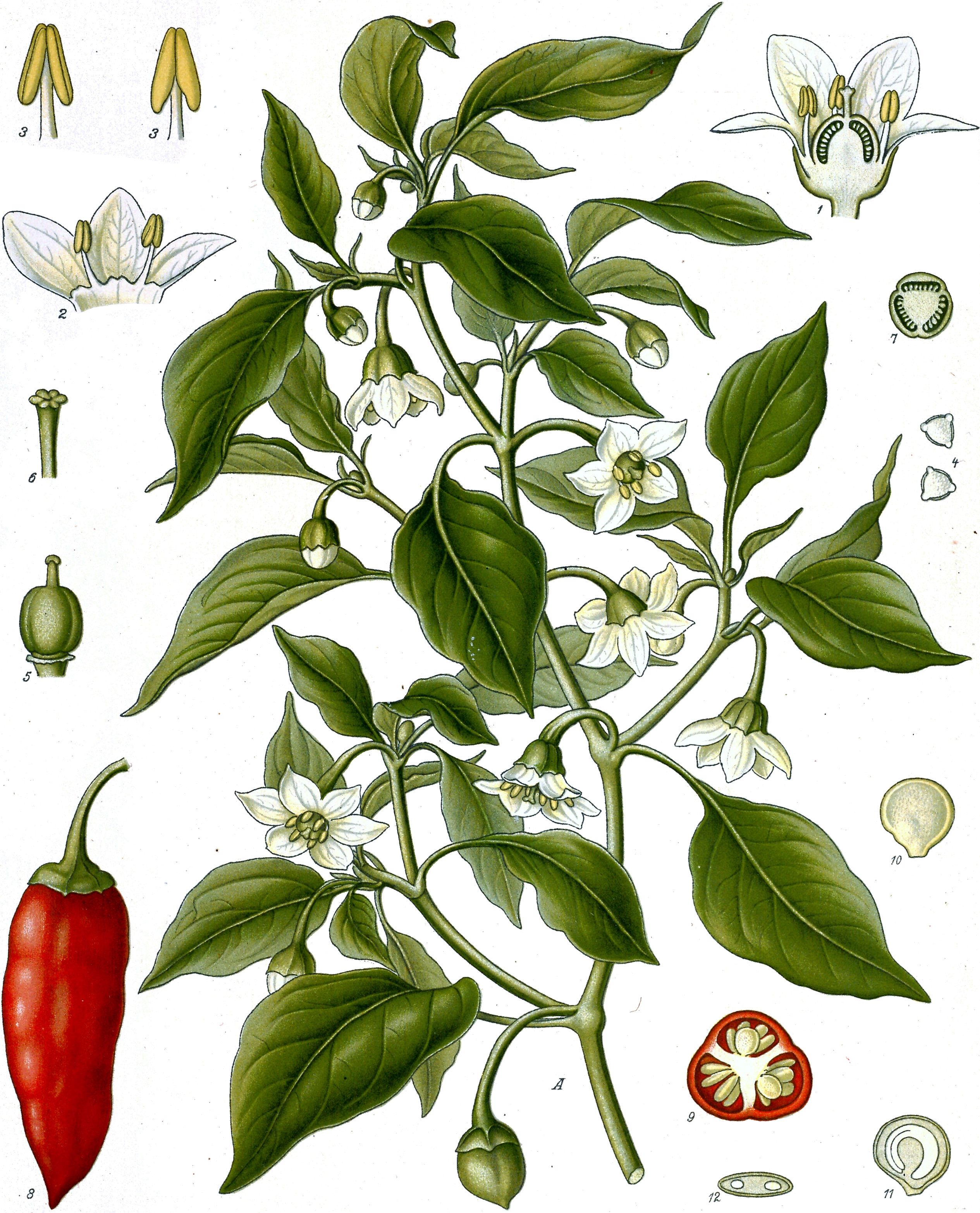 CayenneCapsicum frutescens
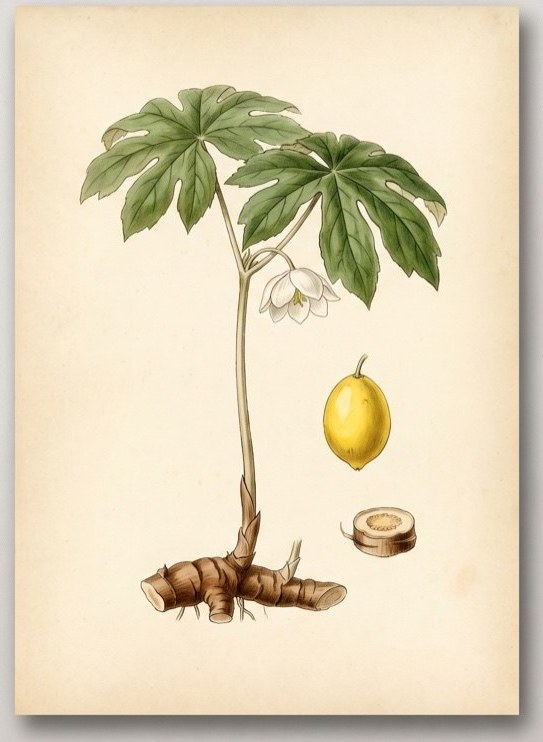 May applePodophyllum peltatum
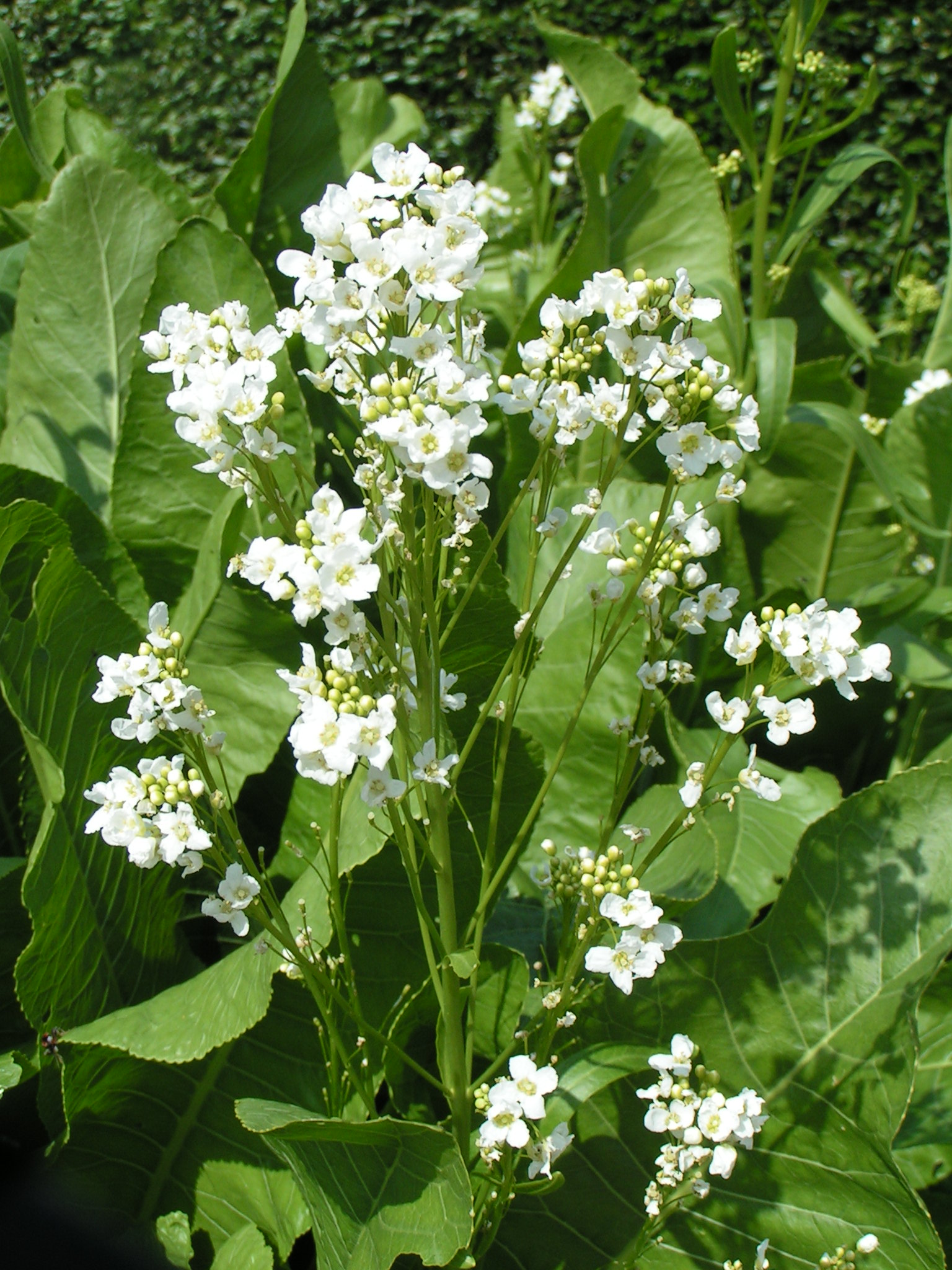 HorseradishArmoracia rusticana
Nearby on the shelf
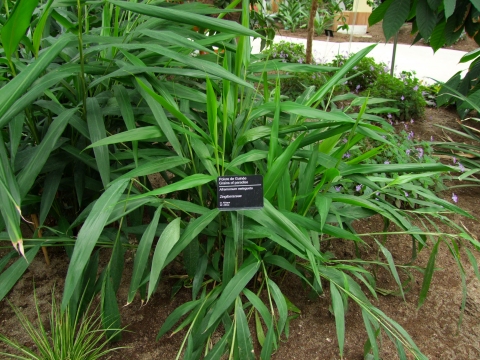 Grains of ParadiseAframomum melegueta
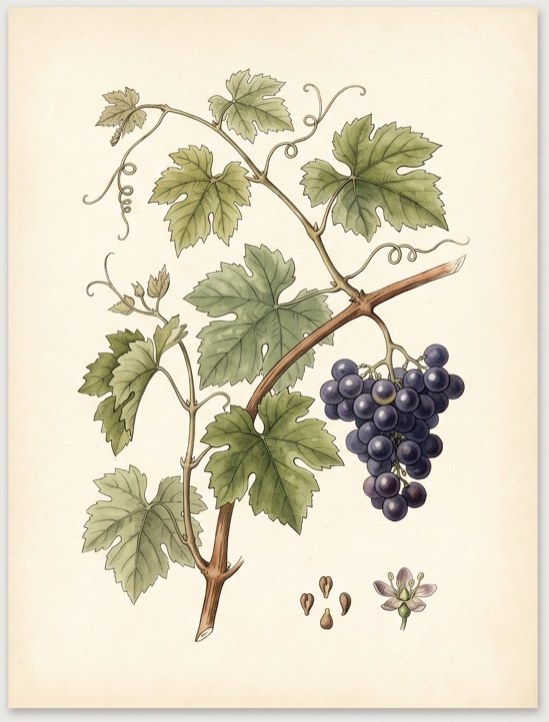 GrapeVitis vinifera
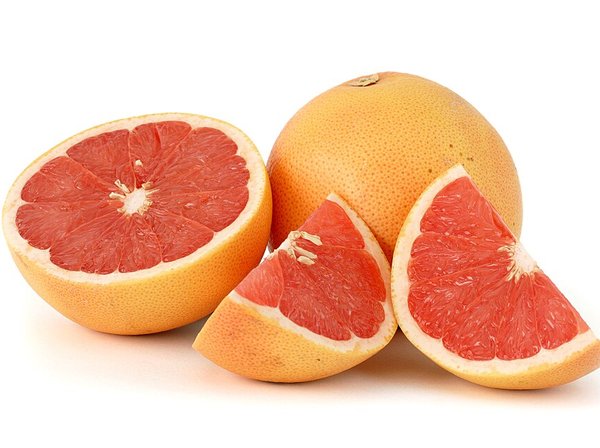 GrapefruitCitrus x paradisi
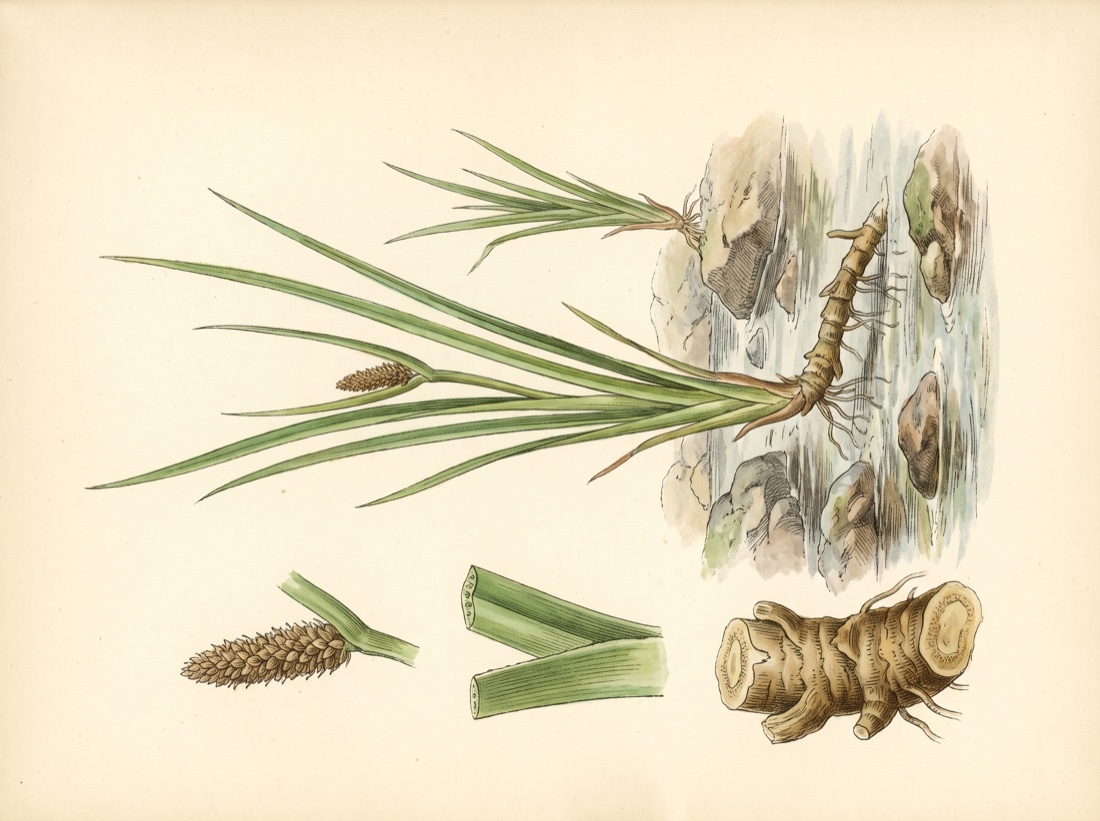 Grass-leaf sweet flagAcorus gramineus
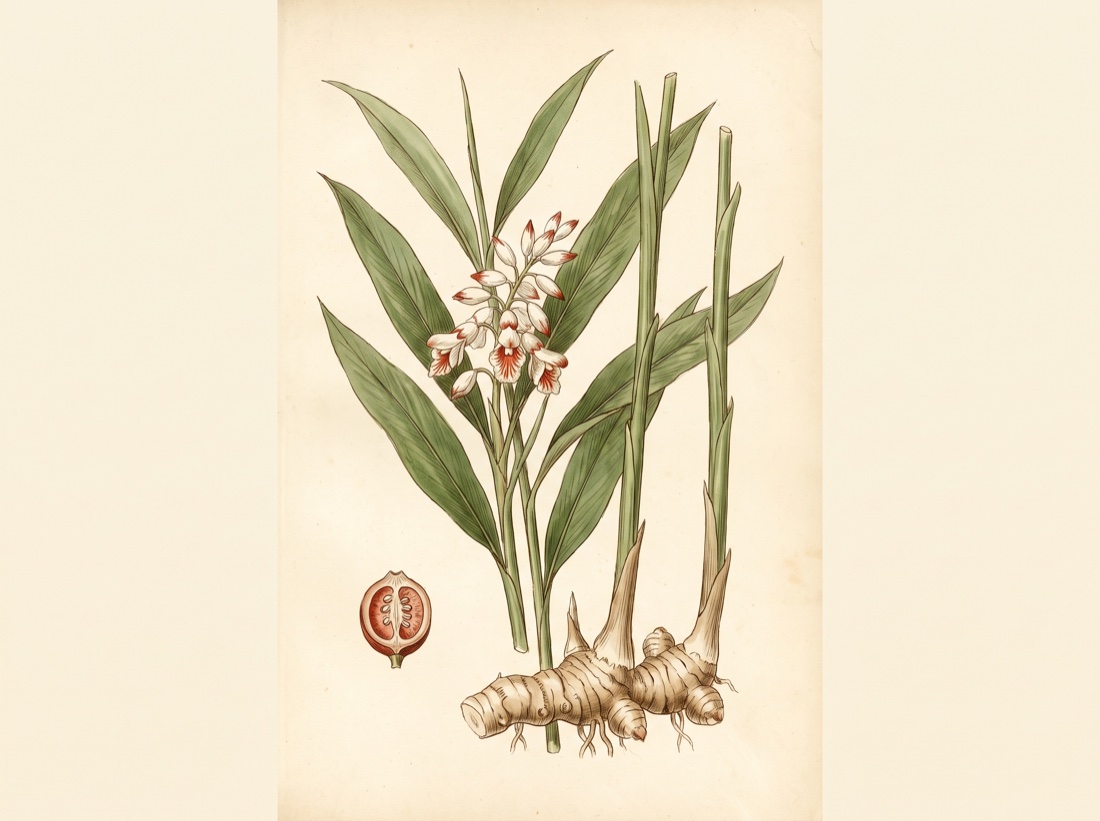 Greater galangalAlpinia galanga
 Greater periwinkleVinca major
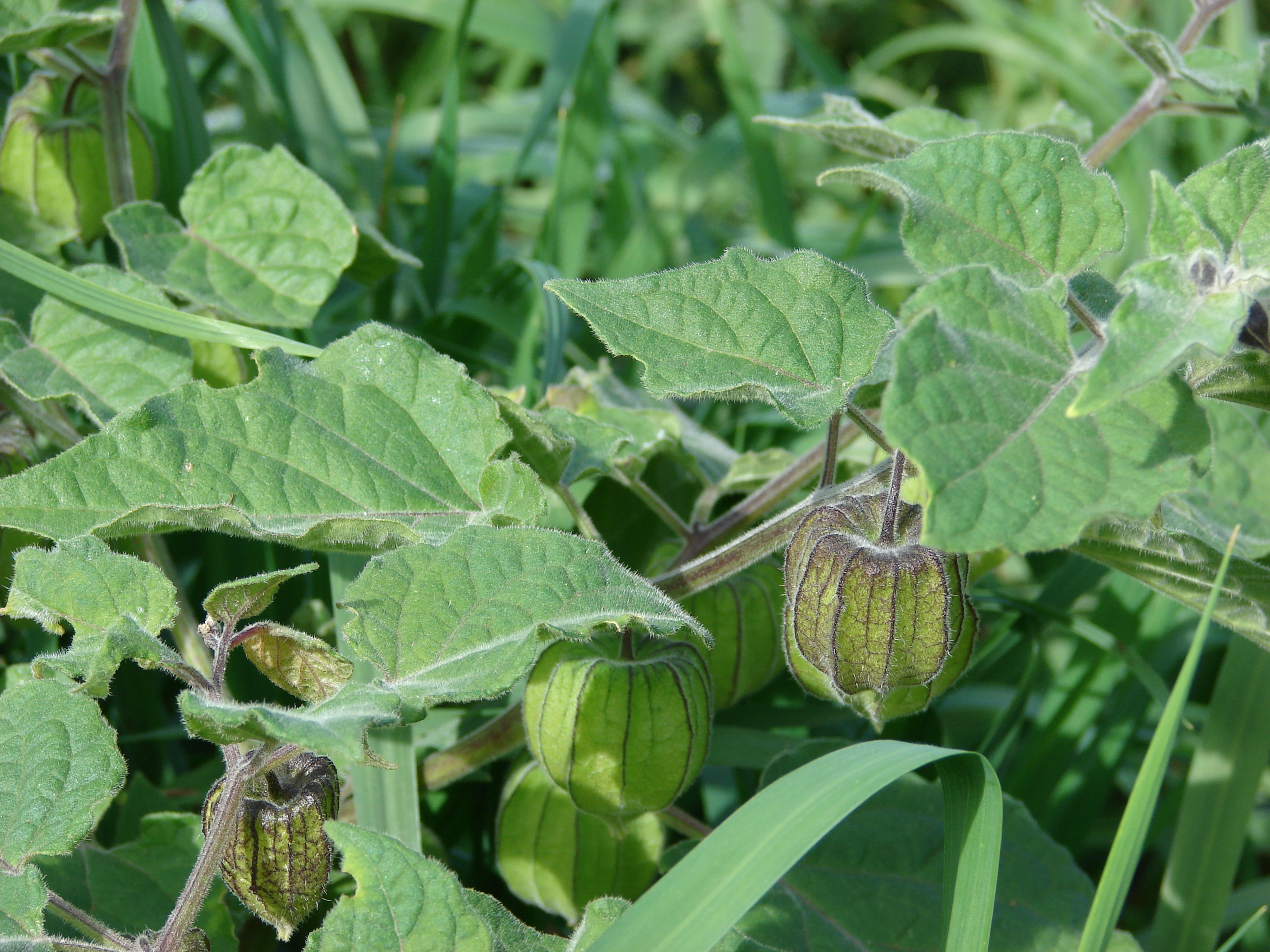 Ground CherryPhysalis
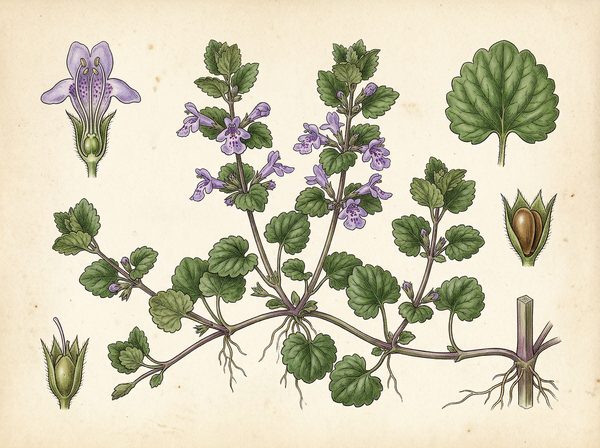 Ground IvyGlechoma hederacea
The whole plate is in the library. The compass, Compare, the Sky of eleven hundred plants and the formulary open with an email address and a password, free, with the formula builder and its safety engine. Herbert without limit, his formulating, clients, the handouts and the labels are the paid room.
Open the library, free