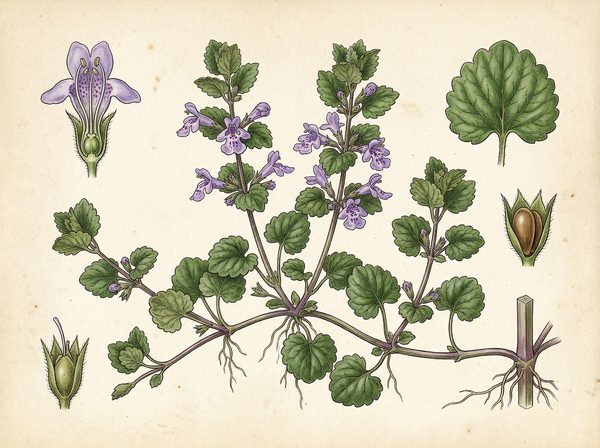
Western Herbalism
Ground Ivy
Glechoma hederacea
Also known as Gill-over-the-ground, Cat-foot, Gill-go-over-the-ground.
Avoid in children under 12 Harvest from clean soil due to potential heavy metal accumulation Pulegone hepatotoxic in high doses Used historically to prevent scurvy and for lung distempers Herbal Academy

Ask Herbert about Ground Ivy. Herbert is the master herbalist inside Bountiful Herbs: he answers from this plate and eleven hundred others, with dosing, pairing and cautions. Your first ten questions are free.
Ask HerbertActions
Indications what the tradition reached for it in
- Mouth inflammation
- Ear infection
- Gallbladder issues
- Inflammatory bowel conditions
- Eustachian tube dysfunction
- Middle ear infections
- Mastitis
- Bronchitis
- Skin inflammation
- Abdominal cramps
- Tinnitus
- Dyspepsia
- Kidney disorders
- Urinary tract infection
- Headaches (sinus)
- Cough
- Gas
- Congestive
- Cystitis
- Colds
- Minor wounds
- Lymphatic congestion (neck)
- Jaundice
- Bloody or foul urine
- Blocked ears
- Sinus congestion
- Congestion
- Diarrhea
- Earache
- Sore throat
Safety
Pregnancy: Not safe. Not for use in pregnancy (our record's flag)
Pregnancy, our record's flag: Caution. Use with care in pregnancy (our record's flag)
Pregnancy, a modern clinical reference: The safety of ground ivy has not been established
Breastfeeding: Not safe. Not for use while breastfeeding (our record's flag)
The record lists 6 contraindications; open the plate in the library to read them in full.
Dosing as the sources wrote it
| Preparation | As written | Metric |
|---|---|---|
| Tincture fresh aerial parts | Tincture fresh aerial parts 1:2 100% alcohol, 15-60 drops 3x/day | |
| Tincture dried | Tincture dried 1:5 40% alcohol, 30-80 drops 3x/day | |
| Infusion dried herb | Infusion dried herb 3-6g/day | 3000-6000 mg |
| Liquid extract | Liquid extract 1:2 3-6ml/day | 3-6 mL |
| Dried herb 2-4 g as an infusion three times daily | 2000-4000 mg | |
| Liquid extract 2-4 mL (1 : 1 in 25% alcohol) three times daily. | 2-4 mL |
Doses are reproduced from the sources for practitioners and are not a recommendation for any person.
From the sources
Clinical Notes. Avoid in children under 12 Harvest from clean soil due to potential heavy metal accumulation Pulegone hepatotoxic in high doses Used historically to prevent scurvy and for lung distempers Herbal Academy
Properties and Uses. This herb is a popular family remedy, and is sometimes used by the profession; though the marvelous repute it once enjoyed in England, has very properly faded away. Water extracts from it a mild bitter quality, slightly stimulating, and associated with a very little mucilage.
Action, Medical Uses, and Dosage. Ground ivy is stimulant, tonic, and pectoral, and has been recommended in diseases of the lungs and kidneys, asthma, jaundice, hypochondria, and monomania. An infusion of the leaves is highly recommended in lead colic, and it is stated that painters who make use of it often are never troubled with that affliction. The fresh juice snuffed up the nose is said to cure headache. Dose of the powdered leaves, from ½ to 1 drachm; of the infusion, 1 or 2 fluid ounces. A tincture of the fresh plant, prepared with 98 per cent alcohol, may be given in doses of 1 to 15 drops.
primary-actions. Ground Ivy acts primarily as: Anticatarrhal, Expectorant, Diaphoretic, Diuretic. Secondary actions include Anti-inflammatory, Astringent, Bitter digestive tonic, Vulnerary, Lymphagogue, Carminative.
Drawn from Cook's Physio-Medical Dispensatory; King's American Dispensatory, 18th edition (Felter and Lloyd), and the Bountiful Herbs editorial.
Nearby on the shelf
 Gravel rootEupatorium purpureum
 Greater galangalAlpinia galanga
 Greater periwinkleVinca major
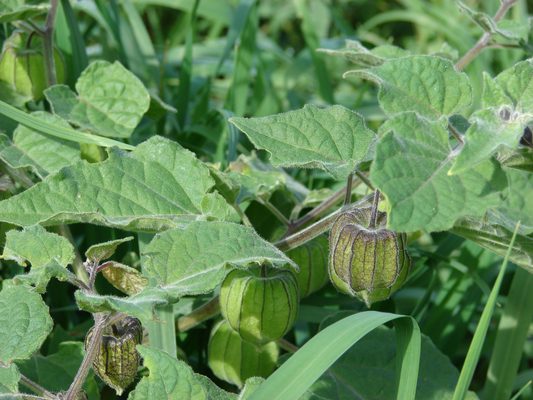 Ground CherryPhysalis viscosa
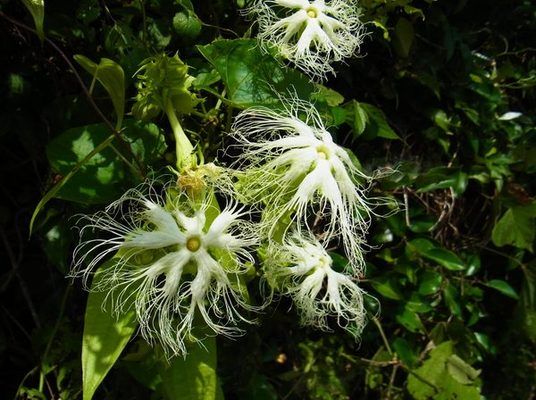 Gua LouTrichosanthes kirilowii
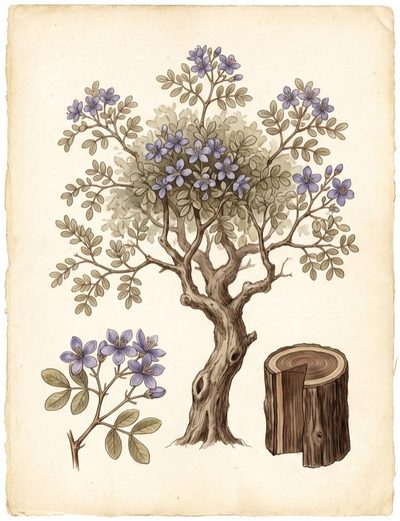 GuaiacumGuaiacum officinale
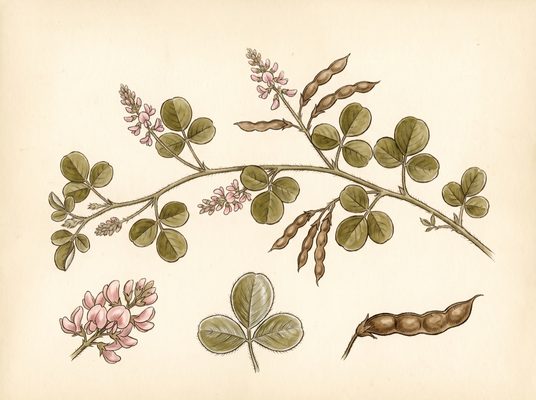 Guangdong money grassGrona styracifolia
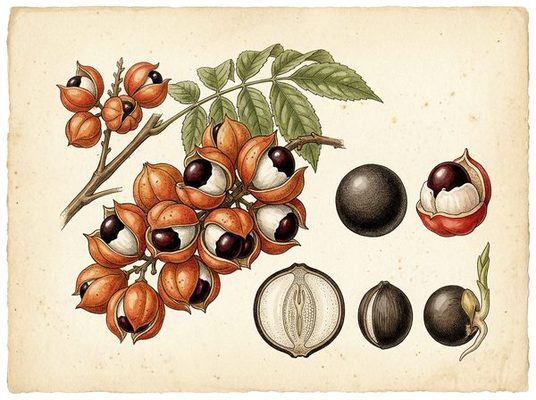 GuaranaPaullinia cupana
The whole plate is in the library. The compass, Compare, the Sky of eleven hundred plants and the formulary open with an email address and a password, free, with the formula builder and its safety engine. Herbert in full, his formulating, clients, the handouts and the labels are the paid room.
Open the library, free