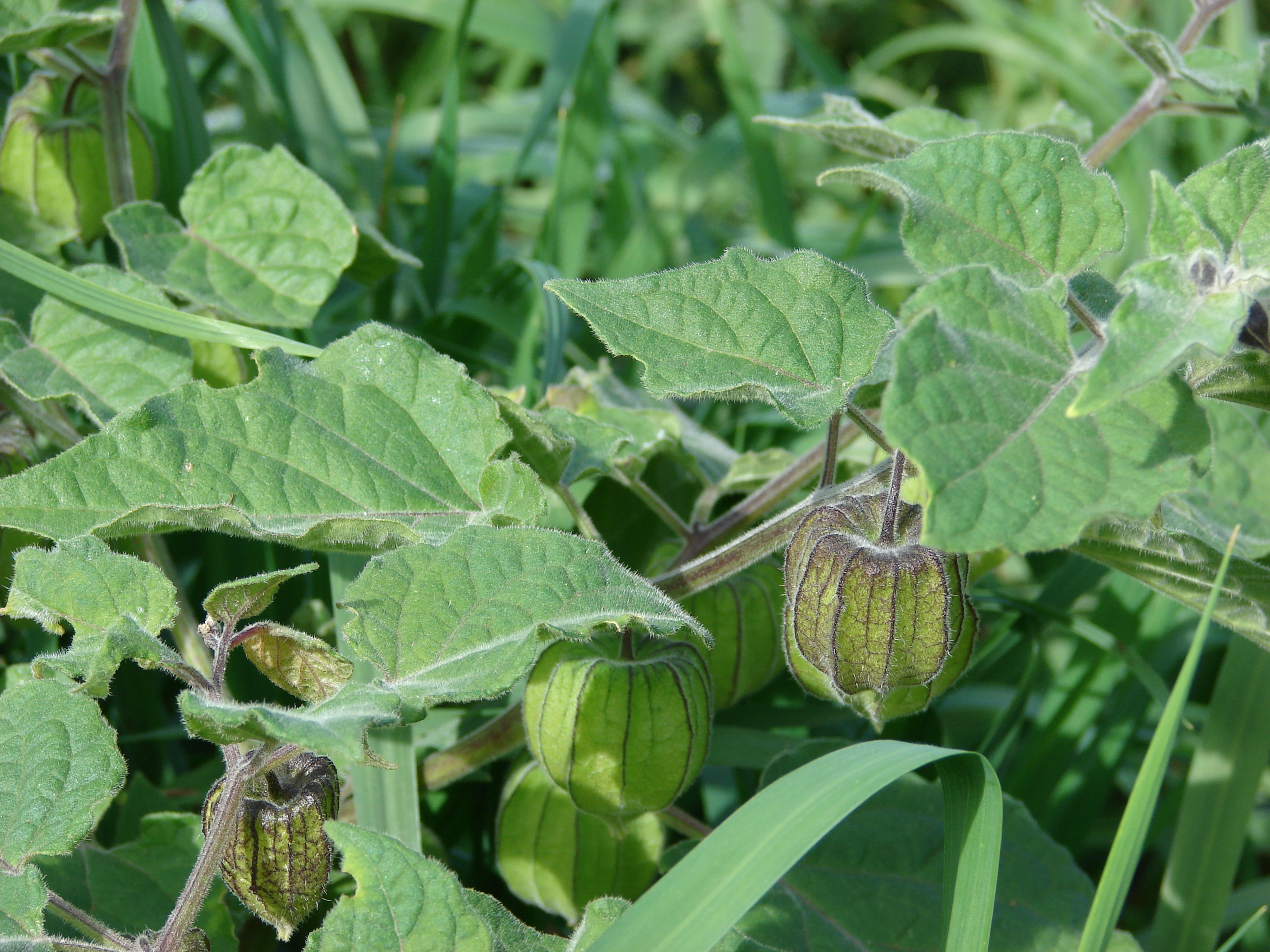
Western Herbalism
Ground Cherry
Physalis
Also known as Winter Cherry, Chinese Lantern, Bladder Cherry, Yellow Henbane.
Physalis is a genus of Solanaceae herbs bearing a papery, lantern-like husk around a small berry, native across temperate Eurasia, the Americas and parts of Asia depending on species. The species most often used medicinally in older Western herbal practice, commonly called ground cherry or winter cherry, is now classified botanically as Alkekengi officinarum, though it long carried the name Physalis alkekengi. Nineteenth century eclectic physicians used the fresh ripe fruit and aerial parts as a diuretic and mild anti-inflammatory, largely for urinary gravel, gout and dropsy, while related species have long been used in East Asian medicine for the dried calyx as a remedy for sore throat and cough.

Ask Herbert about Ground Cherry. Herbert is the master herbalist inside Bountiful Herbs: he answers from this plate and eleven hundred others, with dosing, pairing and cautions. Your first ten questions are free.
Ask HerbertActions
Indications what the tradition reached for it in
- Urinary gravel and calculi
- Scanty or painful urination
- Gouty joint pain
- Edema with reduced urine output
- Jaundice with sluggish liver function
- Cystitis
- Rheumatic pain
- Sore throat with cough (calyx)
- Low-grade fevers of the eclectic 'febrile' type
Specific indications
Scanty, painful urination with visible gravel or sediment in the urine
Gouty or rheumatic joint swelling with concurrent poor urinary output
Safety
Low dose botanical. Used in drop doses in the classical practice; not a plant to dose freely.
Pregnancy: Limited safety data in pregnancy
The record lists 4 contraindications; open the plate in the library to read them in full.
In practice
In the older eclectic literature ground cherry appears as a gentle diuretic reached for when a patient presents with scanty, painful urination and suspected gravel, often alongside gouty or rheumatic complaints where reduced urinary elimination is part of the picture.
Dosing as the sources wrote it
| Preparation | As written | Metric |
|---|---|---|
| Fresh fruit juice or infusion of dried herb | 1-2 g dried aerial parts as infusion, up to three times daily | 1000-2000 mg |
| Tincture (1:5, 40%) | 1-2 mL three times daily | 1-2 mL |
| Dose, of the juice of the berries, 1 or 2 fluid ounces. | 59.15-59.15 mL |
Doses are reproduced from the sources for practitioners and are not a recommendation for any person.
From the sources
Overview. Physalis is a genus of Solanaceae herbs bearing a papery, lantern-like husk around a small berry, native across temperate Eurasia, the Americas and parts of Asia depending on species. The species most often used medicinally in older Western herbal practice, commonly called ground cherry or winter cherry, is now classified botanically as Alkekengi officinarum, though it long carried the name Physalis alkekengi. Nineteenth century eclectic physicians used the fresh ripe fruit and aerial parts as a diuretic and mild anti-inflammatory, largely for urinary gravel, gout and dropsy, while related species have long been used in East Asian medicine for the dried calyx as a remedy for sore throat and cough.
Clinical Notes. In the older eclectic literature ground cherry appears as a gentle diuretic reached for when a patient presents with scanty, painful urination and suspected gravel, often alongside gouty or rheumatic complaints where reduced urinary elimination is part of the picture.
Drawn from King's American Dispensatory, 18th edition (Felter and Lloyd), and the Bountiful Herbs editorial.
Nearby on the shelf
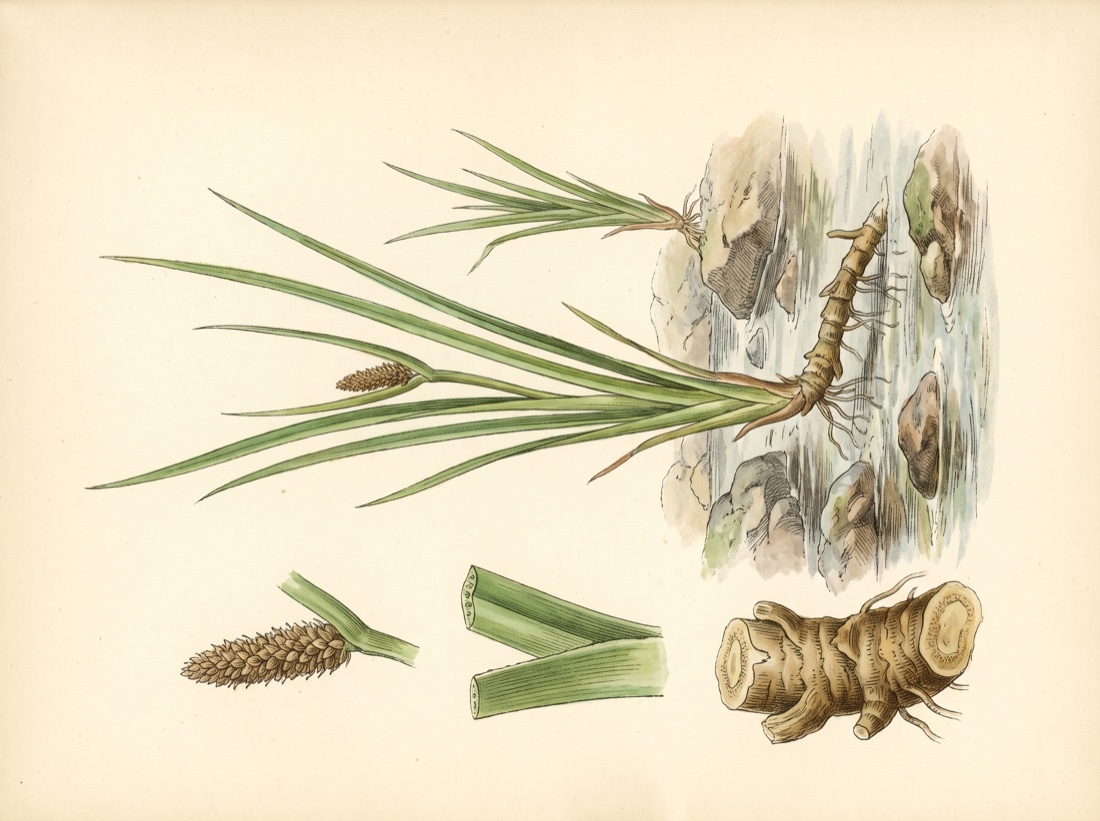 Grass-leaf sweet flagAcorus gramineus
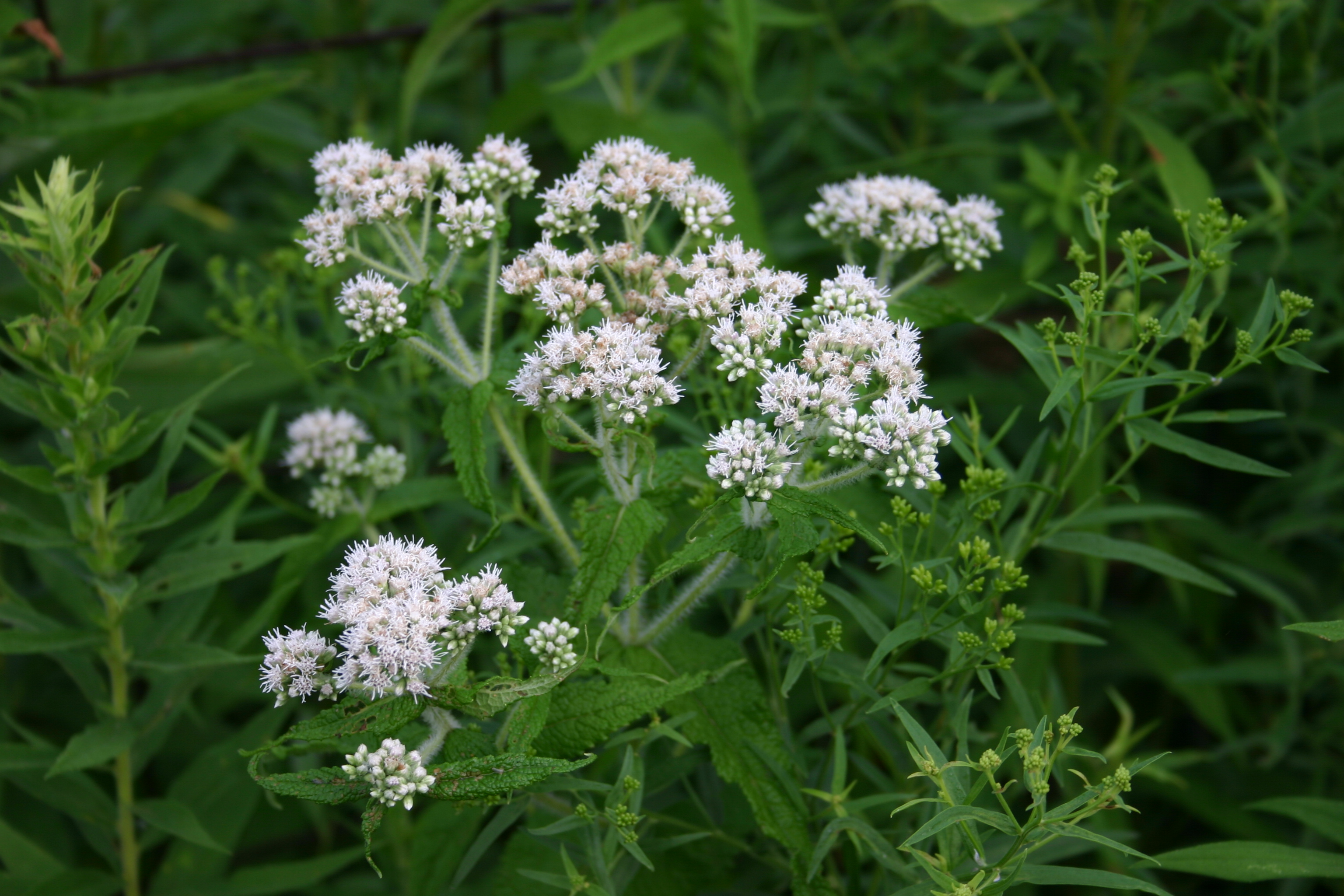 Gravel rootEupatorium purpureum
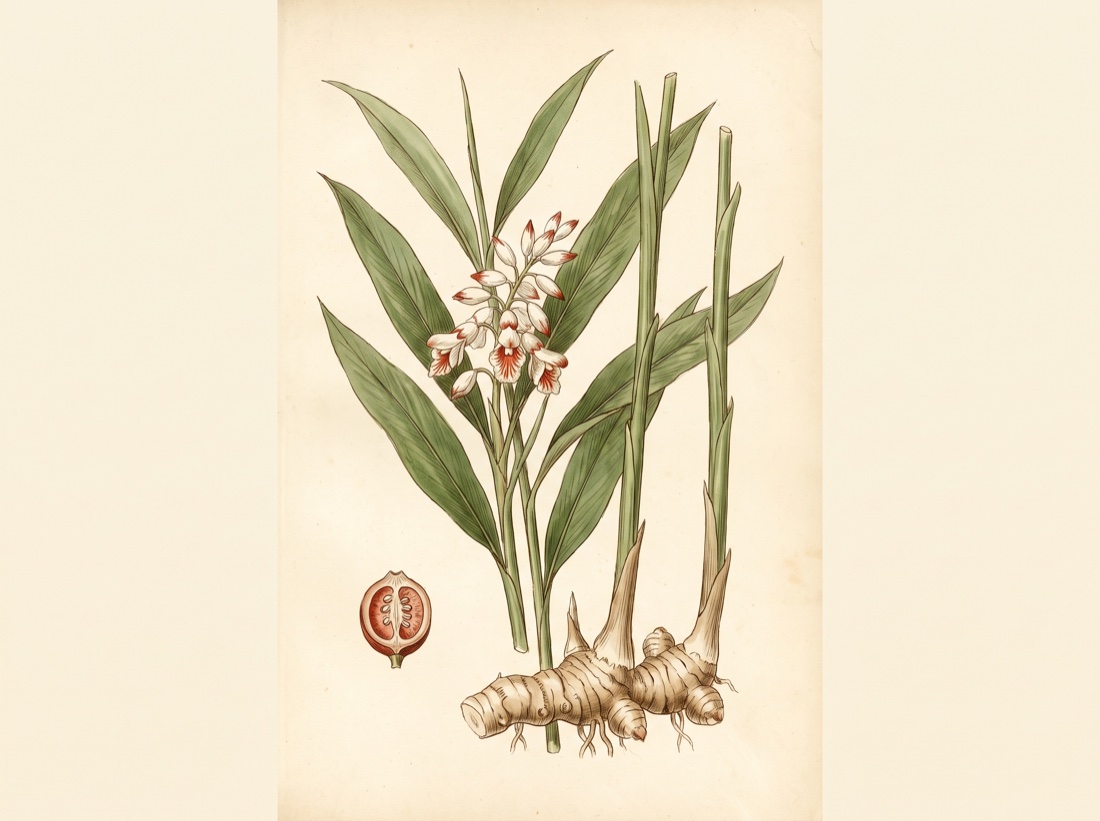 Greater galangalAlpinia galanga
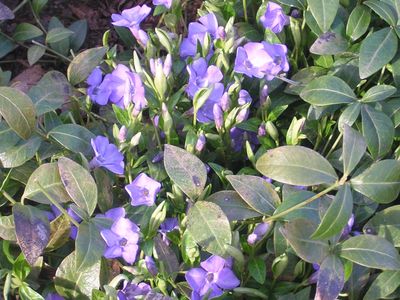 Greater periwinkleVinca major
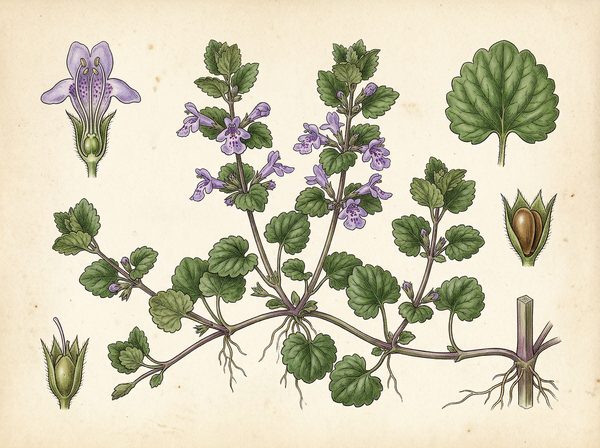 Ground IvyGlechoma hederacea
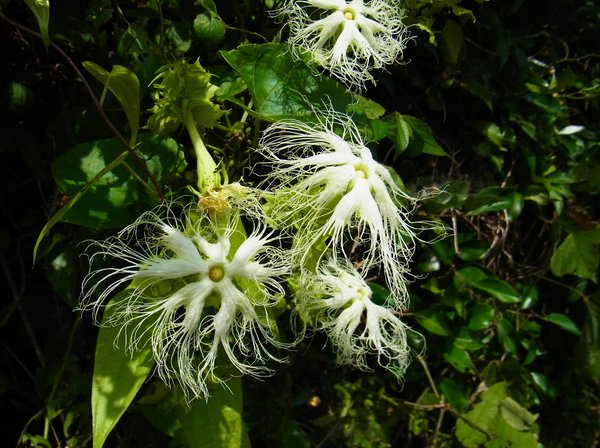 Gua LouTrichosanthes kirilowii
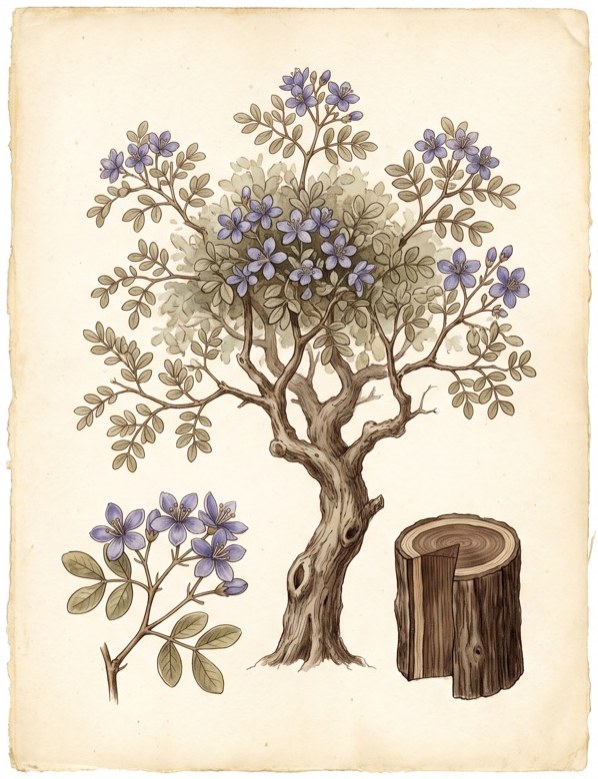 GuaiacumGuaiacum officinale
 Guangdong money grassGrona styracifolia
The whole plate is in the library. The compass, Compare, the Sky of eleven hundred plants and the formulary open with an email address and a password, free, with the formula builder and its safety engine. Herbert without limit, his formulating, clients, the handouts and the labels are the paid room.
Open the library, free