Western and Ayurvedic herbalism
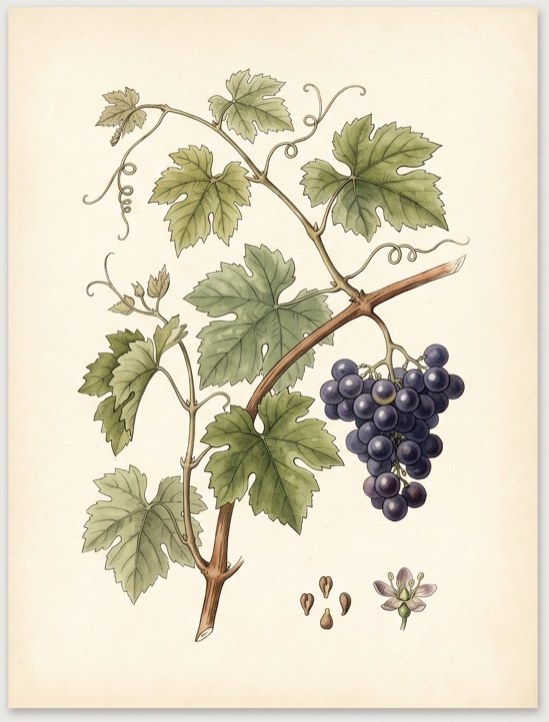
Grape
Vitis vinifera
Also known as grapevine, raisin, munakka, Grape Seed, grapeseed extract, Draksha, Mridvika, Gostani.
Vitis vinifera is the cultivated grapevine, a woody climber of Mediterranean and West Asian origin grown in India chiefly in Maharashtra, Karnataka and Andhra Pradesh; the dried fruit has been imported from Afghanistan and Persia since antiquity and the vine now grows across the country. Ayurveda calls the fruit Draksha and rates it the best of fruits: sweet, cooling, unctuous and heavy, a food that nourishes wasted tissue, quenches thirst, softens the bowel and cools fever and bleeding. Grape seed extract, standardized to its proanthocyanidins, is a modern addition valued for the blood vessels and eyes.

Ask Herbert about Grape. Herbert is the master herbalist inside Bountiful Herbs: he answers from this plate and eleven hundred others, with dosing, pairing and cautions. Your first ten questions are free.
Ask HerbertActions
Indications what the tradition reached for it in
- Convalescence and debility with dryness and thirst
- Chronic constipation in the elderly and in children
- Chronic low-grade fever with burning and thirst
- Dry cough and hoarseness
- Alcohol hangover and alcohol-related liver strain
- Chronic venous insufficiency and varicose veins (seed extract)
- Mild hypertension and metabolic syndrome (seed extract, adjunct)
- Bleeding gums and nosebleeds of pitta type
- Anemia with poor appetite (as a food)
- Diabetic and hypertensive retinopathy (seed extract, adjunct)
- Dry, aging skin (seed extract and oil)
- Wounds
- High cholesterol
- Poor circulation
- Leg swelling
- Elevated LDL cholesterol
- Diastolic hypertension
- High blood pressure
- Oxidative stress
- Elevated triglycerides
- Chronic venous insufficiency
- Bleeding
- Diarrhea
- Inflammation
- Hypertension
- Excessive discharge
- Diabetic retinopathy
- Pancreatitis
- Preventing reperfusion injury
- Reduces sun burn
Specific indications
A thin, dry, hot patient with thirst, burning, constipation and a fever that lingers after illness, who needs to be fed as well as cooled
The elderly patient with hard, dry stools and a weak appetite for whom purgatives are too harsh
Heavy, aching legs with visible veins and ankle swelling by evening in a patient with a sedentary occupation
The person who drinks too much and wakes with burning, thirst, nausea and a tender liver
Safety
Pregnancy: Pregnancy Caution
Breastfeeding: Lactation (source flag notSafeInLactation)
The record lists 7 contraindications; open the plate in the library to read them in full.
In practice
The Ayurvedic practitioner uses Draksha as a nourishing cooler for vata-pitta conditions. Munakka soaked overnight in water and eaten in the morning, seeds and all, is the household remedy for constipation, dryness and low energy in children and the elderly; the soaking water is drunk for thirst and burning.
In Ayurveda
Rasa: madhura (sweet), with a slight kashaya (astringent) note in the seed and skin. Virya: sheeta (cooling). Vipaka: madhura (sweet). Guna: guru (heavy), snigdha (unctuous), mridu (soft). Dosha: pacifies vata and pitta; increases kapha in excess. Karma: brimhana (nourishing, builds tissue); vrishya (aphrodisiac); chakshushya (benefits the eyes); sara and mridu bhedana (gently laxative); trishnahara (relieves thirst); dahaprashamana (relieves burning); jvaraghna (relieves fever); kasahara (relieves cough); shvasahara (relieves dyspnea); raktapittahara (checks bleeding); mutrala (diuretic); svarya (improves voice); hridya (supports the heart); rasayana (rejuvenative). Classical indications: trishna (thirst); daha (burning sensation); jvara (fever, especially pittaja and chronic); kasa (cough); shvasa (dyspnea); raktapitta (bleeding disorders); kshaya (wasting, consumption); madatyaya (alcohol hangover and intoxication); kamala (jaundice); vibandha (constipation); svarabheda (hoarseness); mutrakrichra (dysuria); daurbalya (weakness). The dried fruit, especially the large seeded raisin called munakka, is the classical drug, soaked overnight and eaten or made into kwatha, avaleha and the fermented Drakshasava; it is a standing ingredient of Chyawanprash and of cooling fever decoctions. Modern practice adds standardized grape seed extract, which has no classical standing but fits the tradition's view of the fruit as hridya and chakshushya. Classical formulations: Drakshasava, Drakshadi kwatha, Drakshavaleha, Drakshadi gutika, Chyawanprash, Drakshadi churna, Kanakasava, Balarishta. Described in: Charaka Samhita, Sushruta Samhita, Ashtanga Hridaya, Bhavaprakasha Nighantu, Dhanvantari Nighantu, Raja Nighantu, Kaiyadeva Nighantu, Madanapala Nighantu, Ayurvedic Pharmacopoeia of India.
Dosing as the sources wrote it
| Preparation | As written | Metric |
|---|---|---|
| Dried fruit (munakka) | 10-20 g raisins soaked overnight, eaten in the morning | 10000-20000 mg |
| Kwatha (Drakshadi) | 50-100 mL decoction twice daily | 50-100 mL |
| Asava (Drakshasava) | 12-24 mL twice daily after food | 12-24 mL |
| Avaleha (Drakshavaleha) | 6-12 g twice daily | 6000-12000 mg |
| Standardized seed extract | 100-300 mg grape seed extract daily | 100-300 mg |
| standardized extract | standardized extract 100-300 mg/day | 100-300 mg |
Doses are reproduced from the sources for practitioners and are not a recommendation for any person.
From the sources
Overview. Vitis vinifera is the cultivated grapevine, a woody climber of Mediterranean and West Asian origin grown in India chiefly in Maharashtra, Karnataka and Andhra Pradesh; the dried fruit has been imported from Afghanistan and Persia since antiquity and the vine now grows across the country. Ayurveda calls the fruit Draksha and rates it the best of fruits: sweet, cooling, unctuous and heavy, a food that nourishes wasted tissue, quenches thirst, softens the bowel and cools fever and bleeding. Grape seed extract, standardized to its proanthocyanidins, is a modern addition valued for the blood vessels and eyes.
Clinical Notes. The Ayurvedic practitioner uses Draksha as a nourishing cooler for vata-pitta conditions. Munakka soaked overnight in water and eaten in the morning, seeds and all, is the household remedy for constipation, dryness and low energy in children and the elderly; the soaking water is drunk for thirst and burning.
indications. Grape Seed is traditionally indicated for: Wounds, High cholesterol, Poor circulation, Leg swelling, Elevated LDL cholesterol, Diastolic hypertension, High blood pressure, Oxidative stress, Elevated triglycerides, Chronic venous insufficiency, Bleeding, Diarrhea, Inflammation, Hypertension, Excessive discharge.
Ayurvedic Profile. Rasa: madhura (sweet), with a slight kashaya (astringent) note in the seed and skin. Virya: sheeta (cooling). Vipaka: madhura (sweet). Guna: guru (heavy), snigdha (unctuous), mridu (soft). Dosha: pacifies vata and pitta; increases kapha in excess.
In formulas
Grape stands in 39 documented formulas in the library, among them Abhayāriṣta, Aravindāsava, Uśīrāsava, Kanakāsava, Kuṭajāriṣta, Candanāsava.
Often paired with
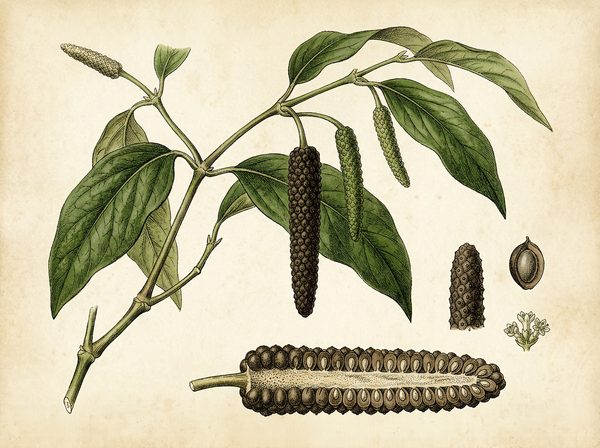 long pepperPiper longum
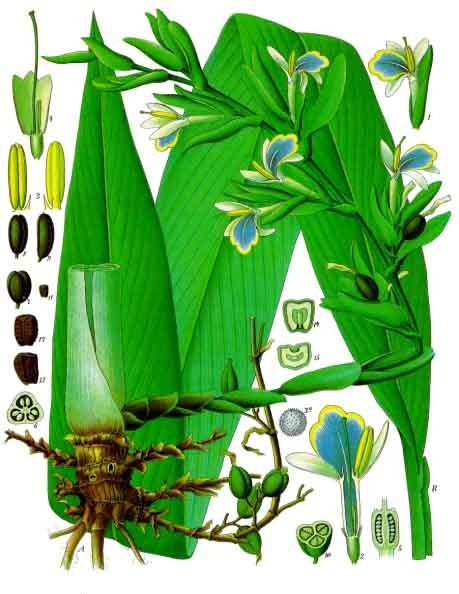 cardamomElettaria cardamomum
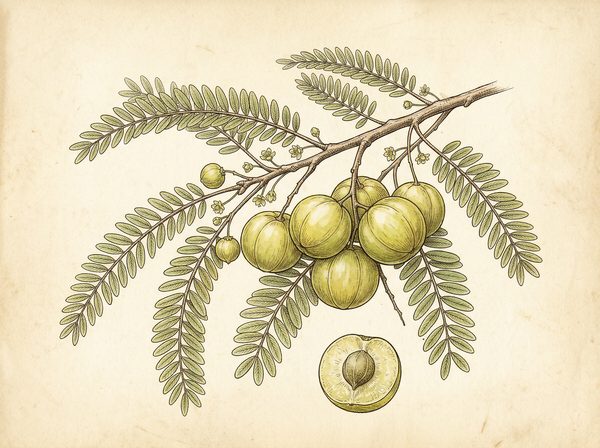 Indian gooseberryPhyllanthus emblica
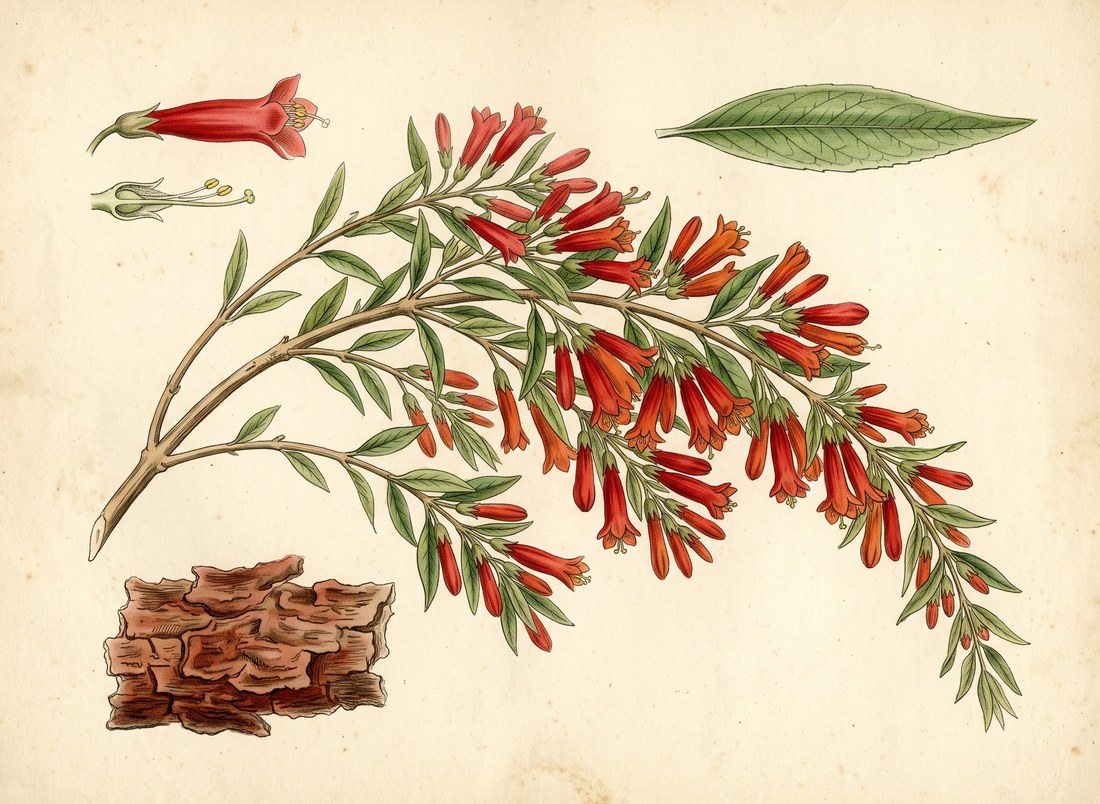 dhatakiWoodfordia fruticosa
 nut grassCyperus rotundus
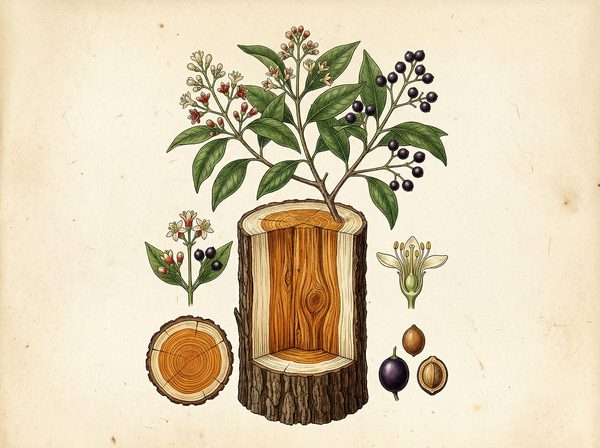 sandalwoodSantalum album
Nearby on the shelf
 GoldthreadCoptis trifolia
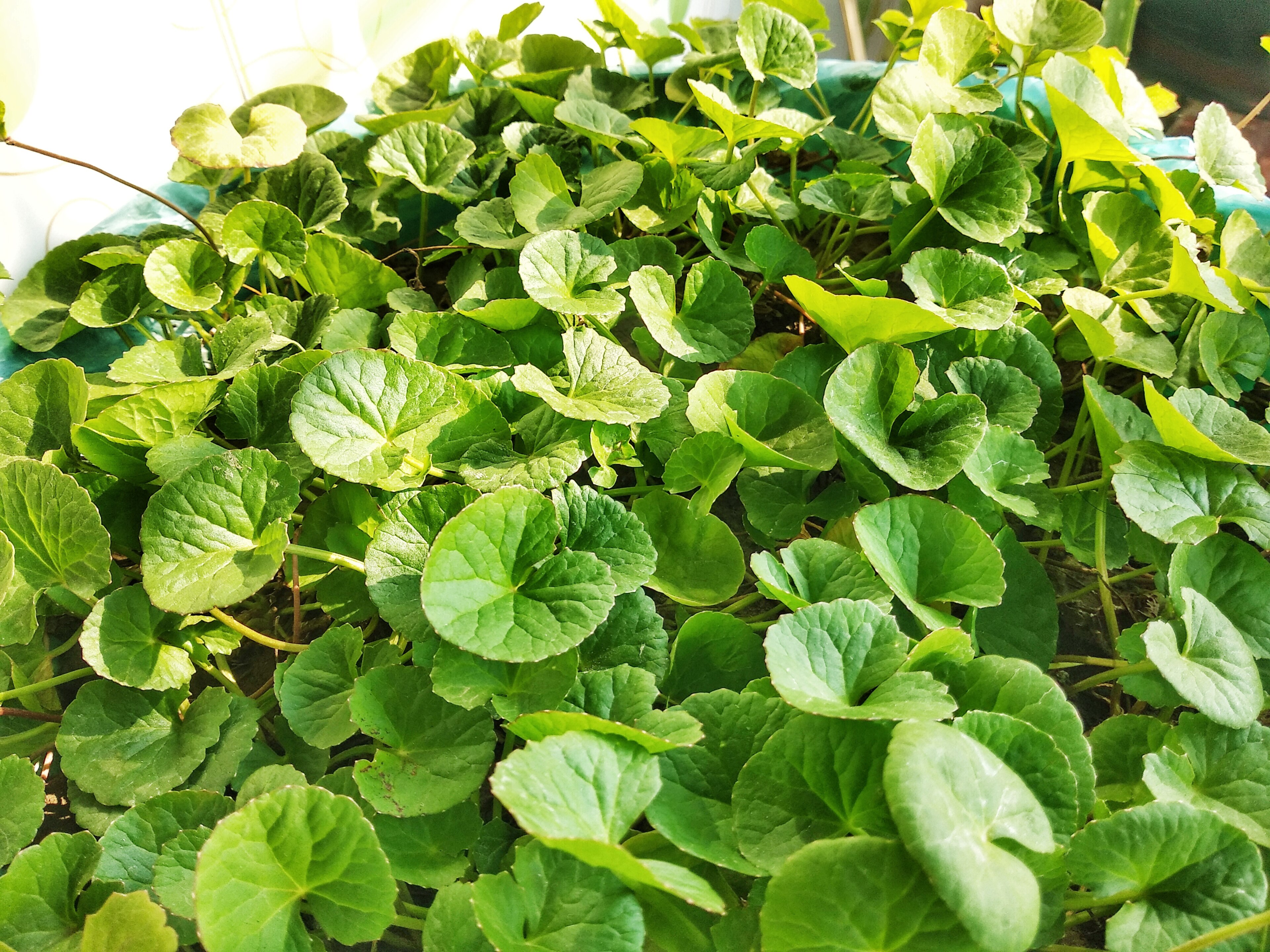 Gotu kolaCentella asiatica
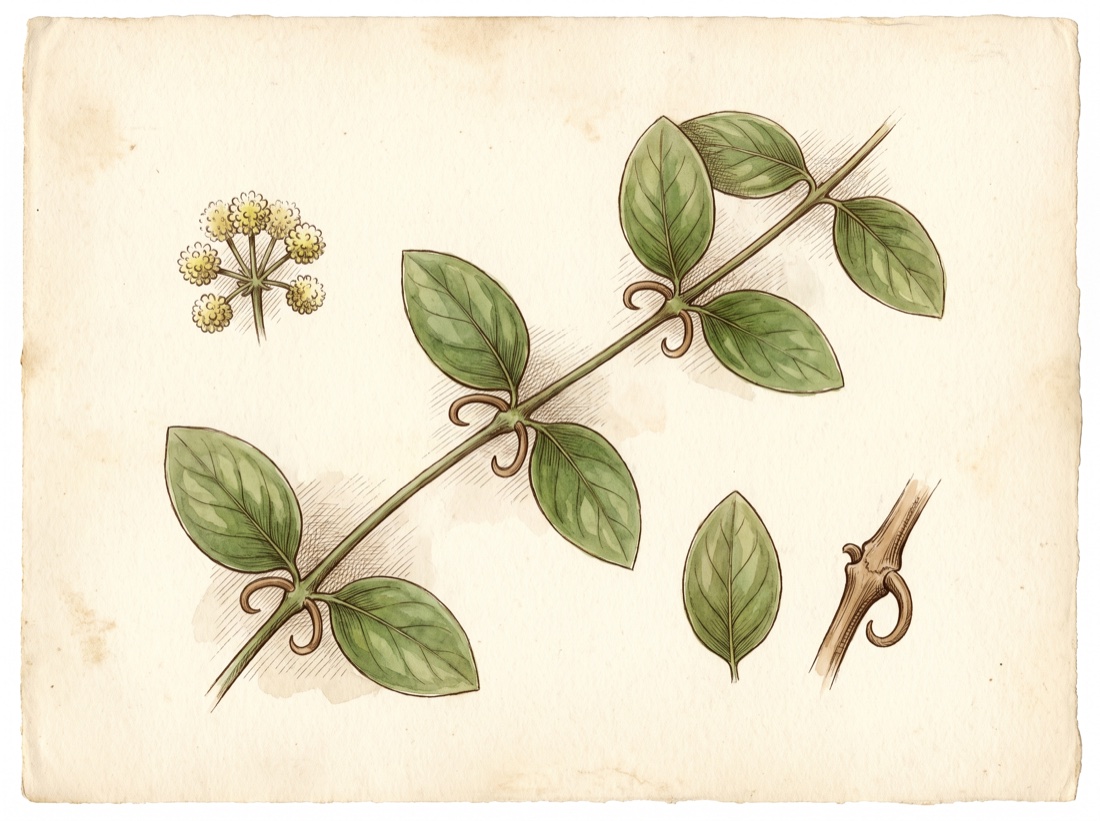 Gou tengUncaria rhynchophylla
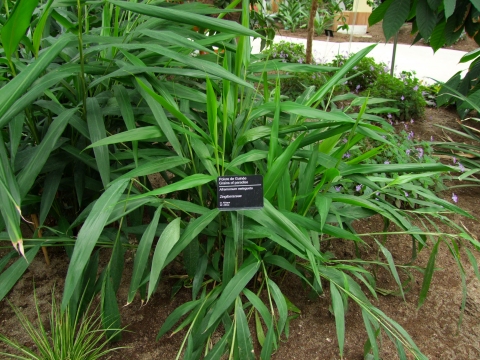 Grains of ParadiseAframomum melegueta
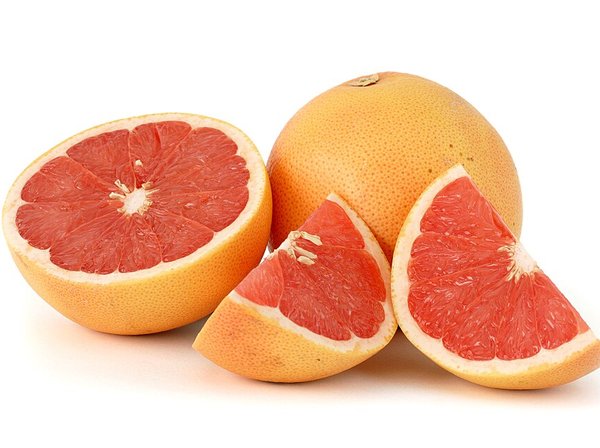 GrapefruitCitrus x paradisi
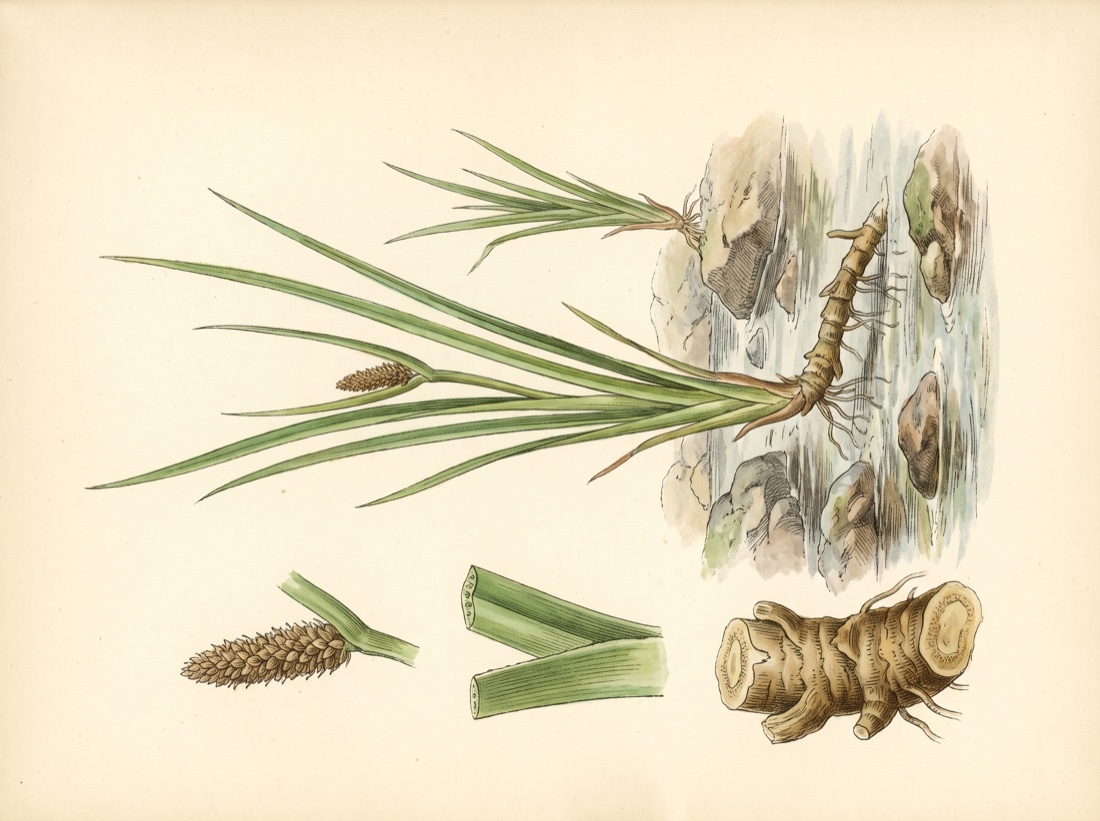 Grass-leaf sweet flagAcorus gramineus
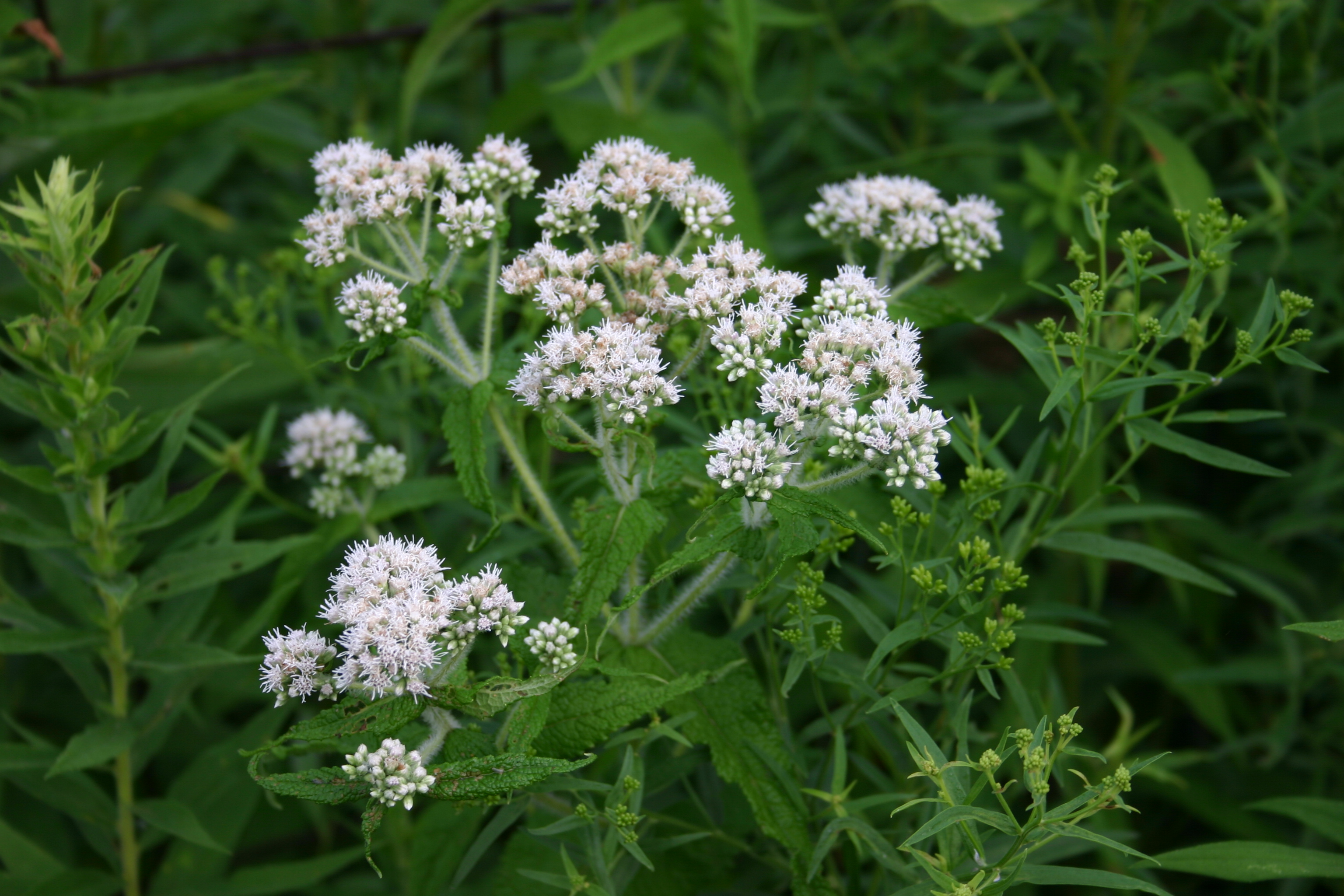 Gravel rootEupatorium purpureum
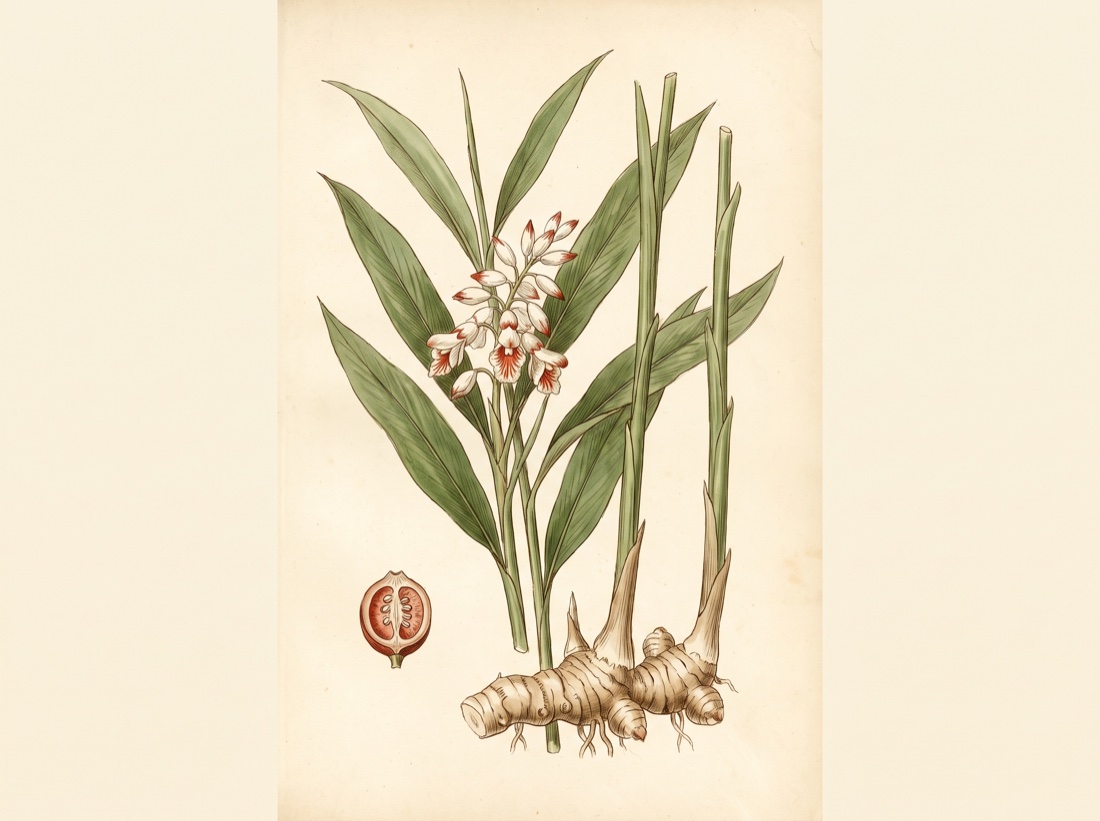 Greater galangalAlpinia galanga
The whole plate is in the library. The compass, Compare, the Sky of eleven hundred plants and the formulary open with an email address and a password, free, with the formula builder and its safety engine. Herbert without limit, his formulating, clients, the handouts and the labels are the paid room.
Open the library, free