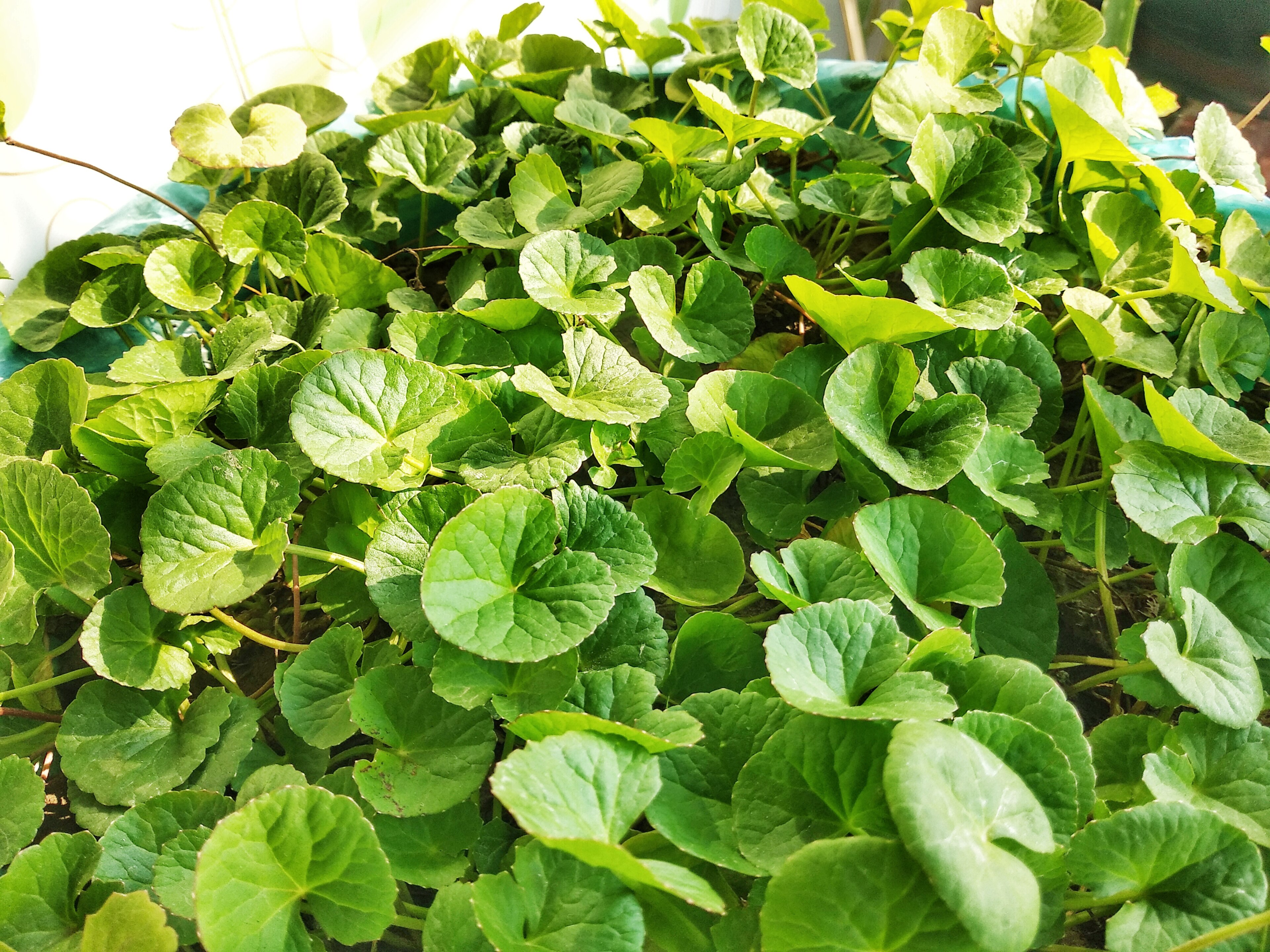
Western, Chinese and Ayurvedic herbalism
Gotu kola
Centella asiatica
Also known as Indian pennywort, Asiatic pennywort, mandukaparni, Indian Water Navelwort, Ji Xue Cao, Hydrocotyle, Brahmi, Water Pennywort, Mandukaparni, Manduki, Brahmamanduki.
Centella asiatica is a small creeping perennial with round, kidney-shaped leaves that roots at every node along wet ground, paddy margins and stream banks across the Indian plains, the Western Ghats, the northeast and the Himalayan foothills. Ayurveda knows it as Mandukaparni, the frog-leaf, and counts its fresh juice among the four medhya rasayanas of Charaka, the herbs that sharpen intellect and memory. The whole plant is used, and it holds a second reputation as a cooling wound and skin herb.

Ask Herbert about Gotu kola. Herbert is the master herbalist inside Bountiful Herbs: he answers from this plate and eleven hundred others, with dosing, pairing and cautions. Your first ten questions are free.
Ask HerbertActions
Indications what the tradition reached for it in
- Poor memory and concentration
- Anxiety with mental fatigue
- Cognitive decline in the elderly
- Slow-healing wounds and ulcers
- Keloid and hypertrophic scar
- Chronic venous insufficiency with edema
- Varicose veins and venous ulcers
- Eczema and psoriasis (internal and topical)
- Leukoderma (adjunct)
- Convalescence with nervous exhaustion
- Insomnia from an overactive mind
- Peptic ulcer (adjunct)
- Rheumatic conditions
- Cutaneous affections
- By topical application
- Indolent wounds
- Leprous ulcers
- Cicatrisation after surgery
- Cuts
- Alzheimer's disease
- Skin ulcer
- Burns
- Trauma
- Skin abrasions
- Stress
- Keloid formers
- Anxiety
- Venous insufficiency
- ADHD
- Varicose veins
Specific indications
A hot, irritable, overworked pitta type whose memory is failing under pressure and who sleeps lightly with a racing mind
A student or professional with anxiety that shows as poor recall and scattered attention rather than agitation
Heavy, aching legs with evening ankle swelling and skin that heals poorly after minor injury
A slow, wide surgical or traumatic scar that keeps thickening, treated from inside and out
Safety
Pregnancy: Limited safety data in pregnancy
The record lists 6 contraindications; open the plate in the library to read them in full.
In practice
Mandukaparni is the medhya of choice when the mind is hot and tired rather than dull and heavy: the pitta student who forgets under exam pressure, the anxious professional whose attention scatters, the older person with a sharp temper and a slipping memory.
In Ayurveda
Rasa: tikta (bitter), kashaya (astringent), madhura (sweet). Virya: sheeta (cooling). Vipaka: madhura (sweet). Guna: laghu (light). Dosha: pacifies all three doshas, with the strongest action on pitta and kapha. Prabhava: medhya (a specific action on intellect and memory that the tradition regards as beyond its rasa and virya). Karma: medhya (promotes intellect and memory); rasayana (rejuvenative); smritiprada (restores memory); ayushya (promotes longevity); kushthaghna (clears skin disease); raktashodhana (purifies blood); svarya (improves the voice); jvarahara (reduces fever); nidrajanana (promotes sleep, mild); vranaropana (heals wounds). Classical indications: smritibhramsha (loss of memory); unmada (mental disturbance); apasmara (epilepsy); kushtha (chronic skin disease); shvitra (leukoderma); kandu (itching); jvara (fever); pandu (anemia, pallor); kasa and shvasa (cough and dyspnea); vrana (wounds and ulcers); svarabheda (hoarseness). The whole fresh plant, chiefly the leaf with its stalk, is the drug. Fresh juice (swarasa) is the form Charaka names among the four medhya rasayanas; the dried herb is also given as churna, as kwatha, and processed into ghrita and taila. The leaf paste is applied to wounds and skin lesions. Classical formulations: Mandukaparni swarasa, Saraswatarishta, Brahmi ghrita (some traditions use Mandukaparni), Mandukaparnyadi kwatha, Manasamitra vataka, Smritisagara rasa. Described in: Charaka Samhita, Sushruta Samhita, Ashtanga Hridaya, Bhavaprakasha Nighantu, Dhanvantari Nighantu, Raja Nighantu, Kaiyadeva Nighantu, Ayurvedic Pharmacopoeia of India.
Dosing as the sources wrote it
| Preparation | As written | Metric |
|---|---|---|
| Swarasa | 10-20 mL fresh leaf juice daily with honey | 10-20 mL |
| Churna | 3-6 g dried herb powder daily in divided doses | 3000-6000 mg |
| Kwatha | 50-100 mL decoction twice daily | 50-100 mL |
| Ghrita | 5-10 g medicated ghee daily | 5000-10000 mg |
| Standardized extract | 60-180 mg triterpene-rich extract daily | 60-180 mg |
| Kalka, topical | 5-10 g fresh leaf paste applied to wounds or scars once or twice daily | 5000-10000 mg |
Doses are reproduced from the sources for practitioners and are not a recommendation for any person.
From the sources
Overview. Centella asiatica is a small creeping perennial with round, kidney-shaped leaves that roots at every node along wet ground, paddy margins and stream banks across the Indian plains, the Western Ghats, the northeast and the Himalayan foothills. Ayurveda knows it as Mandukaparni, the frog-leaf, and counts its fresh juice among the four medhya rasayanas of Charaka, the herbs that sharpen intellect and memory. The whole plant is used, and it holds a second reputation as a cooling wound and skin herb.
Clinical Notes. Ayurveda=calms mental chatter, awakens crown chakra, restores balance to brain hemispheres Yogis: food for meditation Decreases free radical concentration & beta amyloid toxicity Especially good for keloid formers Contains calcium, phosphorus, and potassium
Clinical Notes. Mandukaparni is the medhya of choice when the mind is hot and tired rather than dull and heavy: the pitta student who forgets under exam pressure, the anxious professional whose attention scatters, the older person with a sharp temper and a slipping memory.
primary-actions. Gotu Kola acts primarily as: Adaptogen, Nervine, Antifibrotic, Venotonic, Vulnerary, Nootropic. Secondary actions include Promotes longevity, Improves concentration and memory, Calming, Improves circulation, Vulnerary.
Drawn from King's American Dispensatory, 18th edition (Felter and Lloyd), and the Bountiful Herbs editorial.
In formulas
Gotu kola stands in 9 documented formulas in the library, among them Brāhma Rasāyana, Abhraka Bhasma, Sārasvatāriṣṭa, Brāhmī Ghṛta, Ratnagiri Rasa, Kṛmi Kuṭhāra Rasa.
Often paired with
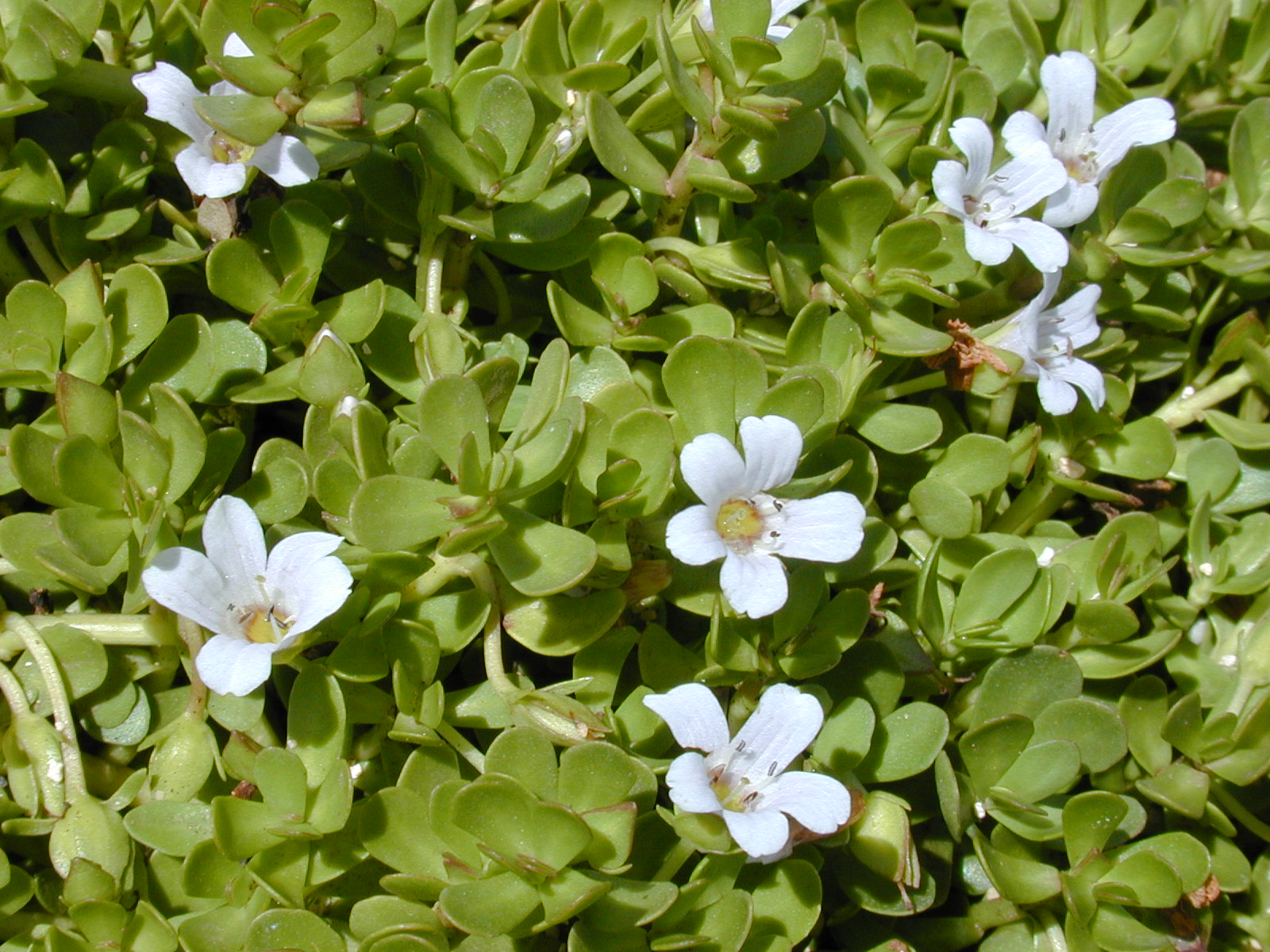 brahmiBacopa monnieri
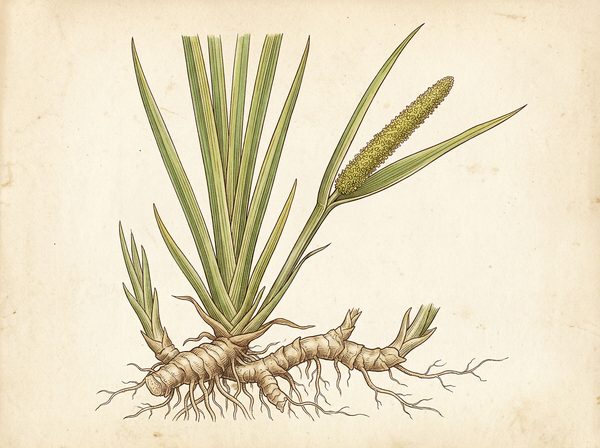 sweet flagAcorus calamus
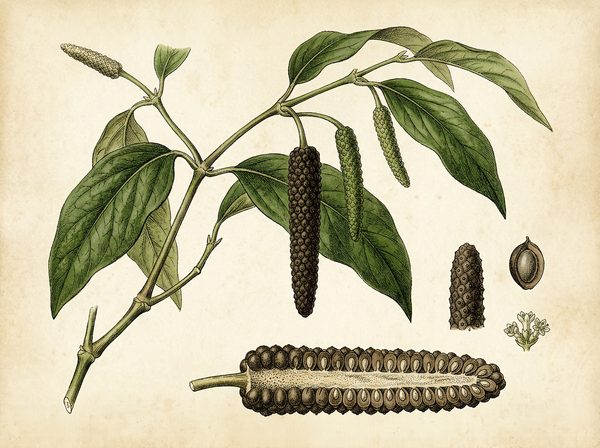 long pepperPiper longum
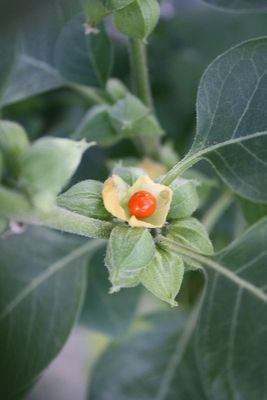 ashwagandhaWithania somnifera
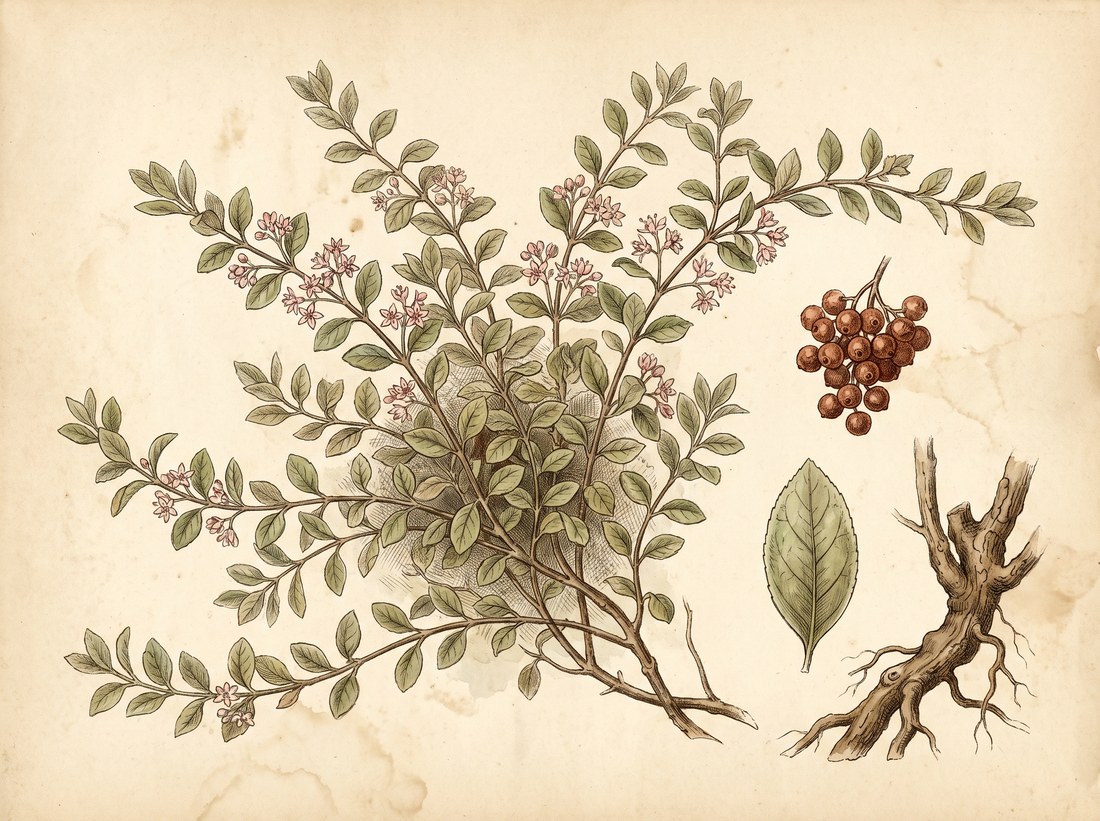 false black pepperEmbelia ribes
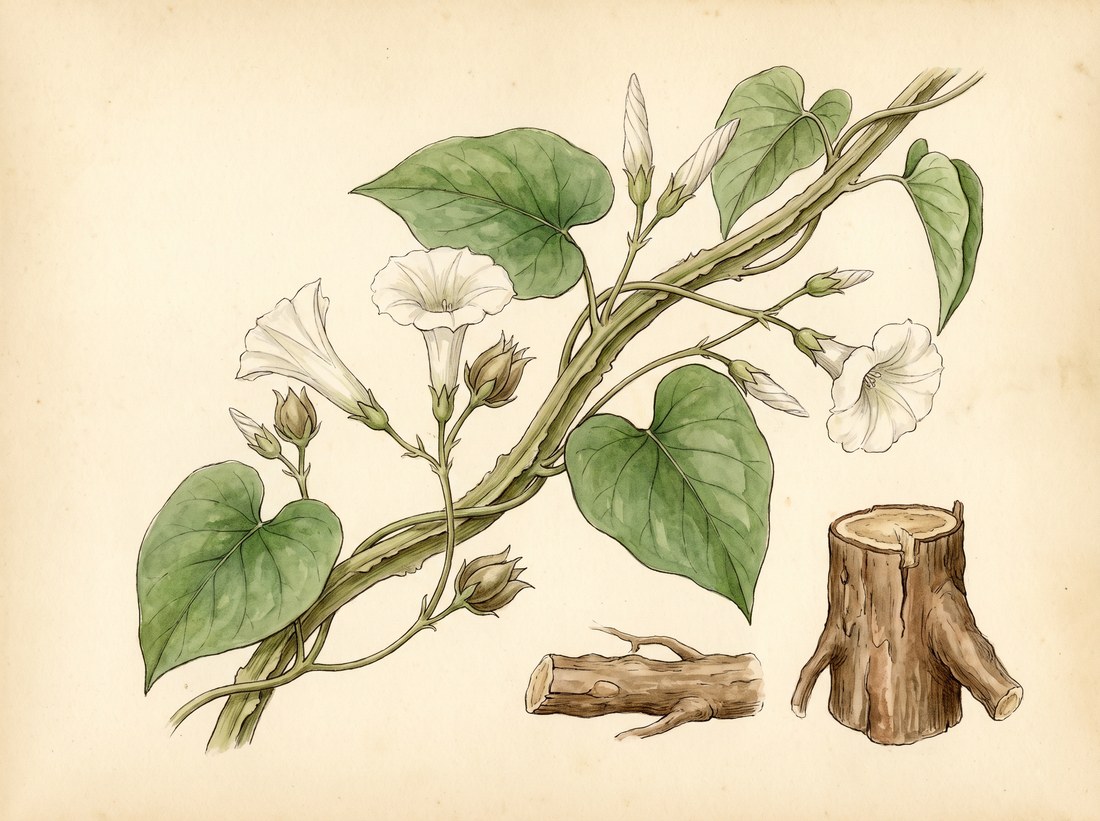 turpethOperculina turpethum
Nearby on the shelf
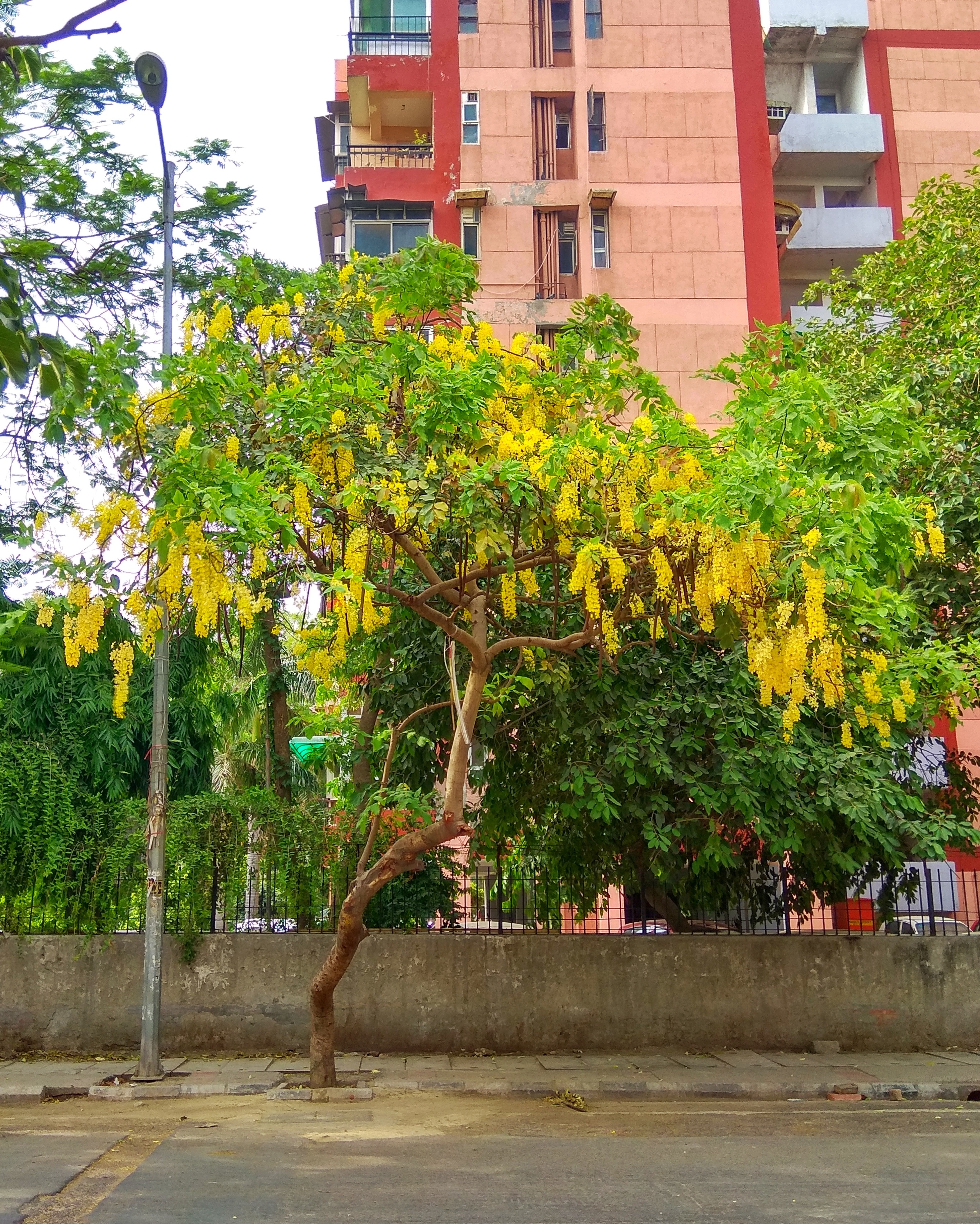 Golden shower treeCassia fistula
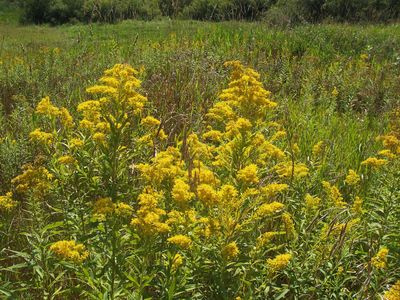 GoldenrodSolidago spp.
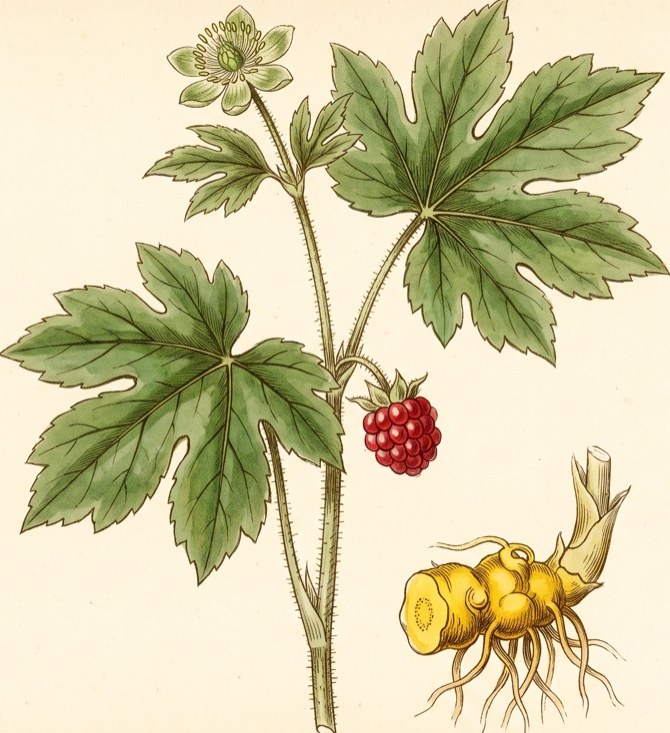 GoldensealHydrastis canadensis
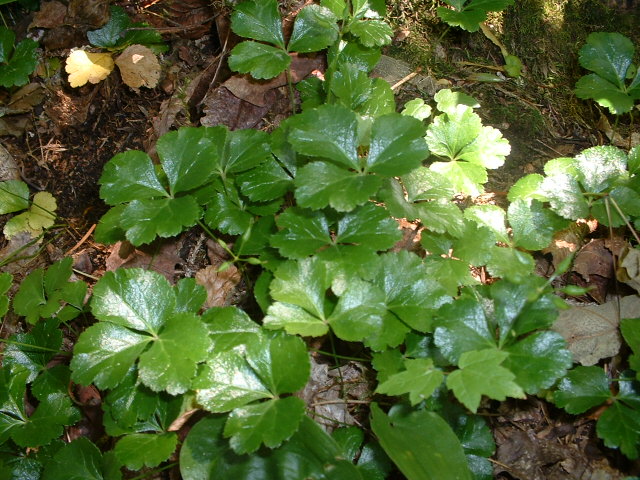 GoldthreadCoptis trifolia
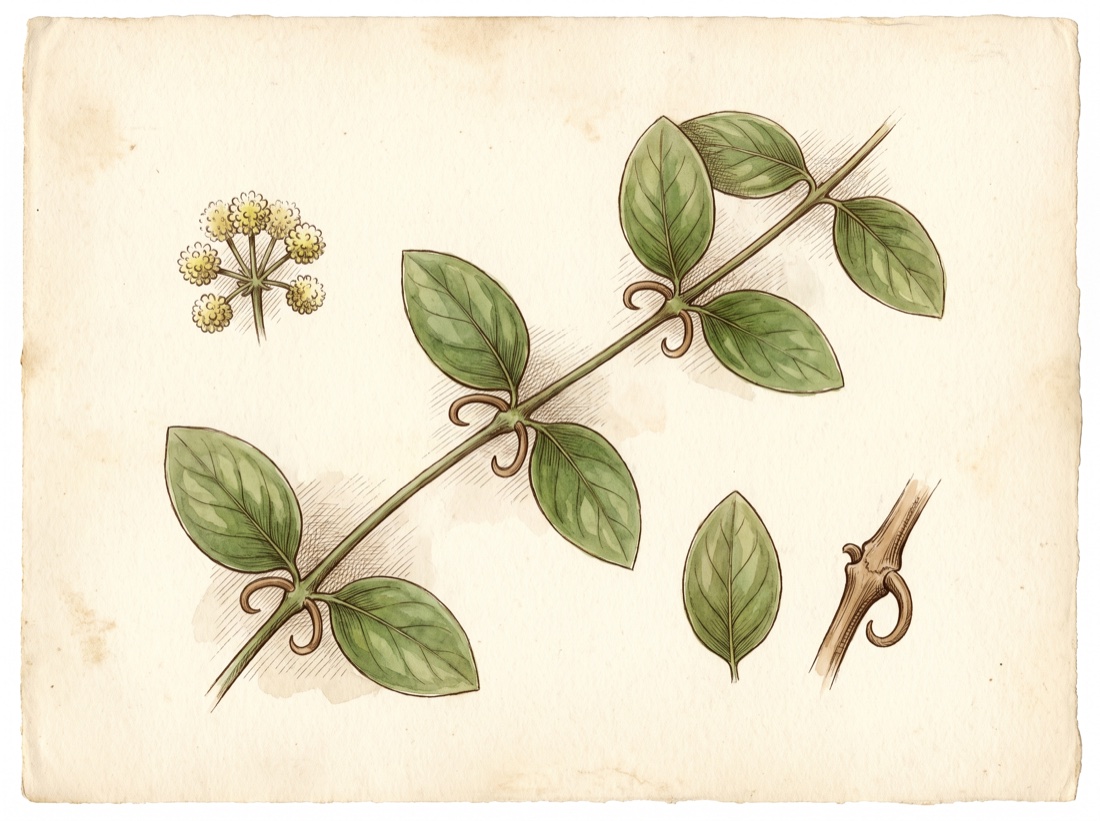 Gou tengUncaria rhynchophylla
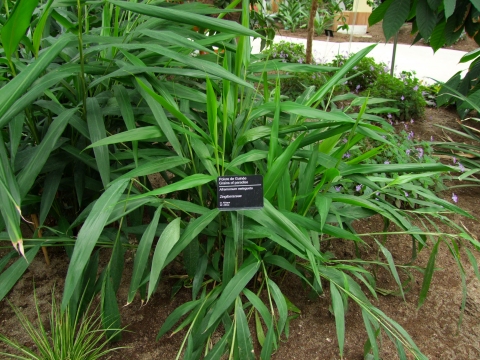 Grains of ParadiseAframomum melegueta
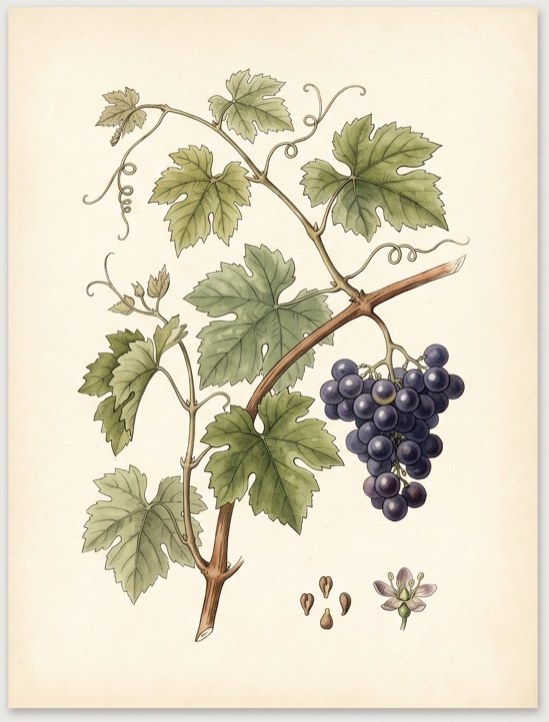 GrapeVitis vinifera
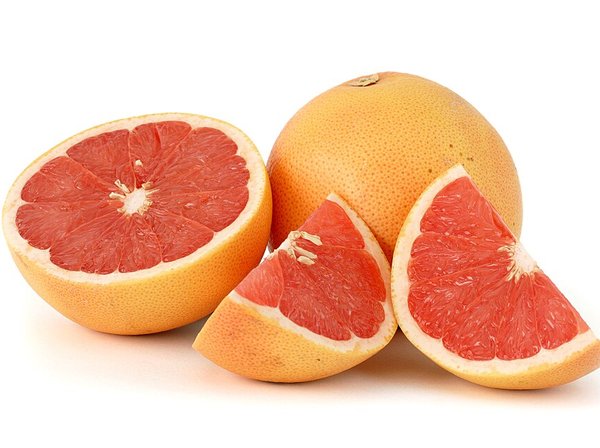 GrapefruitCitrus x paradisi
The whole plate is in the library. The compass, Compare, the Sky of eleven hundred plants and the formulary open with an email address and a password, free, with the formula builder and its safety engine. Herbert without limit, his formulating, clients, the handouts and the labels are the paid room.
Open the library, free