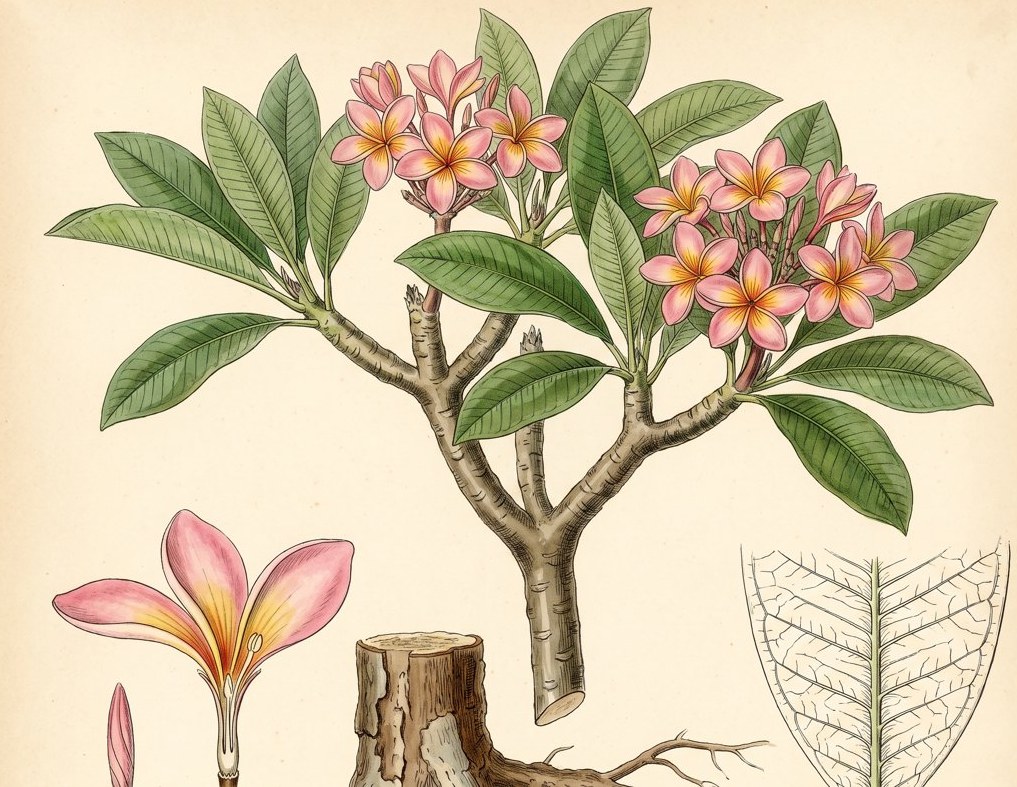
Western Herbalism
Frangipani
Plumeria rubra
Frangipani acts primarily as: Anti-inflammatory, Antioxidant, Antimicrobial, Antipyretic, Cardioprotective. Secondary actions include Hypoglycemic, Hepatoprotective, Analgesic, Antiviral, Hypotensive, Anthelmintic.

Ask Herbert about Frangipani. Herbert is the master herbalist inside Bountiful Herbs: he answers from this plate and eleven hundred others, with dosing, pairing and cautions. Your first ten questions are free.
Ask HerbertActions
Indications what the tradition reached for it in
- Diabetes mellitus
- Leprosy
- Constipation
- Emesis
- Rheumatism
- Inflammation
- Pain
- Bacterial infections
- Bronchitis
- Asthma
- Rheumatic pain
- Myocardial infarction
- Toothache
- Hypertension
- Ulcers
- Cough
- Acne
- Wounds
- Itching
- Diarrhea
- Fever
- Venereal disease
- Earache
- Infection
- Intestinal worms
- Liver disease
- Parasites
- Viral infections
- Diabetes
- Respiratory complaints
Safety
Pregnancy: Pregnancy Caution
Breastfeeding: Lactation (source flag notSafeInLactation)
The record lists 2 contraindications; open the plate in the library to read them in full.
Dosing as the sources wrote it
| Preparation | As written | Metric |
|---|---|---|
| aqueous-methanolic leaf extract | aqueous-methanolic leaf extract 100-300 mg/kg (animal) | 100-300 mg |
| flower infusion | flower infusion 2-3 g dried petals/day (Ayurvedic) | 2000-3000 mg |
| bark decoction | bark decoction 5 g reduced to half cup 2x/day | 5000 mg |
Doses are reproduced from the sources for practitioners and are not a recommendation for any person.
From the sources
primary-actions. Frangipani acts primarily as: Anti-inflammatory, Antioxidant, Antimicrobial, Antipyretic, Cardioprotective. Secondary actions include Hypoglycemic, Hepatoprotective, Analgesic, Antiviral, Hypotensive, Anthelmintic.
indications. Frangipani is traditionally indicated for: Diabetes mellitus, Leprosy, Constipation, Emesis, Rheumatism, Inflammation, Pain, Bacterial infections, Bronchitis, Asthma, Rheumatic pain, Myocardial infarction, Toothache, Hypertension, Ulcers, and 18 further conditions.
constituents. Notable constituents of Frangipani include: flavonoids (rutin, isoquercitrin, kaempferol, quercetin), phenols, tannins, anthraquinones, saponins, coumarins, alkaloids, iridoids (plumieride, plumericin, isoplumericin), terpenoids (lupeol, oleanolic acid, ursolic acid), stigmasterol, volatile oils.
dose-reference. Reference preparation/dosing for Frangipani: decoction of bark/root (traditional); aqueous-methanolic leaf extract 100-300 mg/kg (animal); flower infusion 2-3 g dried petals/day (Ayurvedic); bark decoction 5 g reduced to half cup 2x/day
Nearby on the shelf
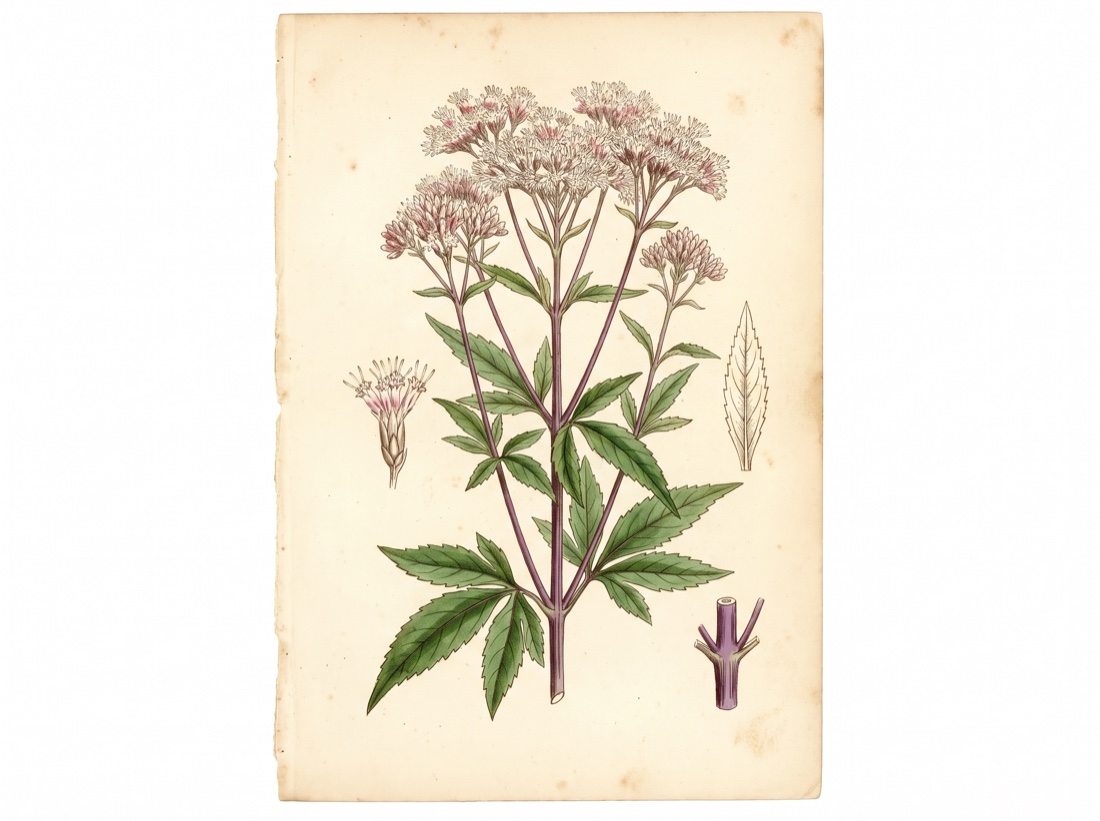 Fortune's eupatoriumEupatorium fortunei
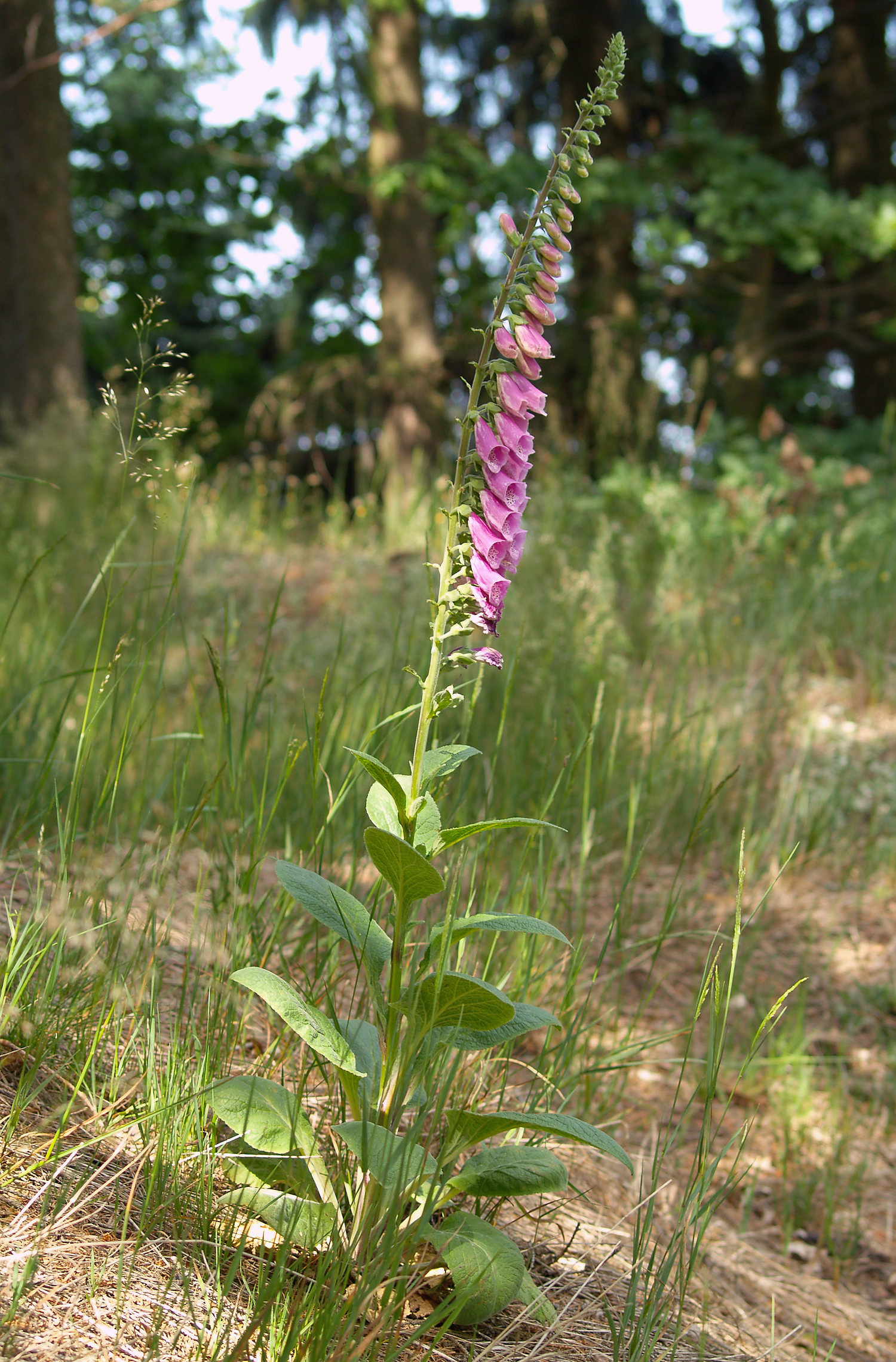 FoxgloveDigitalis purpurea
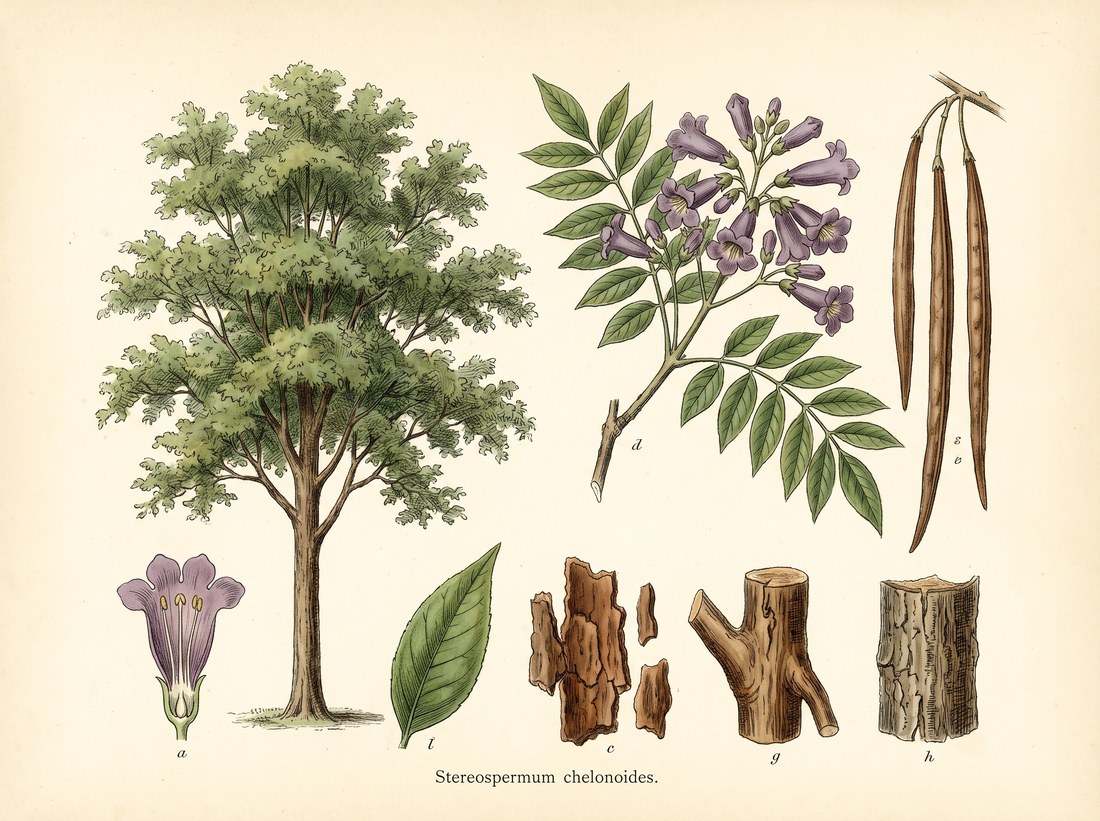 Fragrant padri treeStereospermum suaveolens
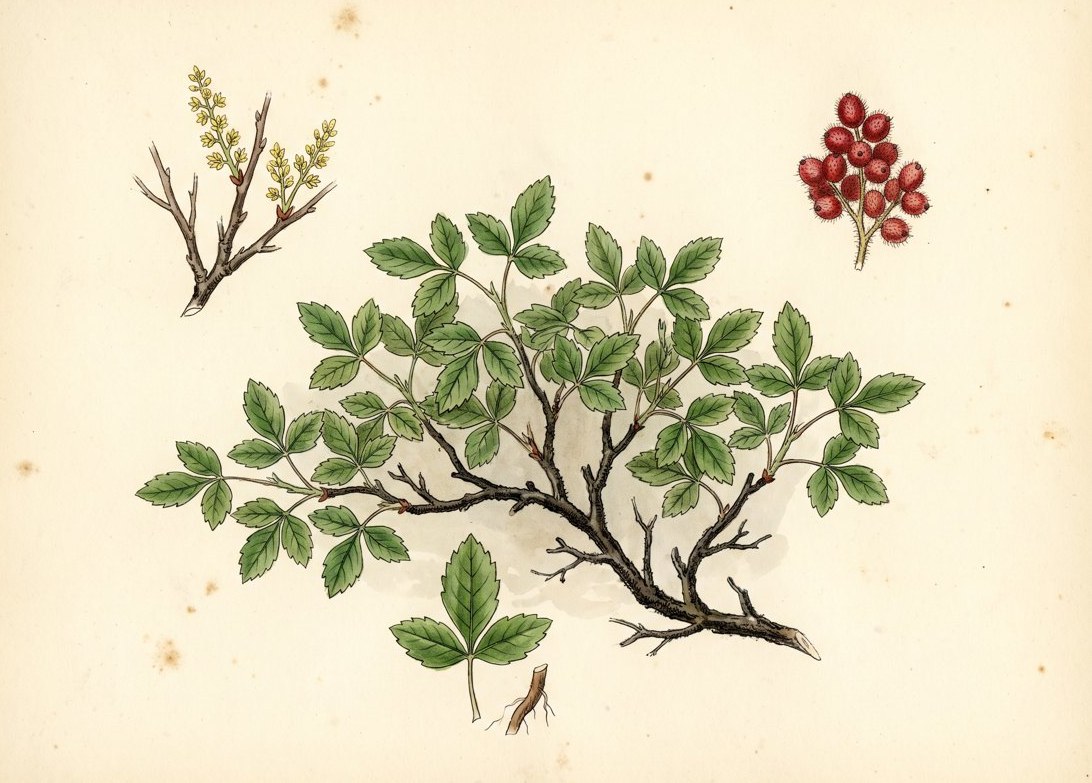 Fragrant sumacRhus Aromatica
 FrankincenseBoswellia spp.
 Fringe treeChionanthus virginicus
 FrostweedHelianthemum canadense
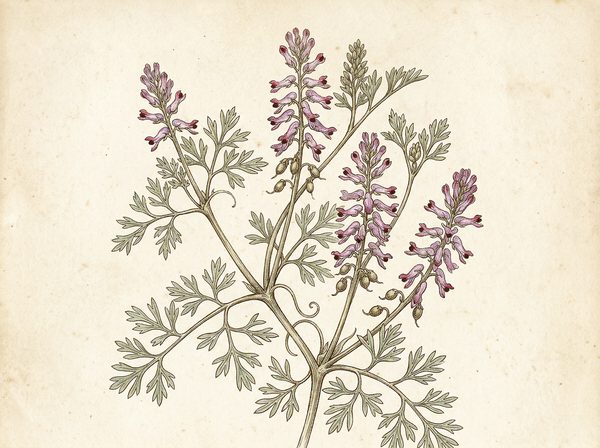 FumitoryFumaria officinalis
The whole plate is in the library. The compass, Compare, the Sky of eleven hundred plants and the formulary open with an email address and a password, free, with the formula builder and its safety engine. Herbert without limit, his formulating, clients, the handouts and the labels are the paid room.
Open the library, free