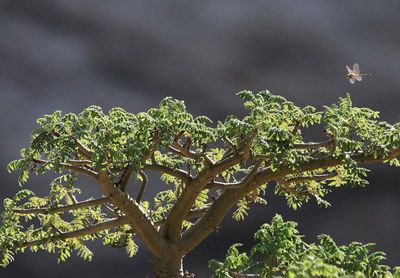
Western Herbalism
Frankincense
Boswellia spp.
Also known as Olibanum gum, Olibanum, Boswellia sacra.
Dragon's blood was formerly considered an astringent, and used in doses of from 10 to 30 grains in passive hemorrhages, diarrhoea, etc. Its principal use is to color tooth powders, plasters, tinctures and varnishes, and to produce a mahogany wood-stain (aloes 1 part, dragon's blood 1 part, alcohol 15 parts).

Ask Herbert about Frankincense. Herbert is the master herbalist inside Bountiful Herbs: he answers from this plate and eleven hundred others, with dosing, pairing and cautions. Your first ten questions are free.
Ask HerbertActions
Indications what the tradition reached for it in
- Post operation
- Musculoskeletal injury
- Crohns disease
- Osteoarthritis
- Trauma
- Ulcerative colitis
- Bronchoconstriction
- Gingivitis
- Sprain
- Musculoskeletal strain
- Inflammation (rheumatic)
- Rheumatoid arthritis
- Psoriasis
- Tendon injury
- Pyorrhea
- Connective tissue inflammation
- Asthma
- Bleeding
- Diarrhea
- Infection
- Inflammation
- Wounds
- Arthritis
- Respiratory complaints
- Skin conditions
- Excessive discharge
- aging or scarred skin
- anxiety and shallow breathing
- joint inflammation (topical)
Safety
Pregnancy: Use with care in pregnancy
The record lists 2 contraindications; open the plate in the library to read them in full.
Dosing as the sources wrote it
| Preparation | As written | Metric |
|---|---|---|
| Tincture (1:2) | 1-3 ml TID (high ETOH extract) | 1-3 mL |
| Powdered | 2-9 g/day | 2000-9000 mg |
| Standardized extract (37.5-65% boswellic acids) | 400-1200 mg QD-TID | 400-1200 mg |
| Topical (diluted in carrier) | Topical: typical 1-3% in carrier; face/sensitive 0.5-1; dermal maximum 5%. Well tolerated; oxidation raises sensitizing potential. | |
| Internal (oral) | Not recommended internally ... insufficient current safety data for the essential oil; use the culinary herb or tea instead. No established oral oil dose; boswellic-acid extracts (not the oil) are the studied oral form. | |
| The dose, when used internally, is from 5 to 40 grains, in emulsion. | 324-2592 mg |
Doses are reproduced from the sources for practitioners and are not a recommendation for any person.
From the sources
Action, Medical Uses, and Dosage. Dragon's blood was formerly considered an astringent, and used in doses of from 10 to 30 grains in passive hemorrhages, diarrhoea, etc. Its principal use is to color tooth powders, plasters, tinctures and varnishes, and to produce a mahogany wood-stain (aloes 1 part, dragon's blood 1 part, alcohol 15 parts).
History and Description. Dragon's blood is a dark-red substance, which is imported from the East Indies, and which is procured from the berries of the Calamus Draco, by rubbing or agitating them in a bag, softening by heat the resinous exudation obtained, and making this up into masses.
indications. Frankincense is traditionally indicated for: Post operation, Musculoskeletal injury, Crohns disease, Osteoarthritis, Trauma, Ulcerative colitis, Bronchoconstriction, Gingivitis, Sprain, Musculoskeletal strain, Inflammation (rheumatic), Rheumatoid arthritis, Psoriasis, Tendon injury, Pyorrhea, and 11 further conditions.
Botanical Source. Calamus Draco is a small palm growing in the islands of the Indian archipelago. While the plants are young the trunk is erect, and resembles an elegant, slender palm tree, armed with innumerable dark-colored, flattened elastic spines, often disposed in oblique rows, with their bases united.
Drawn from King's American Dispensatory, 18th edition (Felter and Lloyd), and the Bountiful Herbs editorial.
In formulas
Frankincense stands in 44 documented formulas in the library, among them dùng thì wán, sù hé xiàng wán, xiãn fàng huo mìng yin, chông hé tāng, zhông hé tǎng, hi tóng pí tāng.
Often paired with
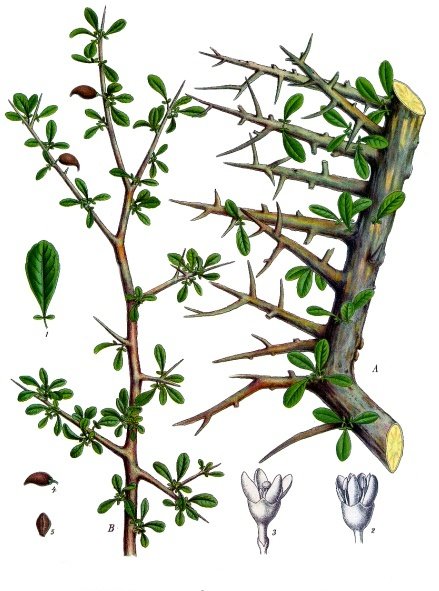 MyrrhCommiphora molmol
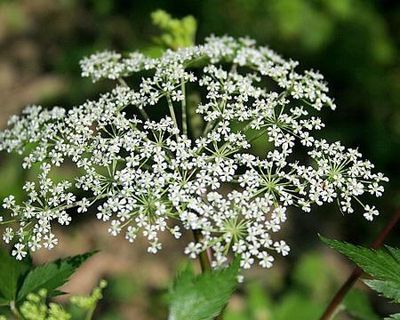 Dong QuaiAngelica sinensis
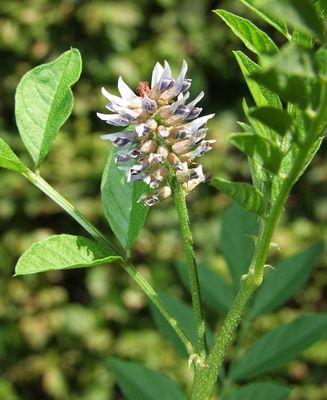 Licorice rootGlycyrrhiza glabra
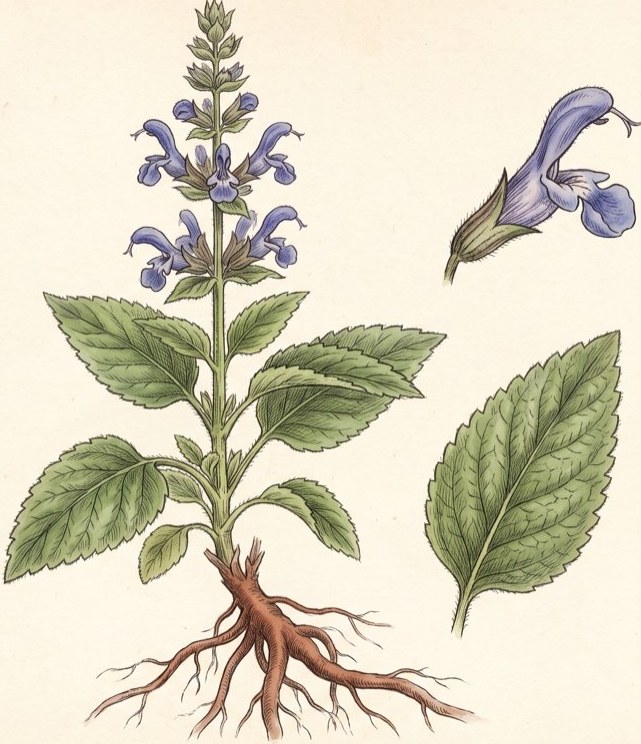 Dan ShenSalvia miltiorrhiza
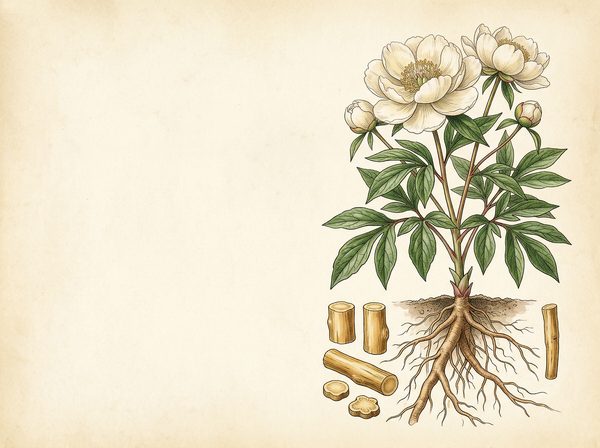 White PeonyPaeonia lactiflora
Nearby on the shelf
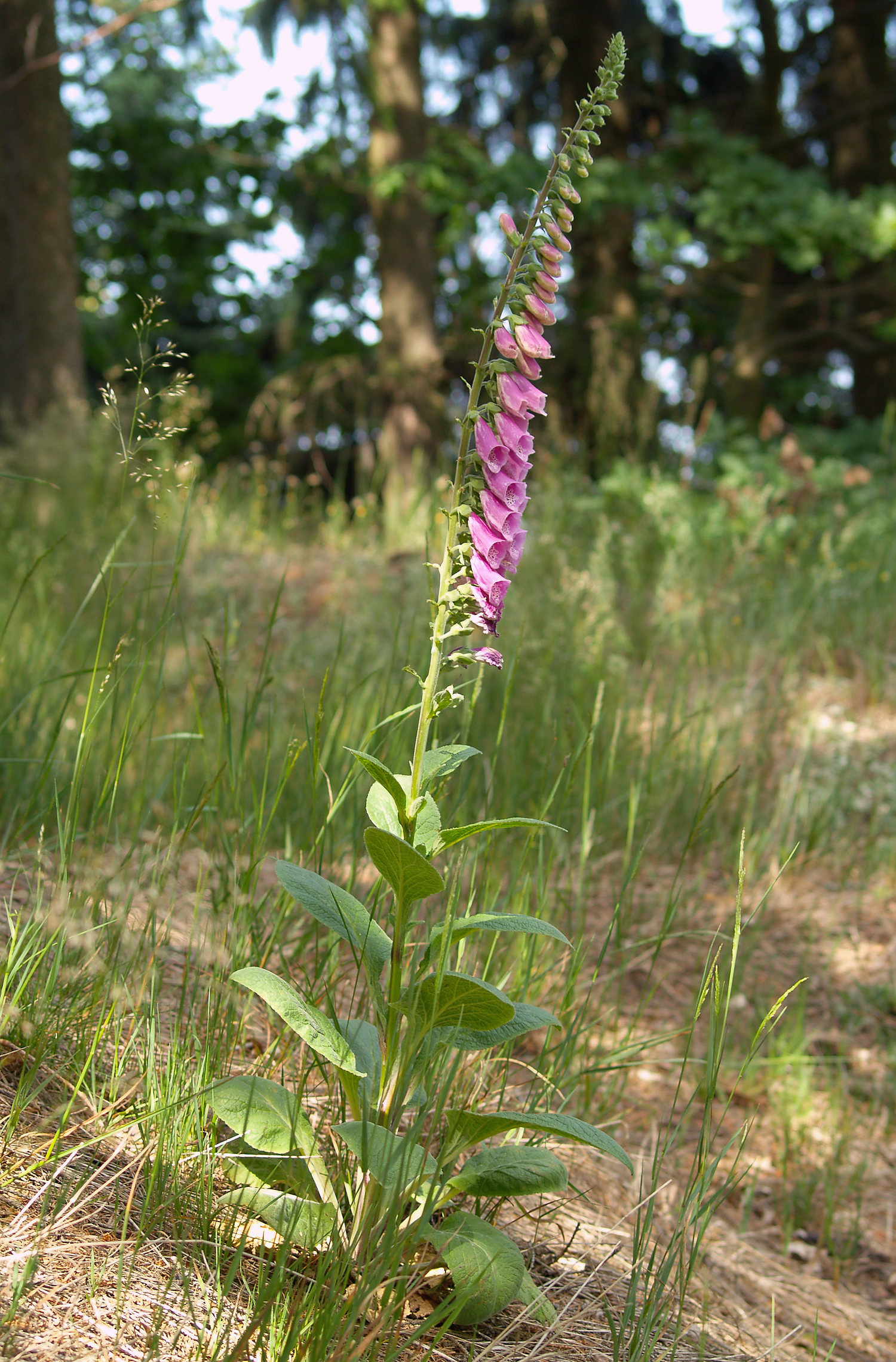 FoxgloveDigitalis purpurea
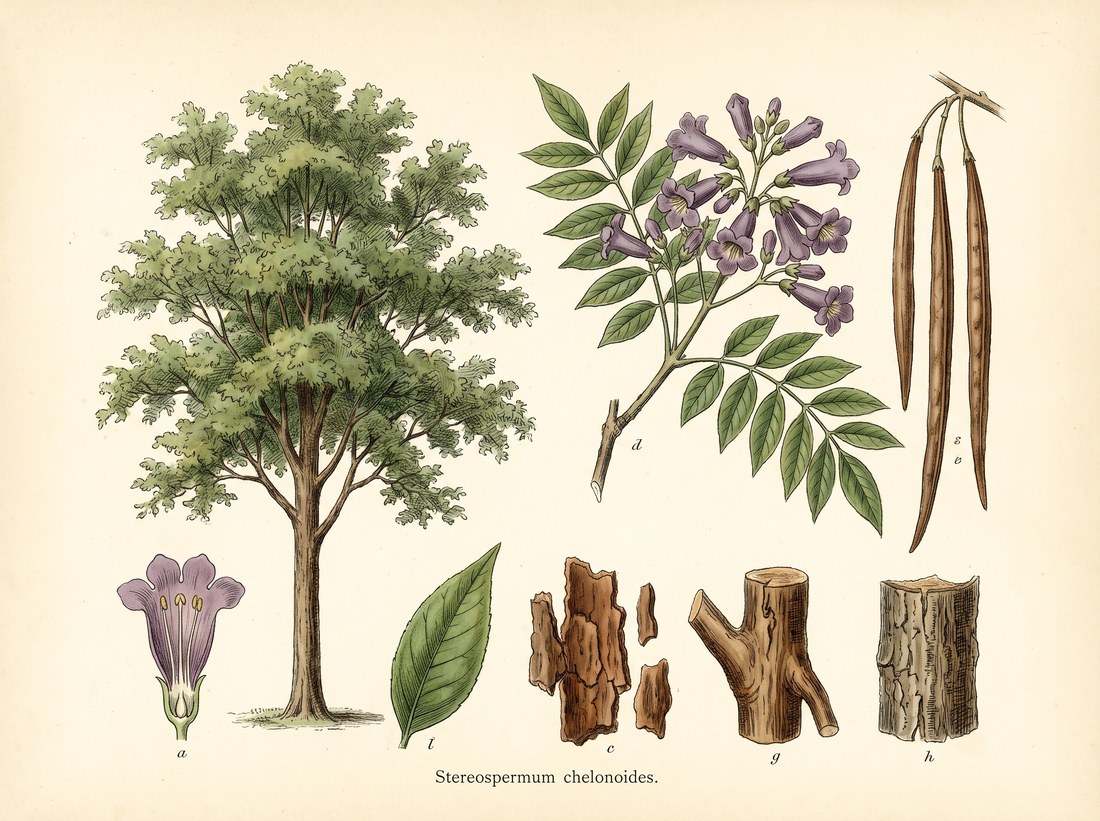 Fragrant padri treeStereospermum suaveolens
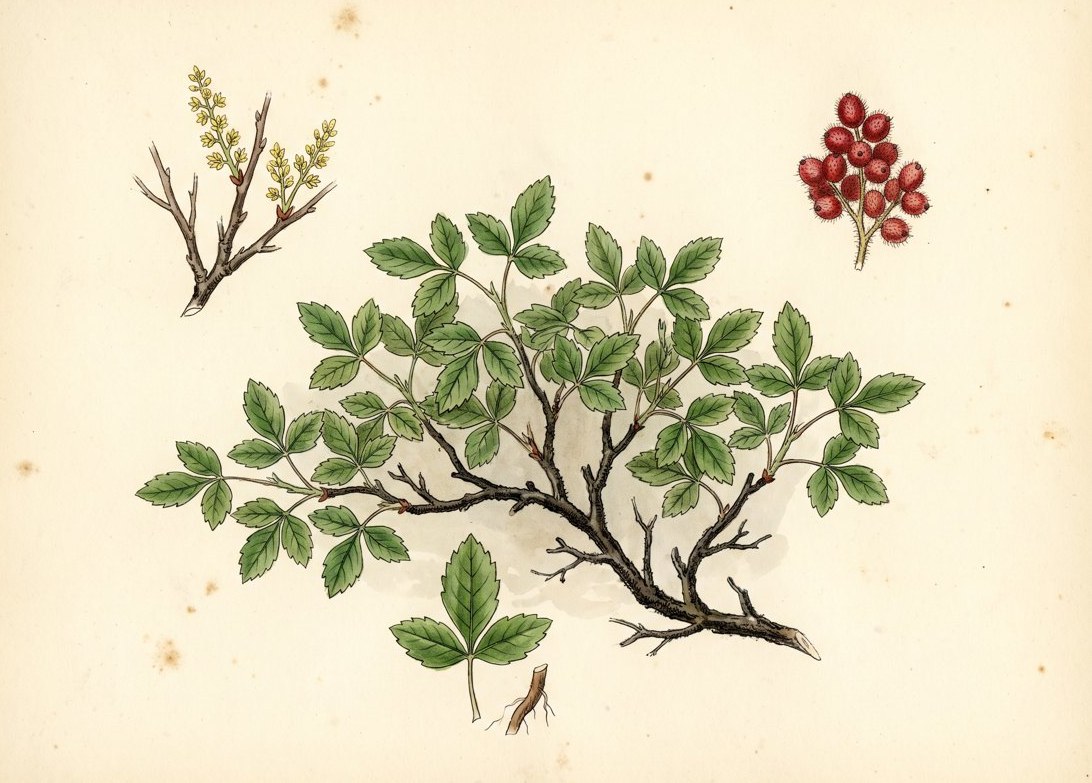 Fragrant sumacRhus Aromatica
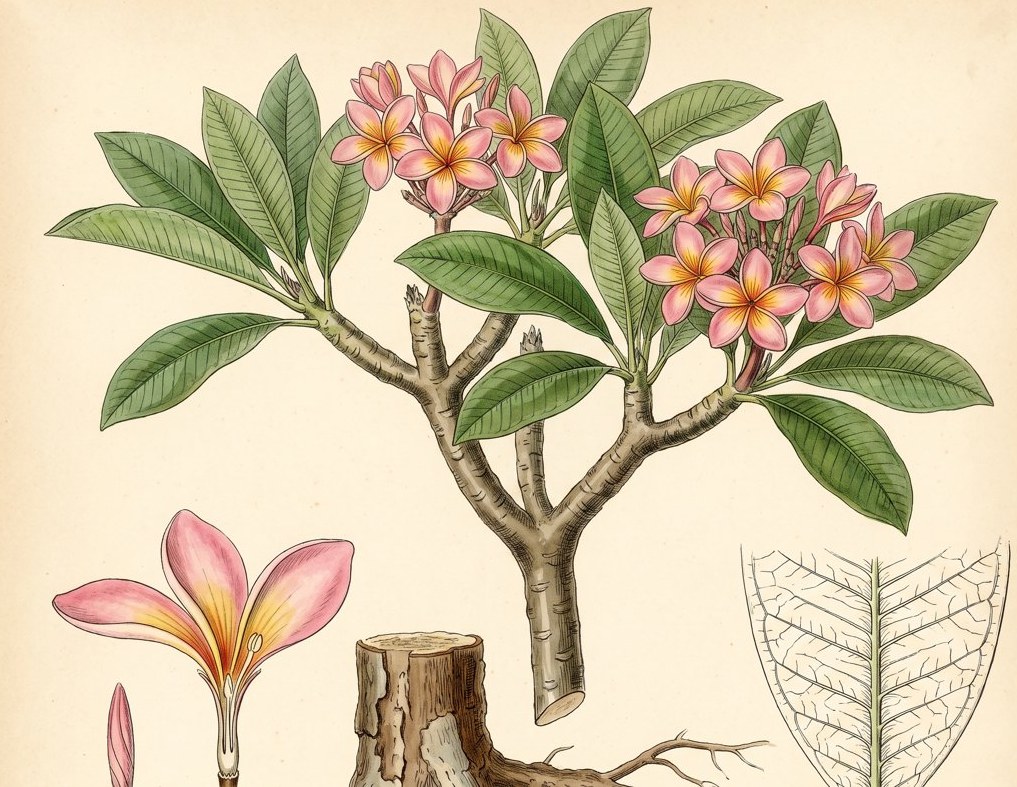 FrangipaniPlumeria rubra
 Fringe treeChionanthus virginicus
 FrostweedHelianthemum canadense
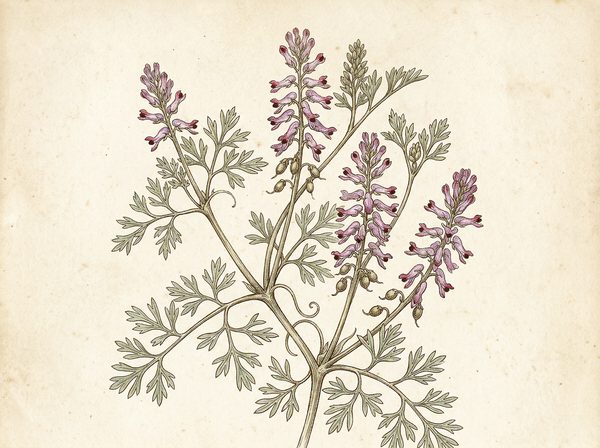 FumitoryFumaria officinalis
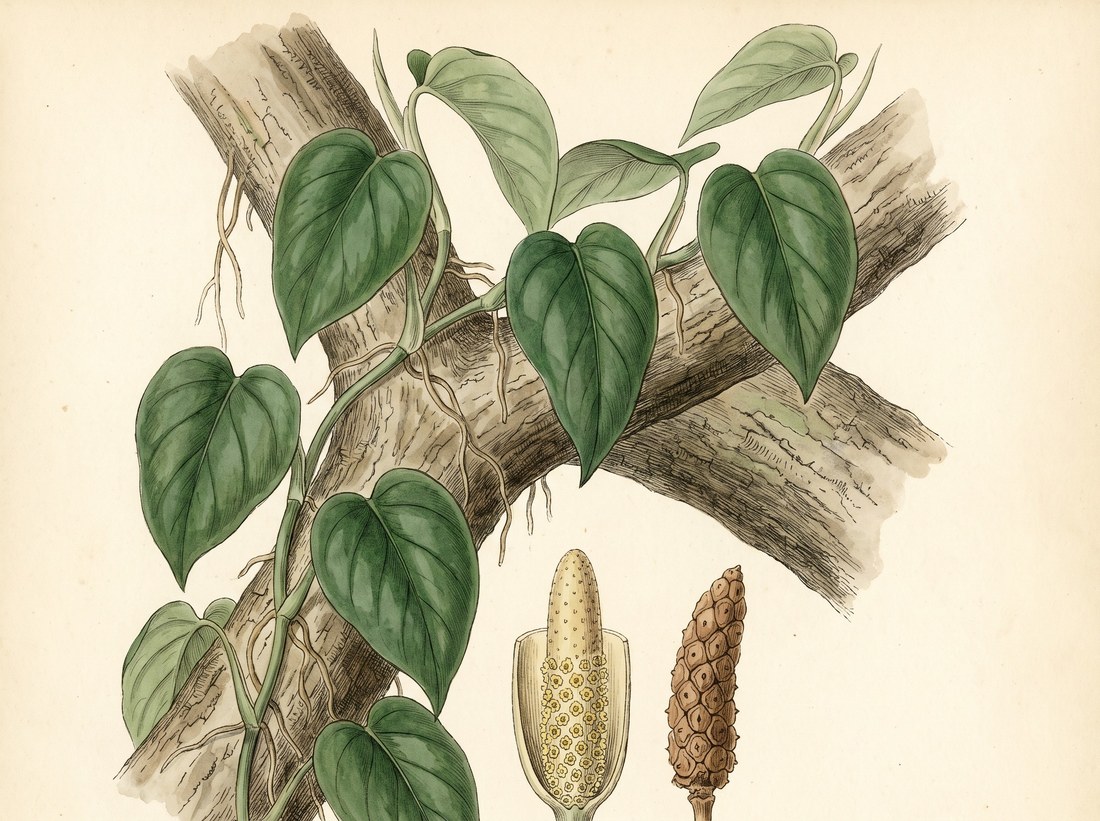 Gaja pippaliScindapsus officinalis
The whole plate is in the library. The compass, Compare, the Sky of eleven hundred plants and the formulary open with an email address and a password, free, with the formula builder and its safety engine. Herbert without limit, his formulating, clients, the handouts and the labels are the paid room.
Open the library, free