Western Herbalism
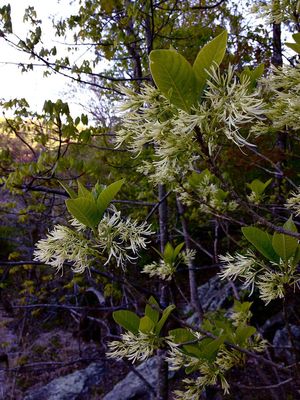
Fringe tree
Chionanthus virginicus
Also known as Chionanthus, Old Man's Beard, Snowdrop Tree.
Medicines that actually and positively influence the liver and its secretions are not numerous, notwithstanding that for many years much misdirected attention was bestowed upon that greatly abused and usually very innocent organ.

Ask Herbert about Fringe tree. Herbert is the master herbalist inside Bountiful Herbs: he answers from this plate and eleven hundred others, with dosing, pairing and cautions. Your first ten questions are free.
Ask HerbertActions
Indications what the tradition reached for it in
- Pain (epigastric)
- Dyspepsia
- Cholecystitis
- Nausea
- Gallstone (non-obstructive)
- Congestion (liver)
- Stool (dry/hard)
- Pain (RUQ)
- Constipation (atonic)
- Cholelithiasis
- Hepatitis
- Congestion (gall bladder)
- Stool discoloration (clay-colored)
- Sludge
- Maldigestion (fats)
- Jaundice
- Constipation
- Debility
- Fatigue
- Gallbladder disorders
- Loss of appetite
- Weakness
- Digestive complaints
- Chronic skin conditions
- Metabolic waste accumulation
- Gallbladder dysfunction
- Poor bile flow
- Sluggish bile production
Safety
Pregnancy: Not safe. Not for use in pregnancy (our record's flag)
Pregnancy, our record's flag: Caution. Use with care in pregnancy (our record's flag)
Pregnancy, published rating: Limited data. No increase in harm from limited human use; animal studies lacking (Mills & Bone B2); AHPA Botanical Safety Handbook class 1 (no information suggesting a problem)
Breastfeeding: Not safe. Not for use while breastfeeding (our record's flag)
Breastfeeding, our record's flag: Caution. Use with care while breastfeeding (our record's flag)
Breastfeeding, published rating: No concern. Compatible with breastfeeding (Mills & Bone C)
The record lists 4 contraindications; open the plate in the library to read them in full.
Dosing as the sources wrote it
| Preparation | As written | Metric |
|---|---|---|
| Tincture (1:3) | 1-2 ml BID | 1-2 mL |
| Decoction | 1-2 tsp/c TID | |
| Specific Medicine Chionanthus | Dose, ten to twenty minims. | 0.616-1.23 mL |
| He prescribes from ten to fifteen drop doses of chionanthus, four times daily. | ||
| Dose, 5 to 30 grains. | 324-1944 mg | |
| Dose, 5 to 30 drops. |
Doses are reproduced from the sources for practitioners and are not a recommendation for any person.
From the sources
Action and Therapy. Medicines that actually and positively influence the liver and its secretions are not numerous, notwithstanding that for many years much misdirected attention was bestowed upon that greatly abused and usually very innocent organ.
Therapy. It is a cholagogue cathartic in full doses, but its best influence is in acute congestion of the liver with imperfect discharge of bile, or catarrh of the common bile duct. We have no agent more certain in its action when indicated.
Action, Medical Uses, and Dosage. Chionanthus acts principally upon the abdominal glandular organs, and to some extent upon the venous system, relieving congestion. It is an alterative in the Eclectic meaning of that term. While its main action is upon the visceral glands, especially the blood-making organs, its influence is also quite marked in other secretive structures.
Specific Indications and Uses. Dirty, sallow skin, with expressionless eyes and hepatic tenderness; an icteric hue, with or without pain; hepatic colic; intense pain from liver to umbilicus, attended with nausea and vomiting and great prostration; pain in epigastrium and right hypochondrium, simulating colic, sometimes extending to the abdomen; jaundice, with itching skin and thin, light-colored, watery stools; tympanites; colic, with green alvine discharges; urine stains the clothing yellow.
Drawn from Scudder's Specific Medication and Specific Medicines; King's American Dispensatory, 18th edition (Felter and Lloyd); Ellingwood's American Materia Medica, Therapeutics and Pharmacognosy; Felter's Eclectic Materia Medica, Pharmacology and Therapeutics, and the Bountiful Herbs editorial.
Nearby on the shelf
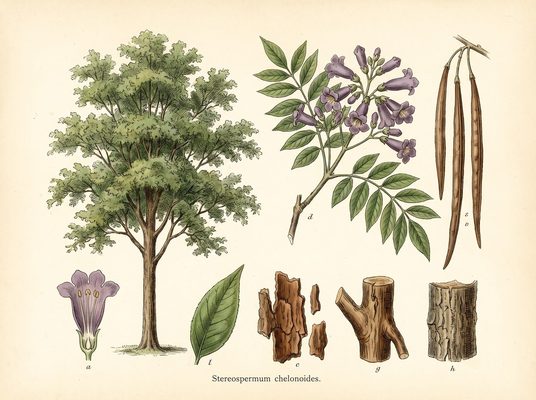 Fragrant padri treeStereospermum suaveolens
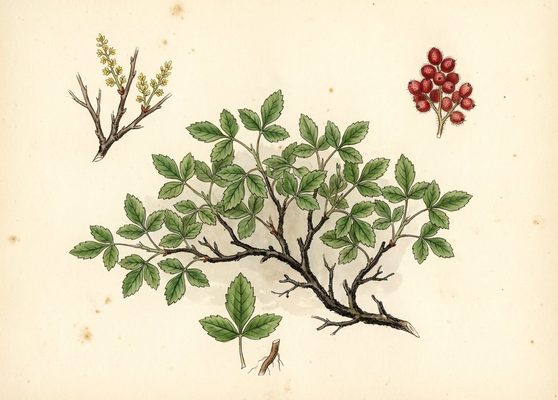 Fragrant sumacRhus aromatica
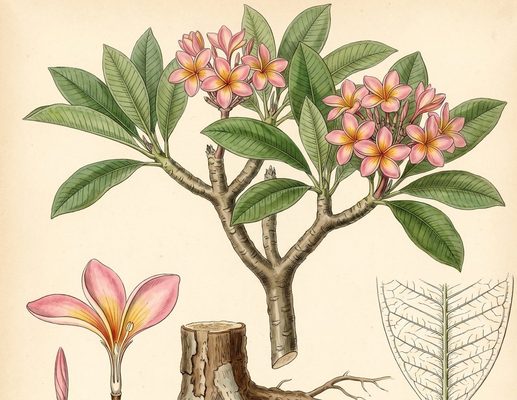 FrangipaniPlumeria rubra
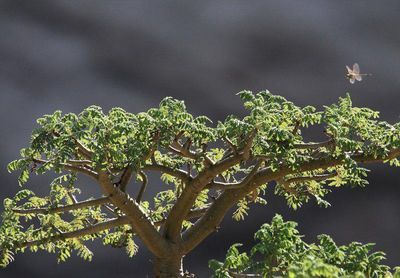 FrankincenseBoswellia spp.
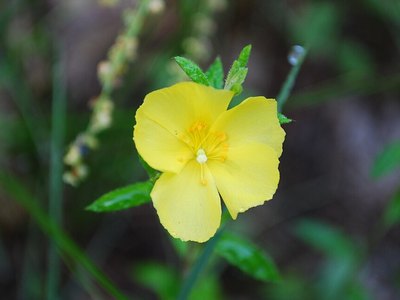 FrostweedHelianthemum canadense
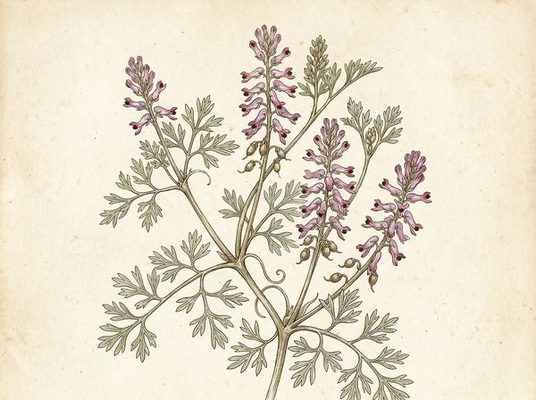 FumitoryFumaria officinalis
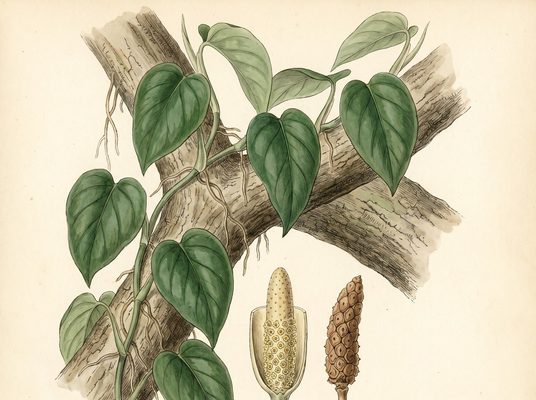 Gaja pippaliScindapsus officinalis
 GalangalAlpinia officinarum
The whole plate is in the library. The compass, Compare, the Sky of eleven hundred plants and the formulary open with an email address and a password, free, with the formula builder and its safety engine. Herbert in full, his formulating, clients, the handouts and the labels are the paid room.
Open the library, free