Chinese Herbalism
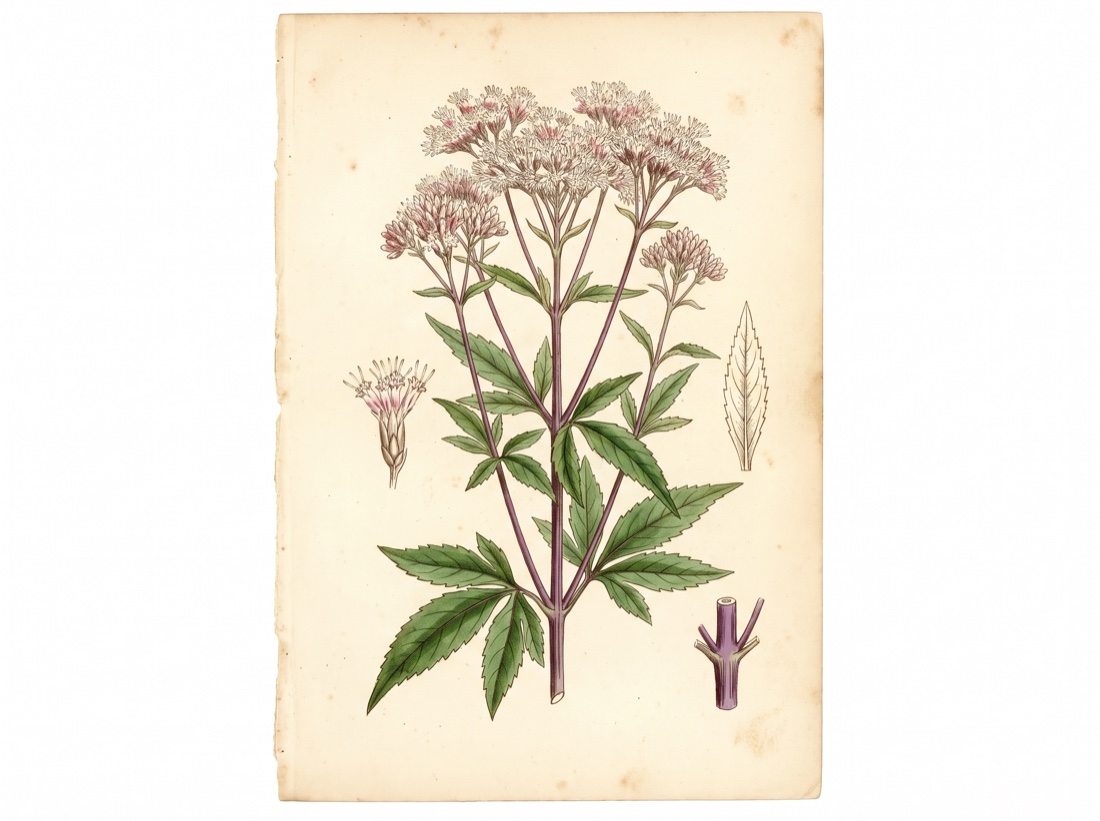
Fortune's eupatorium
Eupatorium fortunei
Also known as Chinese boneset, orchid herb, pei lan, pèi lán, shān zé lán, shuǐ zé lán.
Pei lan is the dried aerial parts of Eupatorium fortunei, an aromatic perennial of stream banks and damp meadows in eastern and southern China, Japan and Korea, cultivated in Jiangsu, Zhejiang and Hebei. Its name recalls the fragrant sachets worn in antiquity, and its thyme-like scent is the point: it is one of the aromatic damp-transforming herbs, cut in summer, that lift the heavy, sticky, appetite-killing dampness of the spleen and of humid weather. It is a close relative of the European hemp agrimony and shares that group's pyrrolizidine alkaloid burden.

Ask Herbert about Fortune's eupatorium. Herbert is the master herbalist inside Bountiful Herbs: he answers from this plate and eleven hundred others, with dosing, pairing and cautions. Your first ten questions are free.
Ask HerbertActions
Indications what the tradition reached for it in
- Poor appetite with a sticky, sweet taste in the mouth and a greasy tongue coat
- Bad breath from stomach dampness
- Nausea, fullness and heaviness after eating in damp weather
- Summerheat with dampness: low fever, heavy head, chest oppression, nausea
- Early stage of damp-warm febrile disease with a thick white coat
- Loose stools with abdominal distension from damp accumulation
- Excess saliva and a thick tongue coat in diabetics with damp-heat (traditional pi dan)
- Chronic gastritis and functional dyspepsia of the damp type
- Headache and lethargy in humid climates
Specific indications
A patient who complains of a persistent sweet or greasy taste, sticky mouth and no appetite, with a thick white greasy tongue coat, especially in the wet season
Heavy limbs, a heavy head, mild fever and nausea after hot humid weather, without much thirst
Safety
Recognised toxicity. This plant carries a toxicity flag in the record; it is for trained practitioners only.
Low dose botanical. Used in drop doses in the classical practice; not a plant to dose freely.
The record lists 12 contraindications; open the plate in the library to read them in full.
In practice
Pei lan is nearly always paired with huo xiang; the two share the work of transforming dampness, and pei lan is the milder, more neutral partner that particularly suits the sweet, sticky mouth and greasy coat of spleen dampness.
In Chinese medicine
Temperature: neutral. Taste: acrid. Channels: Spleen, Stomach, Lung. Actions: Aromatically transforms dampness and awakens the spleen; Clears turbidity and relieves the sweet, sticky taste and bad breath of spleen dampness; Releases summerheat with dampness from the exterior; Harmonizes the middle burner to stop nausea and restore appetite.
Dosing as the sources wrote it
| Preparation | As written | Metric |
|---|---|---|
| Decoction (added late) | 3-10 g dried herb daily in decoction, added in the last 5-10 minutes | 3000-10000 mg |
| Decoction (fresh herb) | 10-20 g fresh herb daily, briefly simmered | 10000-20000 mg |
| Infusion | 3-6 g dried herb steeped in 250 mL hot water, covered, once or twice daily for up to 4 weeks | 3000-6000 mg |
Doses are reproduced from the sources for practitioners and are not a recommendation for any person.
From the sources
Overview. Pei lan is the dried aerial parts of Eupatorium fortunei, an aromatic perennial of stream banks and damp meadows in eastern and southern China, Japan and Korea, cultivated in Jiangsu, Zhejiang and Hebei. Its name recalls the fragrant sachets worn in antiquity, and its thyme-like scent is the point: it is one of the aromatic damp-transforming herbs, cut in summer, that lift the heavy, sticky, appetite-killing dampness of the spleen and of humid weather. It is a close relative of the European hemp agrimony and shares that group's pyrrolizidine alkaloid burden.
Clinical Notes. Pei lan is nearly always paired with huo xiang; the two share the work of transforming dampness, and pei lan is the milder, more neutral partner that particularly suits the sweet, sticky mouth and greasy coat of spleen dampness.
Chinese Medicine Profile. Temperature: neutral. Taste: acrid. Channels: Spleen, Stomach, Lung. Actions: Aromatically transforms dampness and awakens the spleen; Clears turbidity and relieves the sweet, sticky taste and bad breath of spleen dampness; Releases summerheat with dampness from the exterior; Harmonizes the middle burner to stop nausea and restore appetite.
Nearby on the shelf
 Flowering dogwoodCornus florida
 Flowering quinceChaenomeles speciosa
 Flowering SpurgeEuphorbia corollata
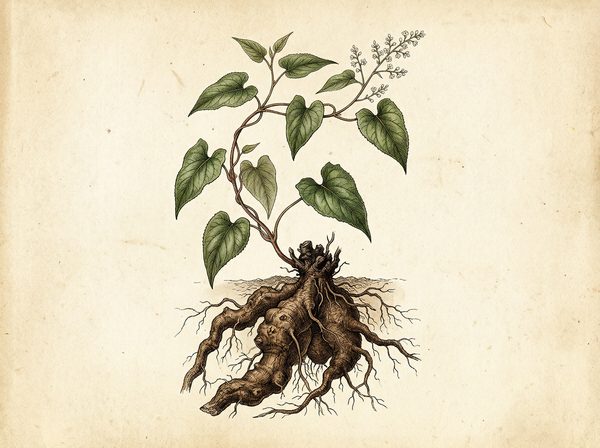 Fo-TiPolygonum multiflorum
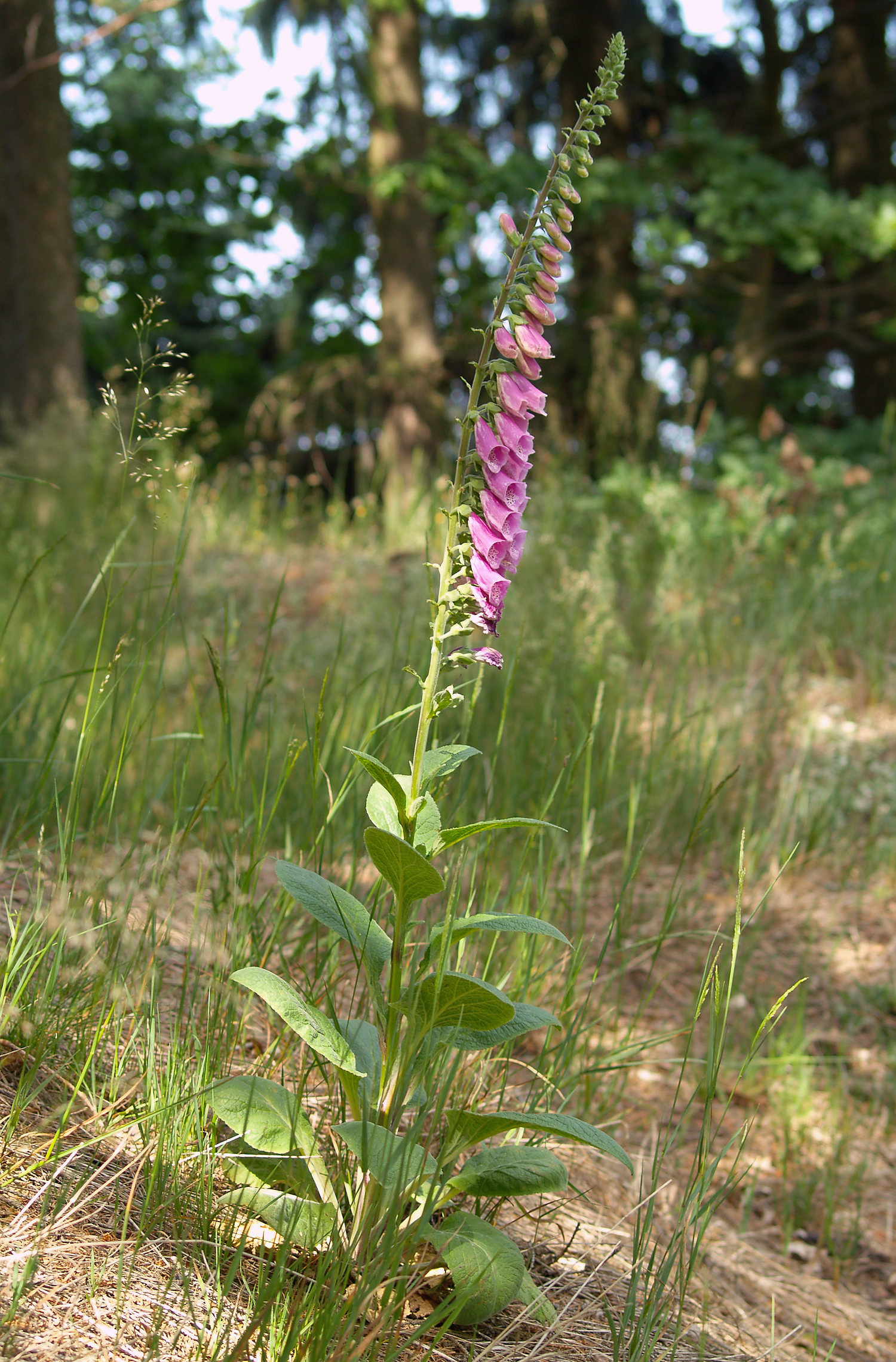 FoxgloveDigitalis purpurea
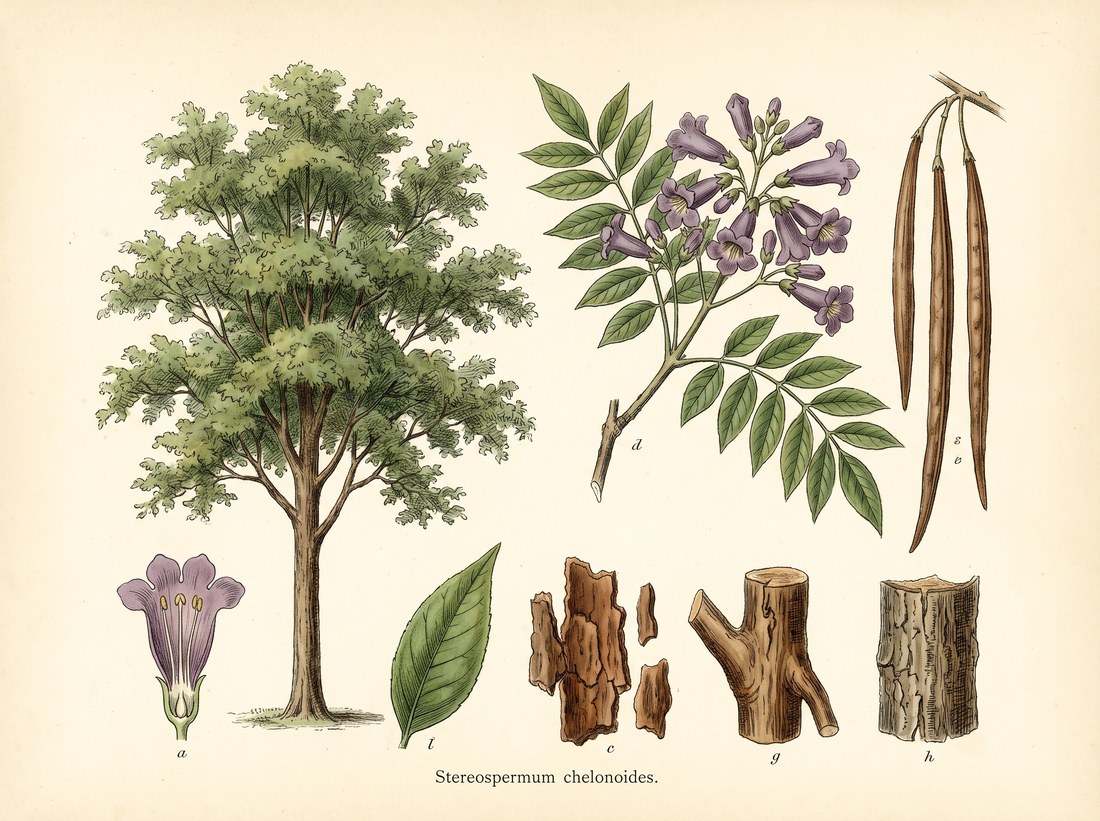 Fragrant padri treeStereospermum suaveolens
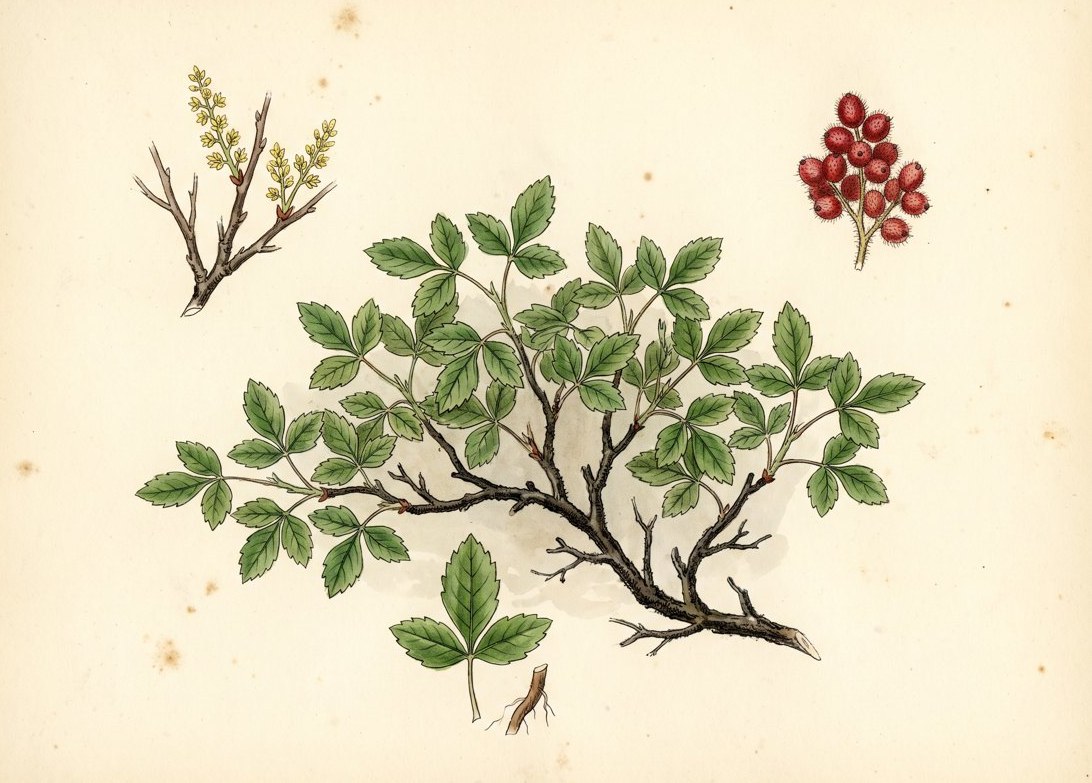 Fragrant sumacRhus Aromatica
 FrangipaniPlumeria rubra
The whole plate is in the library. The compass, Compare, the Sky of eleven hundred plants and the formulary open with an email address and a password, free, with the formula builder and its safety engine. Herbert without limit, his formulating, clients, the handouts and the labels are the paid room.
Open the library, free