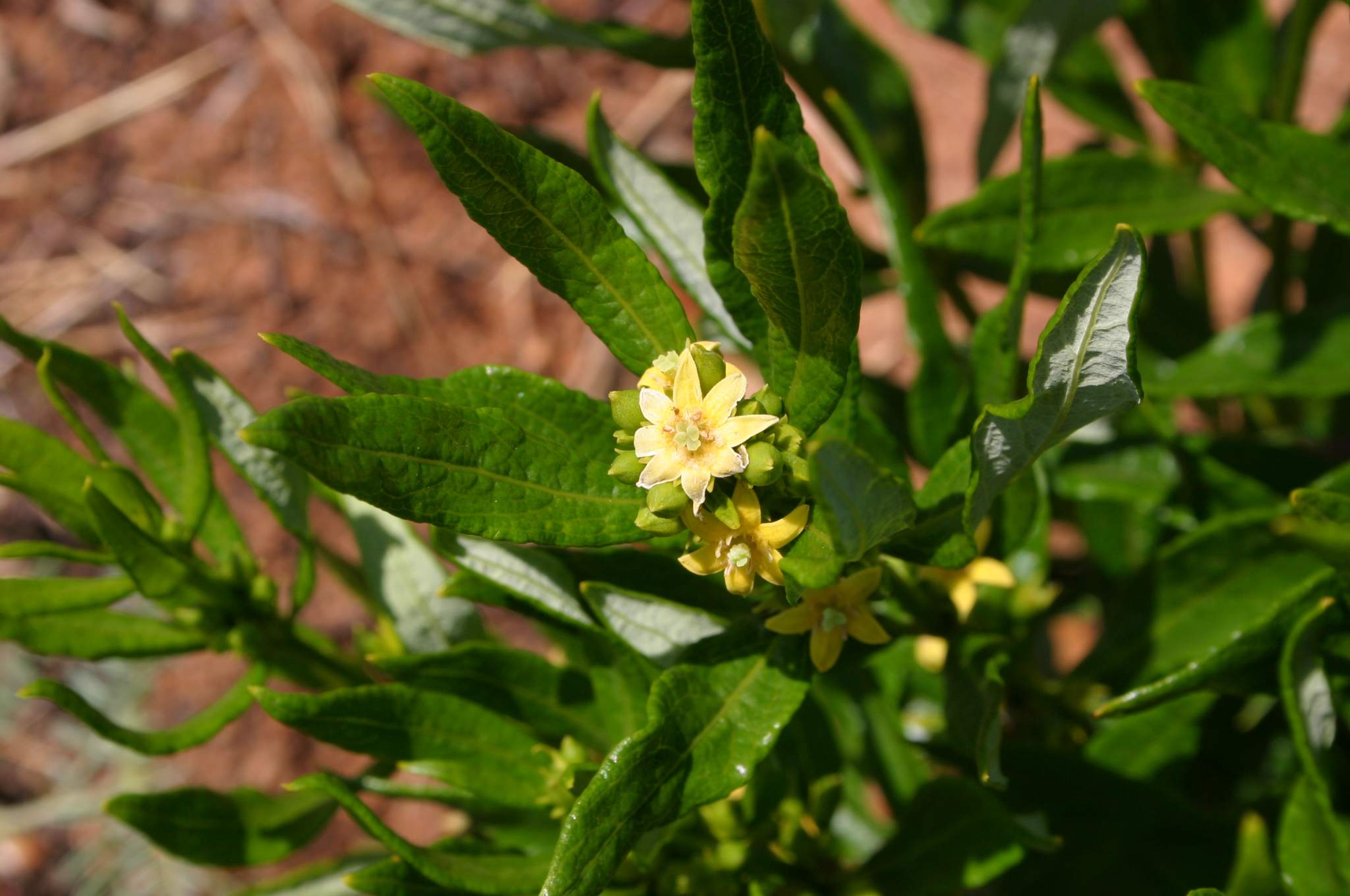
Western Herbalism
Fadogia Agrestis
Fadogia agrestis
Also known as Black Aphrodisiac, Bakin Gagai.
Fadogia Agrestis acts primarily as: Aphrodisiac, Androgenic, Pro-erectile. Secondary actions include Antipyretic, Antimicrobial, Antiplasmodial, Antispasmodic, Anti-inflammatory, Antioxidant.

Ask Herbert about Fadogia Agrestis. Herbert is the master herbalist inside Bountiful Herbs: he answers from this plate and eleven hundred others, with dosing, pairing and cautions. Your first ten questions are free.
Ask HerbertActions
Indications what the tradition reached for it in
- Erectile dysfunction
- Low libido
- Low testosterone
- Male infertility
- Sexual dysfunction
- Fever
- Malaria
- Kidney pain
- Diarrhea
- Abdominal pain
- Toothache
- Rheumatism
- Urogenital infections
- Debility
- Fatigue
- Weakness
- Infection
- Hyperglycemia
- Diabetes
- Pain
- Inflammation
Safety
Low dose botanical. Used in drop doses in the classical practice; not a plant to dose freely.
Breastfeeding: Lactation
The record lists 15 contraindications; open the plate in the library to read them in full.
Dosing as the sources wrote it
| Preparation | As written | Metric |
|---|---|---|
| Traditional dose | Traditional dose: aqueous stem decoction equivalent to 18 mg/kg body weight (~175-200 mg for 70 kg adult) | 18 mg |
| Commercial supplements | Commercial supplements: 300-600 mg/day (WARNING: exceeds traditional dose and approaches doses associated with organ toxicity in animal studies) | 300-600 mg |
| Cycle use | Cycle use: 4-8 weeks on, equal time off |
Doses are reproduced from the sources for practitioners and are not a recommendation for any person.
From the sources
primary-actions. Fadogia Agrestis acts primarily as: Aphrodisiac, Androgenic, Pro-erectile. Secondary actions include Antipyretic, Antimicrobial, Antiplasmodial, Antispasmodic, Anti-inflammatory, Antioxidant.
indications. Fadogia Agrestis is traditionally indicated for: Erectile dysfunction, Low libido, Low testosterone, Male infertility, Sexual dysfunction, Fever, Malaria, Kidney pain, Diarrhea, Abdominal pain, Toothache, Rheumatism, Urogenital infections, Debility, Fatigue, and 6 further conditions.
constituents. Notable constituents of Fadogia Agrestis include: Alkaloids (quinoline-type, isoquinoline-type, 84.0 mg/g in root/stem bark), Saponins (3-O-alpha-L-rhamnopyranosyl pomolic acid, randiasaponin IV), Flavonoids (hyperoside, nicotiflorin, narcissin, rutin, luteolin), Iridoids (geniposidic acid), Tannins, Anthraquinones (trace), Steroids, Glycosides, Resins.
dose-reference. Reference preparation/dosing for Fadogia Agrestis: Traditional dose: aqueous stem decoction equivalent to 18 mg/kg body weight (~175-200 mg for 70 kg adult); Commercial supplements: 300-600 mg/day (WARNING: exceeds traditional dose and approaches doses associated with organ toxicity in animal studies); Cycle use: 4-8 weeks on, equal time off; No safe human dose established; No human clinical trials exist
Nearby on the shelf
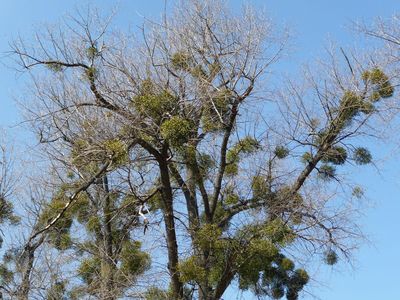 European mistletoeViscum album
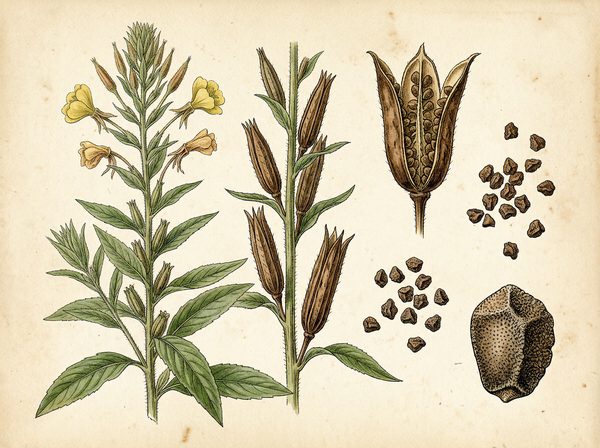 Evening PrimroseOenothera biennis
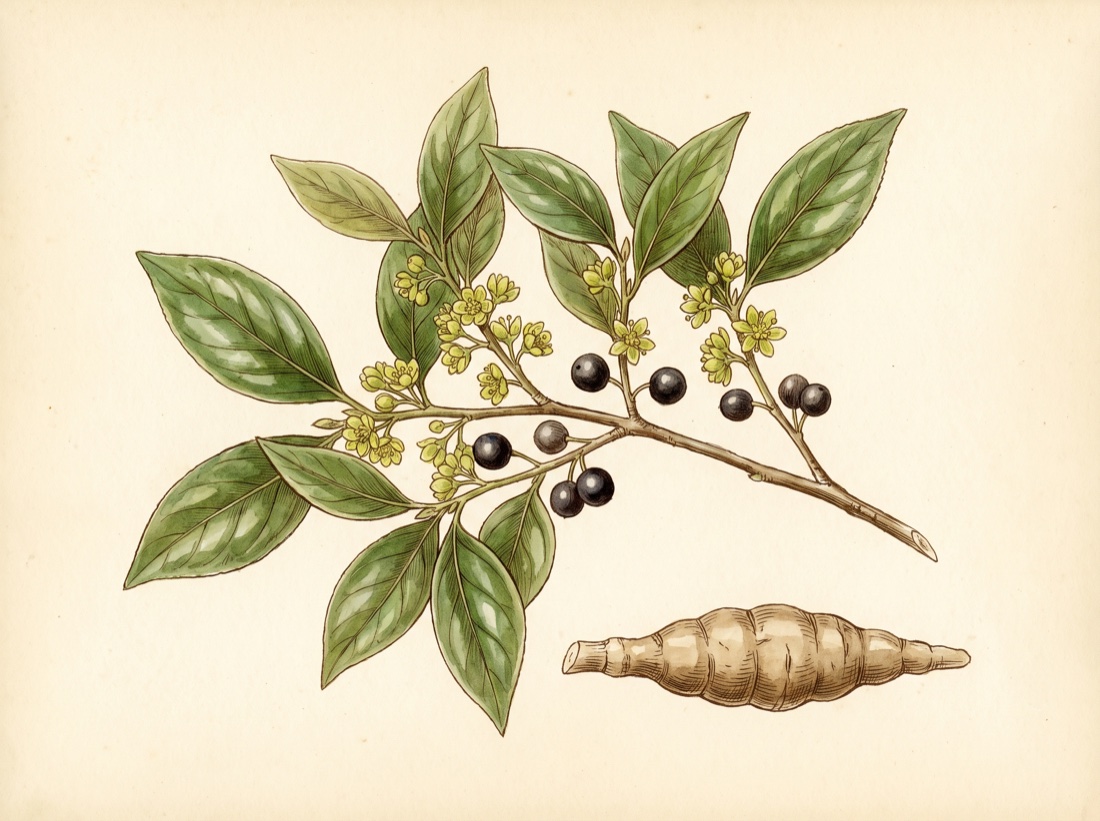 Evergreen linderaLindera aggregata
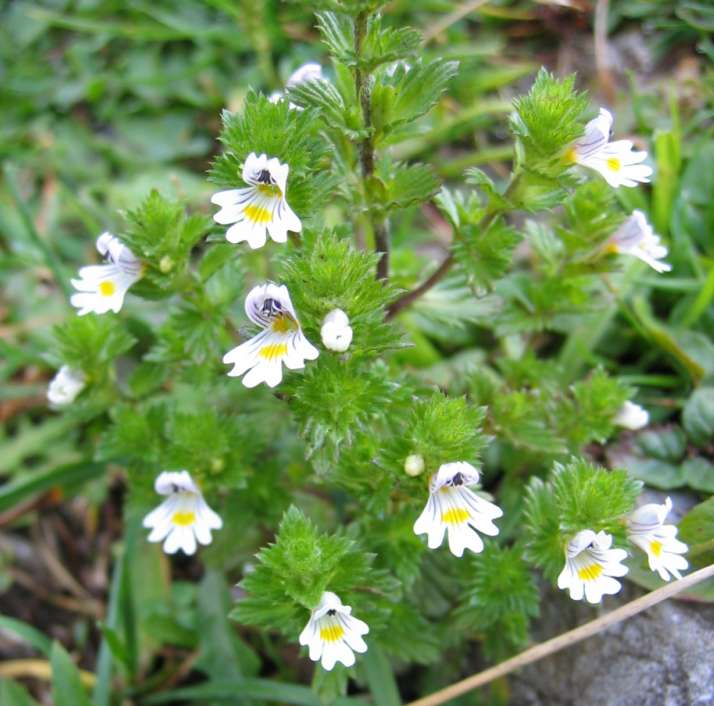 EyebrightEuphrasia stricta
 False AloeAgave Virginica
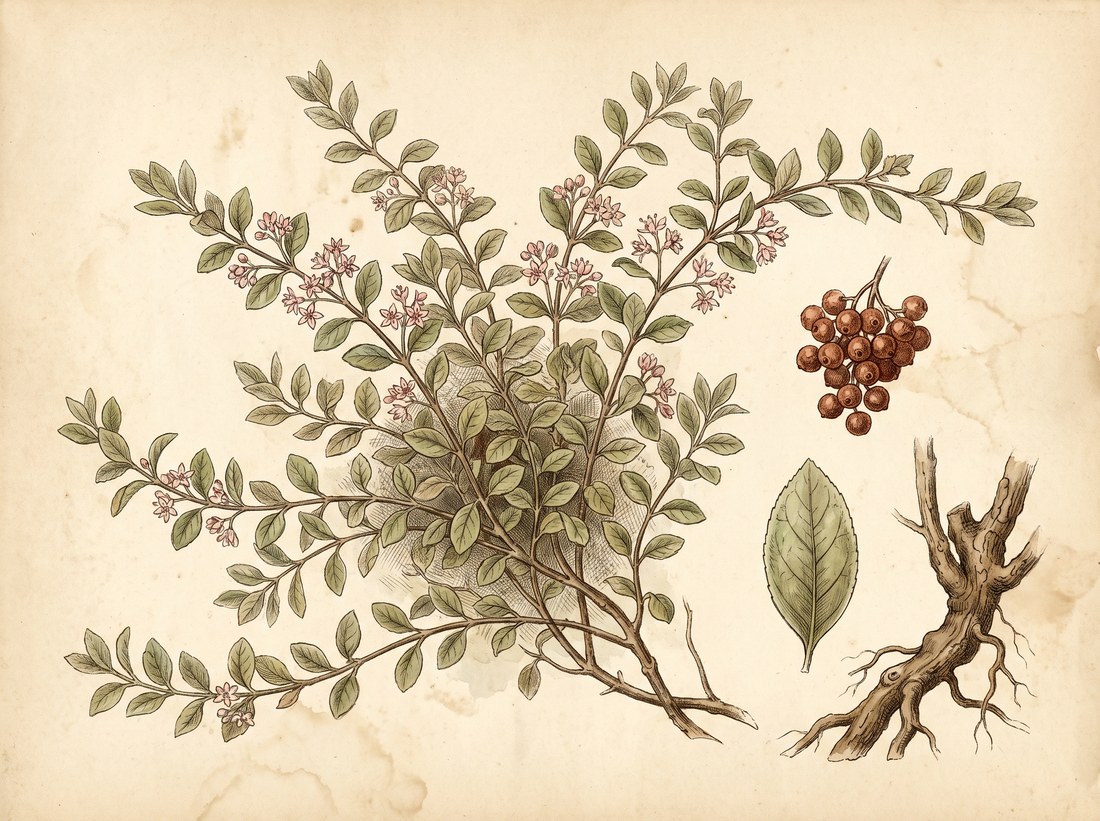 False black pepperEmbelia ribes
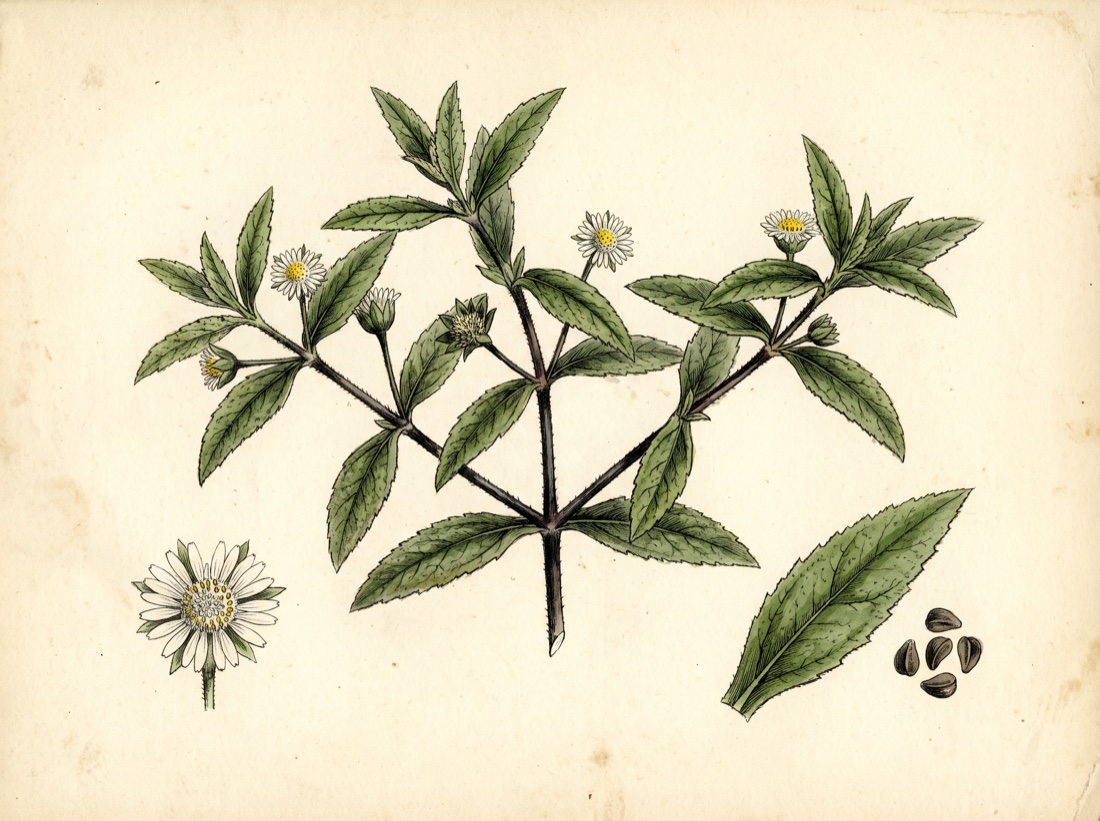 False daisyEclipta prostrata
 False GromwellOnosmodium
The whole plate is in the library. The compass, Compare, the Sky of eleven hundred plants and the formulary open with an email address and a password, free, with the formula builder and its safety engine. Herbert without limit, his formulating, clients, the handouts and the labels are the paid room.
Open the library, free