Western Herbalism
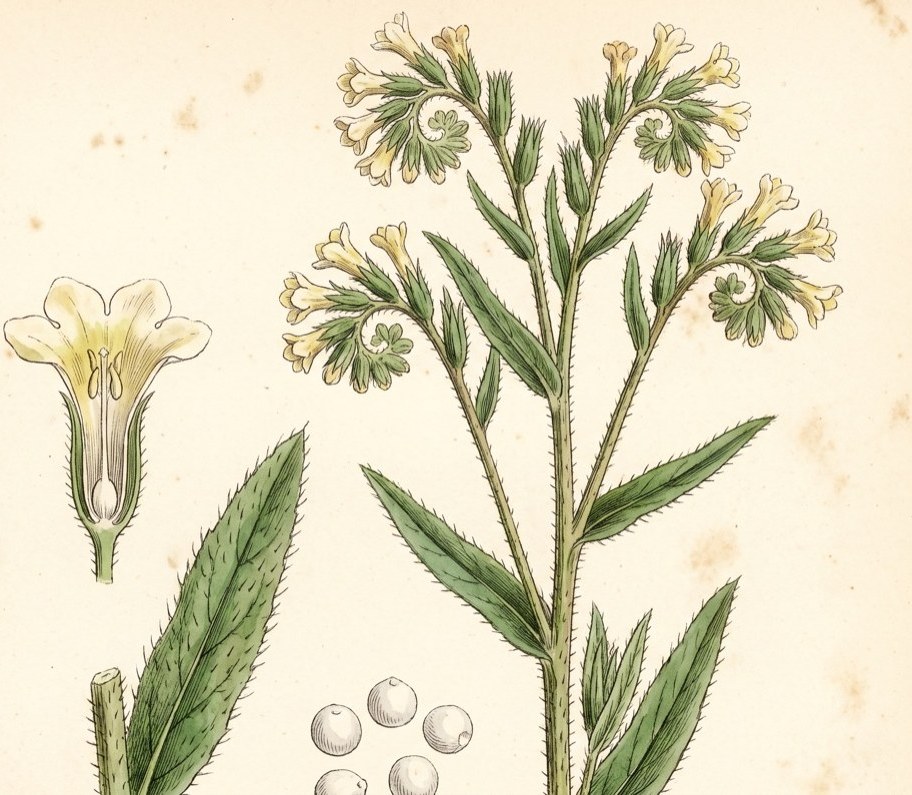
False Gromwell
Onosmodium
Also known as Marbleseed, Gravel Weed, Wild Job's Tears.
Onosmodium is a small genus of coarse, hairy perennial herbs in the borage family, native to dry gravelly ground and open woodlands of eastern and central North America. The root and, less commonly, the hard nutlet-like seeds were used by nineteenth century American eclectic physicians as a urinary remedy, valued for a supposed action similar to gromwell (Lithospermum) on the bladder and kidneys. It never entered mainstream herbal use and remains largely a historical curiosity, with the common name false gromwell reflecting its resemblance to that related genus.

Ask Herbert about False Gromwell. Herbert is the master herbalist inside Bountiful Herbs: he answers from this plate and eleven hundred others, with dosing, pairing and cautions. Your first ten questions are free.
Ask HerbertActions
Indications what the tradition reached for it in
- Acute cystitis
- Chronic cystitis
- Urethritis
- Renal gravel
- Dysuria
- Hematuria of the lower urinary tract (traditional)
- Irritable bladder
- Prostatic irritation (supportive)
Specific indications
Chronic, dull, aching cystitis with scanty, frequent urination and suspected gravel in the urine
Acute cystitis with burning, painful urination following a chill or overexertion
Safety
Low dose botanical. Used in drop doses in the classical practice; not a plant to dose freely.
Pregnancy: Avoid in pregnancy, as safety data are absent and other genera in this family are known to contain hepatotoxic pyrrolizidine alkaloids.
Breastfeeding: Use with care while breastfeeding
The record lists 5 contraindications; open the plate in the library to read them in full.
In practice
Historically the dried root was prepared as a strong infusion and given in small, frequent doses through the day for cystitis, both acute and chronic, and for calculous complaints where gravel was suspected.
Dosing as the sources wrote it
| Preparation | As written | Metric |
|---|---|---|
| Infusion of dried root | 30 g dried root to 500 mL water, 15 mL every 3 hours | 30000 mg |
| Powdered seed | 1-2 g powdered seed every 4-5 hours | 1000-2000 mg |
| Tincture (1:5) | 2-4 mL three times daily | 2-4 mL |
| A strong infusion of the root and seeds, taken in doses of 4 fluid ounces, every 2 hours for about a day, or until it purges, is highly extolled as a cure for calculous affections. | 118-118 mL |
Doses are reproduced from the sources for practitioners and are not a recommendation for any person.
From the sources
Overview. Onosmodium is a small genus of coarse, hairy perennial herbs in the borage family, native to dry gravelly ground and open woodlands of eastern and central North America. The root and, less commonly, the hard nutlet-like seeds were used by nineteenth century American eclectic physicians as a urinary remedy, valued for a supposed action similar to gromwell (Lithospermum) on the bladder and kidneys. It never entered mainstream herbal use and remains largely a historical curiosity, with the common name false gromwell reflecting its resemblance to that related genus.
Clinical Notes. Historically the dried root was prepared as a strong infusion and given in small, frequent doses through the day for cystitis, both acute and chronic, and for calculous complaints where gravel was suspected.
Action, Medical Uses, and Dosage. This plant is diuretic, possessing properties analogous to those of the Onosmodium Virginianum, and deserves further investigation. It has proved efficient in both acute and chronic cystitis, and likewise in certain calculous affections. A strong infusion of the dried root, 1 ounce to water 1 pint, may be given every 3 hours in tablespoonful doses. The seeds, in powder, are used in half-teaspoonful doses every 4 or 5 hours (King).
The roots and seeds of Lithospermum officinale, Linné. Nat. Ord: Boraginaceae. COMMON NAME: Common gromwell. ILLUSTRATION: Woodville's Medical Botany, Plate 105.
Drawn from King's American Dispensatory, 18th edition (Felter and Lloyd), and the Bountiful Herbs editorial.
Nearby on the shelf
 Fadogia AgrestisFadogia agrestis
 False AloeAgave Virginica
 False black pepperEmbelia ribes
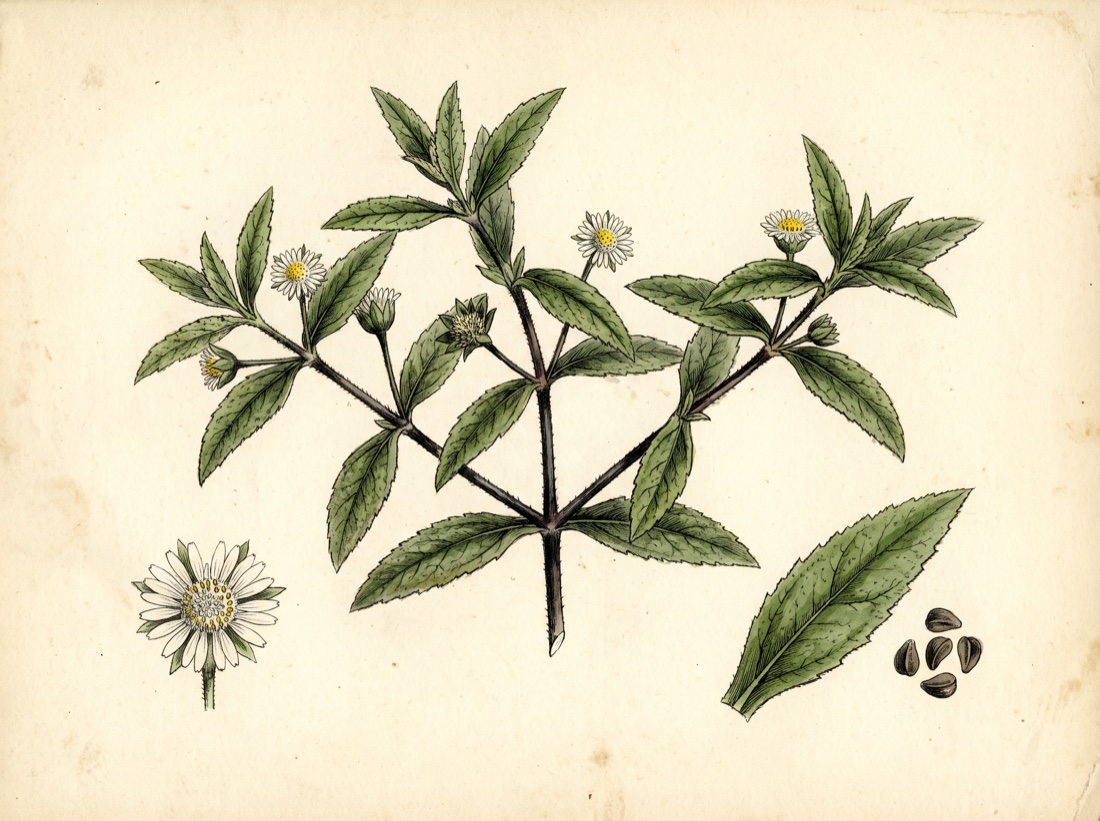 False daisyEclipta prostrata
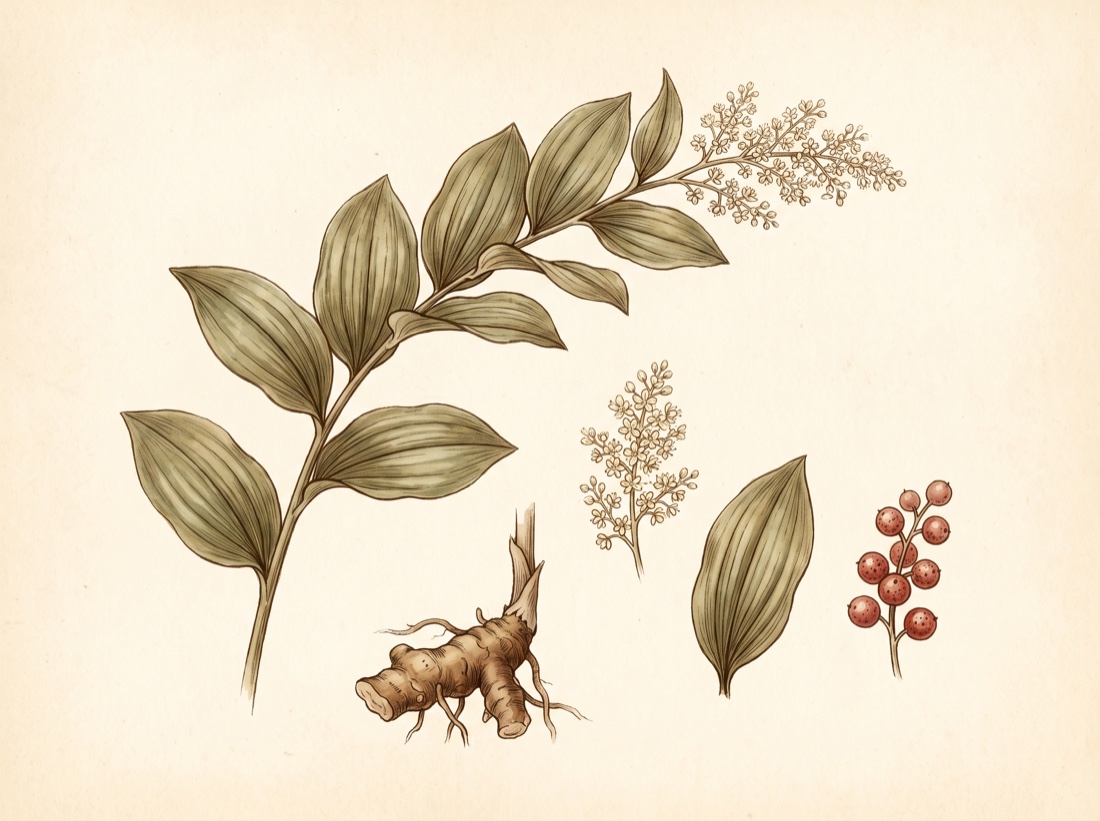 False Solomon's sealMaianthemum racemosum
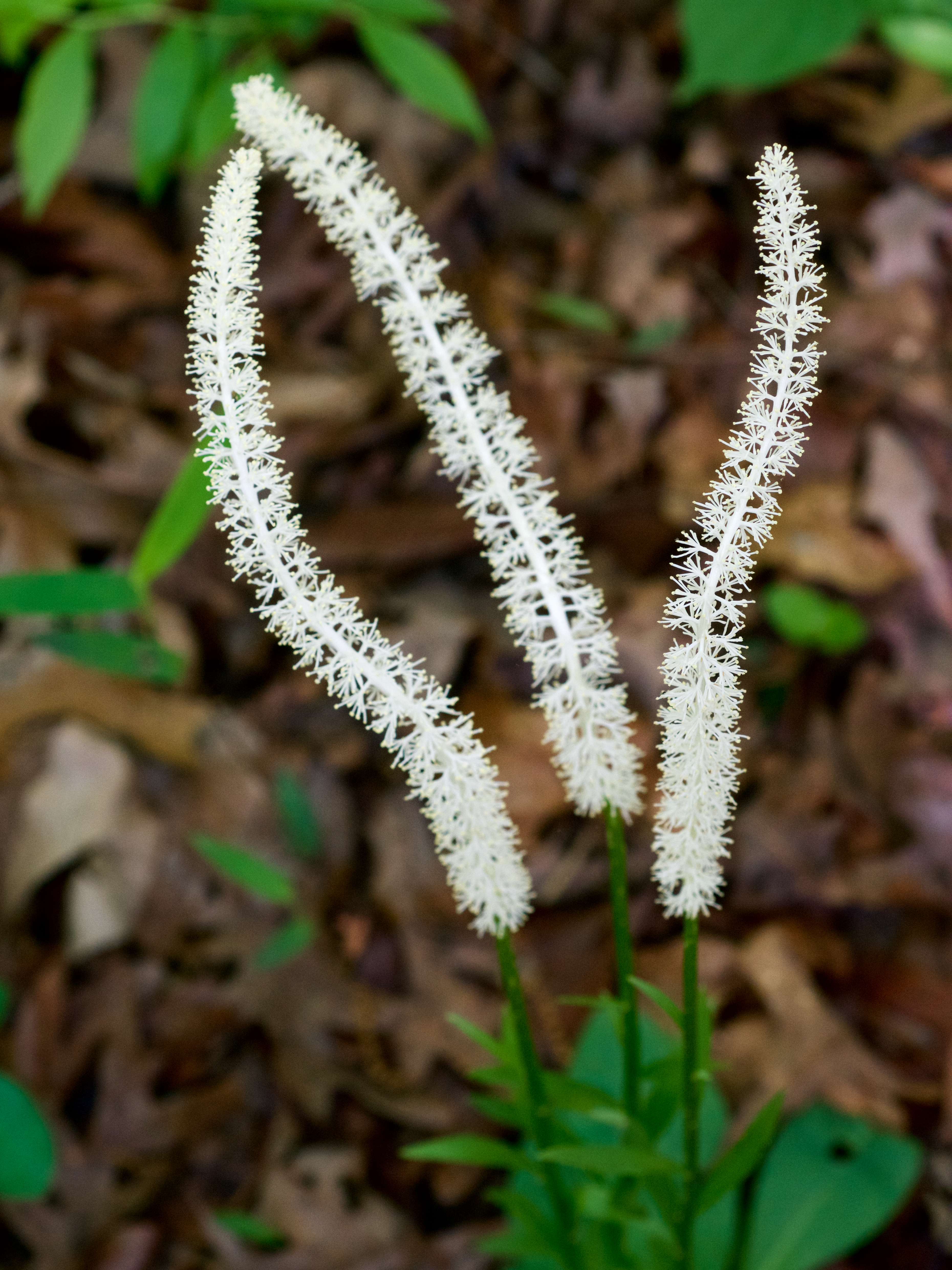 False unicornChamaelirium luteum
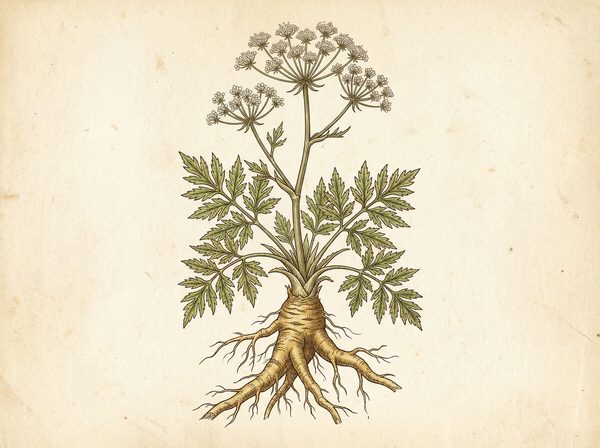 Fang FengSaposhnikovia divaricata
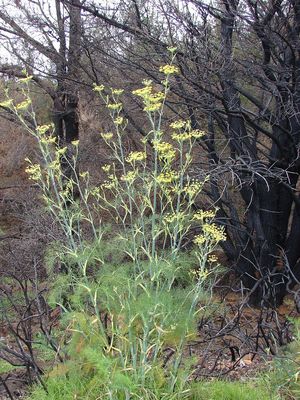 FennelFoeniculum vulgare
The whole plate is in the library. The compass, Compare, the Sky of eleven hundred plants and the formulary open with an email address and a password, free, with the formula builder and its safety engine. Herbert without limit, his formulating, clients, the handouts and the labels are the paid room.
Open the library, free