Ayurvedic Herbalism
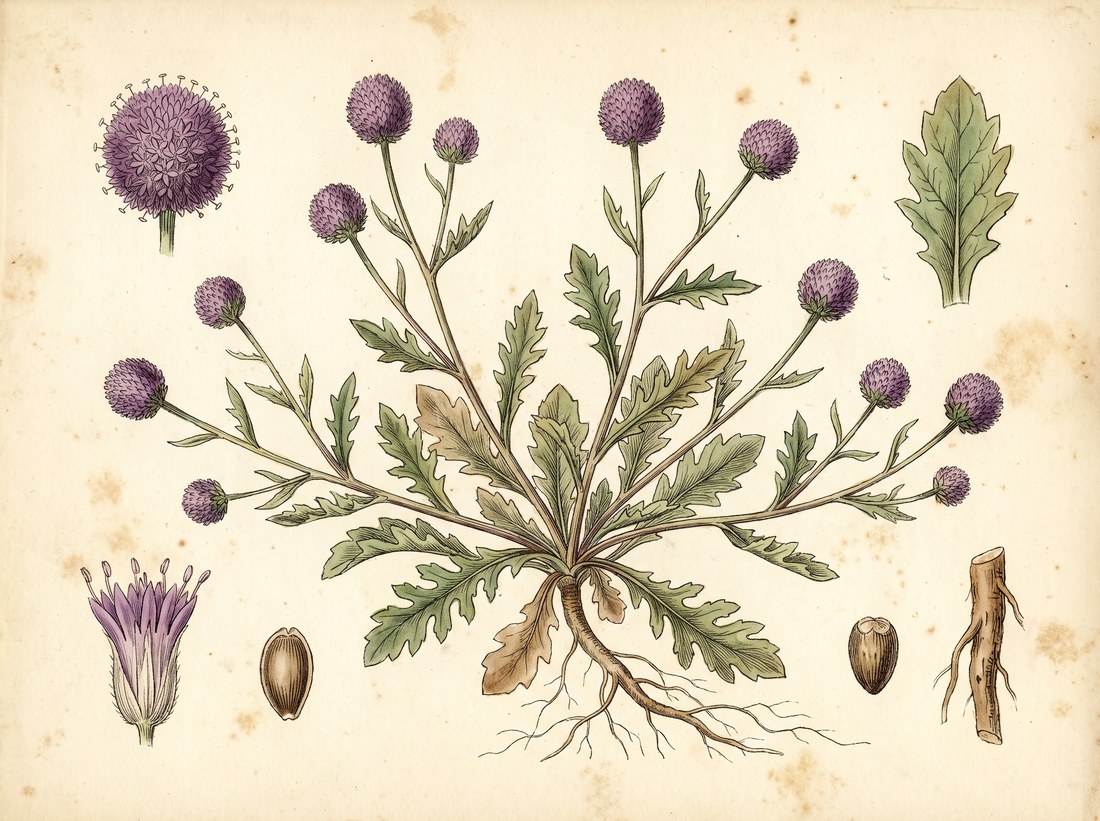
East Indian globe thistle
Sphaeranthus indicus
Also known as globe thistle, gorakhmundi, Mundi, Munditika, Shravani.
Sphaeranthus indicus is a low, spreading, strongly aromatic annual of the daisy family with purple globe-shaped flower heads, growing as a weed of rice fields and damp fallow land across the plains of India after the monsoon. Ayurveda calls it Mundi or Munditika and counts it among the medhya and rasayana herbs: a warming, bitter plant that clears glandular swellings, skin disease and worms, steadies the mind and, in the popular tradition, restores the color of hair. Its Hindi name honors the yogi Gorakhnath, and the whole plant is used.
Ask Herbert about East Indian globe thistle. Herbert is the master herbalist inside Bountiful Herbs: he answers from this plate and eleven hundred others, with dosing, pairing and cautions. Your first ten questions are free.
Ask HerbertActions
Indications what the tradition reached for it in
- Chronic swollen glands and scrofulous conditions
- Chronic skin disease with itching, including psoriasis (traditional)
- Anxiety with restlessness and poor concentration
- Epilepsy and neurological disorders (traditional adjunct)
- Obesity and metabolic syndrome (adjunct, in combination products)
- Intestinal parasites
- Chronic bronchitis and asthma with allergic features
- Anemia with sluggish digestion
- Hemorrhoids
- Premature graying and hair fall (oil, traditional)
- Urinary tract irritation with scanty urine
- Leukorrhea and pelvic congestion (traditional)
Specific indications
A kapha-vata patient with chronic swollen neck glands, dull skin eruptions and a slow mind who tires easily
The anxious, restless student with poor memory and scattered attention who is also cold and constipated
An overweight patient with a slow metabolism, high triglycerides and a craving for sweets, as part of a diet and exercise program
Chronic itching skin disease with worms or recurrent boils in a child with a poor appetite
Safety
The record lists 5 contraindications; open the plate in the library to read them in full.
In practice
The Ayurvedic practitioner reaches for Mundi in three settings. For apachi and gandamala, the chronic swollen glands of the neck, it is given as churna with honey or in kwatha with Kanchanara and Varuna, and the root paste is applied to the swelling.
In Ayurveda
Rasa: tikta (bitter), katu (pungent), with a madhura (sweet) note in the vipaka. Virya: ushna (heating). Vipaka: katu (pungent). Guna: laghu (light), ruksha (dry). Dosha: pacifies kapha and vata; may aggravate pitta in excess. Karma: medhya (promotes intellect); deepana (kindles digestion); pachana (digests ama); krimighna (anthelmintic); kushthaghna (relieves skin disease); gandamalahara (resolves glandular swellings); apachihara (resolves chronic glandular disease); raktashodhana (purifies blood); mutrala (diuretic); pramehahara (corrects urinary and metabolic disorders); vrishya (aphrodisiac); rasayana (rejuvenative); kesha ranjana (darkens and strengthens hair). Classical indications: apachi and gandamala (glandular swellings, cervical lymphadenopathy); kushtha (skin disease); krimi (worms); pandu (anemia); shula (colic); yonidosha (disorders of the female genital tract); prameha (urinary disorders including diabetes); arsha (hemorrhoids); kasa (cough); unmada and apasmara (mental disorders and epilepsy); medoroga (obesity); shiroroga (diseases of the head). The whole flowering plant, gathered in the cold season, is dried and used as churna with honey or in kwatha; the fresh plant is juiced; the flower heads and seeds are used in medhya preparations and the root in pastes for glandular swellings. The plant is also distilled into an aromatic water and made into a hair oil. Classical formulations: Mundi churna, Munditika churna, Mundi swarasa, Mundi arka, Mundi taila (hair oil), Mundyadi kwatha, Mahamanjishthadi kwatha (some versions). Described in: Charaka Samhita, Sushruta Samhita, Bhavaprakasha Nighantu, Dhanvantari Nighantu, Raja Nighantu, Kaiyadeva Nighantu, Madanapala Nighantu, Ayurvedic Pharmacopoeia of India.
Dosing as the sources wrote it
| Preparation | As written | Metric |
|---|---|---|
| Churna | 3-6 g powdered whole plant daily with honey or warm water | 3000-6000 mg |
| Kwatha | 50-100 mL decoction twice daily | 50-100 mL |
| Swarasa | 10-20 mL fresh plant juice daily | 10-20 mL |
| Arka | 10-20 mL distillate twice daily | 10-20 mL |
| Taila, topical | 5-10 mL medicated oil massaged into the scalp | 5-10 mL |
Doses are reproduced from the sources for practitioners and are not a recommendation for any person.
From the sources
Overview. Sphaeranthus indicus is a low, spreading, strongly aromatic annual of the daisy family with purple globe-shaped flower heads, growing as a weed of rice fields and damp fallow land across the plains of India after the monsoon. Ayurveda calls it Mundi or Munditika and counts it among the medhya and rasayana herbs: a warming, bitter plant that clears glandular swellings, skin disease and worms, steadies the mind and, in the popular tradition, restores the color of hair. Its Hindi name honors the yogi Gorakhnath, and the whole plant is used.
Clinical Notes. The Ayurvedic practitioner reaches for Mundi in three settings. For apachi and gandamala, the chronic swollen glands of the neck, it is given as churna with honey or in kwatha with Kanchanara and Varuna, and the root paste is applied to the swelling.
Ayurvedic Profile. Rasa: tikta (bitter), katu (pungent), with a madhura (sweet) note in the vipaka. Virya: ushna (heating). Vipaka: katu (pungent). Guna: laghu (light), ruksha (dry). Dosha: pacifies kapha and vata; may aggravate pitta in excess.
In formulas
East Indian globe thistle stands in 5 documented formulas in the library, among them Mahā Viṣagarbha Taila, Navaratnarājamṛgānka Rasa, Ratnagiri Rasa, Guḍūcyādi Taila, Vātagajāṅkuśa Rasa.
Often paired with
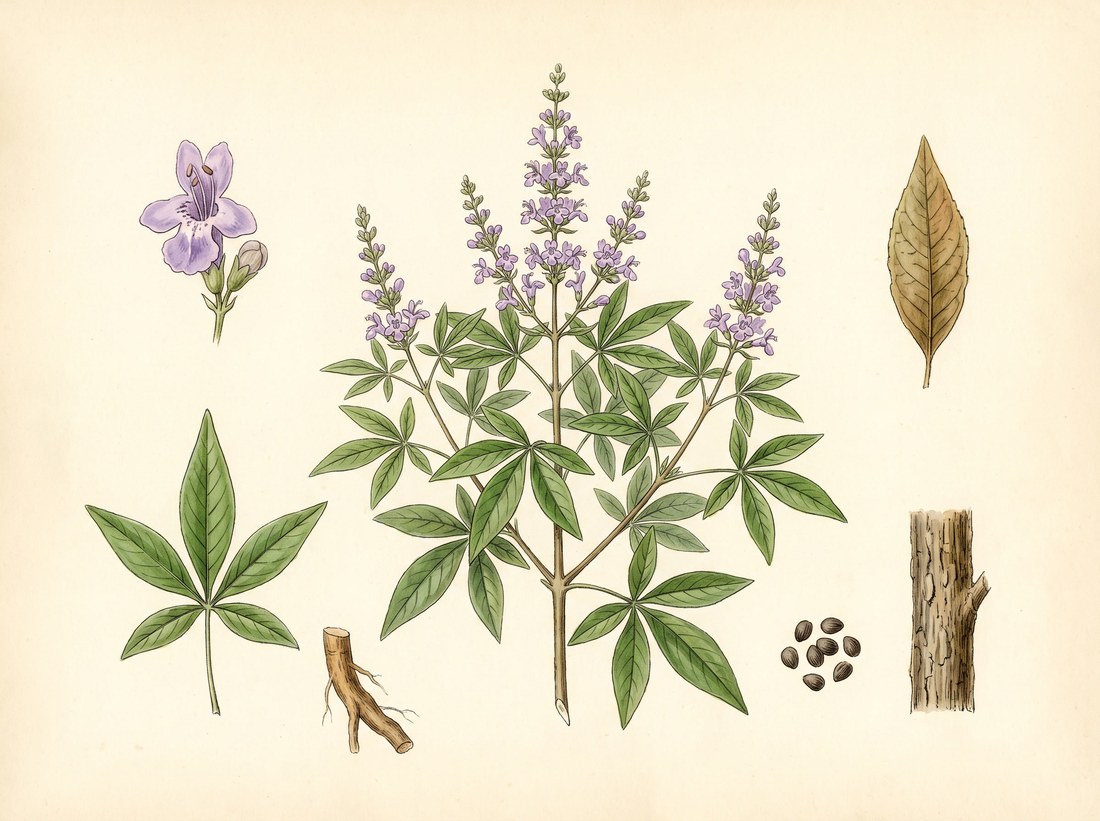 nirgundiVitex negundo
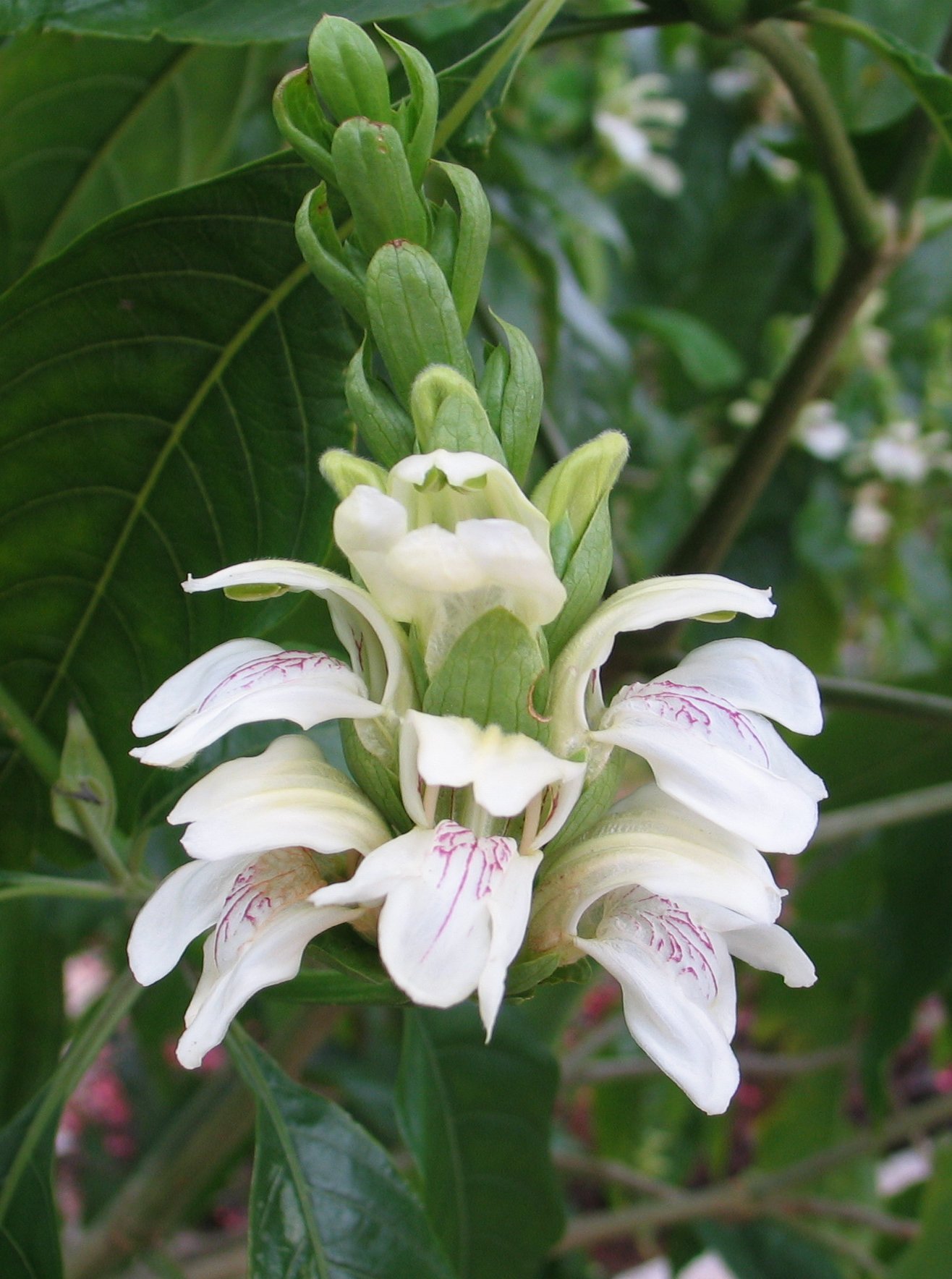 vasakaAdhatoda vasica
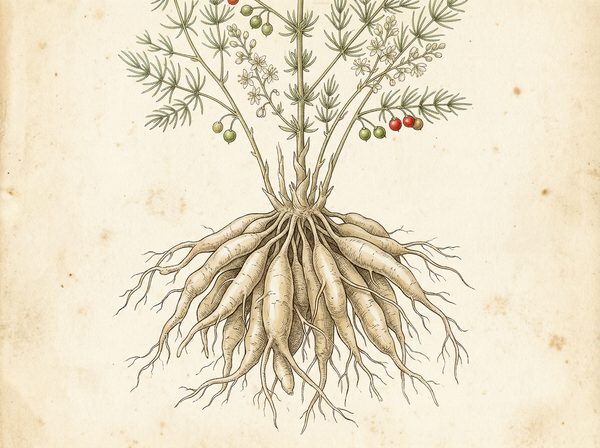 shatavariAsparagus racemosus
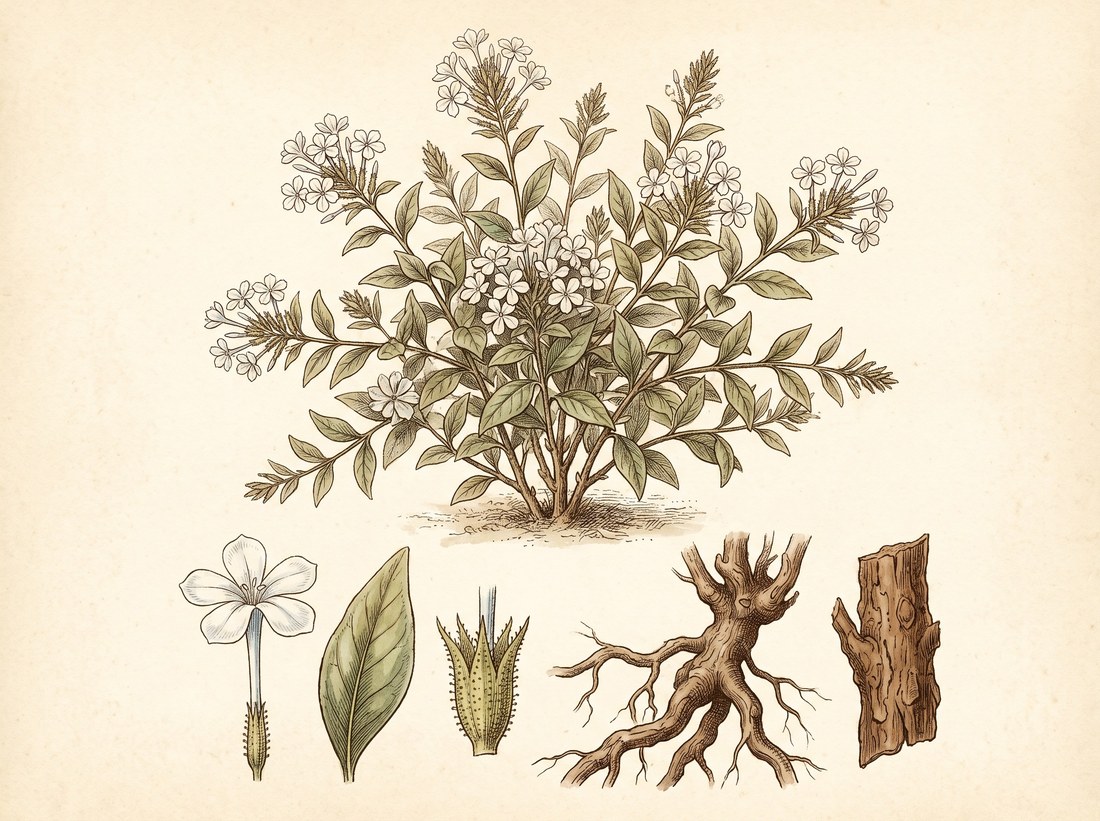 Ceylon leadwortPlumbago zeylanica
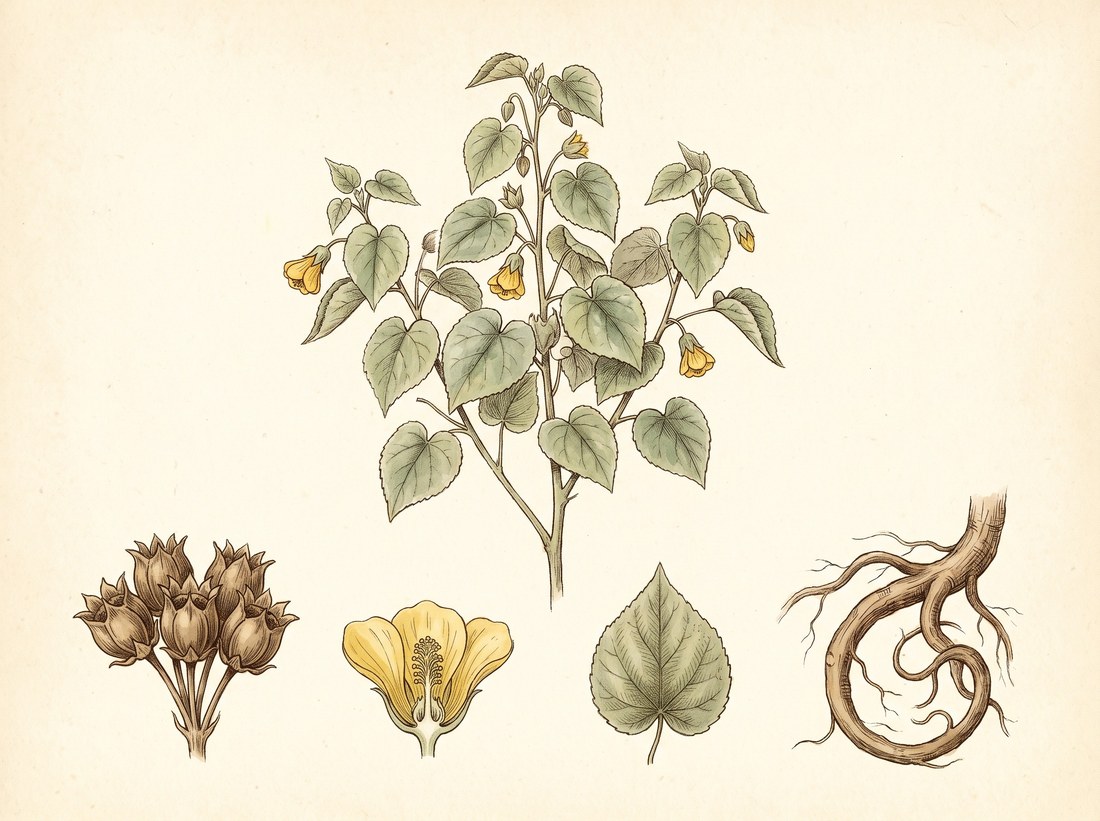 atibalaAbutilon indicum
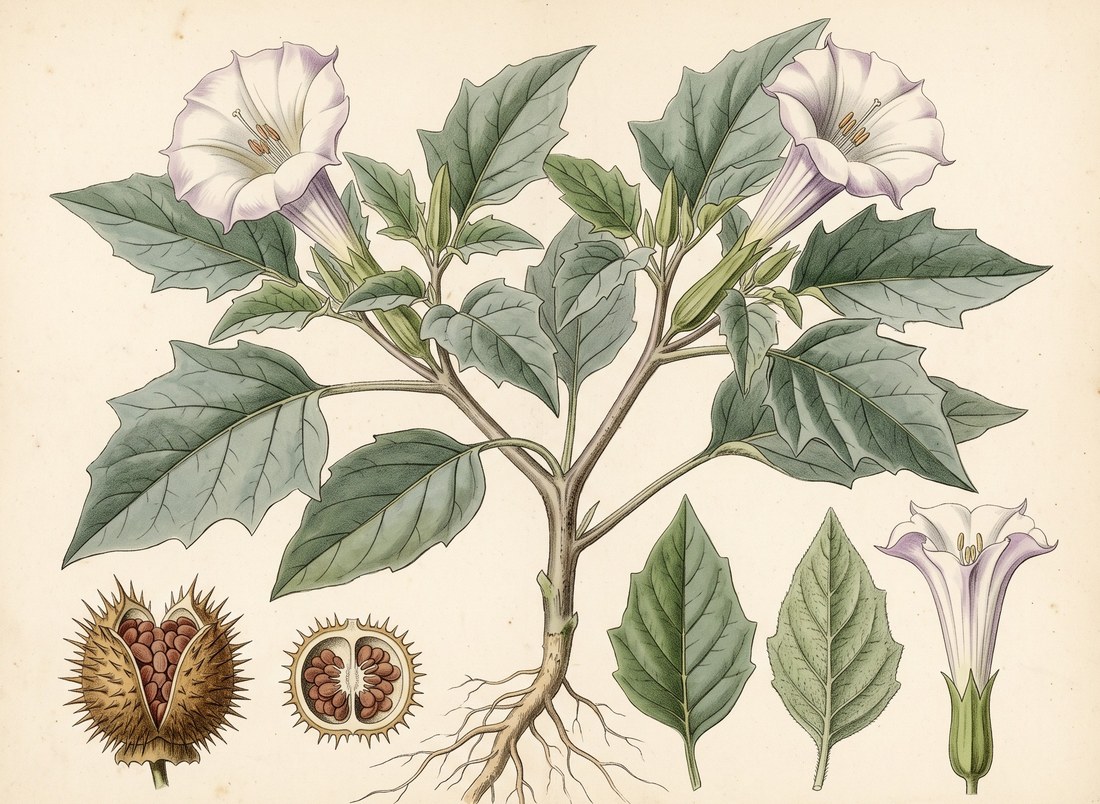 dhatturaDatura metel
Nearby on the shelf
 DulcamaraSolanum dulcamara
 DulsePalmaria palmata
 Dune wormwoodArtemisia monosperma
 Dwarf ElderAralia Hispida
 Eastern HemlockAbies Canadensis
 Eastern red cedarJuniperus virginiana
 Eastern white cedarThuja occidentalis
 Egyptian riverhempSesbania sesban
The whole plate is in the library. The compass, Compare, the Sky of eleven hundred plants and the formulary open with an email address and a password, free, with the formula builder and its safety engine. Herbert without limit, his formulating, clients, the handouts and the labels are the paid room.
Open the library, free