Western Herbalism
Dwarf Elder
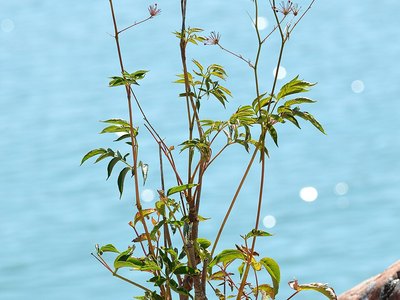
Aralia Hispida
Also known as Wild Elder, Bristle-stem Sarsaparilla, Bristlestem Sarsaparilla, Prickly Elder, Aralia.
Aralia hispida is a low, bristly-stemmed shrub of the Araliaceae, native to gravelly and rocky ground from New England south to Virginia and west into adjacent regions. Its root and root bark were used by nineteenth century American Eclectic and physiomedical practitioners as a stimulating diuretic and alterative, distinct from the true elder (Sambucus) despite the shared common name. It belongs to the same genus as American spikenard (Aralia racemosa) and wild sarsaparilla (Aralia nudicaulis), and was often grouped with them as one of the native 'sarsaparillas' used for dropsical and urinary complaints.

Ask Herbert about Dwarf Elder. Herbert is the master herbalist inside Bountiful Herbs: he answers from this plate and eleven hundred others, with dosing, pairing and cautions. Your first ten questions are free.
Ask HerbertActions
Indications what the tradition reached for it in
- Dropsy (edema) of cardiac or renal origin
- Scanty, high-colored urine
- Urinary gravel and calculi
- Chronic cystitis
- General debility with fluid retention
- Sluggish skin elimination requiring an alterative
- Rheumatic complaints with fluid accumulation
- Post-febrile puffiness and poor diuresis
Specific indications
Dropsy with scanty, high-colored urine and generalized puffiness in a debilitated patient
Edema of the lower limbs with a sluggish, weak pulse calling for a warming, stimulating diuretic rather than a purely relaxant one
Anasarca and edema with constipation.
Safety
The record lists 3 contraindications; open the plate in the library to read them in full.
In practice
Eclectic physicians reached for Aralia hispida chiefly in cases of dropsy where the urine was scanty and the patient's general tone was low, favoring a warming, stimulating diuretic over a purely relaxant one.
Dosing as the sources wrote it
| Preparation | As written | Metric |
|---|---|---|
| Decoction of root bark | 2-4 g dried root bark daily in decoction | 2000-4000 mg |
| Tincture (1:5, 45%) | 2-4 mL three times daily | 2-4 mL |
| Specific Aralia | Dose, from five to twenty minims. | 0.31-1.23 mL |
| Dose, 1 to 30 grains. | 64.8-1944 mg | |
| Specific Medicine Aralia | Dose, 1 to 30 drops. | 0.02-0.6 mL |
| Decoctum Aralia, Decoction of Aralia (1/2 ounce to water, 16 ounces) | Dose, 2 to 4 fluidounces. | 59.15-118 mL |
Doses are reproduced from the sources for practitioners and are not a recommendation for any person.
From the sources
Overview. Aralia hispida is a low, bristly-stemmed shrub of the Araliaceae, native to gravelly and rocky ground from New England south to Virginia and west into adjacent regions. Its root and root bark were used by nineteenth century American Eclectic and physiomedical practitioners as a stimulating diuretic and alterative, distinct from the true elder (Sambucus) despite the shared common name. It belongs to the same genus as American spikenard (Aralia racemosa) and wild sarsaparilla (Aralia nudicaulis), and was often grouped with them as one of the native 'sarsaparillas' used for dropsical and urinary complaints.
Clinical Notes. Eclectic physicians reached for Aralia hispida chiefly in cases of dropsy where the urine was scanty and the patient's general tone was low, favoring a warming, stimulating diuretic over a purely relaxant one.
Action and Therapy. Sometimes a surprisingly effective agent for the removal of anasarca dependent chiefly upon renal inactivity or renal irritation. Moreover, it often fails. It is, however, useful as a mild renal stimulant and laxative, and occasionally gives a good account of itself in the treatment of gravel.
Therapy. A valuable, but infrequently used, remedy in dropsy. In anasarca, if given in active doses, it produces catharsis as well as diuresis, greatly augmenting the flow of urine and causing an excretion of water to a most serviceable extent. An infusion of aralia, given with other agents suggested for dropsy, will exercise a most immediate influence in the removal of the fluid. In suppression of urine it is an unirritating stimulant of much value. In gravel It is of some benefit, and may be given freely in combination with remedies directly indicated for other existing conditions.
Drawn from Cook's Physio-Medical Dispensatory; Scudder's Specific Medication and Specific Medicines; King's American Dispensatory, 18th edition (Felter and Lloyd); Ellingwood's American Materia Medica, Therapeutics and Pharmacognosy, and the Bountiful Herbs editorial.
Often paired with
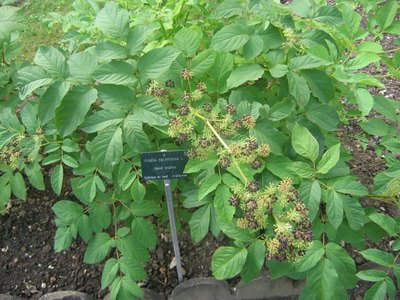 SpikenardAralia Racemosa
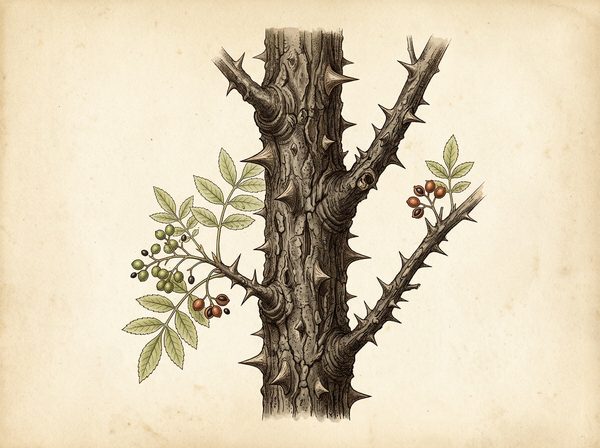 Prickly AshZanthoxylum americanum
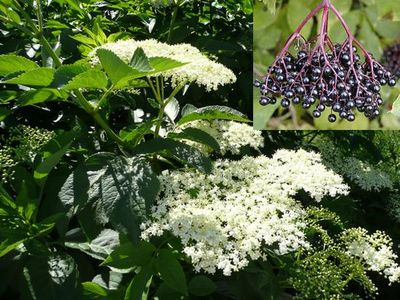 Black elderSambucus nigra
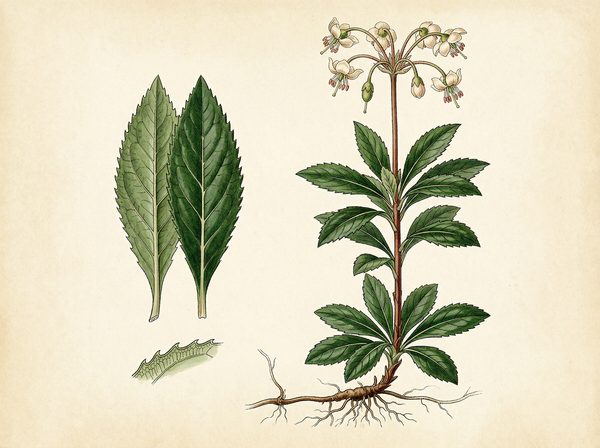 PipsissewaChimaphila umbellata
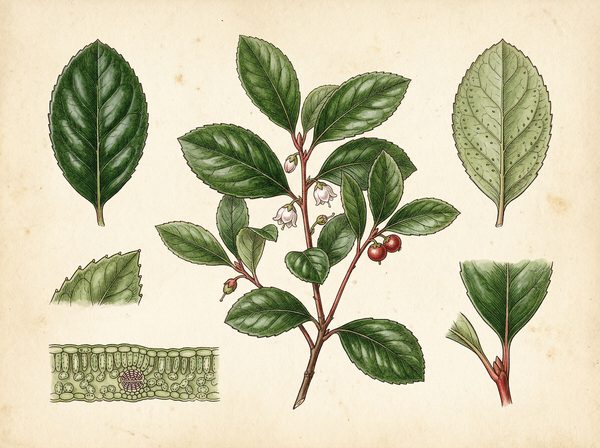 WintergreenGaultheria procumbens
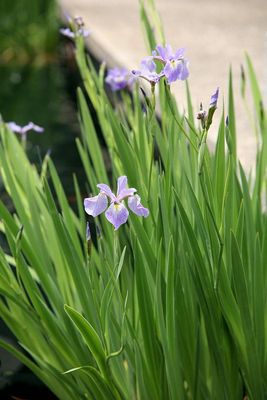 Blue flagIris versicolor
Nearby on the shelf
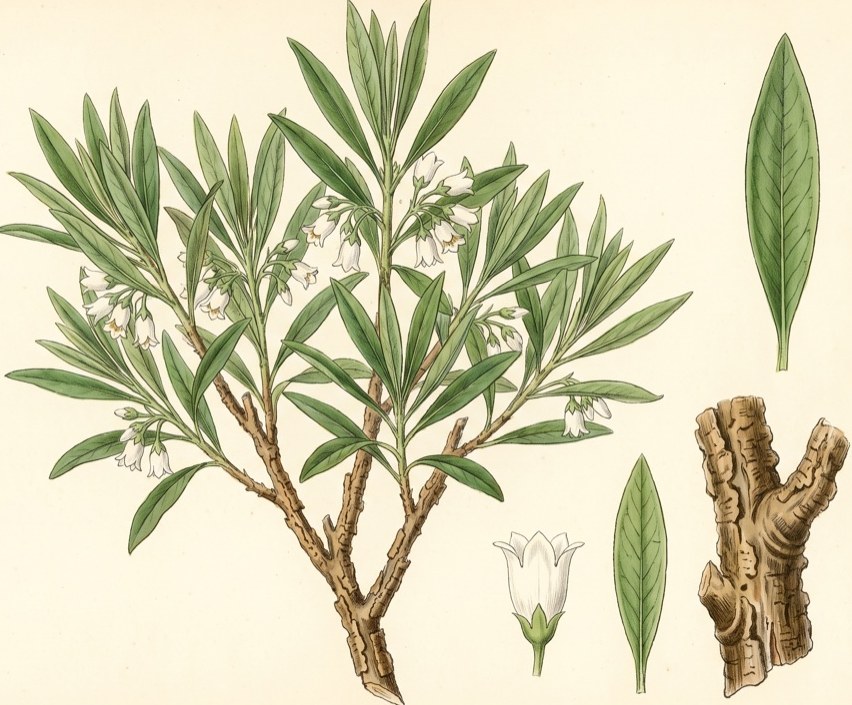 DuboisiaDuboisia myoporoides
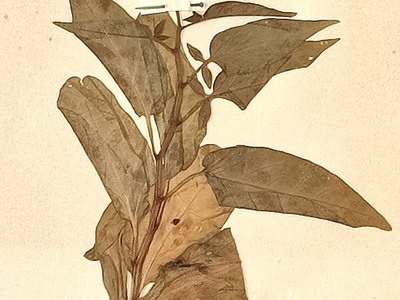 DulcamaraSolanum dulcamara
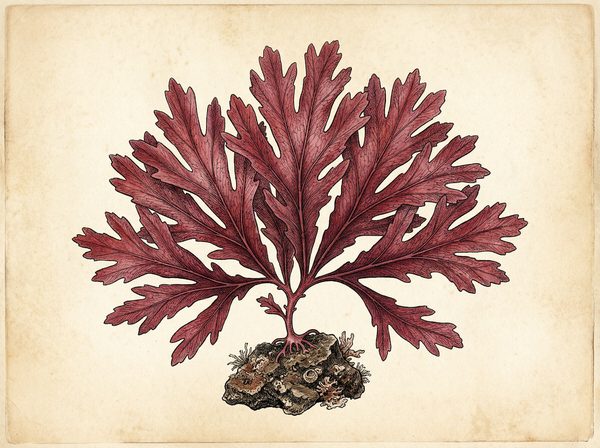 DulsePalmaria palmata
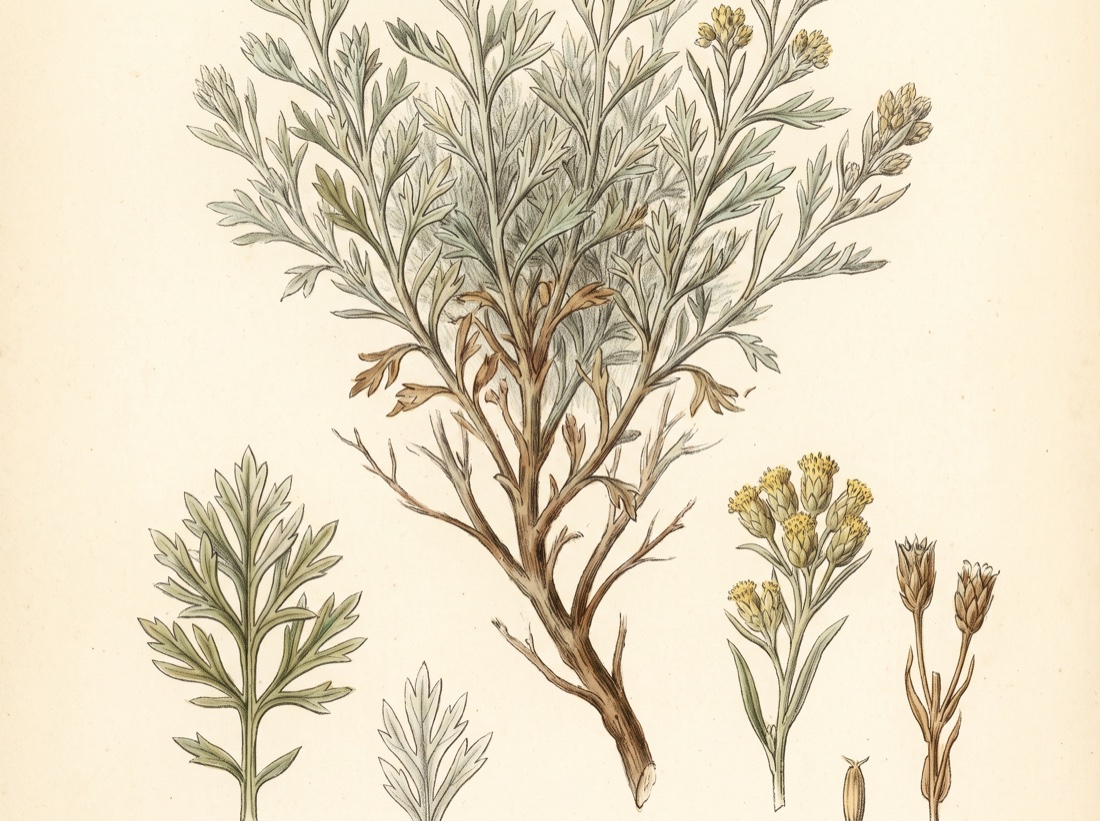 Dune wormwoodArtemisia monosperma
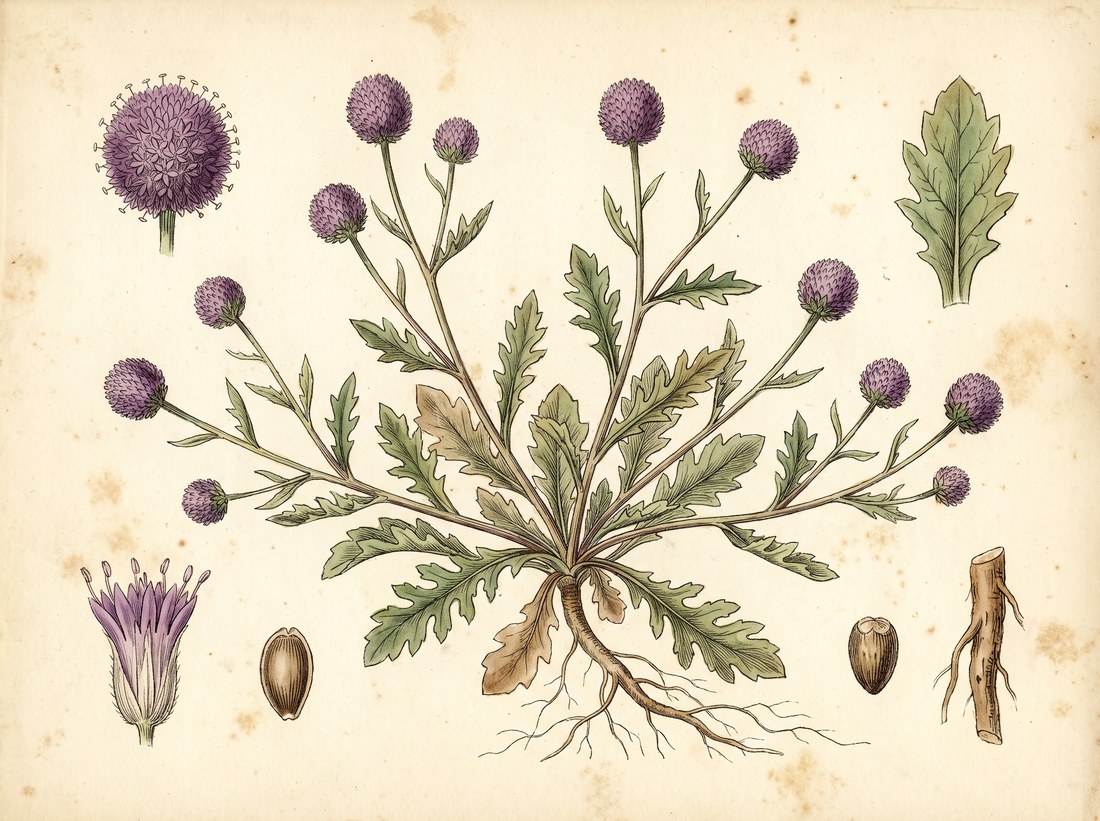 East Indian globe thistleSphaeranthus indicus
 Eastern HemlockAbies Canadensis
 Eastern red cedarJuniperus virginiana
 Eastern white cedarThuja occidentalis
The whole plate is in the library. The compass, Compare, the Sky of eleven hundred plants and the formulary open with an email address and a password, free, with the formula builder and its safety engine. Herbert without limit, his formulating, clients, the handouts and the labels are the paid room.
Open the library, free