Western Herbalism
Dune wormwood
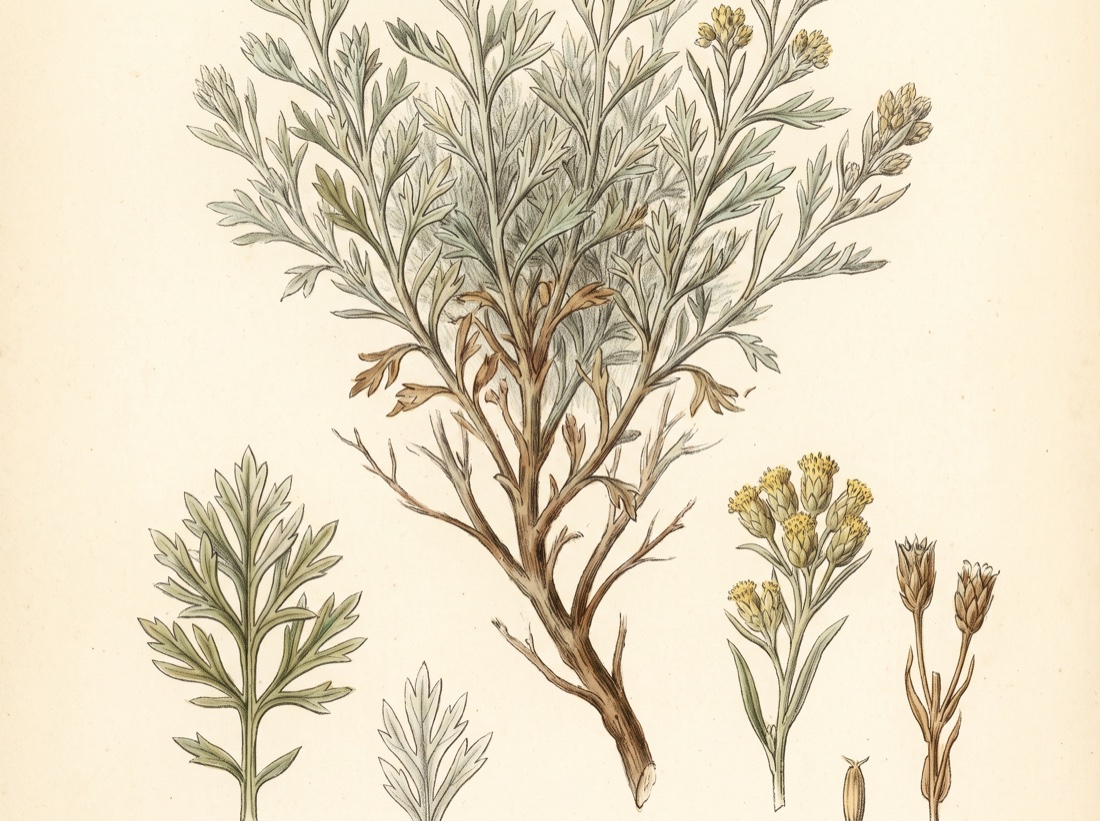
Artemisia monosperma
Also known as oneseed wormwood, dune mugwort, desert wormwood.
Artemisia monosperma is a woody, strongly aromatic desert shrub of the wormwood genus that stabilizes the sand dunes of Egypt, Sinai, the Levant, Libya and the Arabian Peninsula. The leaves and flowering tops are the medicine. It belongs to the folk pharmacopoeia of the Bedouin and of village practitioners across the eastern Mediterranean, where it is brewed as a bitter aromatic tea for the belly, for worms, for the breath and, in a very different dose and intention, to bring on menses or end a pregnancy.

Ask Herbert about Dune wormwood. Herbert is the master herbalist inside Bountiful Herbs: he answers from this plate and eleven hundred others, with dosing, pairing and cautions. Your first ten questions are free.
Ask HerbertActions
Indications what the tradition reached for it in
- Intestinal colic and cramping
- Flatulent dyspepsia
- Poor appetite with sluggish digestion
- Intestinal worms
- Delayed or scanty menses
- Mild upper respiratory catarrh
- Type 2 diabetes (traditional adjunct)
- Restlessness and poor sleep
- Minor skin infections (topical wash)
Specific indications
Griping abdominal pain with gas and a cold, sluggish gut that eases with warmth
Amenorrhea or delayed menses in a woman who is definitely not pregnant, with pelvic cramping
Safety
Pregnancy: Avoid in pregnancy: documented contraceptive and abortifacient effects in rats and a folk history of use to end pregnancy.
Breastfeeding: Avoid in lactation: no safety data and reported sedative activity; not rated by Mills and Bone, Brinker or AHPA.
The record lists 8 contraindications; open the plate in the library to read them in full.
In practice
Treat this plant as you would any strong wormwood. It earns its place as a bitter aromatic for the cold, gassy, cramping abdomen, and its antispasmodic action makes it a reasonable choice when colic and flatulence dominate rather than heartburn or reflux.
Dosing as the sources wrote it
| Preparation | As written | Metric |
|---|---|---|
| Infusion | 1-2 g dried aerial parts per cup up to twice daily | 1000-2000 mg |
| Tincture (1:5, 45%) | 0.5-2 mL up to three times daily | 0.5-2 mL |
| Topical wash | 5-10 g dried herb infused in 500 mL water, applied as a wash | 5000-10000 mg |
Doses are reproduced from the sources for practitioners and are not a recommendation for any person.
From the sources
Overview. Artemisia monosperma is a woody, strongly aromatic desert shrub of the wormwood genus that stabilizes the sand dunes of Egypt, Sinai, the Levant, Libya and the Arabian Peninsula. The leaves and flowering tops are the medicine. It belongs to the folk pharmacopoeia of the Bedouin and of village practitioners across the eastern Mediterranean, where it is brewed as a bitter aromatic tea for the belly, for worms, for the breath and, in a very different dose and intention, to bring on menses or end a pregnancy.
Clinical Notes. Treat this plant as you would any strong wormwood. It earns its place as a bitter aromatic for the cold, gassy, cramping abdomen, and its antispasmodic action makes it a reasonable choice when colic and flatulence dominate rather than heartburn or reflux.
Nearby on the shelf
 Du ZhongEucommia ulmoides
 DuboisiaDuboisia myoporoides
 DulcamaraSolanum dulcamara
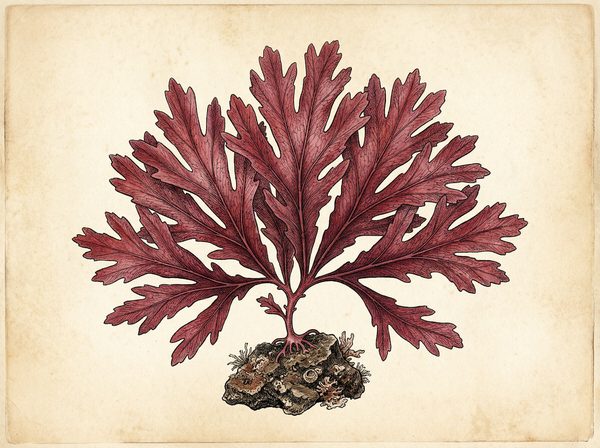 DulsePalmaria palmata
 Dwarf ElderAralia Hispida
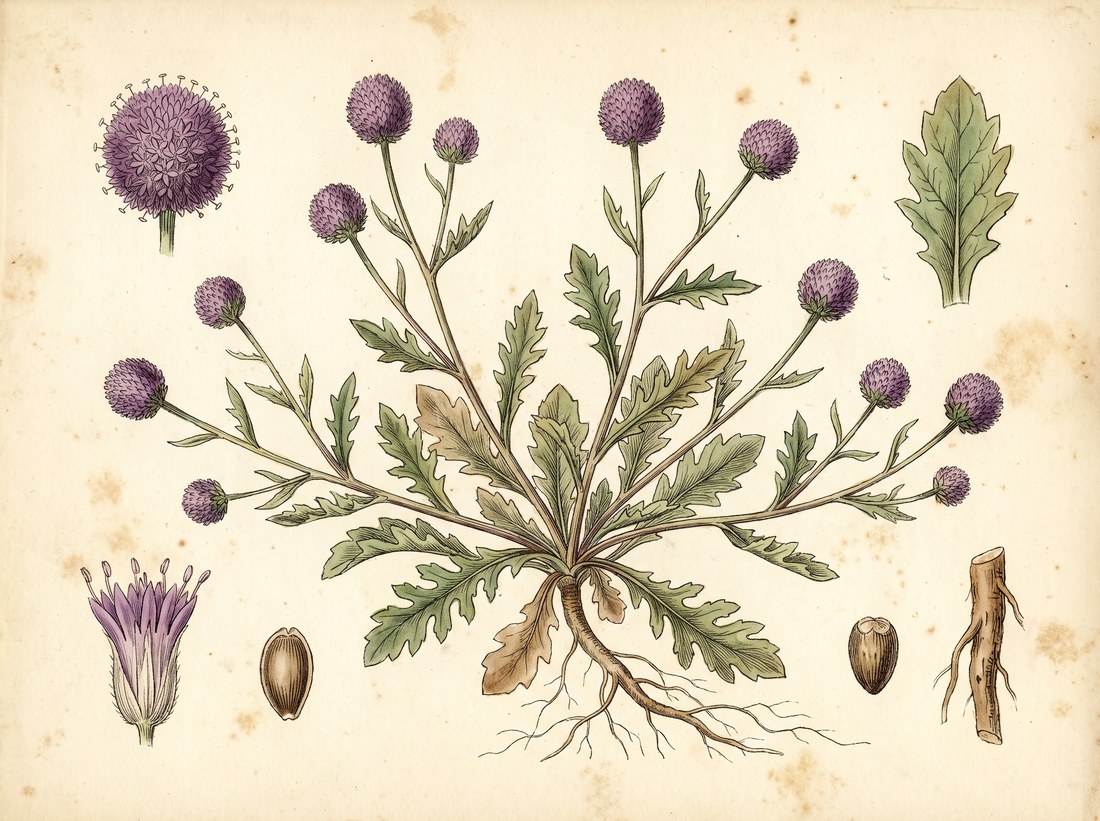 East Indian globe thistleSphaeranthus indicus
 Eastern HemlockAbies Canadensis
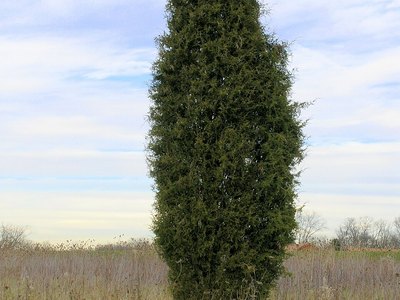 Eastern red cedarJuniperus virginiana
The whole plate is in the library. The compass, Compare, the Sky of eleven hundred plants and the formulary open with an email address and a password, free, with the formula builder and its safety engine. Herbert without limit, his formulating, clients, the handouts and the labels are the paid room.
Open the library, free