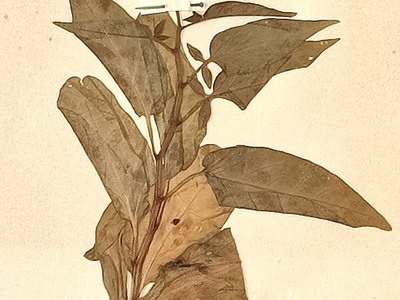
Western Herbalism
Dulcamara
Solanum dulcamara
Also known as Bittersweet, Woody nightshade, Bittersweet nightshade, Fellenwort, Felonwood, Woody Night-Shade, Scarlet-Berry, Violet-Bloom.
Solanum dulcamara is a scrambling perennial vine of the nightshade family, native to Europe and western Asia and widely naturalized in damp hedgerows, riverbanks and waste ground across the temperate world. The young dried stems, harvested after the leaves fall, were the part favored by nineteenth century eclectic and physiomedical practitioners, who classed dulcamara among the alteratives for chronic, cold, damp-aggravated skin and catarrhal conditions. Its name reflects the sequence of taste on chewing the fresh stem, bitter followed by a lingering sweetness. It has never held an established place in modern evidence-based herbal practice and is used today, if at all, cautiously and briefly.

Ask Herbert about Dulcamara. Herbert is the master herbalist inside Bountiful Herbs: he answers from this plate and eleven hundred others, with dosing, pairing and cautions. Your first ten questions are free.
Ask HerbertActions
Indications what the tradition reached for it in
- Chronic eczema
- Psoriasis
- Chronic urticaria
- Chronic bronchial catarrh
- Chronic rheumatism
- Gouty joint pain
- Herpetic skin eruptions
- Chronic asthma with free secretion
- Warts (traditional external use)
- Congestive skin conditions worse in cold damp weather
Specific indications
Chronic, scaly, thickened eczema or psoriasis that is worse in cold, damp weather and better with warmth
Chronic catarrhal or rheumatic complaints that trace back to a history of exposure to cold and dampness
Safety
Recognised toxicity. This plant carries a toxicity flag in the record; it is for trained practitioners only.
Low dose botanical. Used in drop doses in the classical practice; not a plant to dose freely.
Pregnancy: Avoid in pregnancy, the plant's glycoalkaloids are known teratogens and abortifacients in related Solanum species and there is no safety data to support use.
Breastfeeding: Avoid in lactation given the glycoalkaloid content and absence of safety data.
The record lists 6 contraindications; open the plate in the library to read them in full.
In practice
Historically dulcamara was reached for in chronic, low-grade skin disease, particularly scaly or crusted eczema and psoriasis that worsened in cold, damp conditions and improved with warmth and dry weather, a pattern the old writers considered diagnostic.
Dosing as the sources wrote it
| Preparation | As written | Metric |
|---|---|---|
| Dried stem decoction | 1-2 g dried stem in 250 mL water, one cup daily for short courses only | 1000-2000 mg |
| Tincture (1:5, 45%) | 0.3-1 mL three times daily, short courses under professional supervision | 0.3-1 mL |
| Extractum Dulcamarae Fluidum, Fluid Extract of Dulcamara | Dose, from half to one dram. | 1944-3888 mg |
| Specific Medicine Dulcamara | Dose, from one-half to ten minims. | 0.03-0.62 mL |
| Dose, 1 to 30 grains. | 64.8-1944 mg | |
| Dose, 1 to 30 drops. | 0.02-0.6 mL |
Doses are reproduced from the sources for practitioners and are not a recommendation for any person.
From the sources
Overview. Solanum dulcamara is a scrambling perennial vine of the nightshade family, native to Europe and western Asia and widely naturalized in damp hedgerows, riverbanks and waste ground across the temperate world. The young dried stems, harvested after the leaves fall, were the part favored by nineteenth century eclectic and physiomedical practitioners, who classed dulcamara among the alteratives for chronic, cold, damp-aggravated skin and catarrhal conditions. Its name reflects the sequence of taste on chewing the fresh stem, bitter followed by a lingering sweetness. It has never held an established place in modern evidence-based herbal practice and is used today, if at all, cautiously and briefly.
Clinical Notes. Historically dulcamara was reached for in chronic, low-grade skin disease, particularly scaly or crusted eczema and psoriasis that worsened in cold, damp conditions and improved with warmth and dry weather, a pattern the old writers considered diagnostic.
Action and Therapy. Dulcamara is an active agent capable of producing poisonous effects. These are those of the belladonna type, differing only in minor particulars. Cutaneous redness and congestion of the kidneys are especially apt to result from immoderate doses.
Therapy. Dulcamara is a remedy for all conditions resulting from suppression of secretion, from exposure to cold and dampness . It will restore normal excretion and secretion. In acute coryza, in bronchial and nasal catarrh, in lung congestion and bronchial cough, with pain in the chest, all from cold, in bronchial asthma, and in acute bronchitis it is an excellent auxiliary remedy.
Drawn from Scudder's Specific Medication and Specific Medicines; King's American Dispensatory, 18th edition (Felter and Lloyd); Ellingwood's American Materia Medica, Therapeutics and Pharmacognosy; Felter's Eclectic Materia Medica, Pharmacology and Therapeutics, and the Bountiful Herbs editorial.
In formulas
Dulcamara stands in 23 documented formulas in the library, among them zúo gui wán, zúo gui yin, dà bũ yuán jiàn, dà zào wán, yi guàn liàn, zhù jing wán jia jiǎn fang.
Often paired with
 Goji berryLycium barbarum
 Chinese boxthornLycium chinense
 RehmanniaRehmannia glutinosa
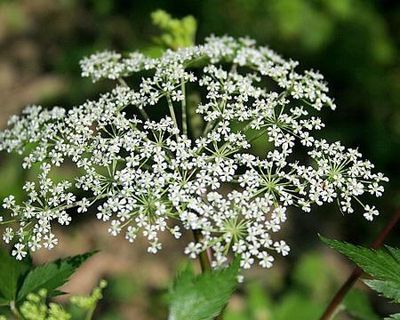 Dong QuaiAngelica sinensis
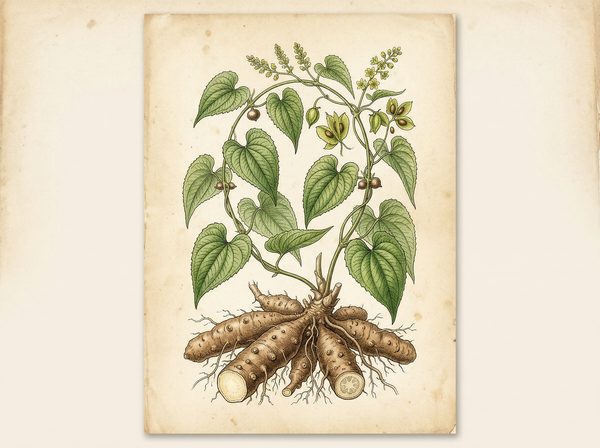 Chinese YamDioscorea opposita
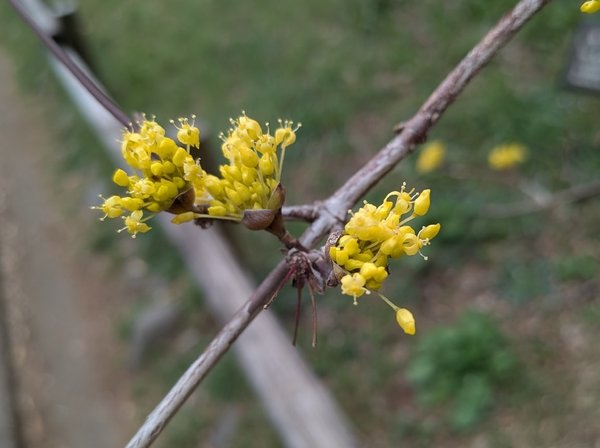 Shan Zhu YuCornus officinalis
Nearby on the shelf
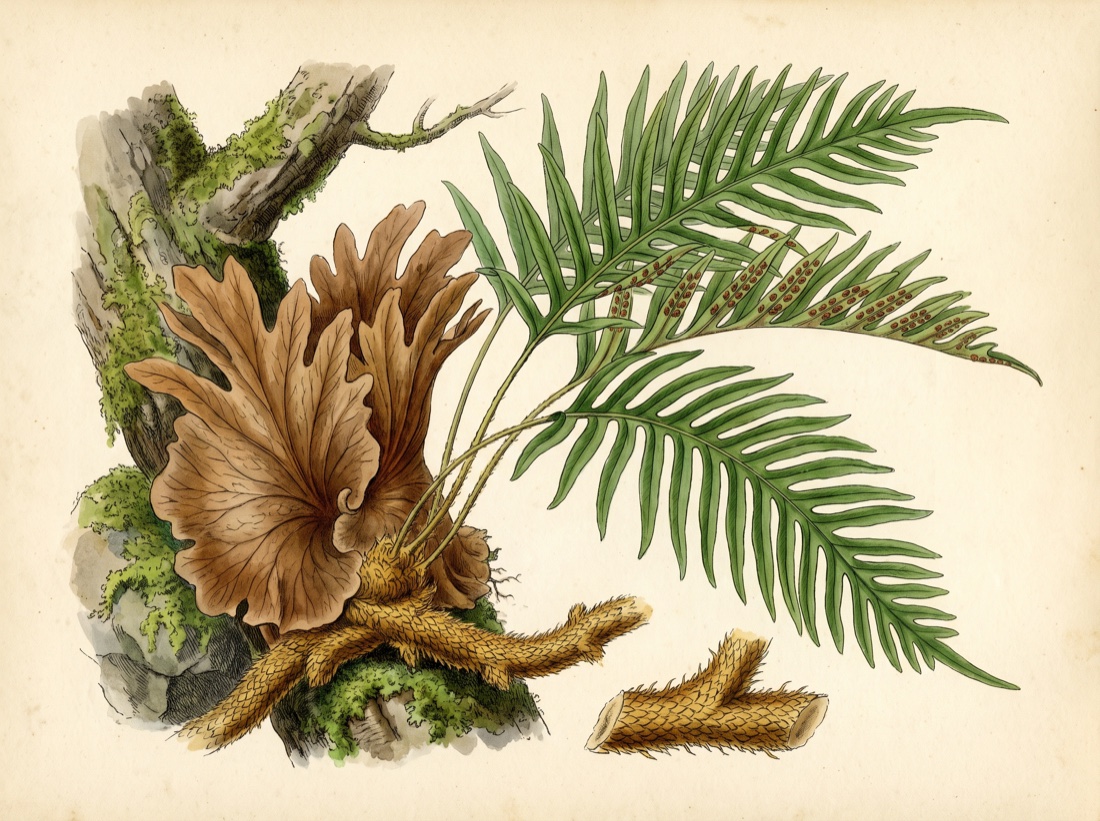 Drynaria rhizomeDrynaria roosii
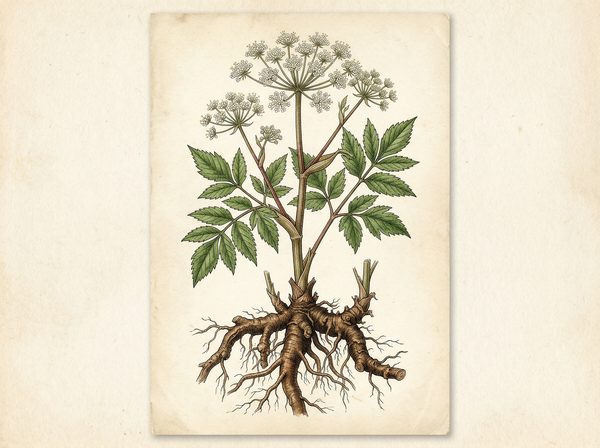 Du HuoAngelica pubescens
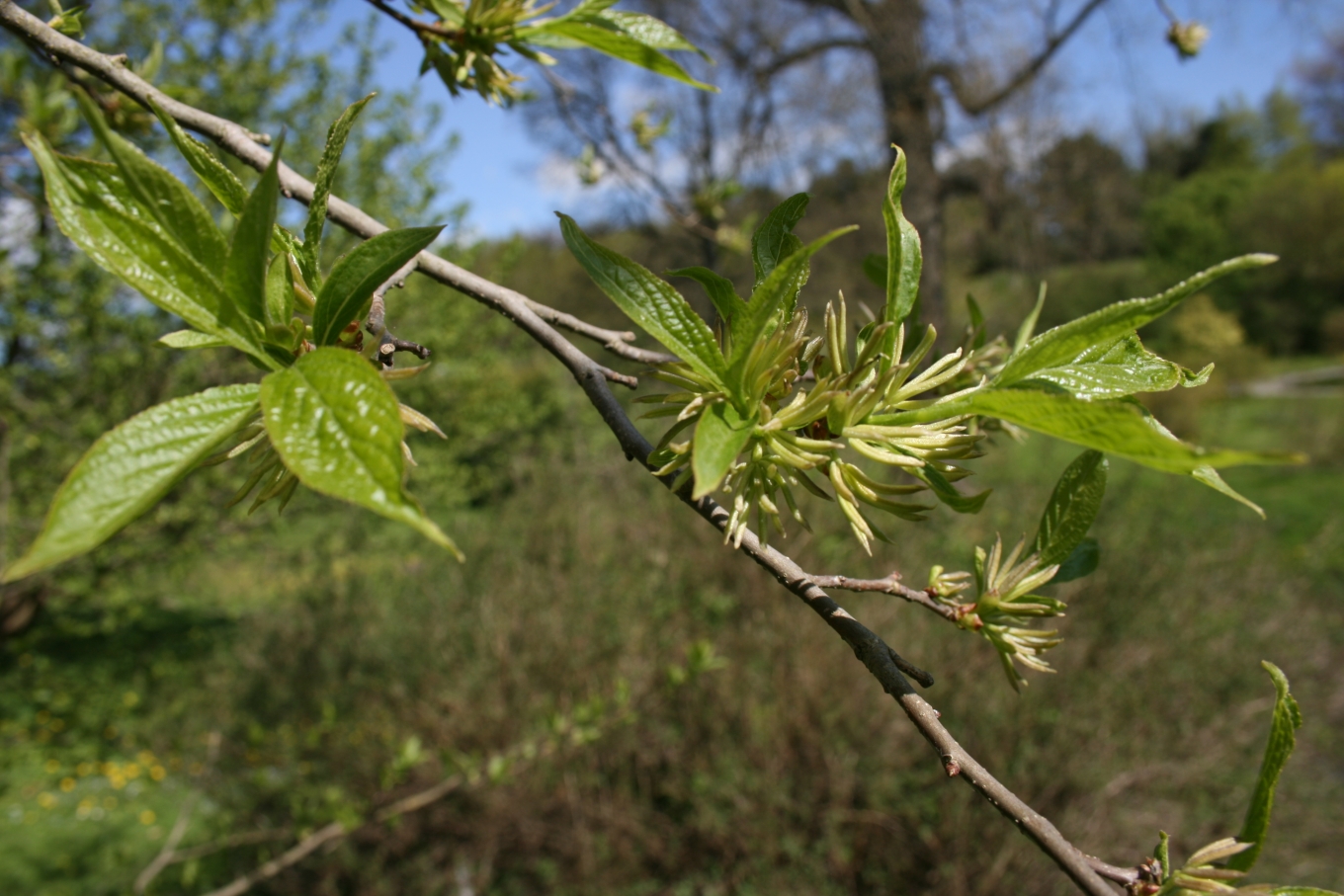 Du ZhongEucommia ulmoides
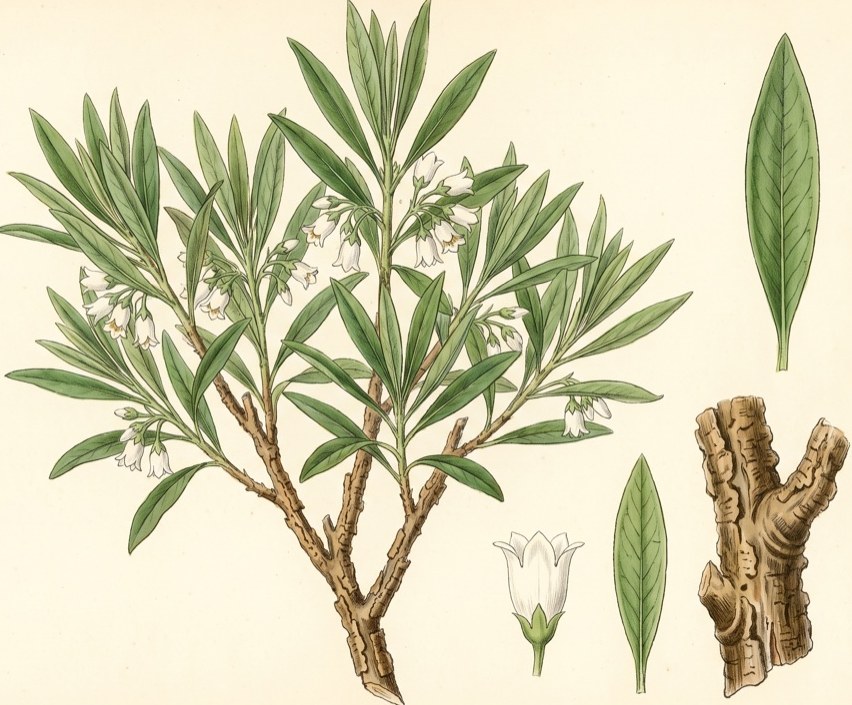 DuboisiaDuboisia myoporoides
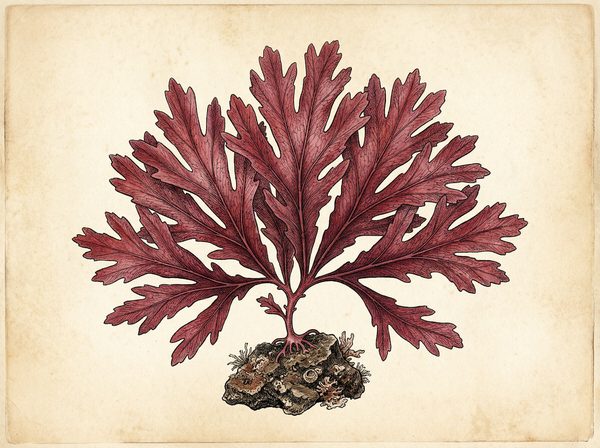 DulsePalmaria palmata
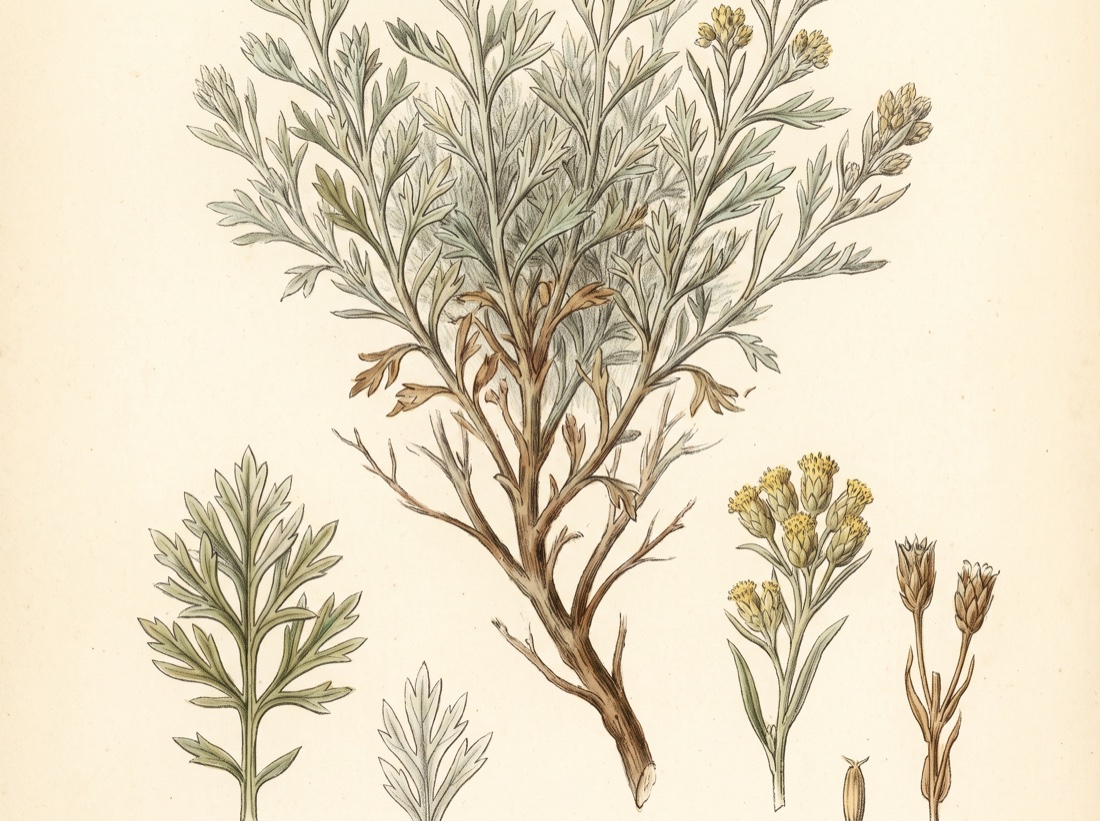 Dune wormwoodArtemisia monosperma
 Dwarf ElderAralia Hispida
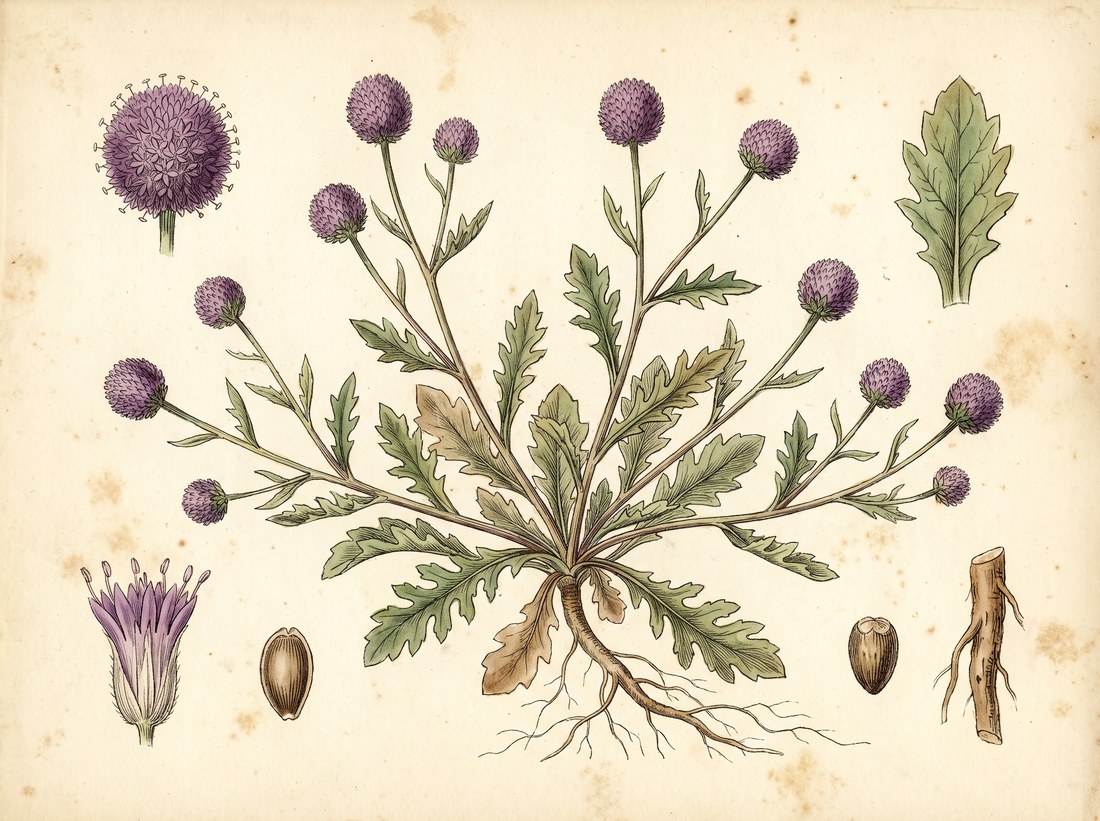 East Indian globe thistleSphaeranthus indicus
The whole plate is in the library. The compass, Compare, the Sky of eleven hundred plants and the formulary open with an email address and a password, free, with the formula builder and its safety engine. Herbert without limit, his formulating, clients, the handouts and the labels are the paid room.
Open the library, free