Western Herbalism
Eastern Hemlock
Abies Canadensis
Also known as Hemlock Spruce, Hemlock, Canada Hemlock, Hemlock Bark, Abies.
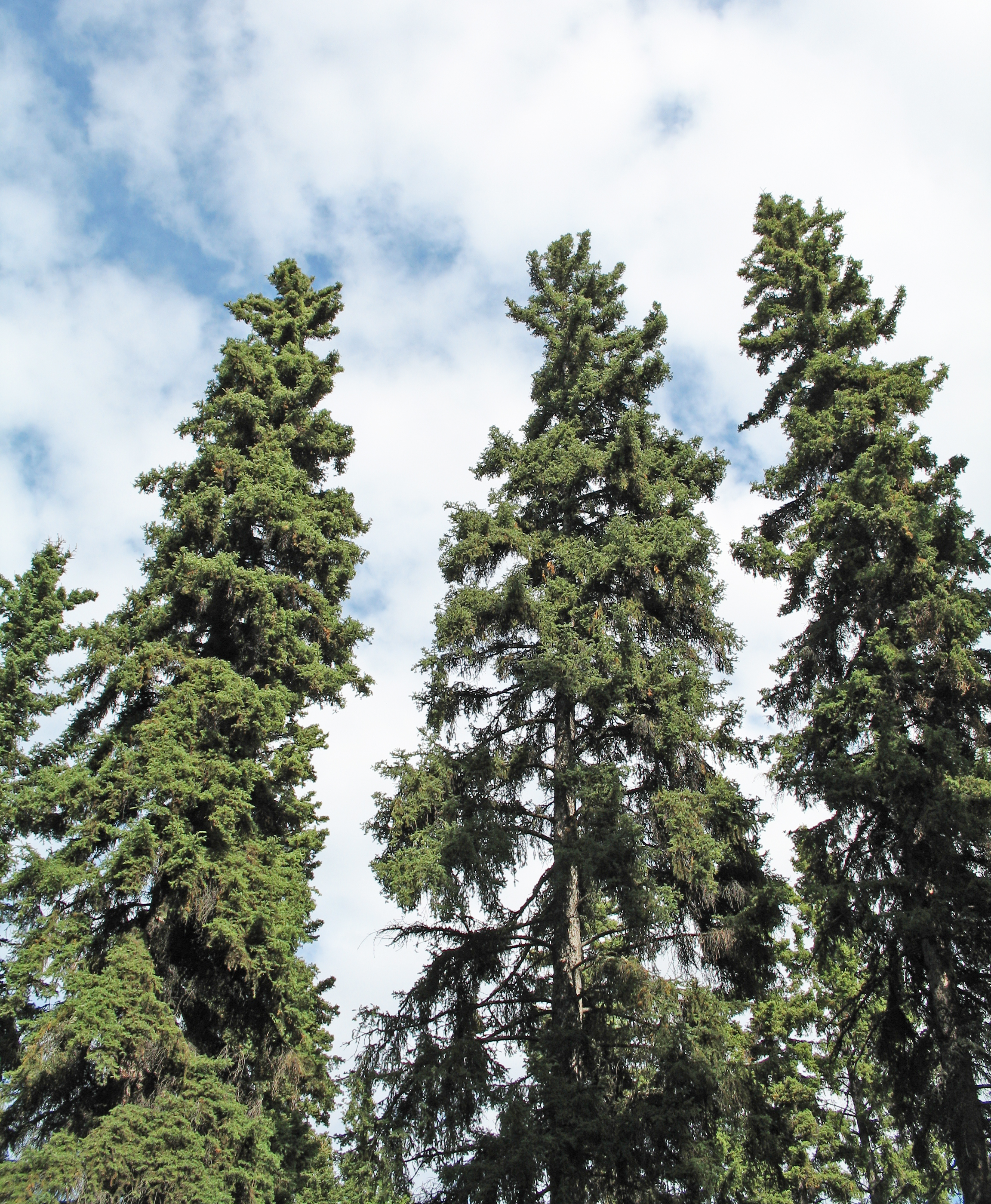
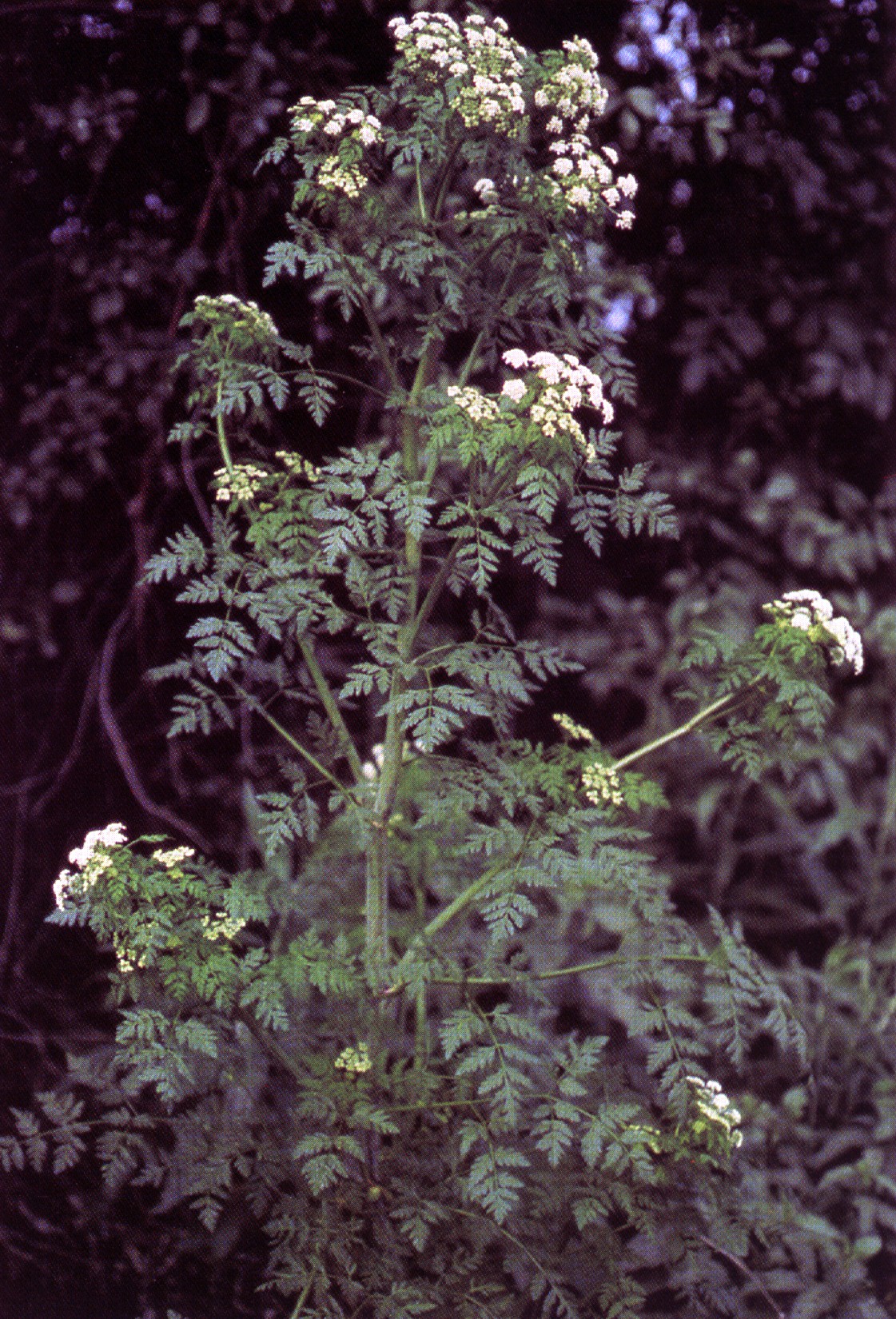
Eastern hemlock is a large coniferous tree native to the cool forests of eastern North America, long used by Eclectic and physiomedicalist physicians of the nineteenth century for its astringent inner bark. The bark, rich in tannins, was decocted or tinctured for internal use in relaxed, atonic conditions of the mucous membranes, while the resinous exudate known as Canada pitch was applied externally as a warming plaster. It should not be confused with poison hemlock (Conium maculatum), an unrelated and dangerously toxic plant that shares only the common name.

Ask Herbert about Eastern Hemlock. Herbert is the master herbalist inside Bountiful Herbs: he answers from this plate and eleven hundred others, with dosing, pairing and cautions. Your first ten questions are free.
Ask HerbertActions
Indications what the tradition reached for it in
- Chronic diarrhea
- Dysentery with relaxed bowel tissue
- Leucorrhea
- Menorrhagia
- Sore throat and mouth ulcers
- Wounds, abrasions and minor bleeding
- Hemorrhoids
- Uterine prolapse with relaxed tissue
- Chronic bronchitis (pitch plaster, external)
Specific indications
Chronic, atonic diarrhea with relaxed bowel tissue and little active inflammation
Profuse, boggy leucorrhea calling for an astringent douche
Superficial wounds or mouth ulcers oozing serum, benefiting from a tannin-rich wash
Safety
Breastfeeding: No data available; avoid unnecessary internal use during lactation as a precaution.
The record lists 3 contraindications; open the plate in the library to read them in full.
In practice
Eclectic practitioners reached for hemlock bark much as they used other tannin-rich astringents such as oak bark or witch hazel, favoring it where tissue was described as relaxed, boggy, or atonic rather than acutely inflamed.
Dosing as the sources wrote it
| Preparation | As written | Metric |
|---|---|---|
| Bark decoction | 2-4 g dried inner bark daily, decocted | 2000-4000 mg |
| Tincture (1:5, 45%) | 2-4 mL three times daily | 2-4 mL |
| Topical wash or gargle | strong decoction applied externally as needed, diluted for gargle or douche | |
| Specific Medicine Pinus | Dose, from five to sixty minims. | 0.31-3.7 mL |
| Specific Medicine Pinus | Dose, 5 to 60 drops. | 0.1-1.2 mL |
| Oil of Hemlock | Dose, 1 to 5 drops. | 0.03-0.15 mL |
Doses are reproduced from the sources for practitioners and are not a recommendation for any person.
From the sources
Overview. Eastern hemlock is a large coniferous tree native to the cool forests of eastern North America, long used by Eclectic and physiomedicalist physicians of the nineteenth century for its astringent inner bark. The bark, rich in tannins, was decocted or tinctured for internal use in relaxed, atonic conditions of the mucous membranes, while the resinous exudate known as Canada pitch was applied externally as a warming plaster. It should not be confused with poison hemlock (Conium maculatum), an unrelated and dangerously toxic plant that shares only the common name.
Clinical Notes. Eclectic practitioners reached for hemlock bark much as they used other tannin-rich astringents such as oak bark or witch hazel, favoring it where tissue was described as relaxed, boggy, or atonic rather than acutely inflamed.
Therapy. External. A strong decoction of the bark is a satisfactory astringent for the checking of leucorrhoea and a good local application of this type for aphthous and other oral ulcerations, gangrenous ulcers, prolapsus ani and prolapsus uteri.
Therapy. Gastric irritation and vomiting in cholera morbus, leucorrhea, prolapsus uteri, chronic diarrhea and dysentery, irritation of the urinary organs, croup, rheumatism, eczema asthenic catarrhal conditions, with feeble digestion, and pallid mucous membranes, profuse bronchial secretion.
Drawn from Cook's Physio-Medical Dispensatory; Scudder's Specific Medication and Specific Medicines; King's American Dispensatory, 18th edition (Felter and Lloyd); Ellingwood's American Materia Medica, Therapeutics and Pharmacognosy, and the Bountiful Herbs editorial.
Often paired with
 Poison HemlockConium maculatum
 CajeputMelaleuca cajuputi
 SassafrasSassafras albidum
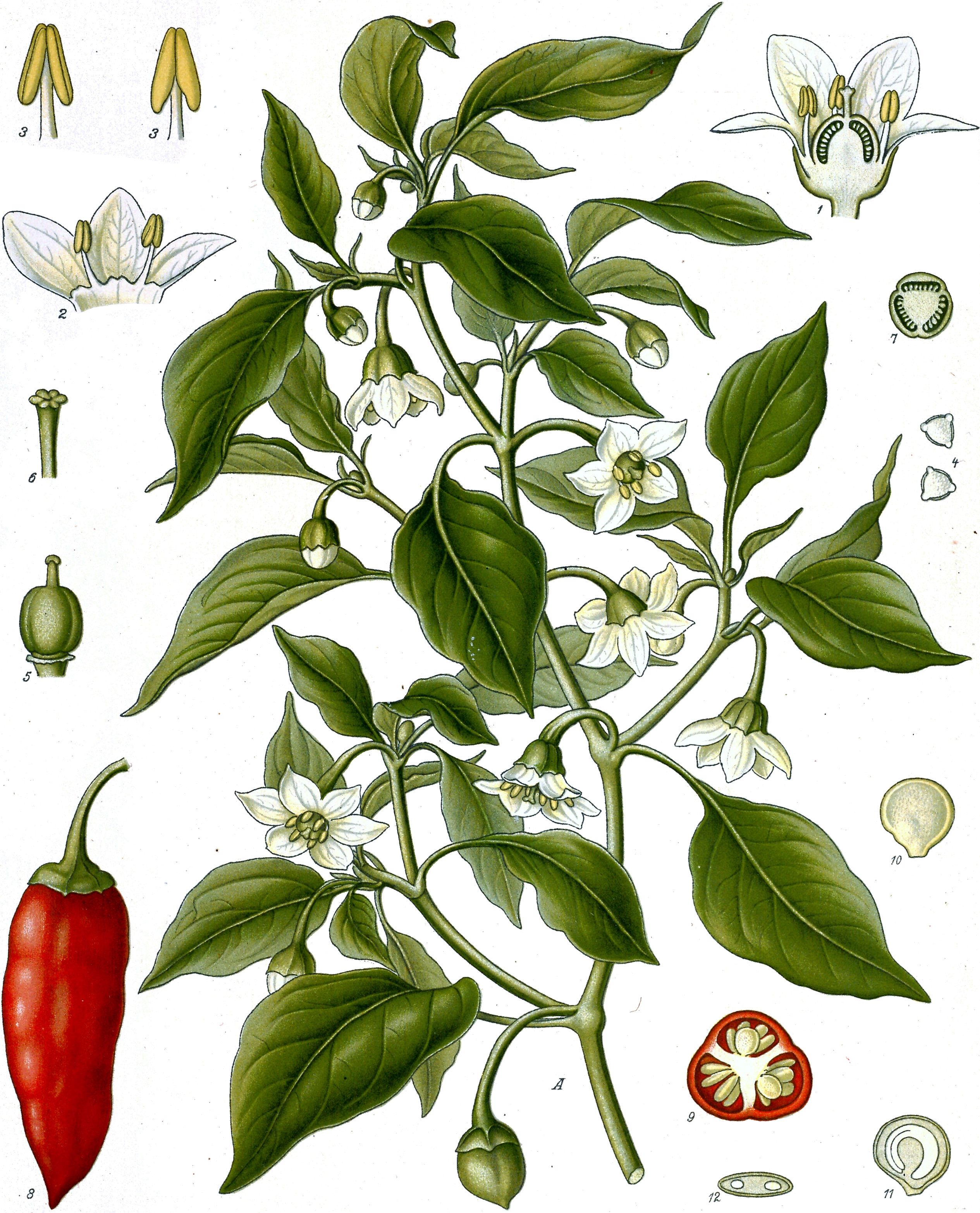 CayenneCapsicum frutescens
 OreganoOriganum vulgare
 flaxLinum usitatissimum
Nearby on the shelf
 DulsePalmaria palmata
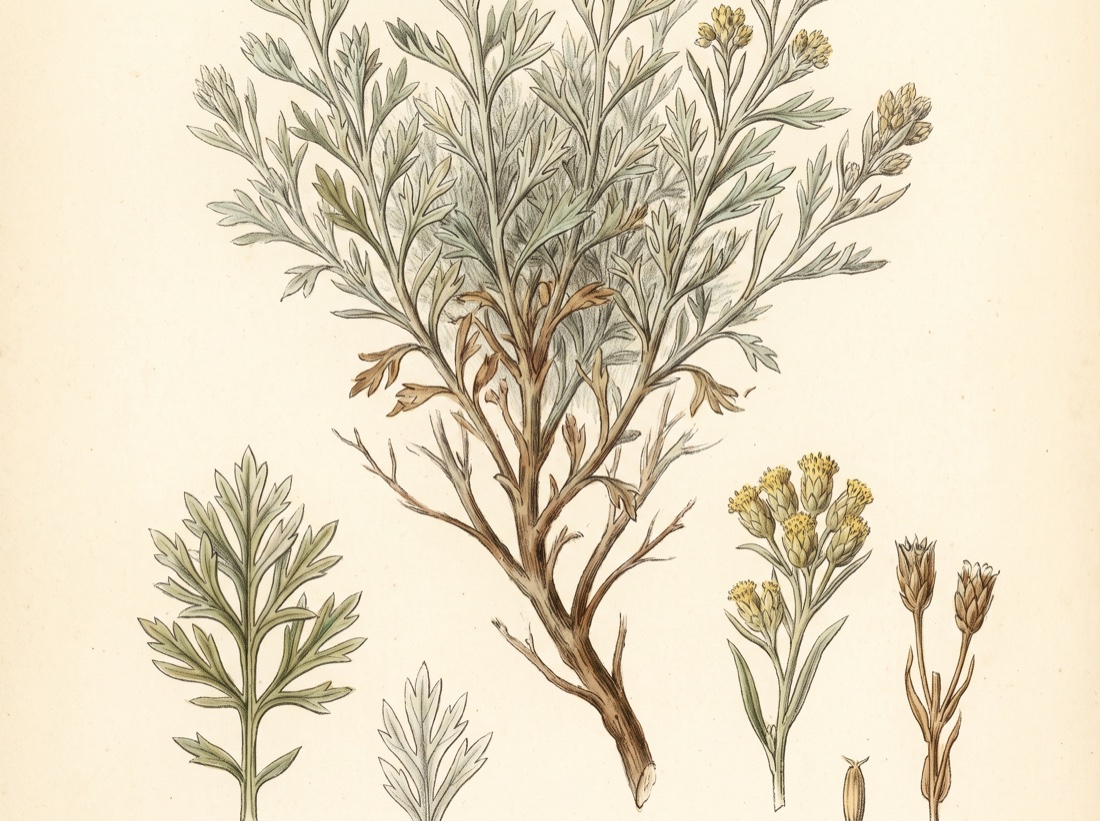 Dune wormwoodArtemisia monosperma
 Dwarf ElderAralia Hispida
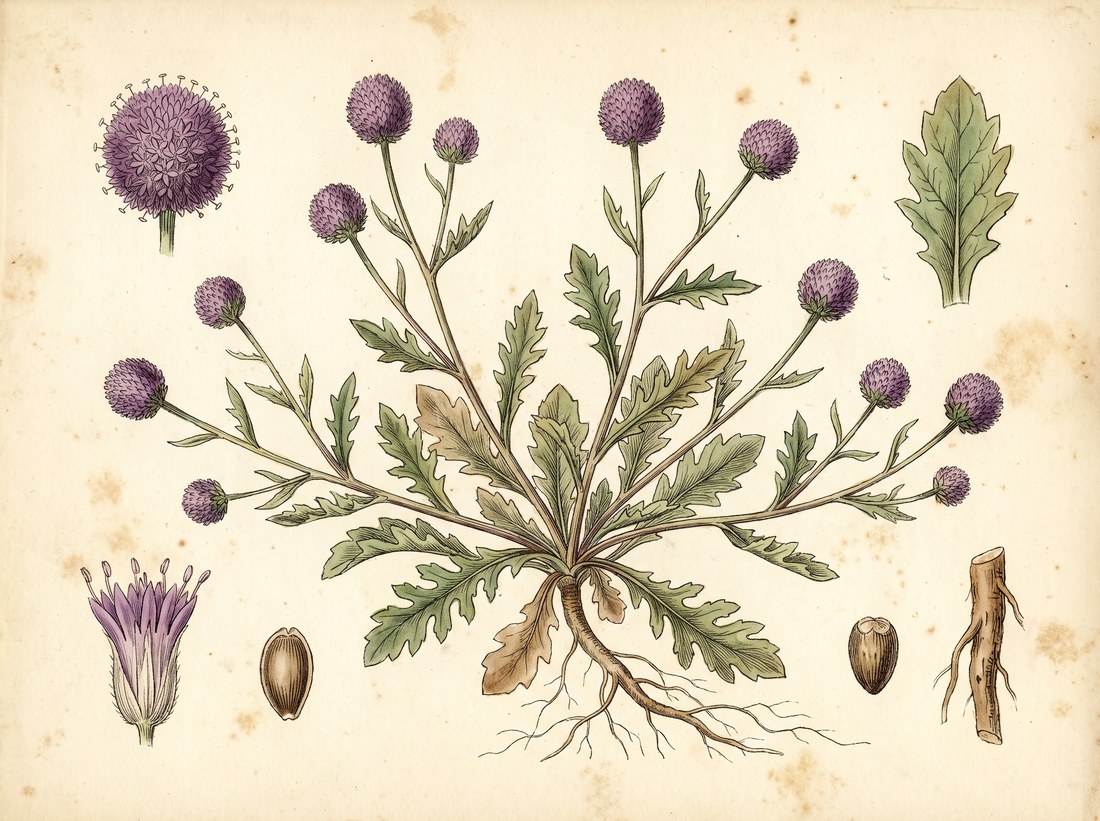 East Indian globe thistleSphaeranthus indicus
 Eastern red cedarJuniperus virginiana
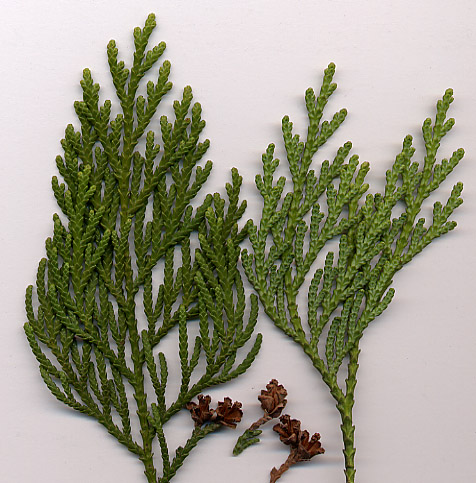 Eastern white cedarThuja occidentalis
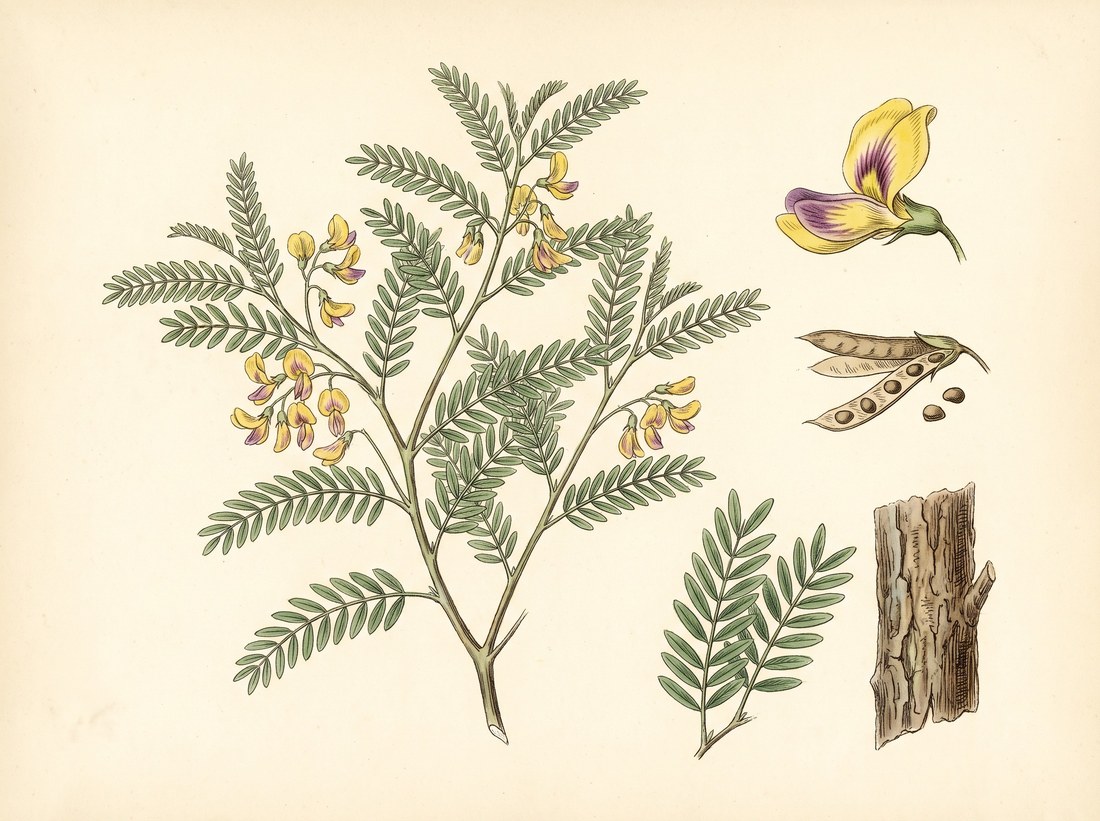 Egyptian riverhempSesbania sesban
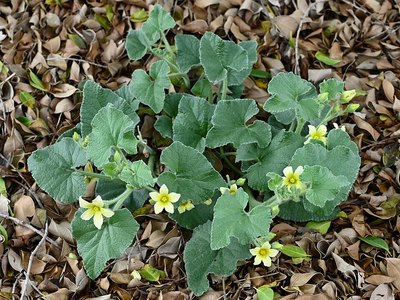 ElateriumEcballium elaterium
The whole plate is in the library. The compass, Compare, the Sky of eleven hundred plants and the formulary open with an email address and a password, free, with the formula builder and its safety engine. Herbert without limit, his formulating, clients, the handouts and the labels are the paid room.
Open the library, free