Ayurvedic Herbalism
Dhamasa
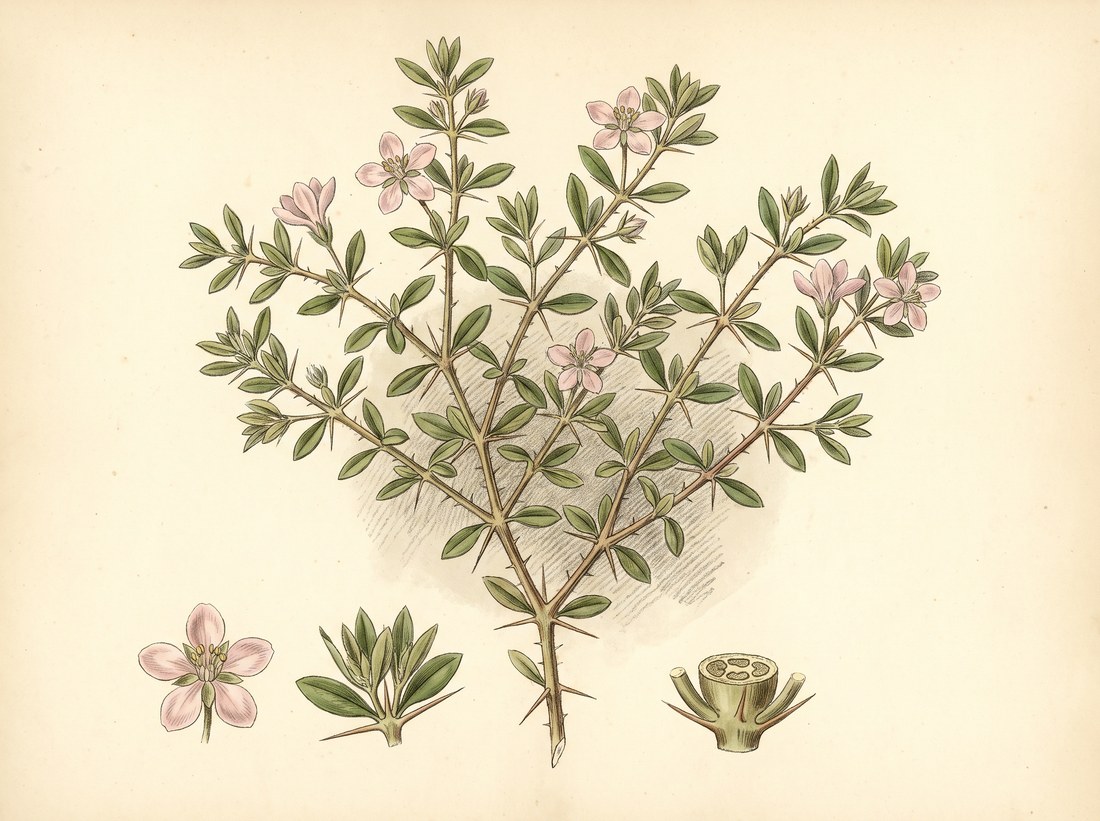
Fagonia cretica
Also known as virgin's mantle, Khorasan thorn, fagonia, Dhanvayasa, Duralabha, Dhanvayavasa.
Fagonia cretica is a low, much-branched, spiny undershrub with pale pink flowers that thrives on the dry plains and rocky wastes of Rajasthan, Gujarat, Punjab, Sindh and the Deccan, and across the Middle East and North Africa. In Ayurveda the whole plant is Dhanvayasa or Duralabha, a cooling bitter astringent for fever, thirst, vomiting, bleeding and skin disease; Yavasa (Alhagi maurorum) is its classical partner and frequent substitute, and the two are often confused in trade. In the Indian bazaar it is dhamasa, and in recent years it has found a second life as a folk remedy for cancer and diabetes.

Ask Herbert about Dhamasa. Herbert is the master herbalist inside Bountiful Herbs: he answers from this plate and eleven hundred others, with dosing, pairing and cautions. Your first ten questions are free.
Ask HerbertActions
Indications what the tradition reached for it in
- Fever with thirst, burning and nausea
- Lingering low-grade fever after infection
- Hot, itchy or weeping skin eruptions
- Boils and spreading skin inflammation
- Type 2 diabetes with heat signs (adjunct)
- Bleeding gums, nosebleed and heavy periods in pitta states
- Nausea and vomiting with bitter taste and heat
- Cough with yellow phlegm and fever
- Slow-healing wounds (wash and internal)
- Chronic inflammatory states with elevated markers (adjunct)
Specific indications
A pitta-kapha patient with a lingering fever, unquenchable thirst, nausea and a bitter mouth, who needs a cooling bitter that also settles the stomach
Hot, red, itching skin that spreads and weeps in a warm-blooded patient, where a bitter astringent blood cleanser is wanted alongside topical care
A hot, thirsty diabetic with burning urination and skin infections, where a cooling bitter adjunct suits better than a heating one
Safety
Pregnancy: No published safety class is known to us; the tradition does not flag the plant in pregnancy but there are no data and it is bitter, cooling and drying, so avoid regular courses and use only briefly for fever if at all.
The record lists 6 contraindications; open the plate in the library to read them in full.
In practice
Dhanvayasa is a fever herb of the bitter-cooling class, listed by the classics with Guduchi, Parpataka and Chandana. Reach for it in jvara with pitta and kapha: thirst, burning, nausea, a bitter mouth, yellow phlegm, sometimes giddiness.
In Ayurveda
Rasa: tikta (bitter), kashaya (astringent), madhura (sweet). Virya: sheeta (cooling). Vipaka: katu (pungent). Guna: laghu (light), ruksha (dry). Dosha: pacifies kapha and pitta; light and dry, so it may aggravate vata in long courses. Karma: jvaraghna (relieves fever); raktashodhaka (purifies blood); trishnanigrahana (relieves thirst); chardinigrahana (stops vomiting); kaphahara (reduces kapha); pittahara (pacifies pitta); dahaprashamana (relieves burning); kushthaghna (relieves skin disease); vranaropana (heals wounds); madahara (relieves intoxication and delirium). Classical indications: jvara (fever); trishna (thirst); chardi (vomiting); raktapitta (bleeding disorders); visarpa (spreading skin inflammation); kushtha (skin disease); prameha (urinary disorders including diabetes); kasa (cough); bhrama (giddiness); mada (intoxication, delirium); daha (burning sensation); vrana (wounds). The whole thorny plant, dried, is used as churna and kwatha, as a hima (cold infusion) for thirst and fever, as fresh swarasa in season, and as a kalka or wash for skin disease and wounds. Classical formulations: Duralabhadi kwatha, Dhanvayasadi kwatha, Dhamasa churna, Duralabha hima, Mahasudarshana churna (Duralabha as one component in many recensions). Described in: Charaka Samhita, Sushruta Samhita, Ashtanga Hridaya, Bhavaprakasha Nighantu, Dhanvantari Nighantu, Raja Nighantu, Kaiyadeva Nighantu.
Dosing as the sources wrote it
| Preparation | As written | Metric |
|---|---|---|
| Churna | 3-6 g powdered whole plant twice daily with honey or warm water | 3000-6000 mg |
| Kwatha | 50-100 mL decoction twice daily | 50-100 mL |
| Hima (cold infusion) | 50-100 mL cold infusion two or three times daily for fever and thirst | 50-100 mL |
| Swarasa | 10-20 mL fresh juice once or twice daily | 10-20 mL |
| Wash, topical | 100-200 mL decoction used to wash wounds or skin eruptions daily | 100-200 mL |
Doses are reproduced from the sources for practitioners and are not a recommendation for any person.
From the sources
Overview. Fagonia cretica is a low, much-branched, spiny undershrub with pale pink flowers that thrives on the dry plains and rocky wastes of Rajasthan, Gujarat, Punjab, Sindh and the Deccan, and across the Middle East and North Africa. In Ayurveda the whole plant is Dhanvayasa or Duralabha, a cooling bitter astringent for fever, thirst, vomiting, bleeding and skin disease; Yavasa (Alhagi maurorum) is its classical partner and frequent substitute, and the two are often confused in trade. In the Indian bazaar it is dhamasa, and in recent years it has found a second life as a folk remedy for cancer and diabetes.
Clinical Notes. Dhanvayasa is a fever herb of the bitter-cooling class, listed by the classics with Guduchi, Parpataka and Chandana. Reach for it in jvara with pitta and kapha: thirst, burning, nausea, a bitter mouth, yellow phlegm, sometimes giddiness.
Ayurvedic Profile. Rasa: tikta (bitter), kashaya (astringent), madhura (sweet). Virya: sheeta (cooling). Vipaka: katu (pungent). Guna: laghu (light), ruksha (dry). Dosha: pacifies kapha and pitta; light and dry, so it may aggravate vata in long courses.
In formulas
Dhamasa stands in 7 documented formulas in the library, among them Uśīrāsava, Daśamūlāriṣṭa, Punarnavāsava, Tiktaka Ghṛta, Paṭolādi Ghṛta, Mahātiktaka Ghṛta.
Often paired with
 long pepperPiper longum
 kurchiHolarrhena antidysenterica
 Indian gooseberryPhyllanthus emblica
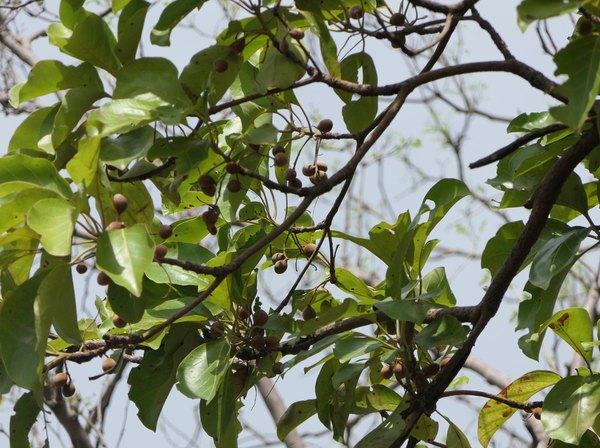 beleric myrobalanTerminalia bellirica
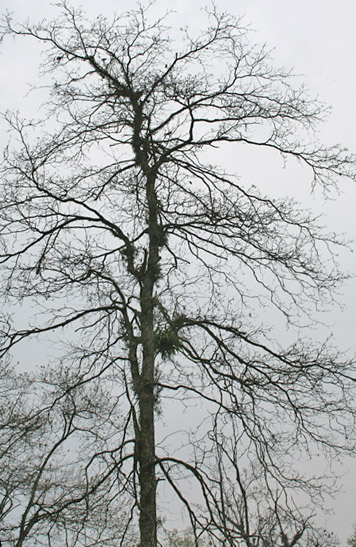 chebulic myrobalanTerminalia chebula
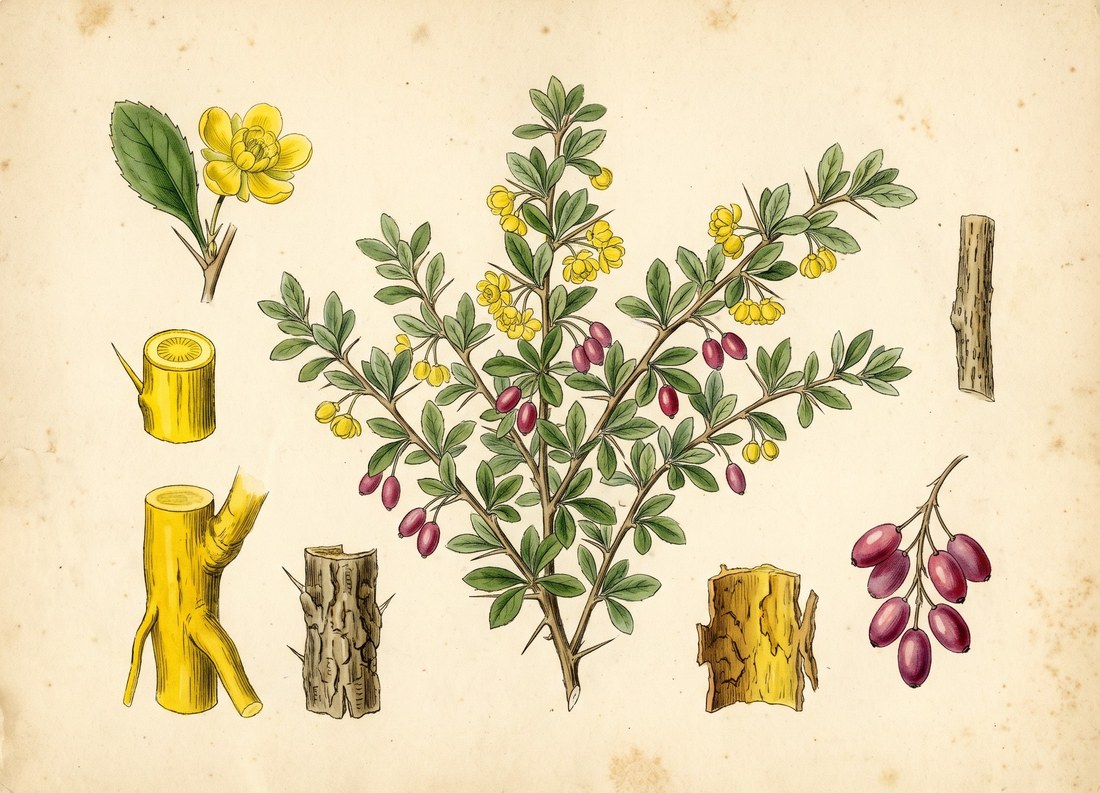 Indian barberryBerberis aristata
Nearby on the shelf
 Desert parsleyLomatium dissectum
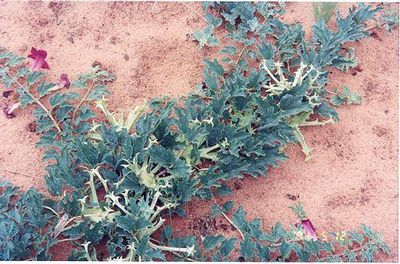 Devil's clawHarpagophytum procumbens
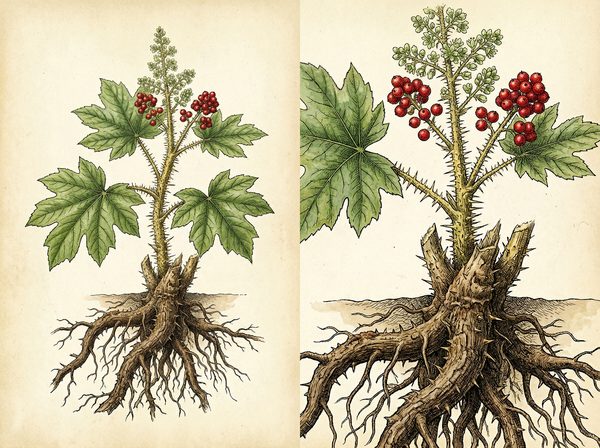 Devil's ClubOplopanax horridus
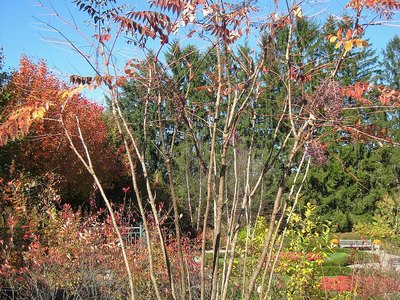 Devil's walking stickAralia Spinosa
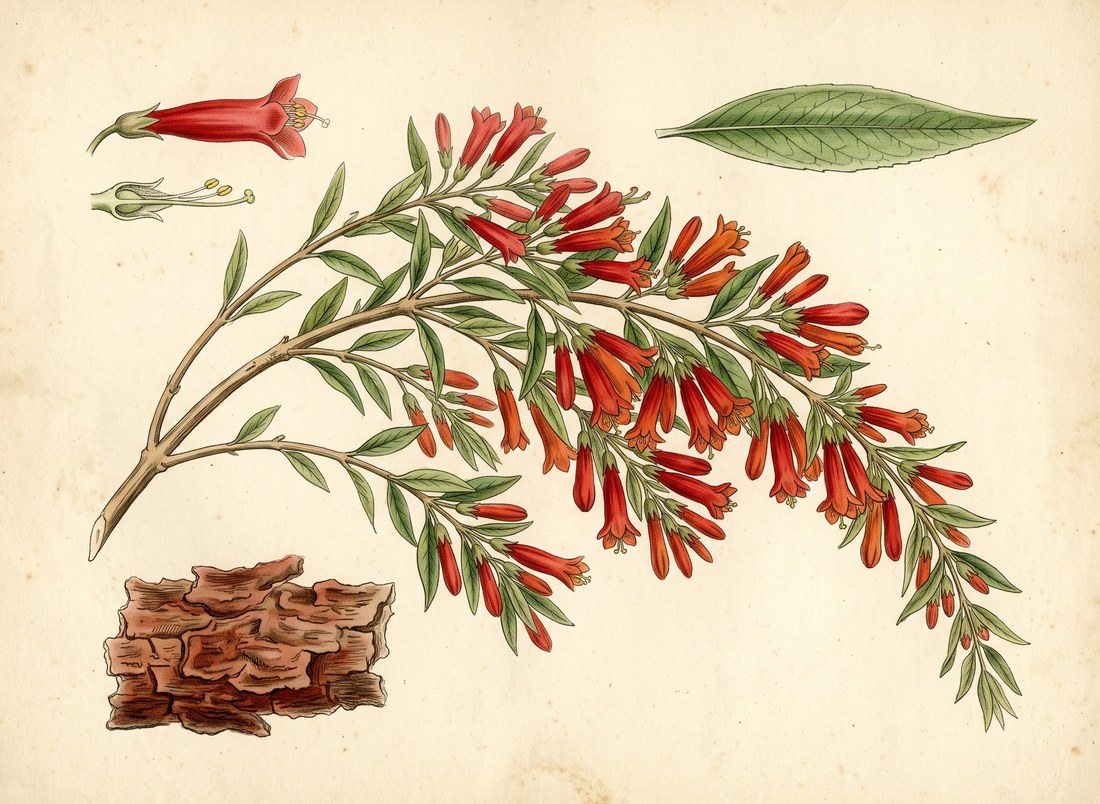 DhatakiWoodfordia fruticosa
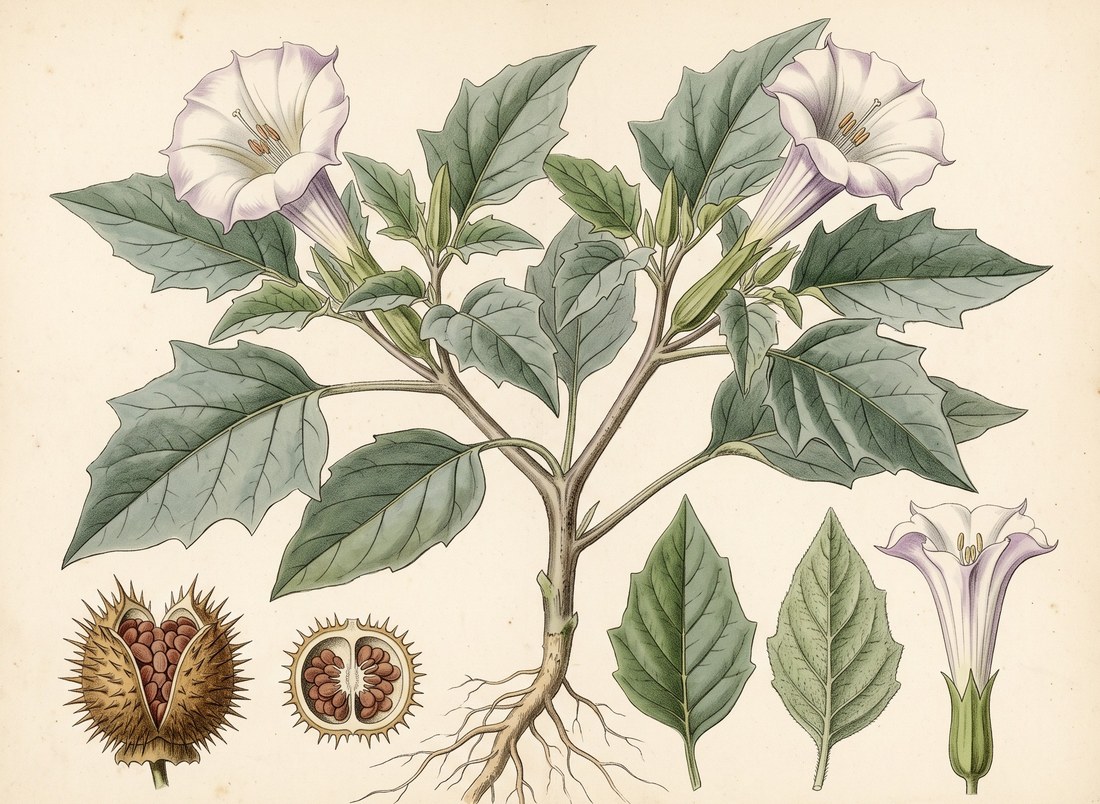 DhatturaDatura metel
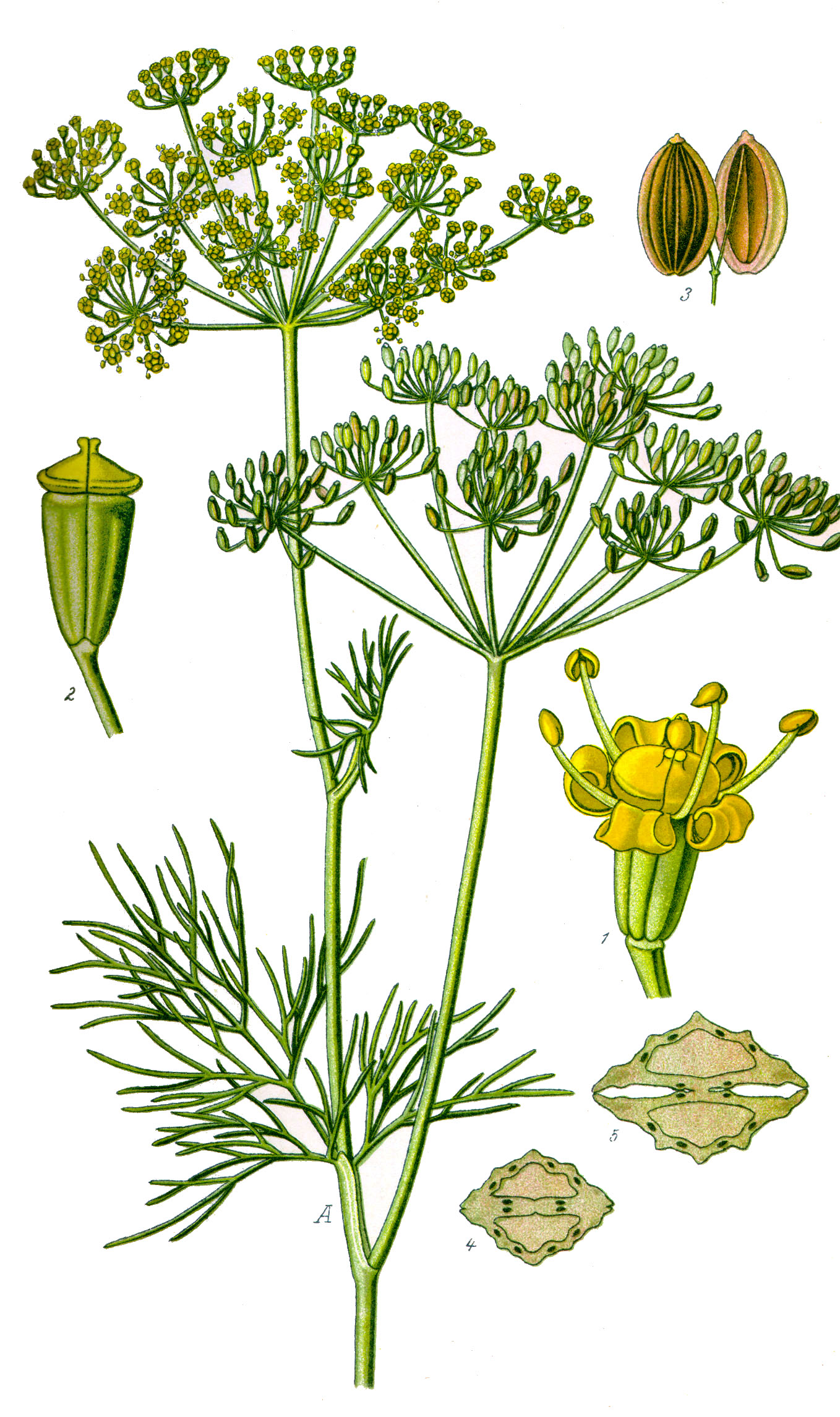 DillAnethum graveolens
 Dog's BaneApocynum Androsaemifolium
The whole plate is in the library. The compass, Compare, the Sky of eleven hundred plants and the formulary open with an email address and a password, free, with the formula builder and its safety engine. Herbert without limit, his formulating, clients, the handouts and the labels are the paid room.
Open the library, free