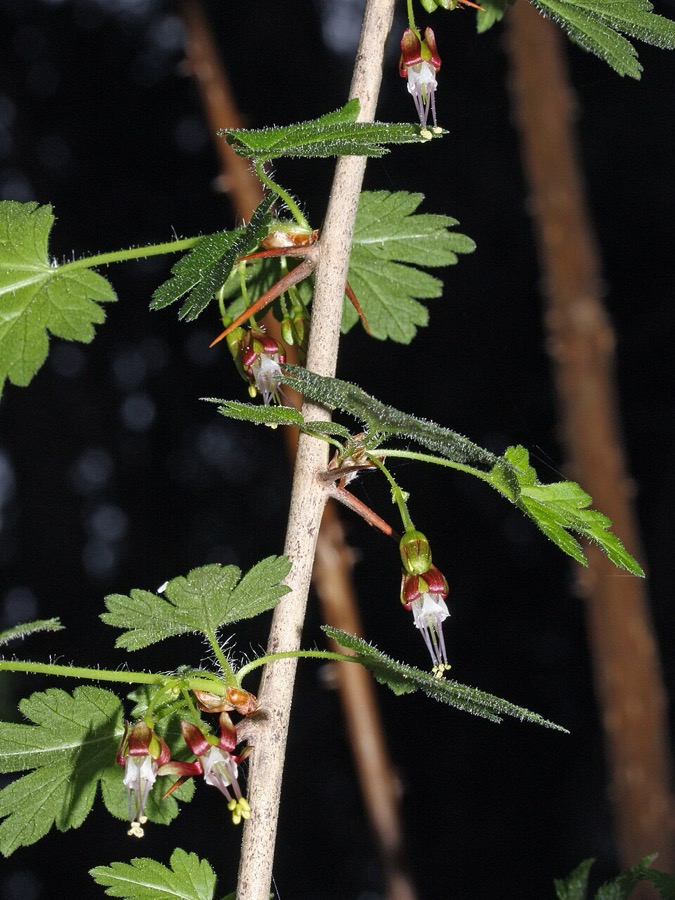
Western Herbalism
Currant
Ribes
Also known as Black currant, Red currant, Cassis, (1) Black currant, (2) Red currant.
Ribes is a genus of small shrubs in the gooseberry family, widely cultivated across temperate Europe, Asia, and North America for their tart, vitamin-rich berries. Black currant (Ribes nigrum) and red currant (Ribes rubrum) are the species most used medicinally, the leaf and fruit of the former favored in eclectic and European folk practice, and the seed oil valued more recently as a source of gamma-linolenic acid. Eclectic physicians of the nineteenth century used currant leaf and fruit preparations as mild astringents and diuretics, particularly for gouty and rheumatic complaints and for sore throats.

Ask Herbert about Currant. Herbert is the master herbalist inside Bountiful Herbs: he answers from this plate and eleven hundred others, with dosing, pairing and cautions. Your first ten questions are free.
Ask HerbertActions
Indications what the tradition reached for it in
- Gout and rheumatic joint pain
- Sore throat and pharyngitis
- Mild diarrhea
- Capillary fragility and easy bruising
- Urinary tract irritation
- Seasonal allergic rhinitis
- General debility with low vitamin C intake
- Mild inflammatory skin conditions
- Eye strain and minor visual fatigue
- Recovery support during colds and flu
Specific indications
Sore, inflamed throat with swollen tonsils, eased by gargling a strong currant leaf or fruit infusion
Gouty or rheumatic joints with a history of poor uric acid clearance, supported by regular black currant leaf tea
Safety
The record lists 1 contraindication; open the plate in the library to read them in full.
In practice
Black currant leaf tea has a long folk reputation as a gentle diuretic and anti-rheumatic, taken as a daily infusion by people prone to gout or stiff, swollen joints, often alongside other classic eliminative herbs such as nettle or celery seed.
Dosing as the sources wrote it
| Preparation | As written | Metric |
|---|---|---|
| Leaf infusion | 2-4 g dried leaf as infusion, up to three times daily | 2000-4000 mg |
| Fruit juice or syrup | 15-30 mL concentrated juice or syrup daily, diluted | 15-30 mL |
| Tincture (1:5, 40%) | 2-4 mL three times daily | 2-4 mL |
| Seed oil capsules | 500-1000 mg black currant seed oil (standardized GLA) daily | 500-1000 mg |
| Action, Medical Uses, and Dosage: The juice of these berries, especially of the black currant, is said to be diuretic and diaphoretic. They may be made into a jelly, a jam, paste, etc., and are very useful in febrile and inflammatory diseases, and in hoarseness and affections of the throat. The raw juice is an excellent refrigerant beverage in febrile diseases. A decoction of the bark of the black currant has proved useful in calculous affections, dropsy, and hemorrhoidal tumors. It may be freely used. The French prepare from the berries an aromatized, fermented liquor called cassis (Amer. Jour. Pharm., 1888, p. 337). |
Doses are reproduced from the sources for practitioners and are not a recommendation for any person.
From the sources
Overview. Ribes is a genus of small shrubs in the gooseberry family, widely cultivated across temperate Europe, Asia, and North America for their tart, vitamin-rich berries. Black currant (Ribes nigrum) and red currant (Ribes rubrum) are the species most used medicinally, the leaf and fruit of the former favored in eclectic and European folk practice, and the seed oil valued more recently as a source of gamma-linolenic acid. Eclectic physicians of the nineteenth century used currant leaf and fruit preparations as mild astringents and diuretics, particularly for gouty and rheumatic complaints and for sore throats.
Clinical Notes. Black currant leaf tea has a long folk reputation as a gentle diuretic and anti-rheumatic, taken as a daily infusion by people prone to gout or stiff, swollen joints, often alongside other classic eliminative herbs such as nettle or celery seed.
Drawn from King's American Dispensatory, 18th edition (Felter and Lloyd), and the Bountiful Herbs editorial.
Often paired with
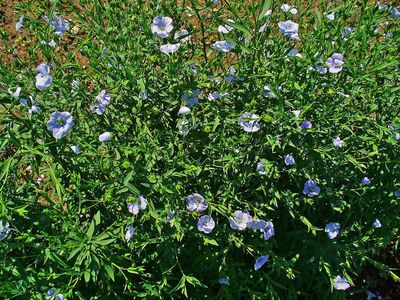 flaxLinum usitatissimum
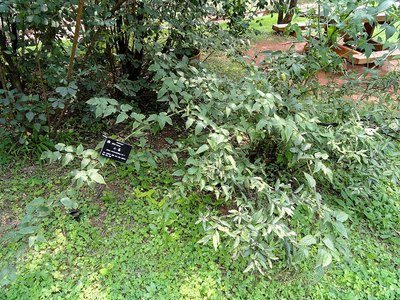 BlackberryRubus villosus
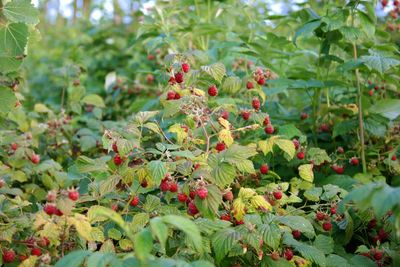 Red raspberryRubus idaeus
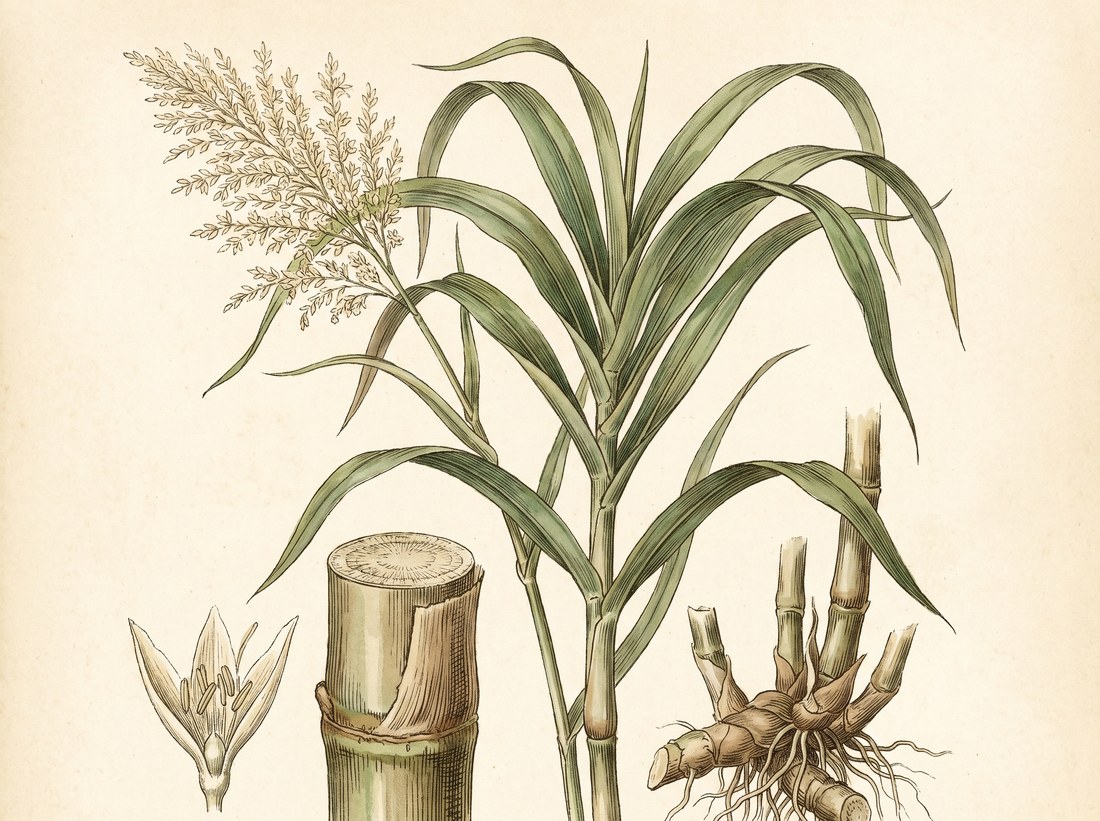 SugarSaccharum
 Wild strawberryFragaria vesca
 RaspberryRubus ideas
Nearby on the shelf
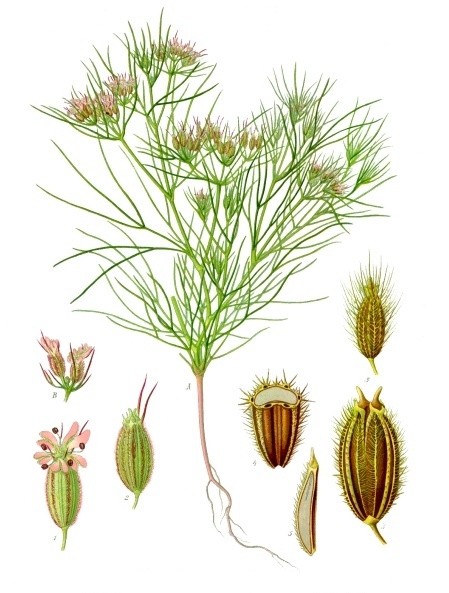 CuminCuminum cyminum
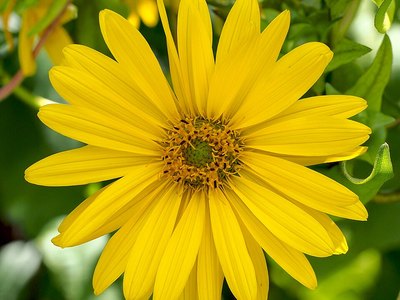 Cup plantSilphium perfoliatum
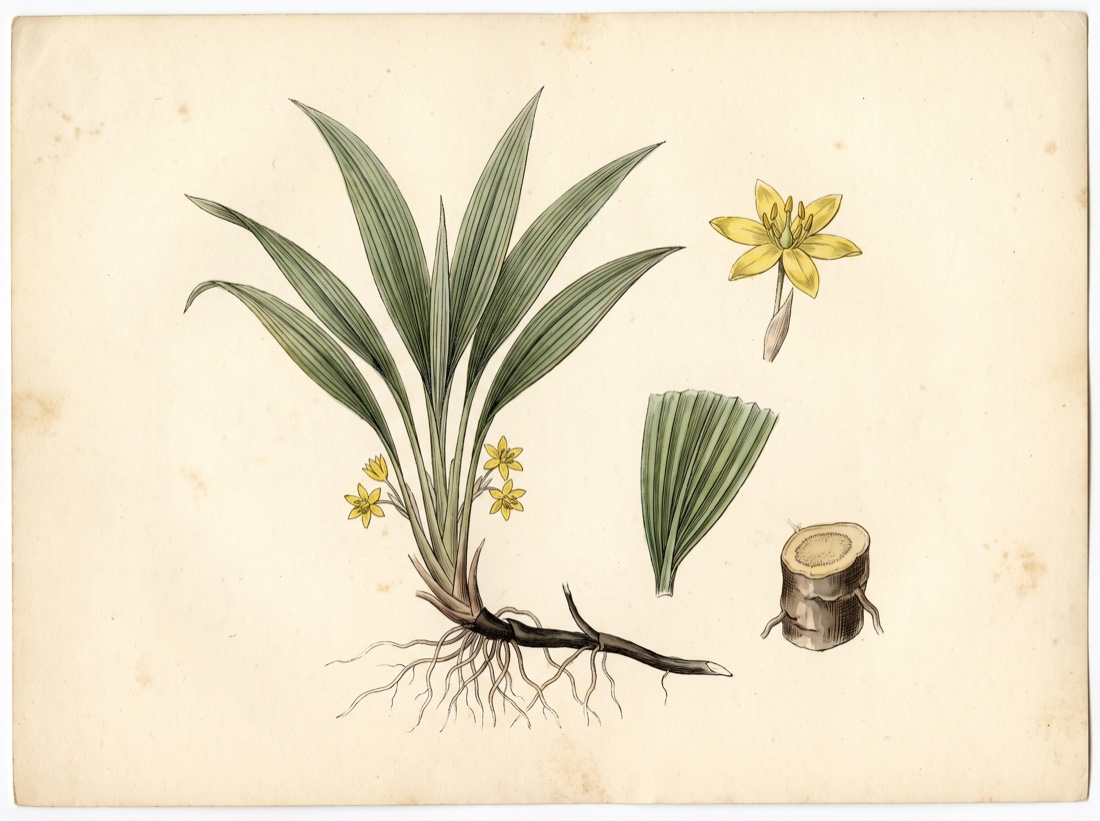 CurculigoCurculigo orchioides
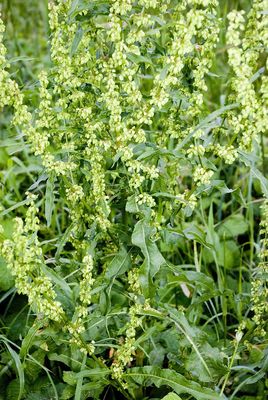 Curly dockRumex crispus
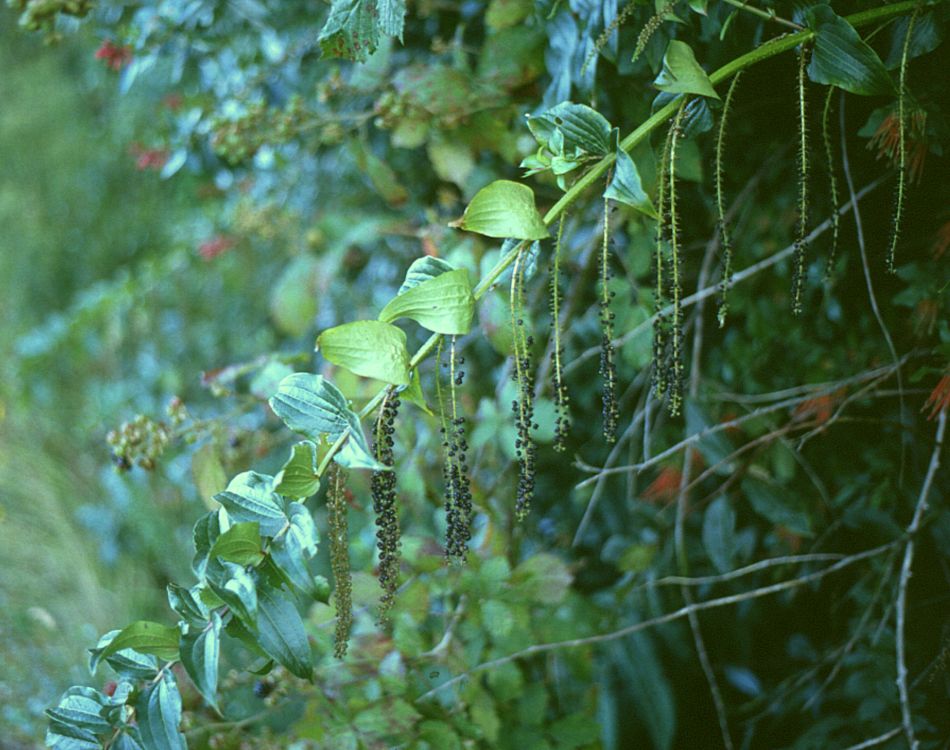 Currier's SumachCoriaria
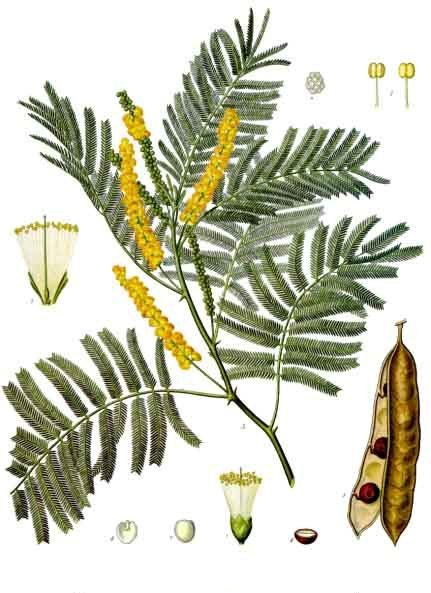 Cutch treeAcacia catechu
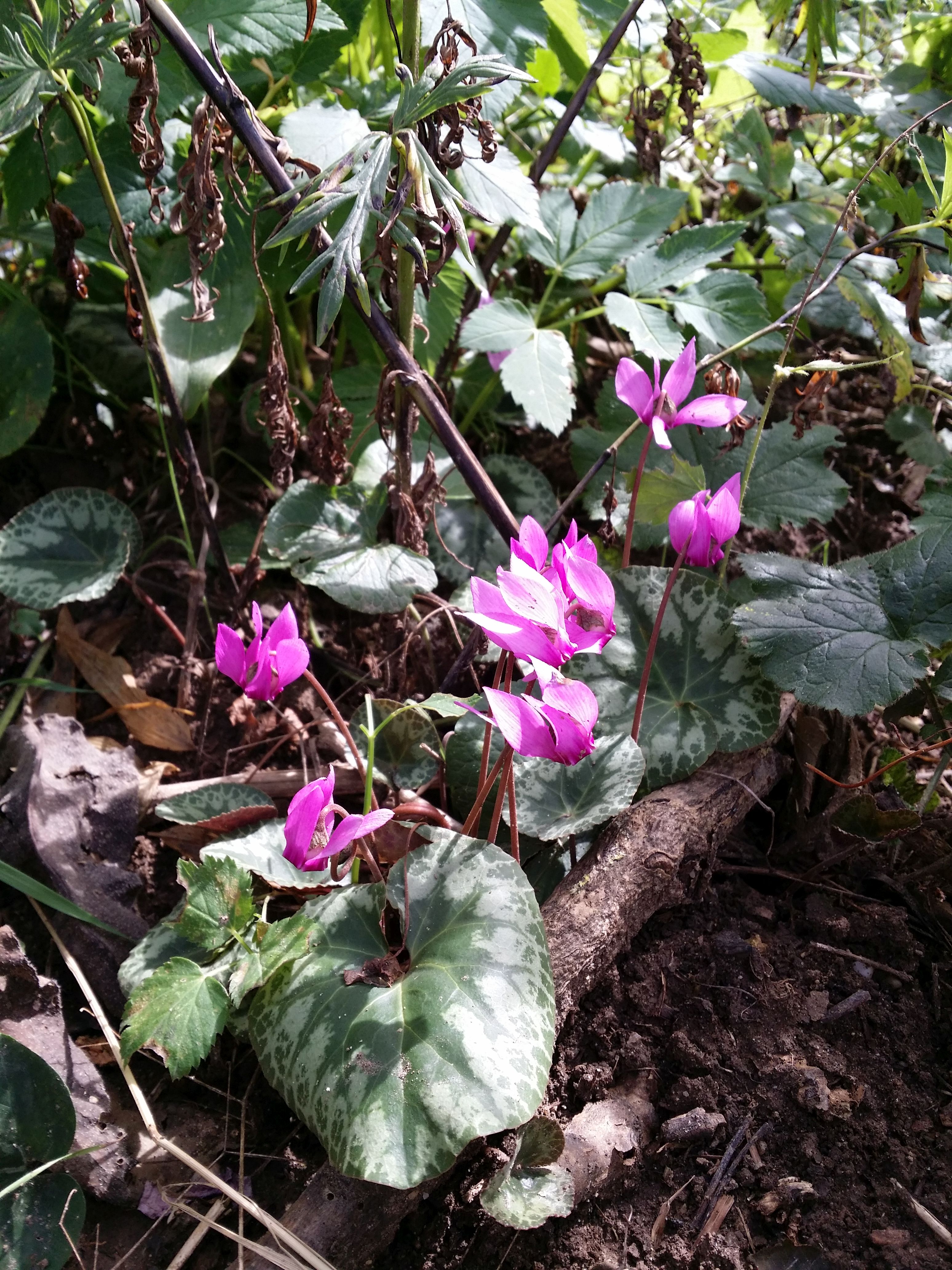 CyclamenCyclamen
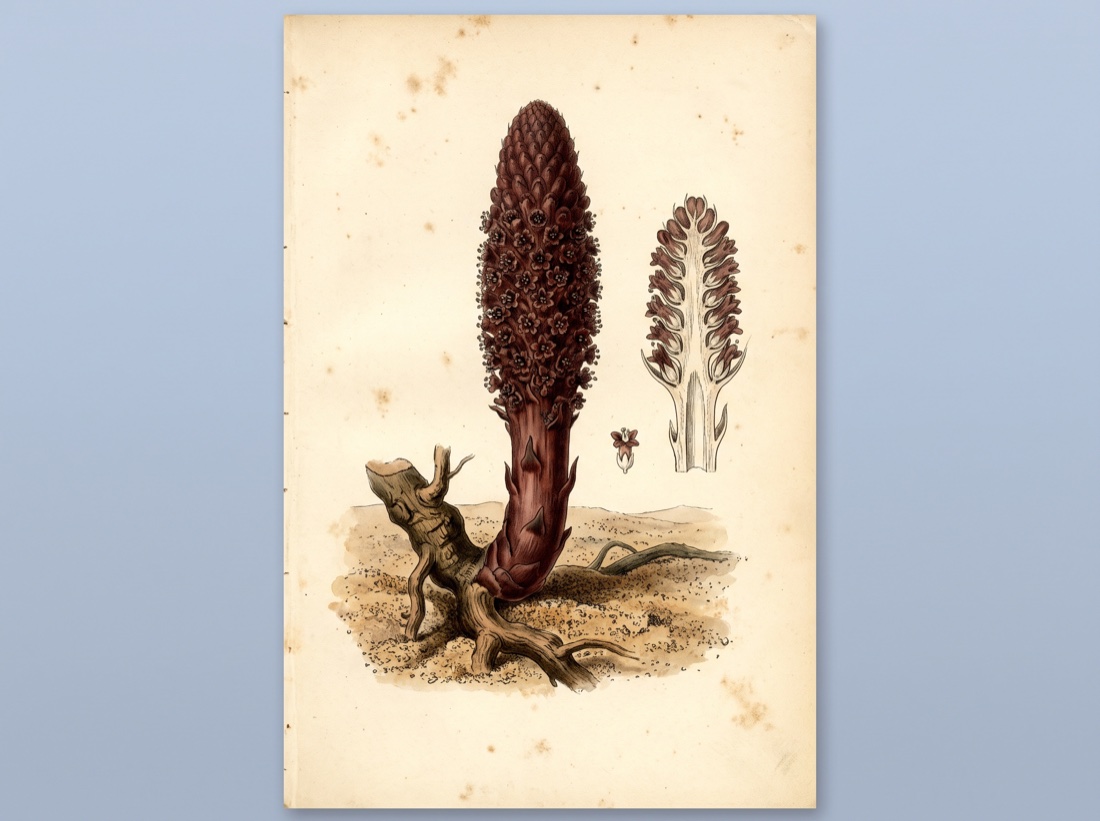 CynomoriumCynomorium songaricum
The whole plate is in the library. The compass, Compare, the Sky of eleven hundred plants and the formulary open with an email address and a password, free, with the formula builder and its safety engine. Herbert without limit, his formulating, clients, the handouts and the labels are the paid room.
Open the library, free