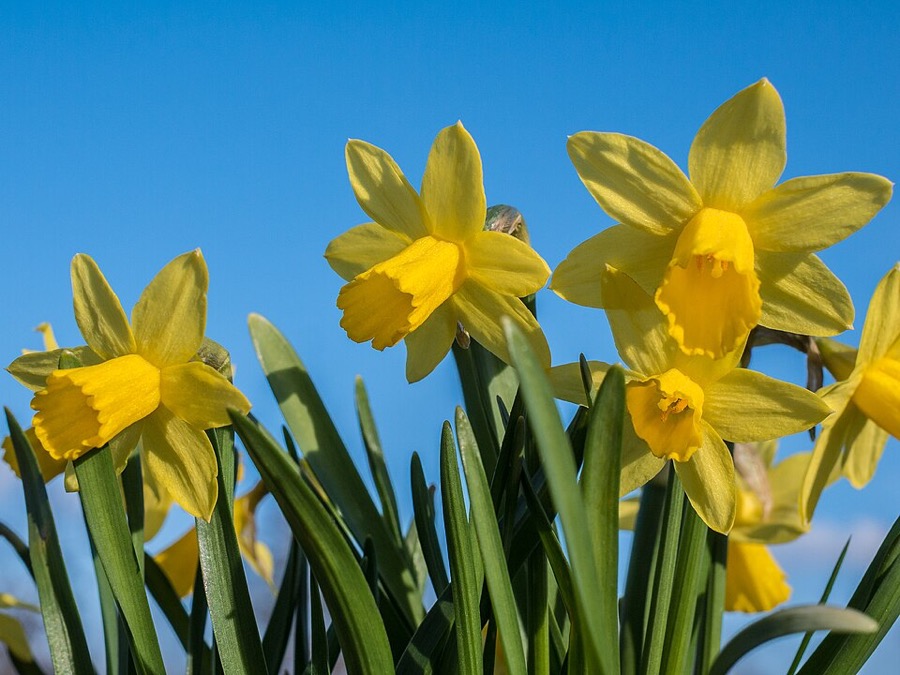
Western Herbalism
Daffodil
Narcissus
Also known as Lent lily, Narcissus.
Narcissus is a genus of bulbous spring-flowering plants in the amaryllis family, native to Europe and North Africa and widely cultivated worldwide as an ornamental, of which the common daffodil (Narcissus pseudonarcissus) is the species most referenced in older medical writing. The bulb and, less often, the flowers were the parts historically used, mainly as an emetic and expectorant. Its main modern significance is as a natural source of the alkaloid galantamine, now manufactured as a licensed pharmaceutical rather than dispensed as a crude herbal preparation.

Ask Herbert about Daffodil. Herbert is the master herbalist inside Bountiful Herbs: he answers from this plate and eleven hundred others, with dosing, pairing and cautions. Your first ten questions are free.
Ask HerbertActions
Indications what the tradition reached for it in
- Paroxysmal cough (historical)
- Whooping cough (historical)
- Chronic bronchial catarrh (historical)
- Wounds and ulcers, applied topically (historical)
- Bruises and sprains, applied topically (historical)
- Induction of vomiting in poisoning cases (obsolete practice)
- Alzheimer's disease (via the isolated pharmaceutical alkaloid galantamine, not the crude herb)
- Skin irritation from handling bulbs (occupational, 'daffodil itch')
Specific indications
Persistent, spasmodic, unproductive cough with tenacious mucus, as used by nineteenth century Eclectic physicians with the fresh flowering bulb tincture
Chronic bronchial catarrh that had failed to respond to gentler expectorants, in the older Eclectic literature
Safety
Recognised toxicity. This plant carries a toxicity flag in the record; it is for trained practitioners only.
Low dose botanical. Used in drop doses in the classical practice; not a plant to dose freely.
Pregnancy: Avoid entirely: the plant contains toxic Amaryllidaceae alkaloids with no established safe dose in pregnancy.
Breastfeeding: Avoid entirely: no safety data exist and the alkaloid content is potentially toxic to a nursing infant.
The record lists 6 contraindications; open the plate in the library to read them in full.
In practice
Narcissus has almost no place in contemporary herbal practice. Nineteenth century Eclectic physicians used small doses of the fresh bulb tincture for spasmodic, whooping type coughs and for chronic bronchial catarrh that resisted other expectorants, but the margin between an emetic dose and a therapeutic one was narrow and the herb fell out of use as safer expectorants became available.
Dosing as the sources wrote it
| Preparation | As written | Metric |
|---|---|---|
| Historical fresh bulb tincture (Eclectic use, not currently recommended) | 0.06-0.3 mL of a 1:1 fresh bulb tincture, historical dose, not advised for modern use | 0.06-0.3 mL |
| Topical poultice (historical, external only) | bruised fresh bulb applied externally to intact skin for short periods | |
| A tincture of the bulbs by maceration in | A tincture of the bulbs by maceration in 98 per cent alcohol, may be given in doses of 1/4 drop to 10 drops. | 0.01-0.2 mL |
| dried flowers or bulbs | Dose of dried flowers or bulbs, in powder, from 10 to 60 grains; from 1 to 3 grains of the aqueous extract provokes vomiting. | 648-3888 mg |
Doses are reproduced from the sources for practitioners and are not a recommendation for any person.
From the sources
Overview. Narcissus is a genus of bulbous spring-flowering plants in the amaryllis family, native to Europe and North Africa and widely cultivated worldwide as an ornamental, of which the common daffodil (Narcissus pseudonarcissus) is the species most referenced in older medical writing. The bulb and, less often, the flowers were the parts historically used, mainly as an emetic and expectorant. Its main modern significance is as a natural source of the alkaloid galantamine, now manufactured as a licensed pharmaceutical rather than dispensed as a crude herbal preparation.
Clinical Notes. Narcissus has almost no place in contemporary herbal practice. Nineteenth century Eclectic physicians used small doses of the fresh bulb tincture for spasmodic, whooping type coughs and for chronic bronchial catarrh that resisted other expectorants, but the margin between an emetic dose and a therapeutic one was narrow and the herb fell out of use as safer expectorants became available.
Drawn from King's American Dispensatory, 18th edition (Felter and Lloyd), and the Bountiful Herbs editorial.
Nearby on the shelf
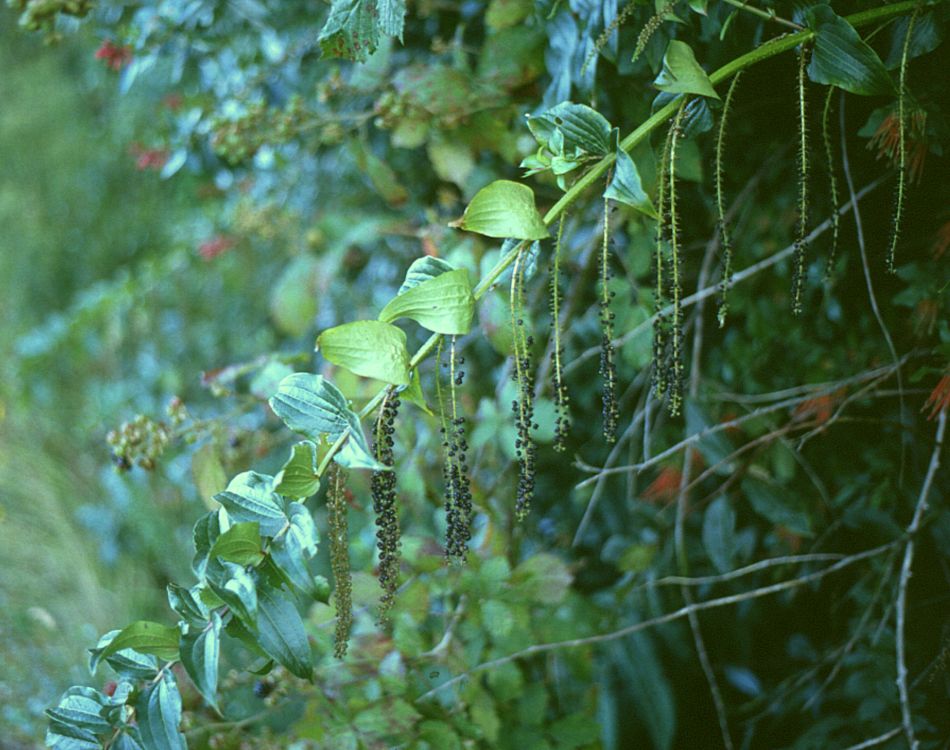 Currier's SumachCoriaria
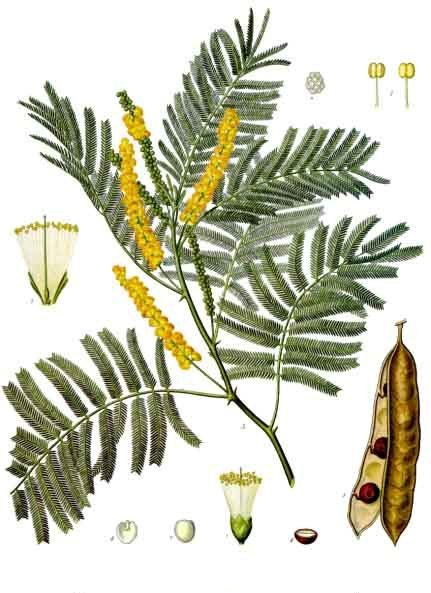 Cutch treeAcacia catechu
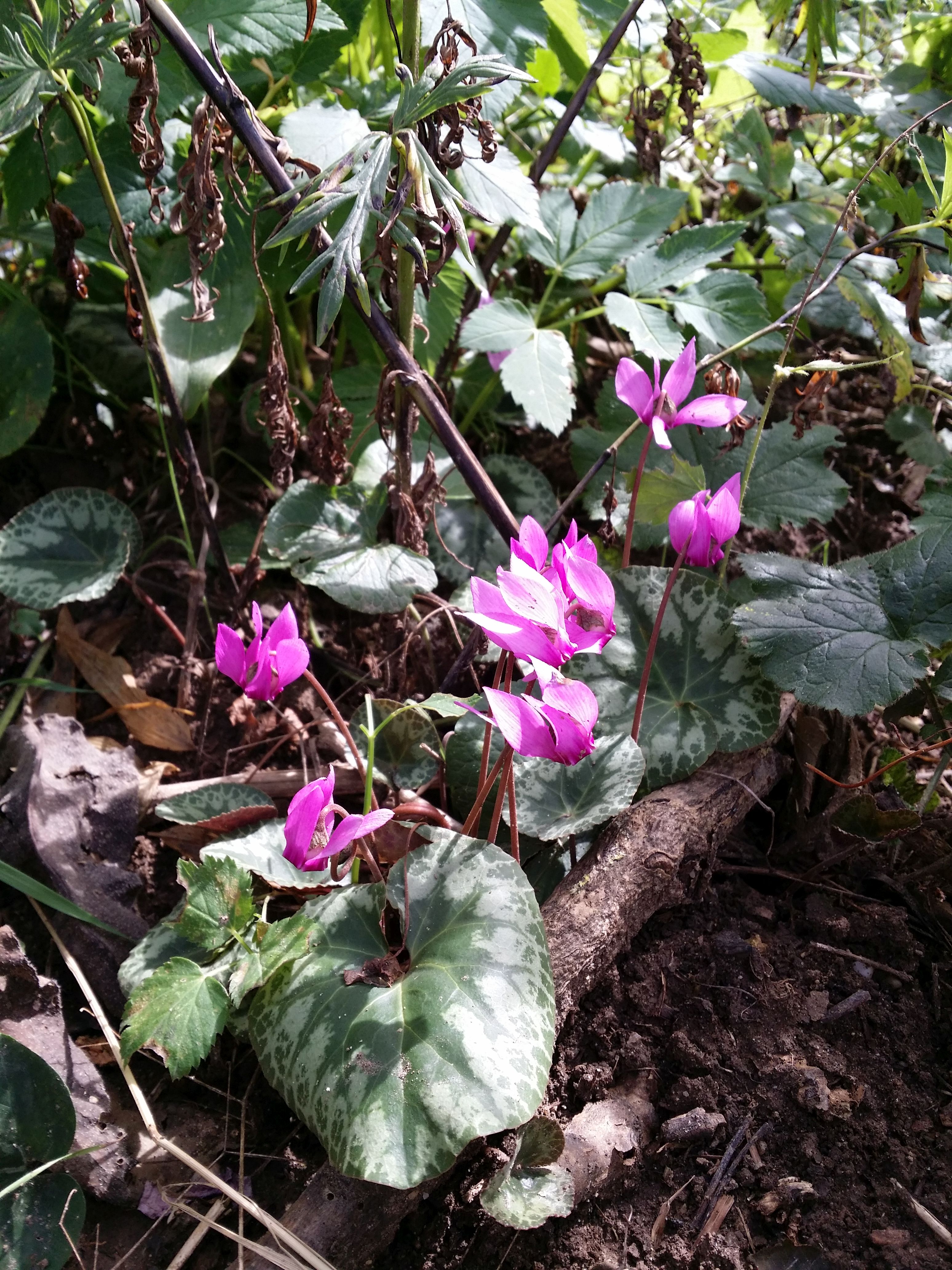 CyclamenCyclamen
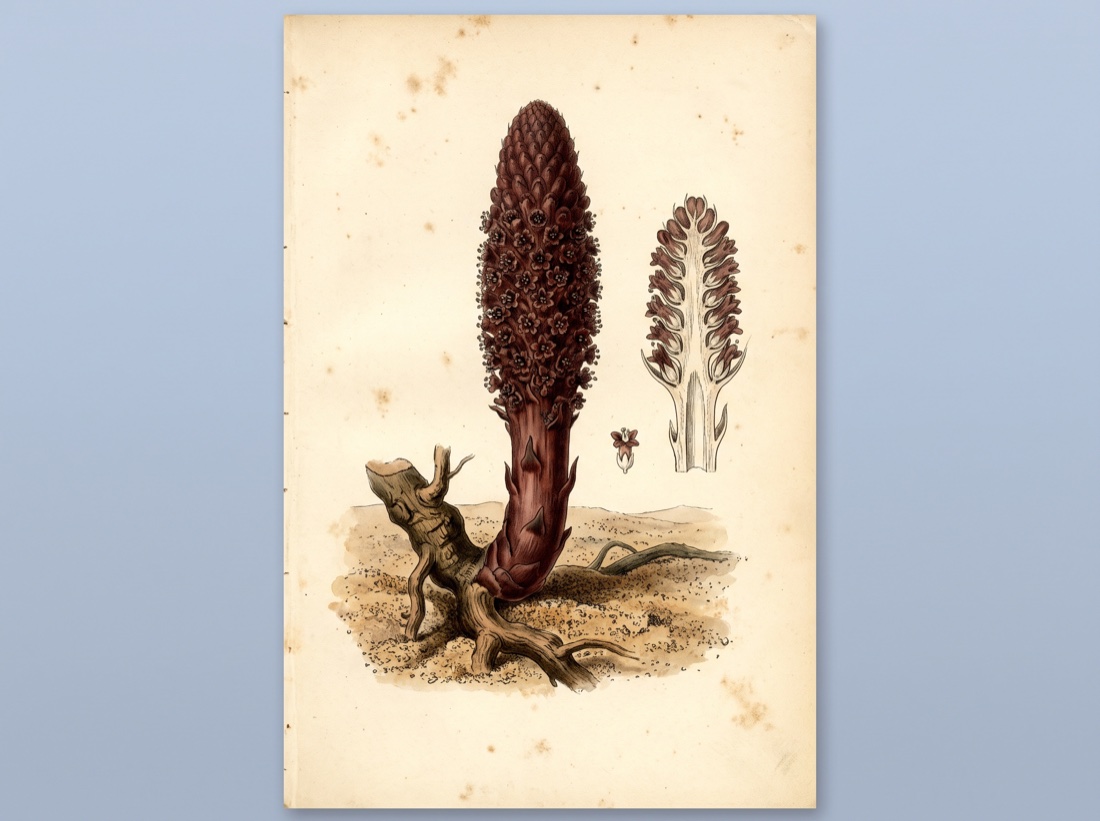 CynomoriumCynomorium songaricum
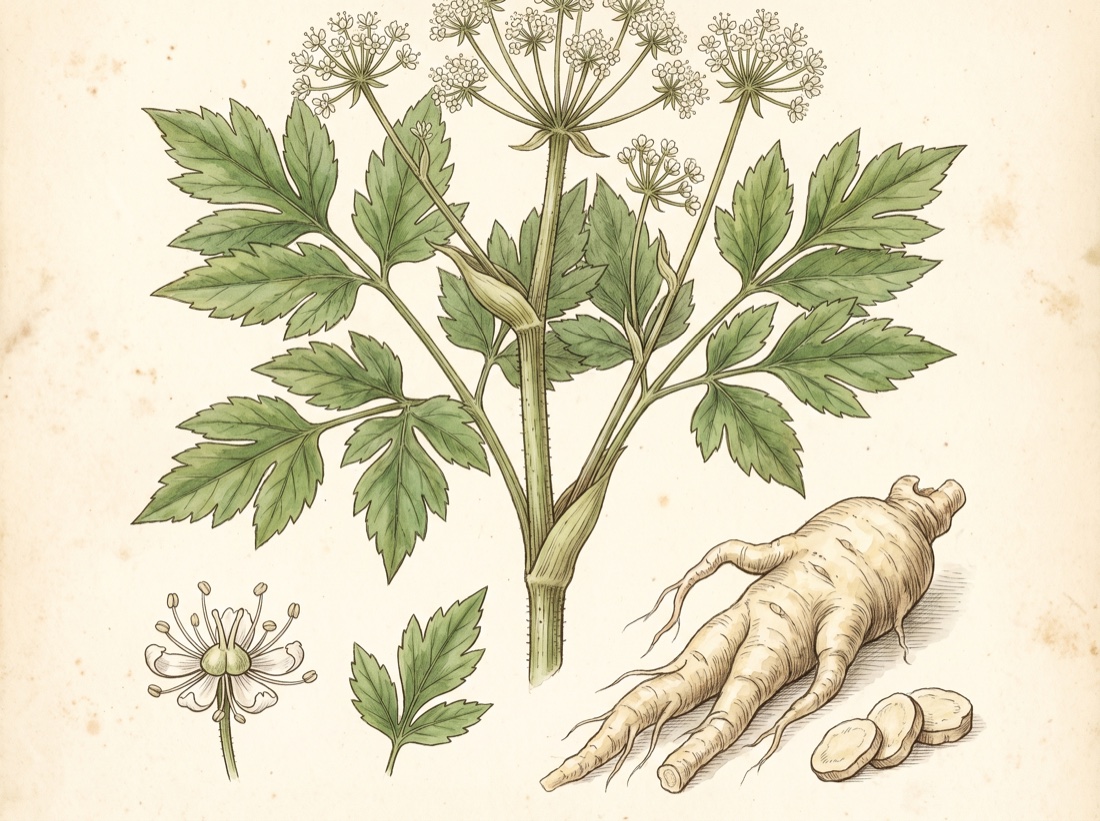 Dahurian angelicaAngelica dahurica
 Damask RoseRosa x damascena
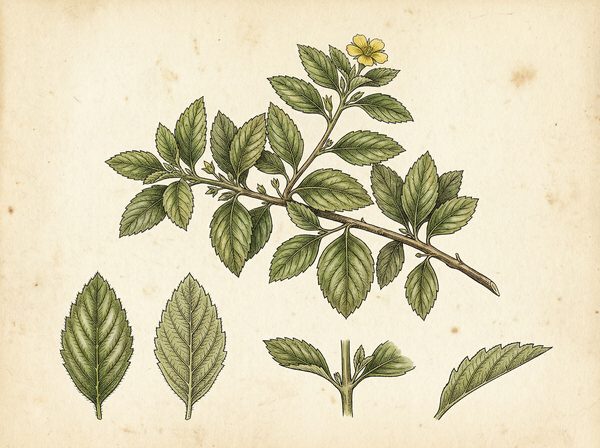 DamianaTurnera diffusa
 Dan ShenSalvia miltiorrhiza
The whole plate is in the library. The compass, Compare, the Sky of eleven hundred plants and the formulary open with an email address and a password, free, with the formula builder and its safety engine. Herbert without limit, his formulating, clients, the handouts and the labels are the paid room.
Open the library, free