Chinese Herbalism
Cynomorium
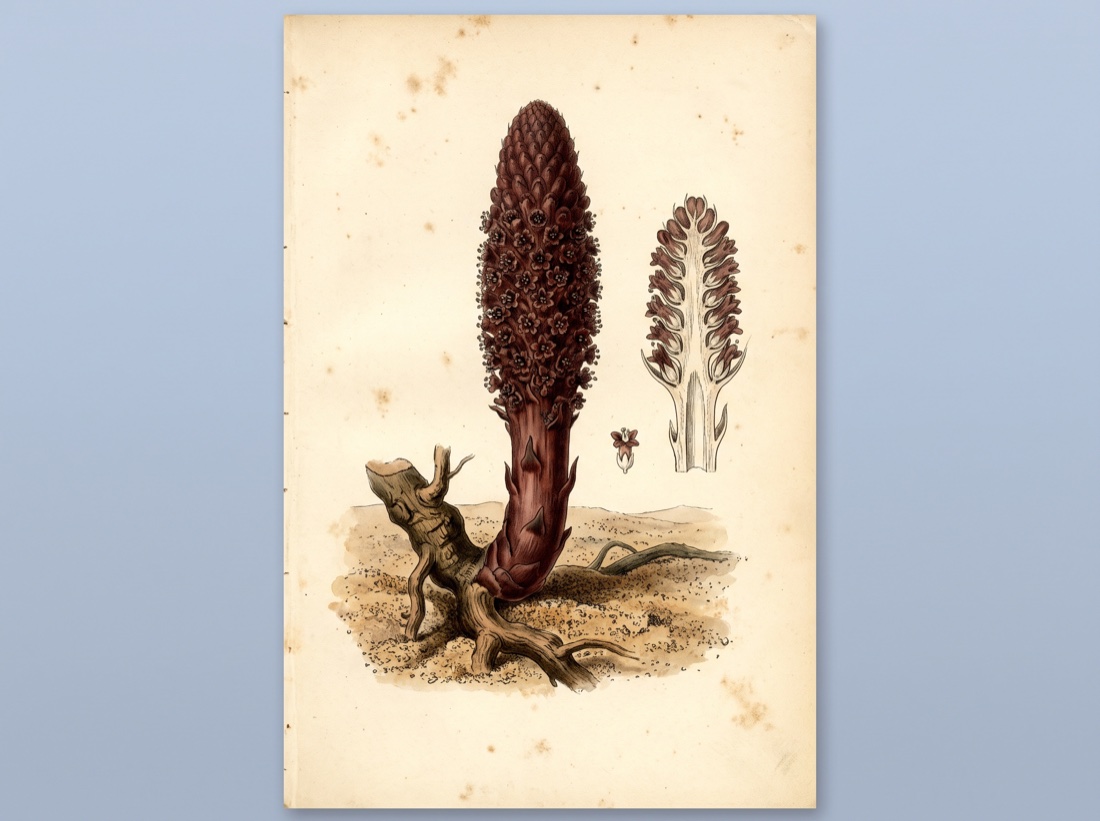
Cynomorium songaricum
Also known as Songaria cynomorium, lock yang, suo yang, suǒ yáng.
Suo yang is the dried fleshy stem of Cynomorium songaricum, a leafless, chlorophyll-free parasite that grows on the roots of Nitraria and other shrubs in the deserts and salt flats of Inner Mongolia, Gansu, Xinjiang and Mongolia; botanists now treat it as a subspecies of the Mediterranean Cynomorium coccineum. The dark red, club-shaped stem pushes out of the sand in spring and is dug, sliced and dried. In Chinese medicine it is a warming Kidney tonic in the same family as rou cong rong: it lifts yang and essence while moistening the bowel, which makes it a favorite for the elderly.

Ask Herbert about Cynomorium. Herbert is the master herbalist inside Bountiful Herbs: he answers from this plate and eleven hundred others, with dosing, pairing and cautions. Your first ten questions are free.
Ask HerbertActions
Indications what the tradition reached for it in
- Impotence and low libido
- Premature ejaculation and spermatorrhea (with astringents)
- Male infertility with low sperm count (adjunct)
- Female infertility with a cold uterus (traditional)
- Weak, sore, cold lower back and knees
- Weakness or atrophy of the legs (wei syndrome)
- Constipation in the elderly with blood and essence deficiency
- Fatigue with cold intolerance
- Frequent urination from Kidney yang deficiency (traditional)
- Osteoporosis (experimental adjunct)
Specific indications
An older person with cold, weak knees and back, low libido and dry constipation, where warming without drying is needed
Wobbly, weak legs with a cold lower body and thin, dry stools
Safety
The record lists 8 contraindications; open the plate in the library to read them in full.
In practice
Suo yang is the warming tonic for people who are cold, weak and dry at the same time: low libido or impotence, a cold aching lower back, weak legs, and constipation that stimulant laxatives make worse.
In Chinese medicine
Temperature: warm. Taste: sweet. Channels: Liver, Kidney, Large Intestine. Actions: Tonifies Kidney yang and strengthens the lower back and legs; Nourishes essence and blood; Moistens the intestines and relieves constipation of deficiency type.
Dosing as the sources wrote it
| Preparation | As written | Metric |
|---|---|---|
| Decoction | 5-10 g dried stem daily | 5000-10000 mg |
| Powder | 1-3 g twice daily | 1000-3000 mg |
| Tincture (1:5, 40%) | 2-4 mL three times daily | 2-4 mL |
Doses are reproduced from the sources for practitioners and are not a recommendation for any person.
From the sources
Overview. Suo yang is the dried fleshy stem of Cynomorium songaricum, a leafless, chlorophyll-free parasite that grows on the roots of Nitraria and other shrubs in the deserts and salt flats of Inner Mongolia, Gansu, Xinjiang and Mongolia; botanists now treat it as a subspecies of the Mediterranean Cynomorium coccineum. The dark red, club-shaped stem pushes out of the sand in spring and is dug, sliced and dried. In Chinese medicine it is a warming Kidney tonic in the same family as rou cong rong: it lifts yang and essence while moistening the bowel, which makes it a favorite for the elderly.
Clinical Notes. Suo yang is the warming tonic for people who are cold, weak and dry at the same time: low libido or impotence, a cold aching lower back, weak legs, and constipation that stimulant laxatives make worse.
Chinese Medicine Profile. Temperature: warm. Taste: sweet. Channels: Liver, Kidney, Large Intestine. Actions: Tonifies Kidney yang and strengthens the lower back and legs; Nourishes essence and blood; Moistens the intestines and relieves constipation of deficiency type.
Conservation. Wild-harvested holoparasite of desert shrubs; overcollection and habitat loss have reduced wild populations in China and Mongolia, and it is under provincial protection in parts of China, so cultivated or sustainably harvested material is preferred.
In formulas
Cynomorium stands in 6 documented formulas in the library, among them hũ qián wán, dà zào wán, hũ gián wán.
Often paired with
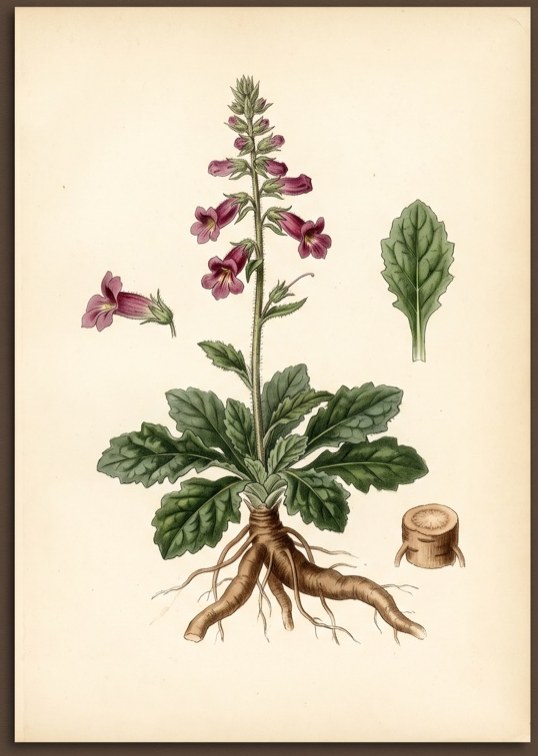 RehmanniaRehmannia glutinosa
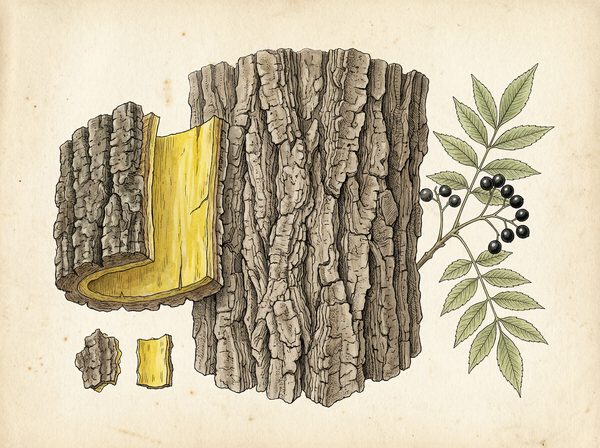 Huang BaiPhellodendron amurense
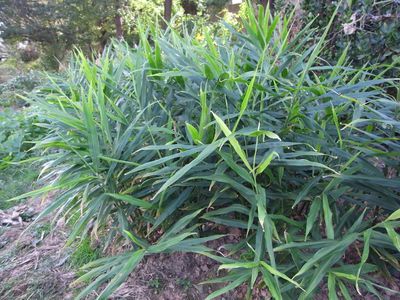 GingerZingiber officinale
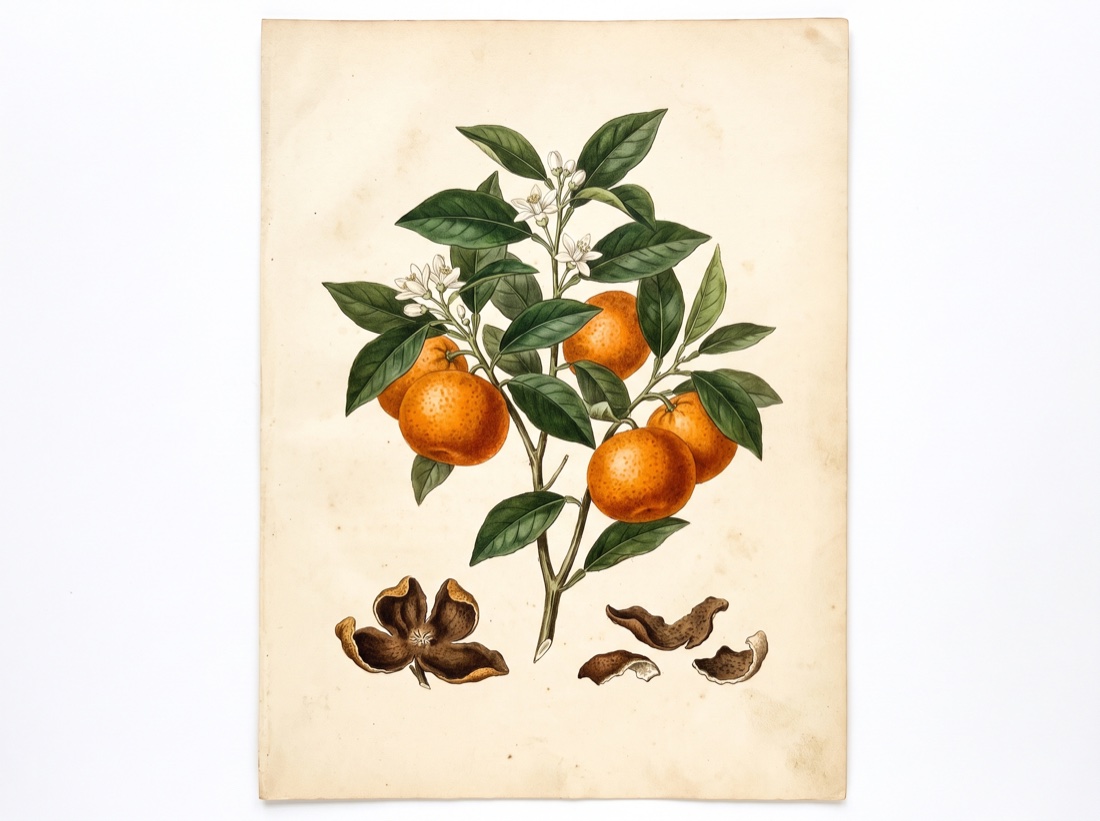 tangerineCitrus reticulata
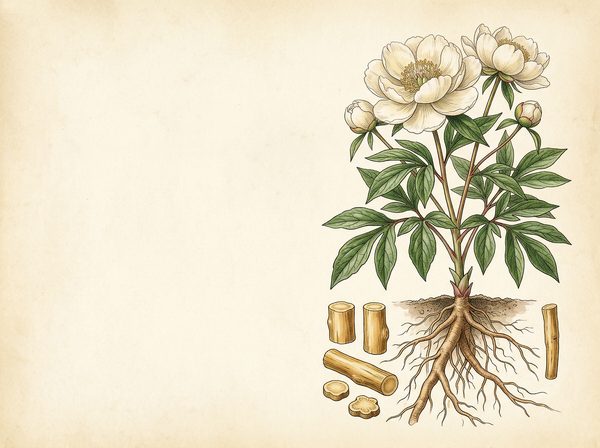 White PeonyPaeonia lactiflora
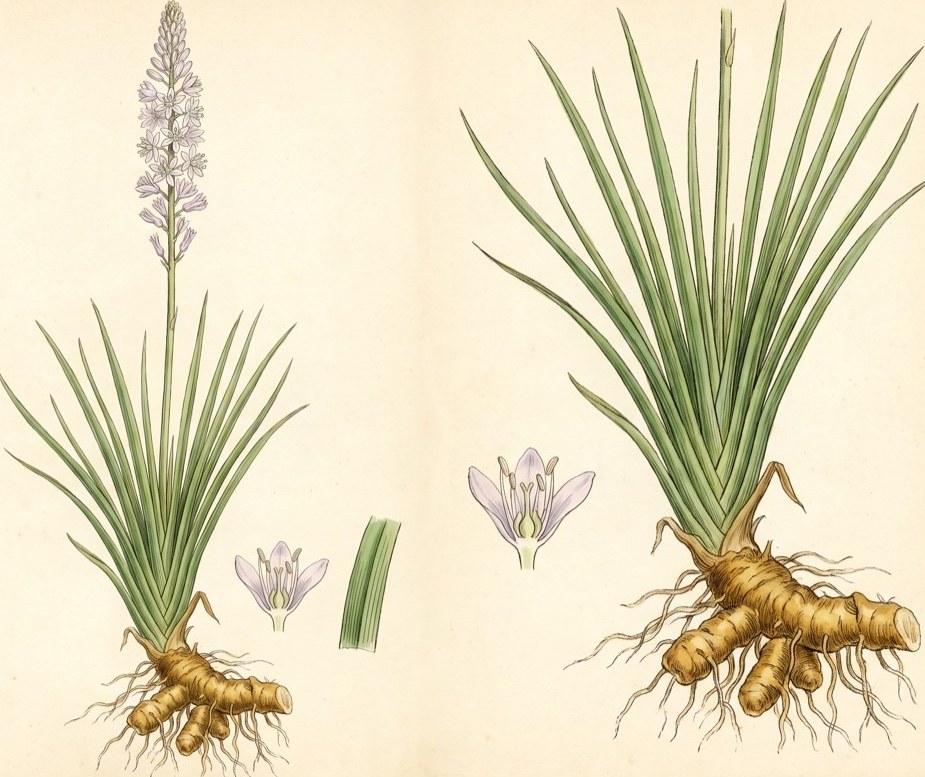 Zhi MuAnemarrhena asphodeloides
Nearby on the shelf
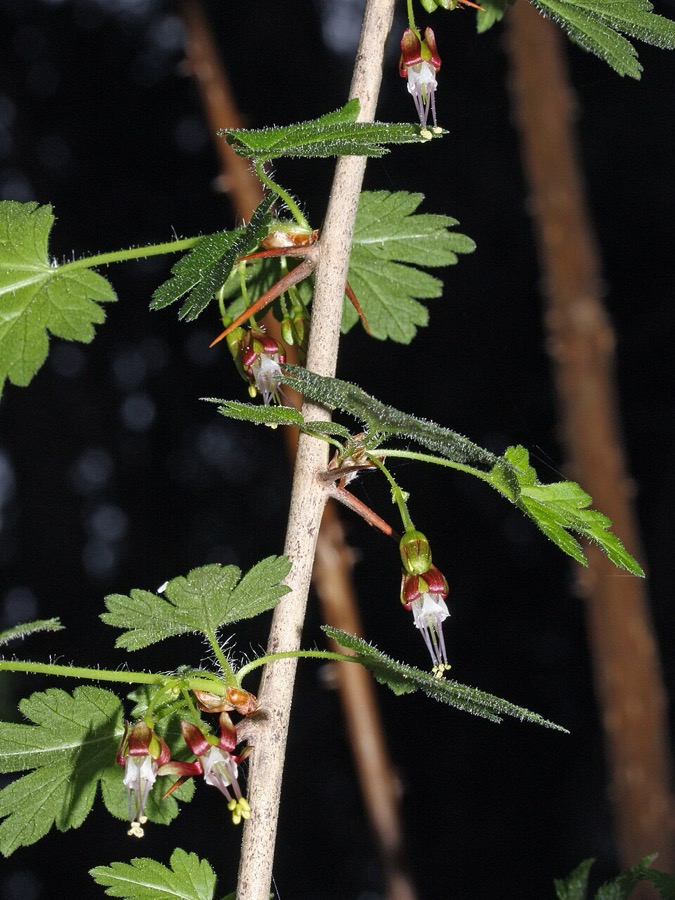 CurrantRibes
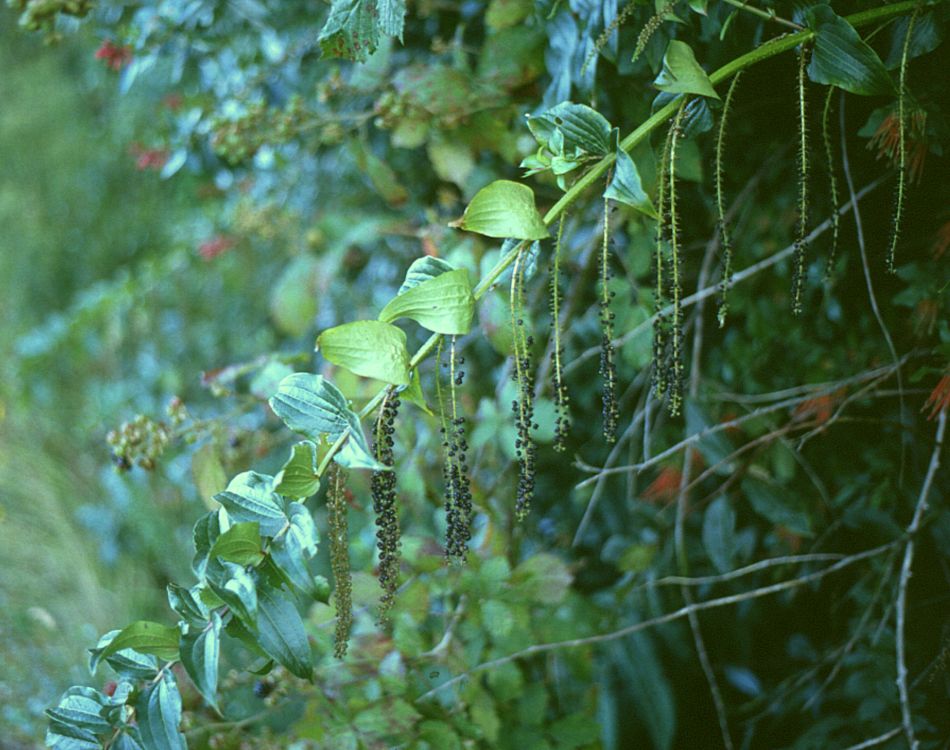 Currier's SumachCoriaria
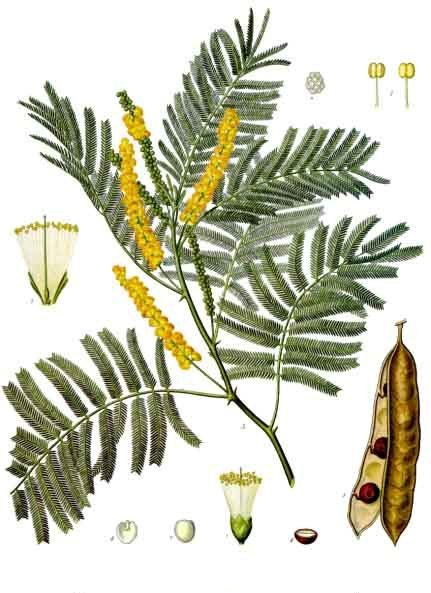 Cutch treeAcacia catechu
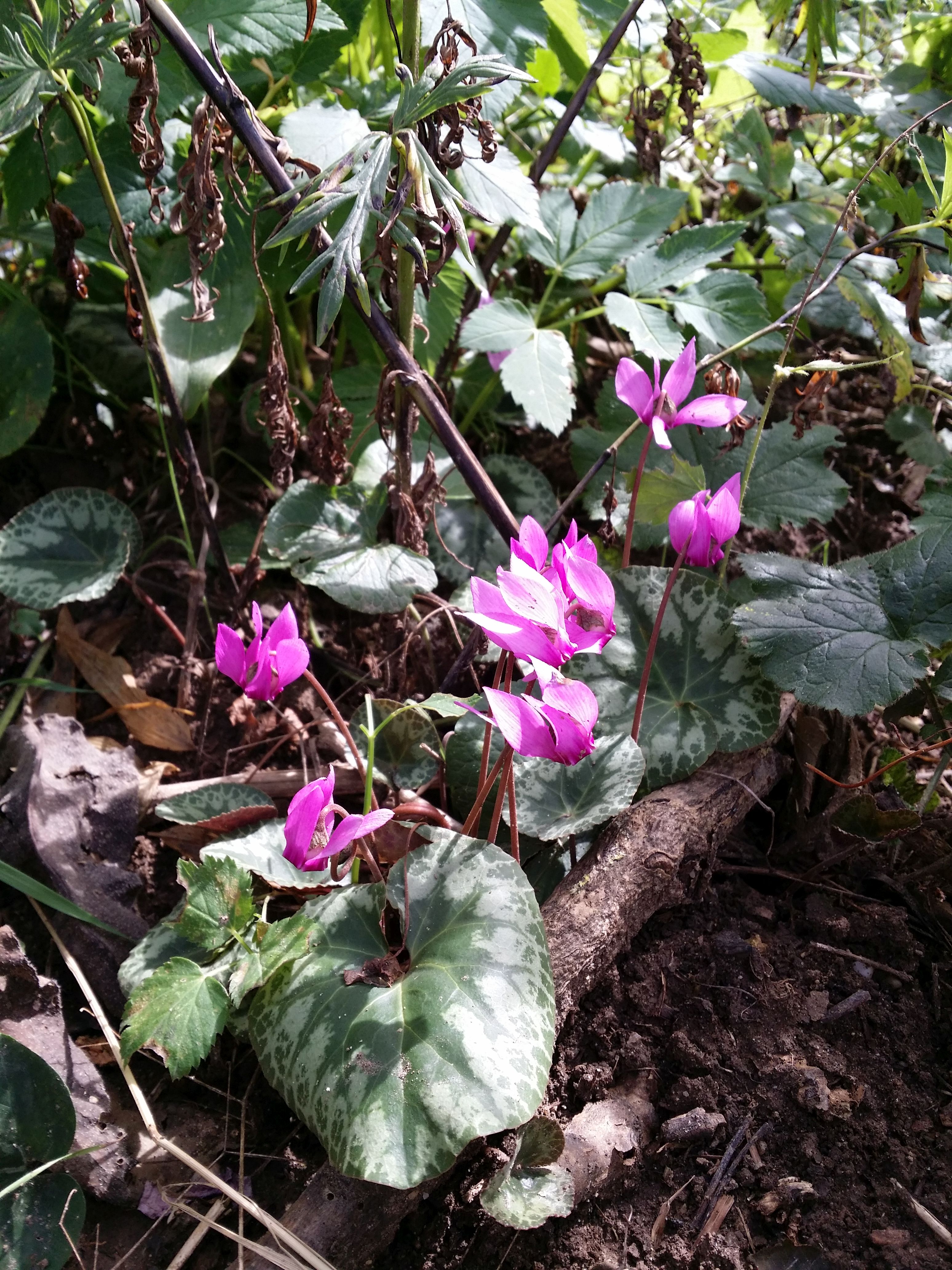 CyclamenCyclamen
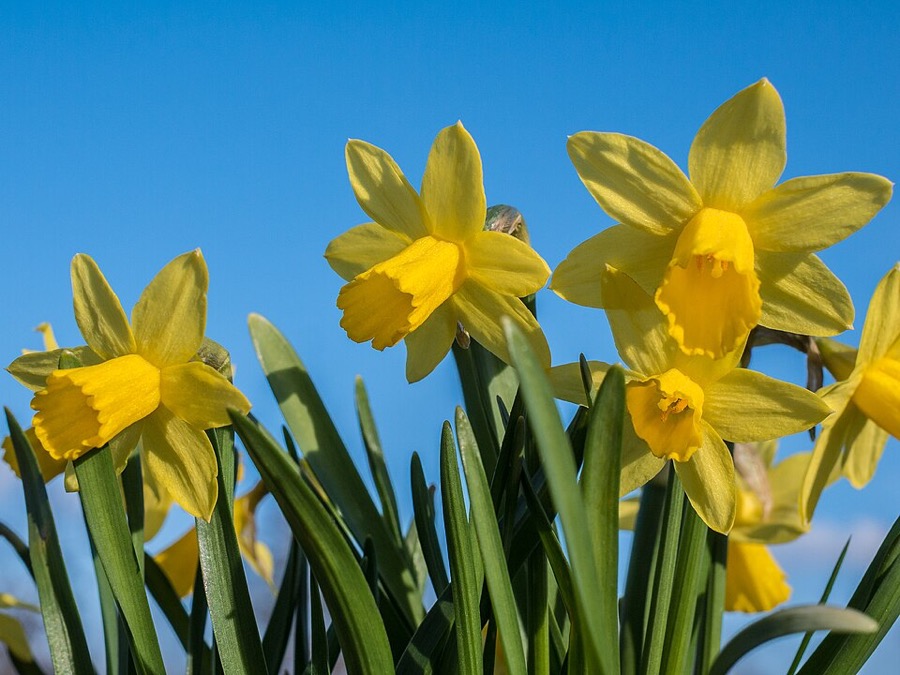 DaffodilNarcissus
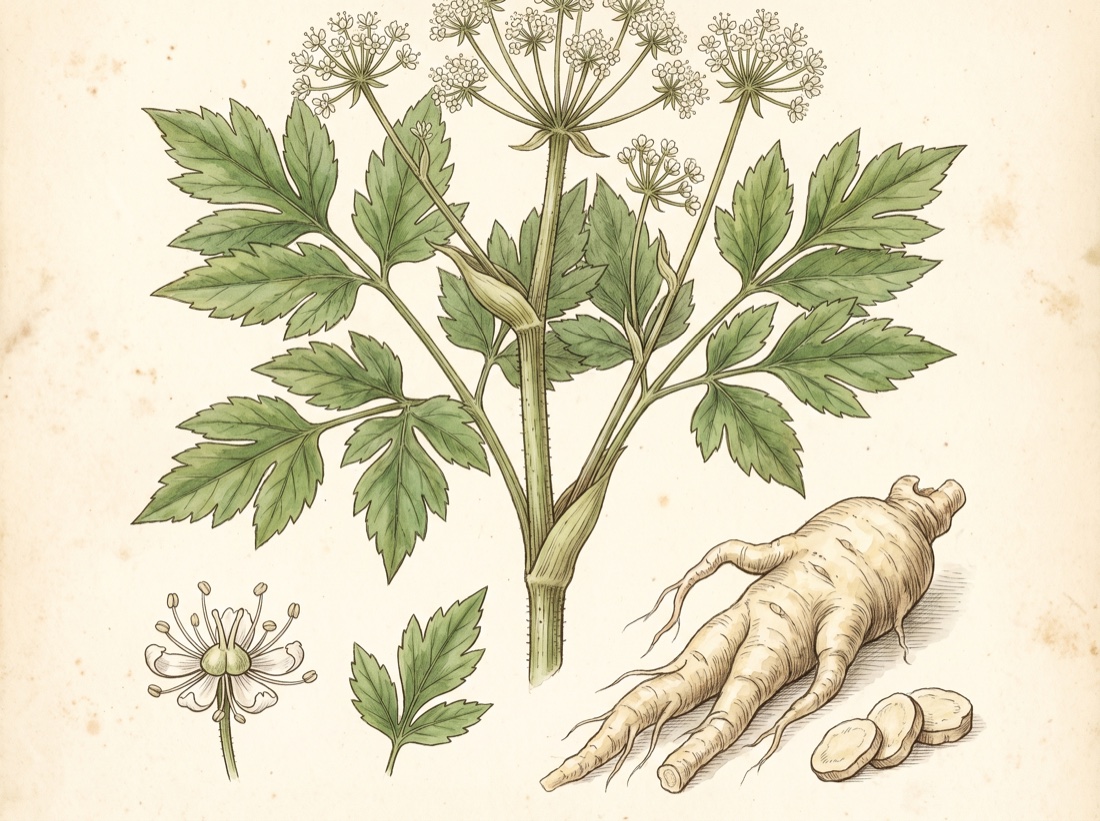 Dahurian angelicaAngelica dahurica
 Damask RoseRosa x damascena
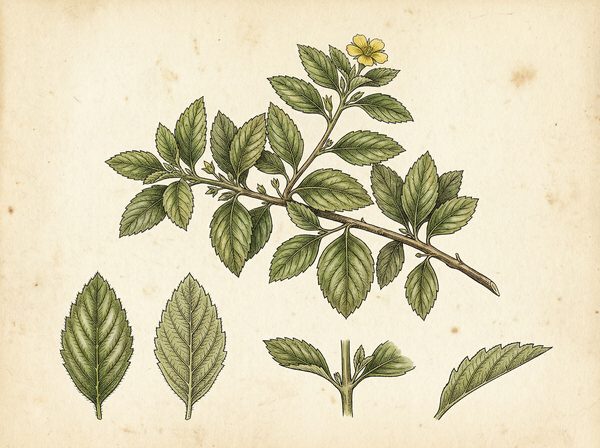 DamianaTurnera diffusa
The whole plate is in the library. The compass, Compare, the Sky of eleven hundred plants and the formulary open with an email address and a password, free, with the formula builder and its safety engine. Herbert without limit, his formulating, clients, the handouts and the labels are the paid room.
Open the library, free