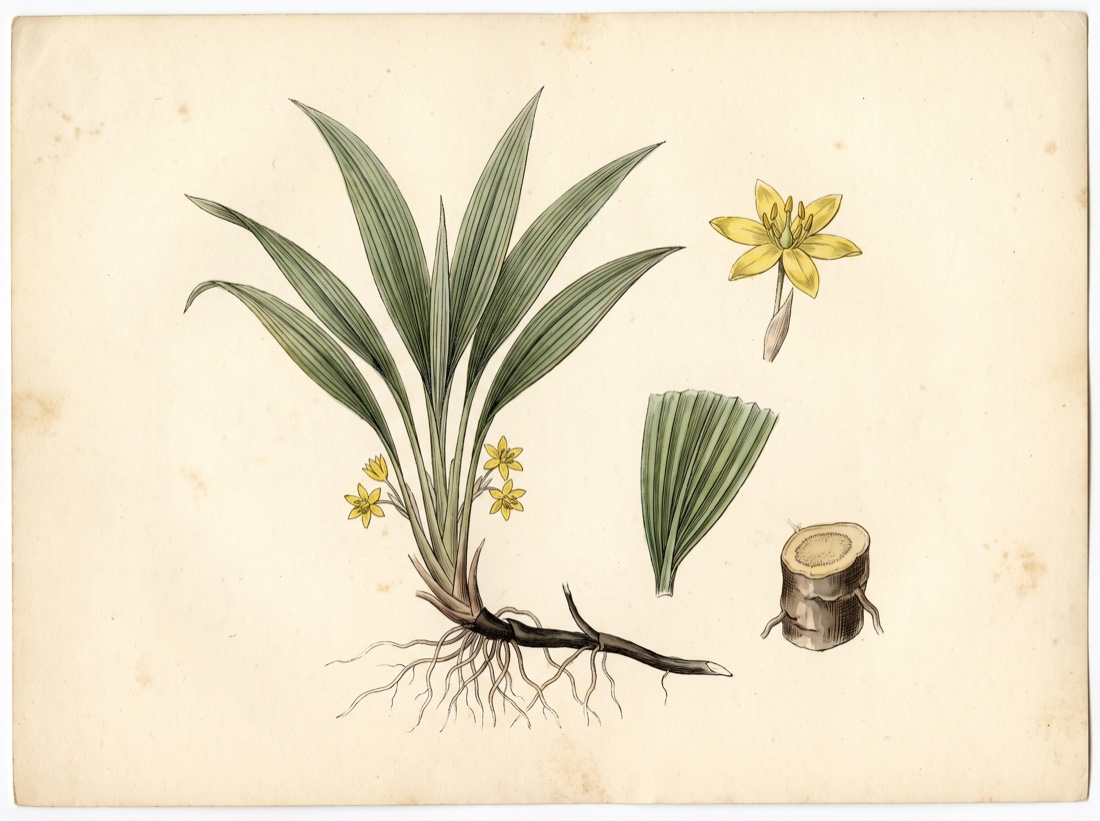
Chinese and Ayurvedic herbalism
Curculigo
Curculigo orchioides
Also known as golden eye-grass, black musli, xian mao, kali musli, immortal grass, weevil wort, xiān máo, Talamuli, Talmuli.
Xian mao is the slender, dark, cylindrical rhizome of a small grass-like herb of the star-grass family that grows in open hill country from southern China through Southeast Asia to India. It is used in both Chinese medicine, as a hot, toxic yang tonic, and in Ayurveda as kali musli, a rejuvenative and aphrodisiac. The rhizome is dug in autumn, sliced and dried. In Chinese medicine it is the most heating of the common kidney tonics and is used in small amounts and for short periods to rekindle yang and to warm cold, painful joints.

Ask Herbert about Curculigo. Herbert is the master herbalist inside Bountiful Herbs: he answers from this plate and eleven hundred others, with dosing, pairing and cautions. Your first ten questions are free.
Ask HerbertActions
Indications what the tradition reached for it in
- Erectile dysfunction with cold and fatigue
- Low libido and infertility of kidney yang deficiency type
- Cold, weak, painful lower back and knees
- Cold-damp joint pain that worsens in winter
- Urinary frequency and incontinence from cold kidney
- Menopausal hot flushes with hypertension and cold feet (in Er Xian Tang)
- Chronic diarrhea with cold abdomen from spleen and kidney yang deficiency
- Reduced bone density with kidney yang deficiency (supportive)
- Male reproductive weakness in Ayurvedic practice (as kali musli)
- Erectile dysfunction and low libido with weakness
- Low sperm count and poor semen quality
- General debility and convalescence
- Fatigue with low stamina in men over forty
- Osteopenia and postmenopausal bone loss (preclinical, traditional tonic use)
- Hemorrhoids with weakness (traditional)
- Dysuria and urinary weakness in the elderly (traditional)
- Rheumatoid arthritis with depletion (traditional and preclinical)
- Memory decline with aging (preclinical)
- Poor lactation (folk)
Specific indications
A man with poor erection, cold lower back, aching knees and a pale, wet tongue who feels worse in cold weather and needs a short, strong warming course
A perimenopausal woman with flushes and rising blood pressure but cold hands and feet, fatigue and low mood, who fits the yin and yang deficiency pattern of the two-immortals formula
Safety
Low dose botanical. Used in drop doses in the classical practice; not a plant to dose freely.
The record lists 10 contraindications; open the plate in the library to read them in full.
In practice
Xian mao is a herb to prescribe deliberately and briefly. Its best-known modern use is as one half of the two-immortals formula (Er Xian Tang), balanced by yin yang huo, ba ji tian, dang gui, zhi mu and huang bai for the menopausal woman who is hot above and cold below; the formula is widely used for flushes, menopausal hypertension and low bone density, and shows how xian mao is tamed by cooling, moistening partners.
In Ayurveda
Rasa: madhura (sweet), tikta (bitter). Virya: ushna (heating). Vipaka: madhura (sweet). Guna: guru (heavy), snigdha (unctuous), picchila (slimy). Dosha: pacifies vata and pitta; increases kapha in excess. Prabhava: vrishya (aphrodisiac); regarded as a specific for male sexual weakness. Karma: vrishya and vajikarana (aphrodisiac, promotes sexual vigor); shukrala (increases semen); balya (strengthening); brimhana (nourishing, builds tissue); rasayana (rejuvenative); mutrala (diuretic); arshoghna (relieves hemorrhoids); vatapittahara (reduces vata and pitta); jvarahara (reduces fever, traditional); kamalahara (relieves jaundice, folk); stanyajanana (promotes breast milk, folk). Classical indications: klaibya (male sexual dysfunction, impotence); shukrakshaya (deficient semen); daurbalya (weakness); kshaya (wasting); arsha (hemorrhoids); mutrakricchra (dysuria); prameha (urinary disorders including diabetes); kamala (jaundice, folk); shvasa and kasa (dyspnea and cough); raktapitta (bleeding disorders); kushtha (skin disease, topical). The dark, fleshy tuberous rhizome is dug after the rains, washed, sliced and dried, and given as churna with milk and sugar or honey, in lehya and avaleha with other aphrodisiac herbs, in medicated ghee, and as a paste for skin lesions and piles. Classical formulations: Musali churna, Musalyadi churna, Musali paka, Vanari kalpa (some versions), Vrishya vati and vajikarana lehyas, Ashwagandhadi lehya (regional versions), Shatavaryadi churna (with Shweta musali). Described in: Bhavaprakasha Nighantu, Dhanvantari Nighantu, Raja Nighantu, Kaiyadeva Nighantu, Sharngadhara Samhita, Ayurvedic Pharmacopoeia of India.
In Chinese medicine
Temperature: hot, toxic. Taste: acrid. Channels: Kidney, Liver, Spleen. Actions: Warms and tonifies kidney yang; Strengthens the sinews and bones; Dispels cold and dampness from the lower body; Warms the spleen to stop cold diarrhea.
Dosing as the sources wrote it
| Preparation | As written | Metric |
|---|---|---|
| Decoction | 3-10 g dried rhizome daily in decoction for up to 4 weeks | 3000-10000 mg |
| Powder or pill | 1-2 g powdered rhizome twice daily for up to 4 weeks | 1000-2000 mg |
| Tincture (1:5, 45%) | 1-2 mL three times daily | 1-2 mL |
| Churna | 3-6 g powdered rhizome once or twice daily with warm milk and sugar | 3000-6000 mg |
| Kwatha | 50-100 mL decoction twice daily | 50-100 mL |
| Paka (confection) | 10-20 g Musali paka once daily in the morning with milk | 10000-20000 mg |
Doses are reproduced from the sources for practitioners and are not a recommendation for any person.
From the sources
Overview. Xian mao is the slender, dark, cylindrical rhizome of a small grass-like herb of the star-grass family that grows in open hill country from southern China through Southeast Asia to India. It is used in both Chinese medicine, as a hot, toxic yang tonic, and in Ayurveda as kali musli, a rejuvenative and aphrodisiac. The rhizome is dug in autumn, sliced and dried. In Chinese medicine it is the most heating of the common kidney tonics and is used in small amounts and for short periods to rekindle yang and to warm cold, painful joints.
Overview. Curculigo orchioides is a small perennial herb of the Hypoxidaceae with grass like leaves and yellow star flowers at ground level, growing in shaded, moist forest floors and grassland across peninsular and subtropical India and on through southeast Asia to southern China and Japan, with a short dark tuberous rhizome that is the drug. Ayurveda calls it Talamuli or Krishna Musali, the black musli, and prizes it as a vrishya, an aphrodisiac and reproductive tonic that builds strength and semen, distinct from the white musli of Chlorophytum species with which it is often paired and sometimes confused. It is also a valued herb in Chinese medicine as xian mao, where it warms the kidney and strengthens bone and sinew.
Clinical Notes. Xian mao is a herb to prescribe deliberately and briefly. Its best-known modern use is as one half of the two-immortals formula (Er Xian Tang), balanced by yin yang huo, ba ji tian, dang gui, zhi mu and huang bai for the menopausal woman who is hot above and cold below; the formula is widely used for flushes, menopausal hypertension and low bone density, and shows how xian mao is tamed by cooling, moistening partners.
Clinical Notes. Talamuli is one of the classical vajikarana herbs, given to the man who is weak, depleted and anxious, whose desire and performance have faded with exhaustion, illness or age, and to anyone recovering from wasting who needs to rebuild.
In formulas
Curculigo stands in 5 documented formulas in the library, among them zàn yù dàn, èr xiān tāng, Abhraka Bhasma.
Often paired with
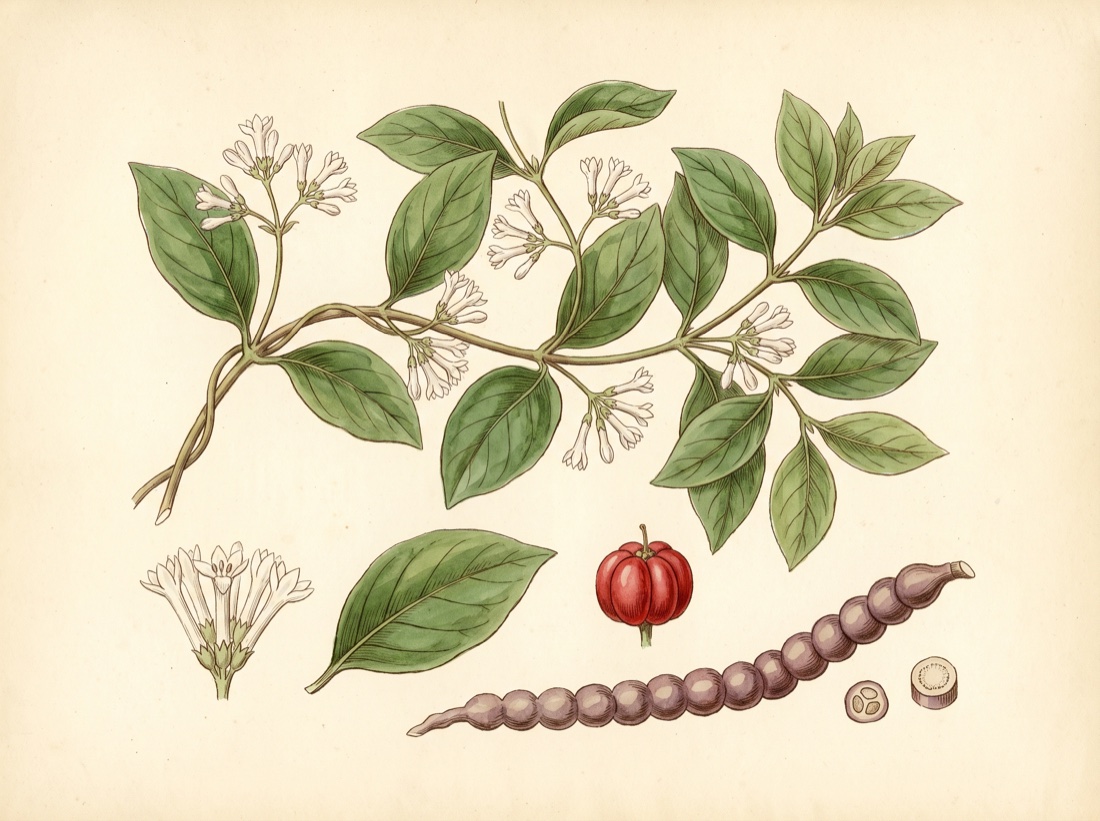 morinda rootMorinda officinalis
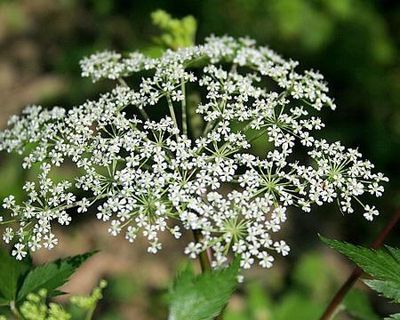 Dong QuaiAngelica sinensis
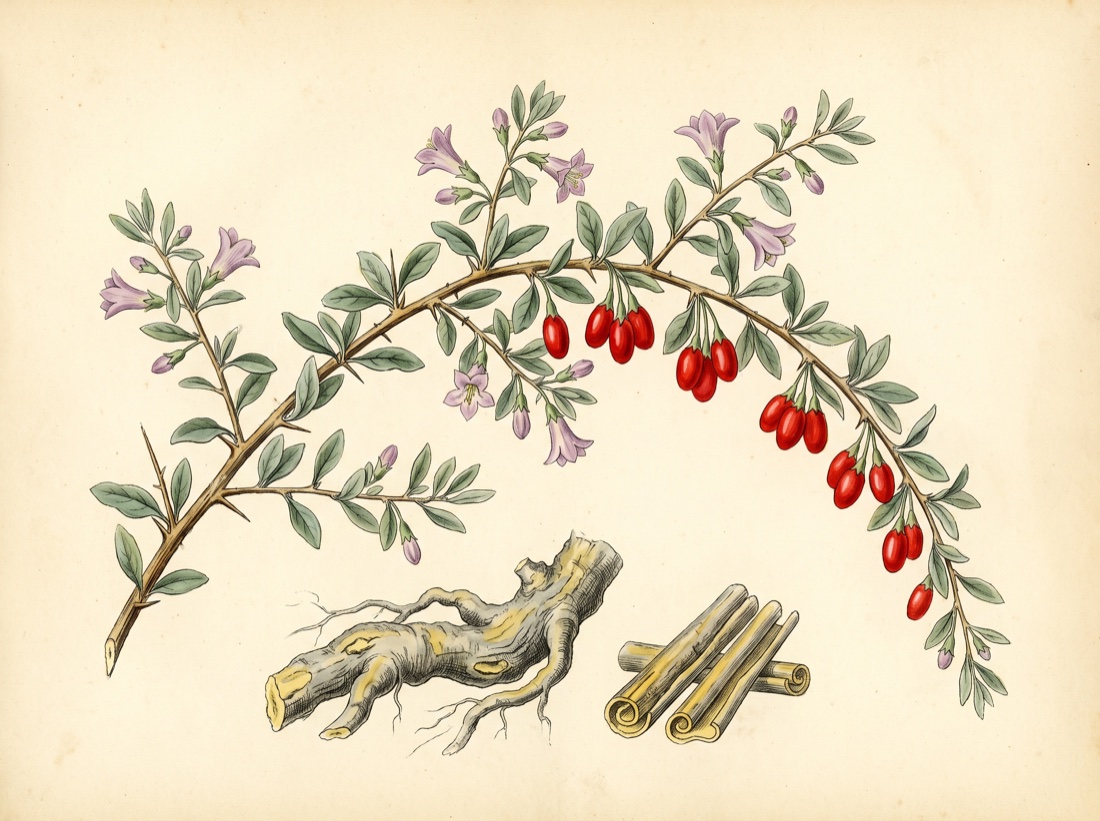 Chinese boxthornLycium chinense
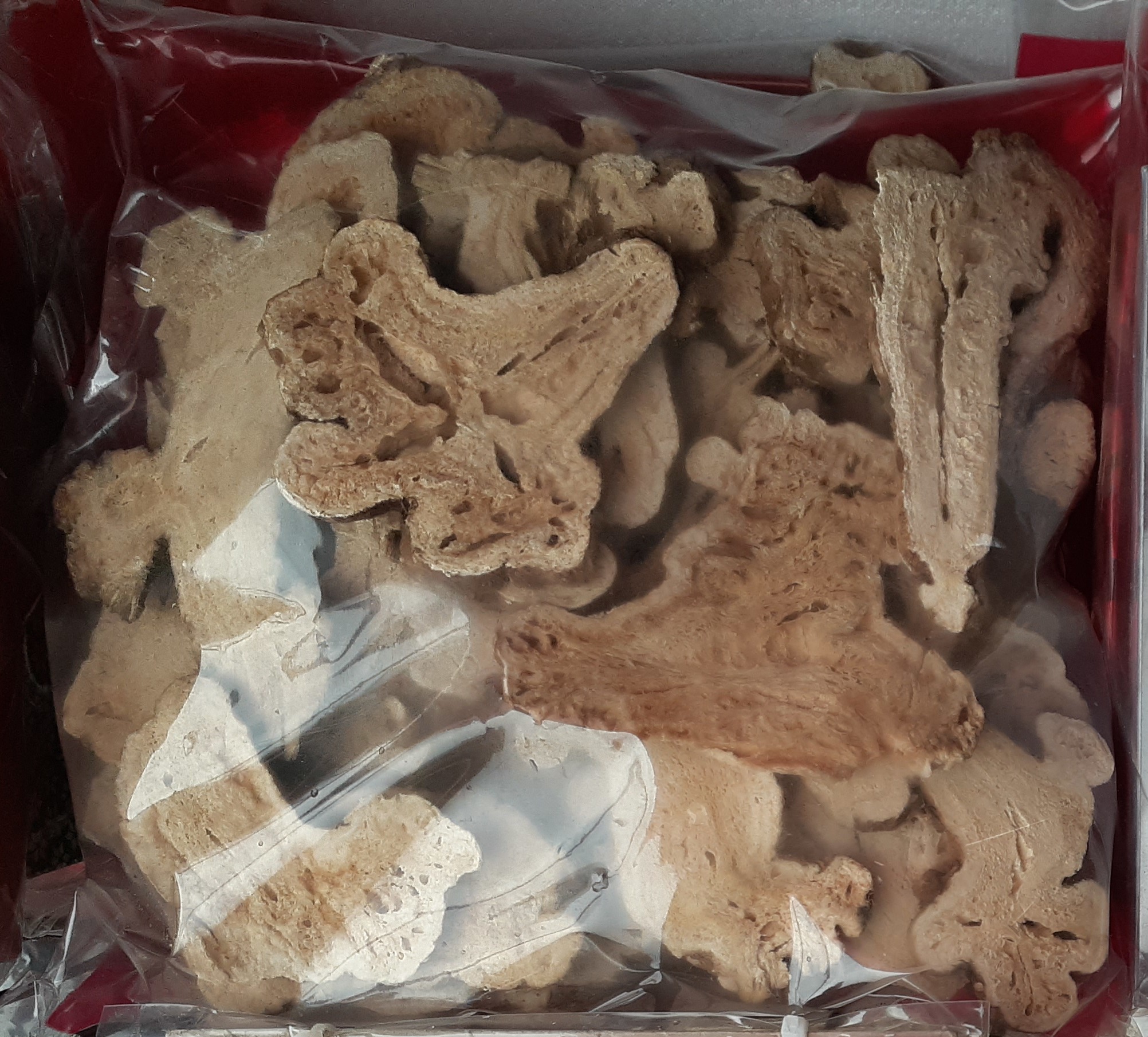 Bai ZhuAtractylodes macrocephala
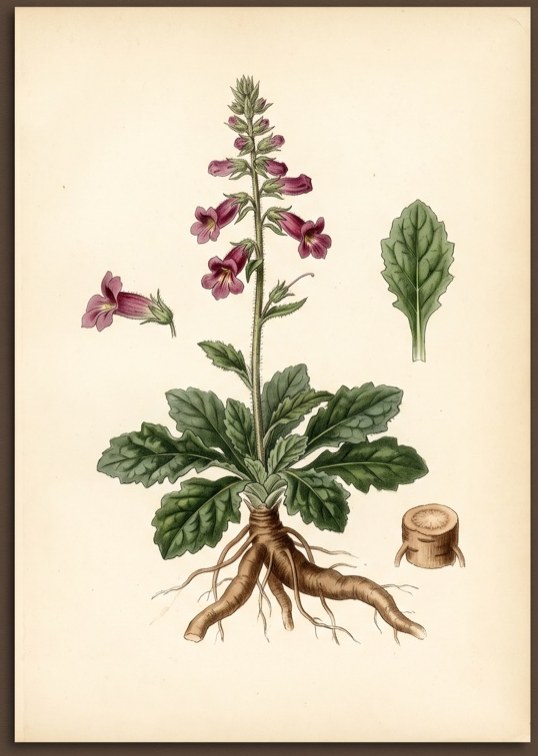 RehmanniaRehmannia glutinosa
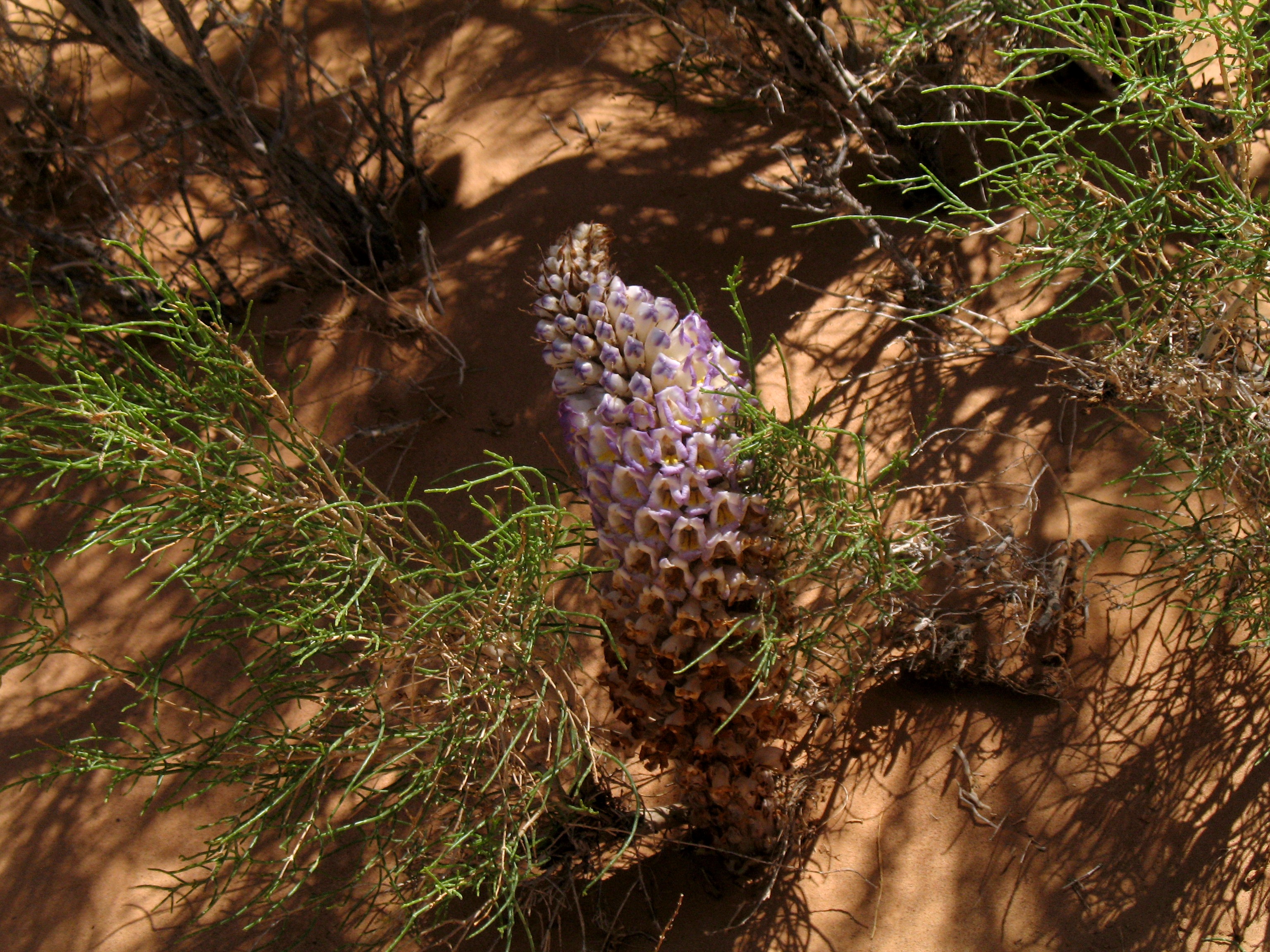 Desert GinsengCistanche deserticola
Nearby on the shelf
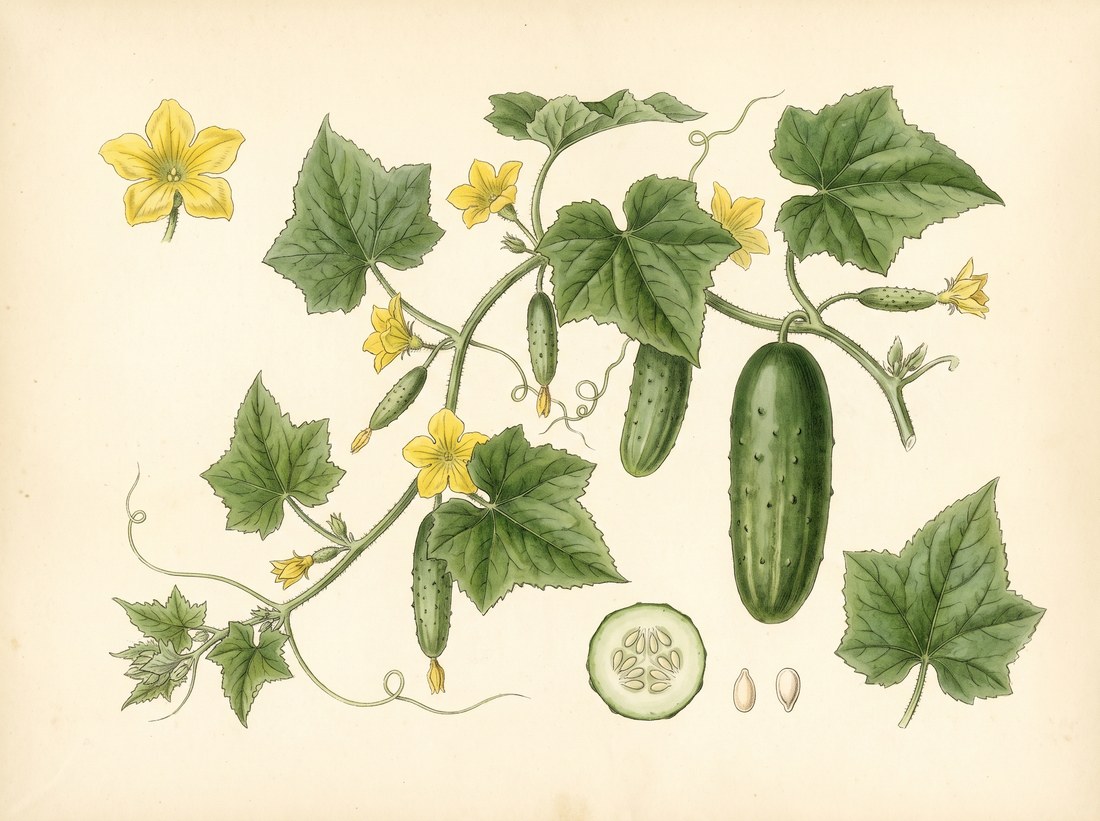 CucumberCucumis sativus
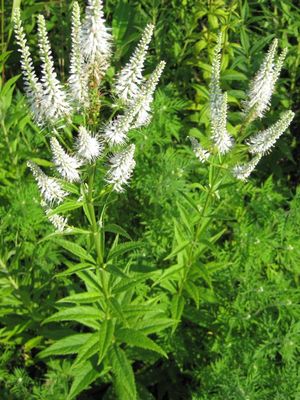 Culver's rootVeronicastrum virginicum
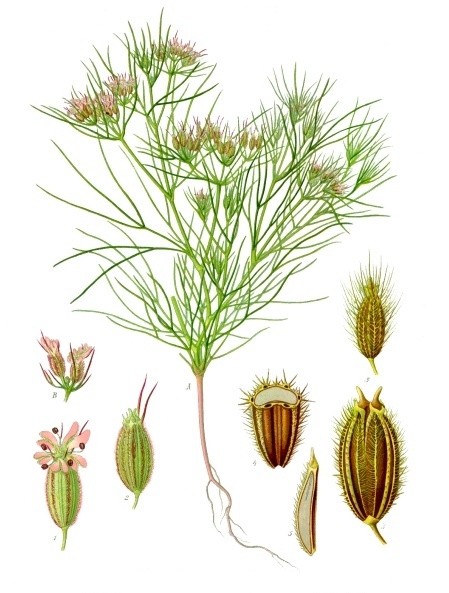 CuminCuminum cyminum
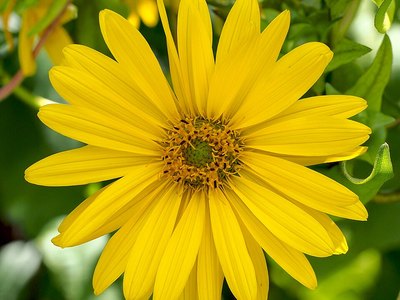 Cup plantSilphium perfoliatum
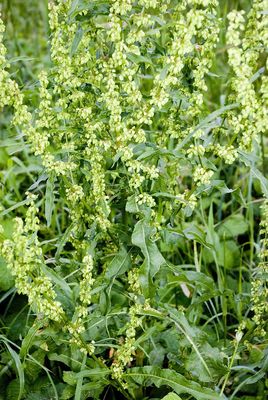 Curly dockRumex crispus
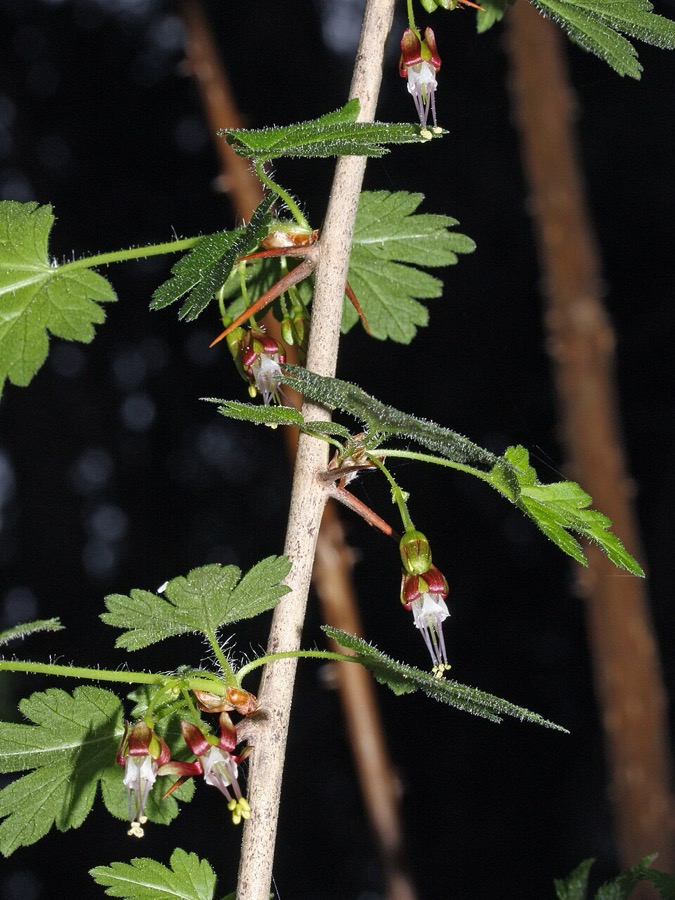 CurrantRibes
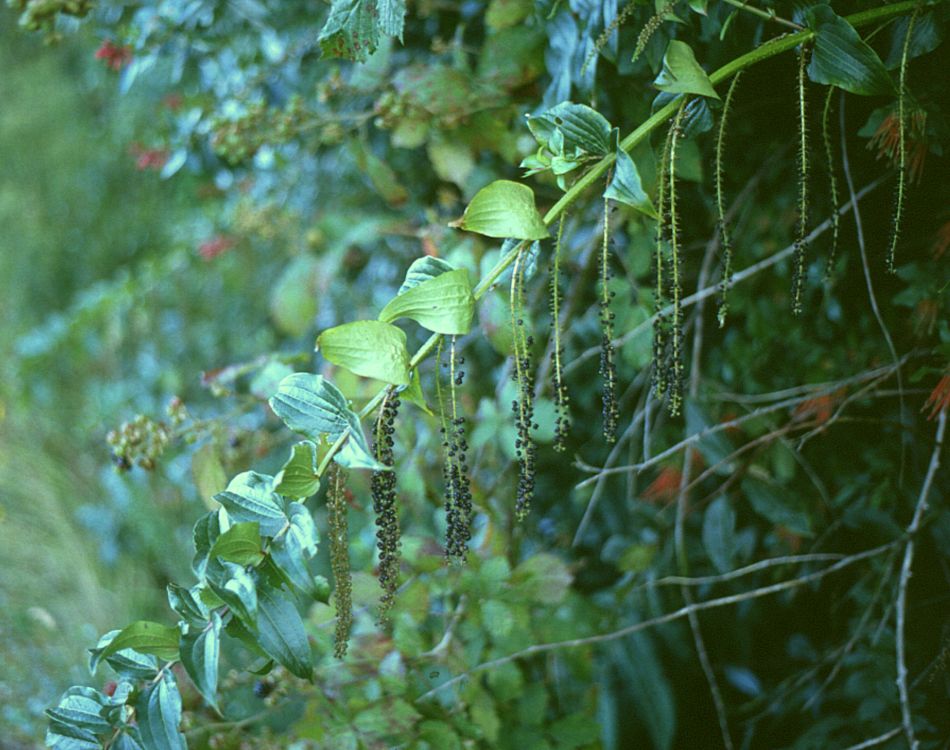 Currier's SumachCoriaria
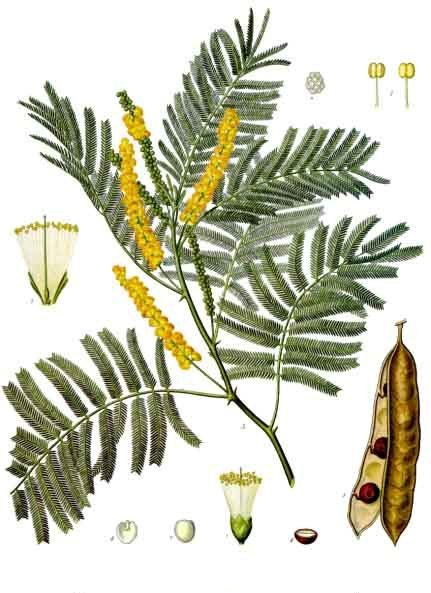 Cutch treeAcacia catechu
The whole plate is in the library. The compass, Compare, the Sky of eleven hundred plants and the formulary open with an email address and a password, free, with the formula builder and its safety engine. Herbert without limit, his formulating, clients, the handouts and the labels are the paid room.
Open the library, free