Ayurvedic Herbalism
Cucumber
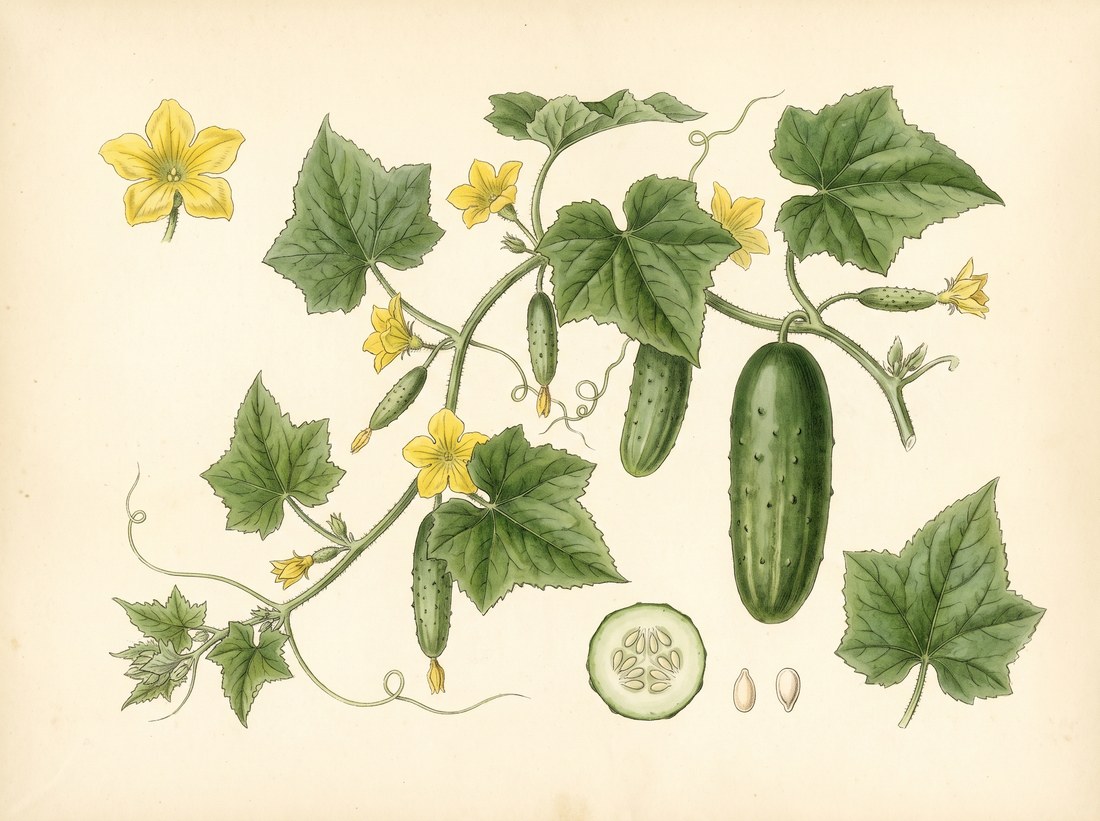
Cucumis sativus
Also known as garden cucumber, gherkin (small pickling types), kheera, Karkati, Trapusa, Sudhavasa.
Cucumis sativus, the cucumber, is an annual trailing vine of the gourd family grown across India in the hot months and eaten as a raw salad fruit in every region, from the smooth green kheera to the long ridged kakdi of the north. Ayurveda calls it Karkati or Trapusa and prizes it as a sweet, cold, moist diuretic that quenches thirst, cools pitta, soothes burning urine and restores the exhausted, while warning that the fully ripe yellow fruit is sour, heavy and provoking. The seeds are a separate medicine, a cooling nourishing tonic for the urinary and reproductive tissues.

Ask Herbert about Cucumber. Herbert is the master herbalist inside Bountiful Herbs: he answers from this plate and eleven hundred others, with dosing, pairing and cautions. Your first ten questions are free.
Ask HerbertActions
Indications what the tradition reached for it in
- Burning, scanty or painful urination
- Urinary gravel and small stones (seed)
- Summer heat, thirst and heat exhaustion
- Fever with burning and thirst (as a food)
- Acid reflux and gastric burning (fruit juice)
- Nosebleed and other minor bleeding from heat (traditional)
- Knee osteoarthritis pain (standardized fruit extract)
- Tired, puffy or sunburned eyes and skin (topical)
- Debility with low sexual vigor (seed, traditional)
- Intestinal worms in children (seed, traditional)
- Mild hypertension with fluid retention (dietary)
Specific indications
A hot, thirsty pitta patient in the summer months with burning urine, a dry mouth and a short temper, who does better on cucumber juice than on any tablet
Burning micturition after a mild cystitis has cleared, where a cooling diuretic seed paste in milk settles the bladder
The dehydrated, exhausted patient after fever or heat exposure who needs cooling fluid and salts in a form the stomach will accept
Middle-aged knee pain of osteoarthritis in someone who cannot tolerate NSAIDs and wants a food-derived option
Safety
The record lists 8 contraindications; open the plate in the library to read them in full.
In practice
The Ayurvedic practitioner reaches for Karkati when heat, dryness and burning dominate: the summer pitta picture of thirst, burning urine, red eyes, a hot skin and a tired body. The young fruit is eaten with salt and cumin, or juiced with mint, and given freely in pittajvara and after heat exposure.
In Ayurveda
Rasa: madhura (sweet), with a slight kashaya (astringent) note; the ripe fruit turns amla (sour). Virya: sheeta (cooling). Vipaka: madhura (sweet). Guna: guru (heavy), snigdha (unctuous) in the young fruit; the ripe fruit is ruksha and vidahi. Dosha: pacifies pitta and, by its moisture, vata; increases kapha; the fully ripe yellow fruit aggravates pitta and kapha. Karma: mutrala (diuretic); dahaprashamana (relieves burning); trishnanigrahana (relieves thirst); pittahara (pacifies pitta); raktapittahara (checks bleeding disorders); klamahara (relieves exhaustion); ruchya (improves taste); ashmarighna (breaks urinary stones, seed); brimhana (nourishing, seed); vrishya (aphrodisiac, seed). Classical indications: mutrakrichhra (painful urination); ashmari (urinary stones); daha (burning sensations); trishna (thirst); raktapitta (bleeding disorders); pittajvara (fever with heat); klama (exhaustion without exertion); murchha (fainting from heat); netradaha (burning eyes, topical); tvak vikara (skin heat and rashes, topical); shukrakshaya (depleted reproductive tissue, seed). The young fruit is eaten raw or as juice as a cooling food-medicine; the seeds are decorticated and ground into a paste or milk for urinary disorders and as a nourishing tonic; the pulp and leaf are applied to the eyes, forehead and skin for heat, and the seed oil is used in regional cosmetic preparations. Classical formulations: Karkati beeja kalka (seed paste with milk), Trapusa beeja churna (seed powder), Trapusadi yoga (seed-based diuretic combinations), Karkati svarasa (fruit juice), Chaturbeeja type seed combinations with pumpkin, melon and watermelon seeds (regional and Unani). Described in: Charaka Samhita, Sushruta Samhita, Ashtanga Hridaya, Bhavaprakasha Nighantu, Dhanvantari Nighantu, Raja Nighantu, Kaiyadeva Nighantu.
Dosing as the sources wrote it
| Preparation | As written | Metric |
|---|---|---|
| Svarasa (fruit juice) | 100-200 mL fresh fruit juice once or twice daily in the heat of the day | 100-200 mL |
| Beeja kalka (seed paste) | 3-6 g decorticated seed paste twice daily with milk or water | 3000-6000 mg |
| Beeja churna (seed) | 3-6 g seed powder twice daily with warm water | 3000-6000 mg |
| Standardized extract | 10-100 mg standardized fruit extract daily for joint pain | 10-100 mg |
| Topical | 20-40 g fruit pulp or thin slices applied to the eyes, forehead or skin for 15-20 minutes | 20000-40000 mg |
Doses are reproduced from the sources for practitioners and are not a recommendation for any person.
From the sources
Overview. Cucumis sativus, the cucumber, is an annual trailing vine of the gourd family grown across India in the hot months and eaten as a raw salad fruit in every region, from the smooth green kheera to the long ridged kakdi of the north. Ayurveda calls it Karkati or Trapusa and prizes it as a sweet, cold, moist diuretic that quenches thirst, cools pitta, soothes burning urine and restores the exhausted, while warning that the fully ripe yellow fruit is sour, heavy and provoking. The seeds are a separate medicine, a cooling nourishing tonic for the urinary and reproductive tissues.
Clinical Notes. The Ayurvedic practitioner reaches for Karkati when heat, dryness and burning dominate: the summer pitta picture of thirst, burning urine, red eyes, a hot skin and a tired body. The young fruit is eaten with salt and cumin, or juiced with mint, and given freely in pittajvara and after heat exposure.
Ayurvedic Profile. Rasa: madhura (sweet), with a slight kashaya (astringent) note; the ripe fruit turns amla (sour). Virya: sheeta (cooling). Vipaka: madhura (sweet). Guna: guru (heavy), snigdha (unctuous) in the young fruit; the ripe fruit is ruksha and vidahi.
In formulas
Cucumber stands in 1 documented formula in the library, among them Dādhika Ghṛta.
Often paired with
 greater galangalAlpinia galanga
 sweet flagAcorus calamus
 vasakaAdhatoda vasica
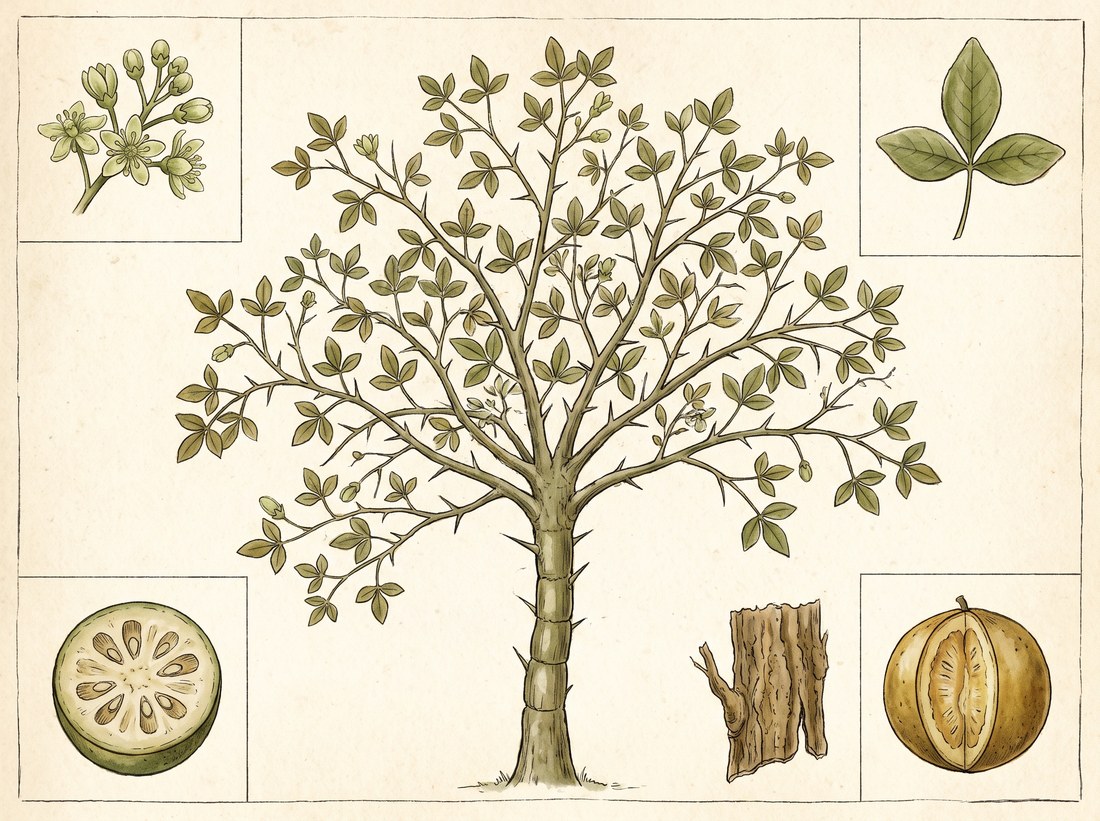 baelAegle marmelos
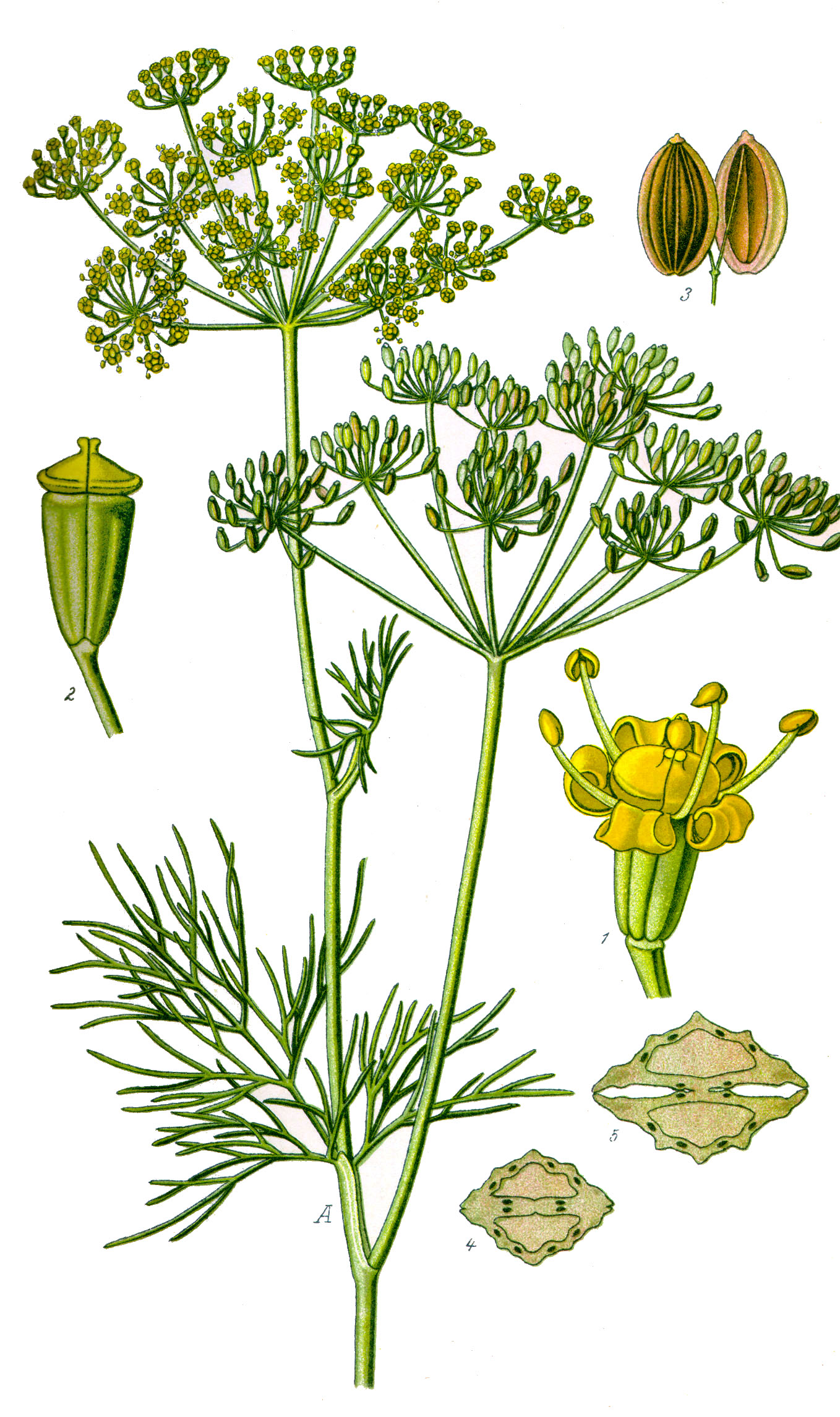 dillAnethum graveolens
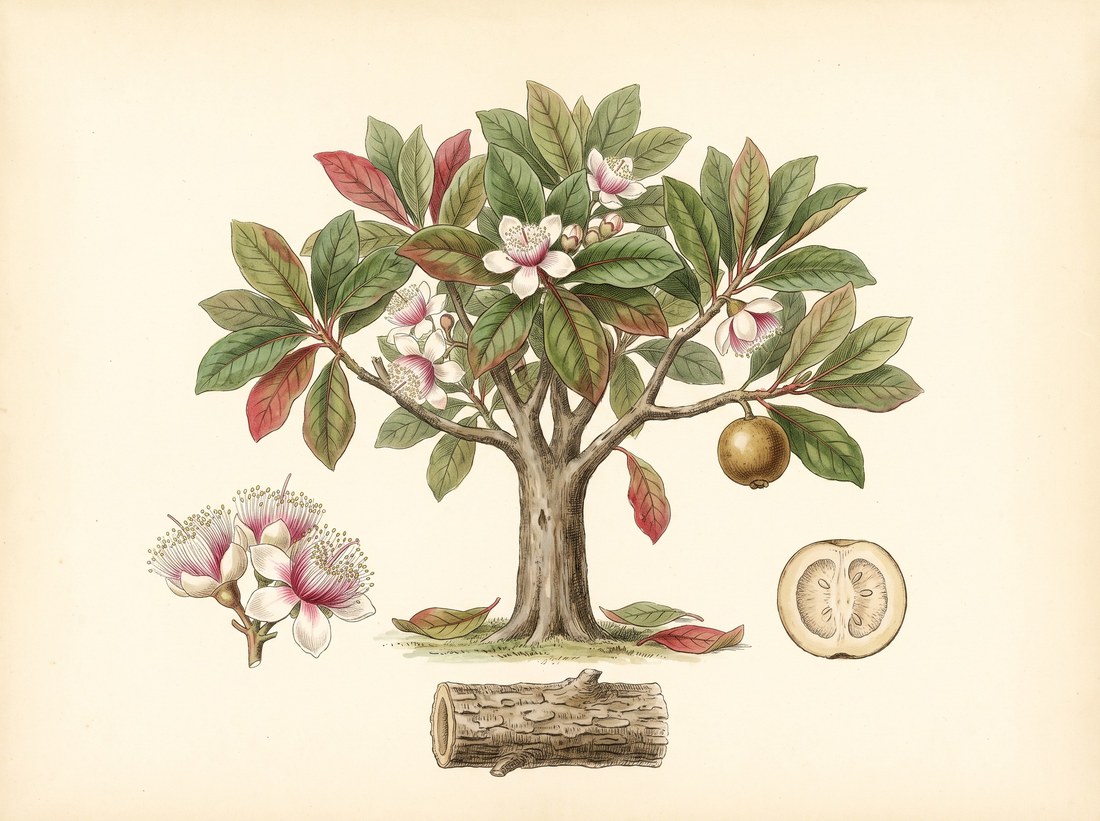 wild guavaCareya arborea
Nearby on the shelf
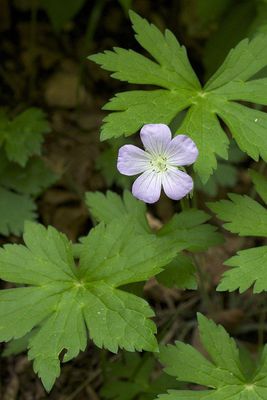 CranesbillGeranium maculatum
 Crown flowerCalotropis gigantea
 CryptolepisCryptolepis sanguinolenta
 CubebPiper cubeba
 Culver's rootVeronicastrum virginicum
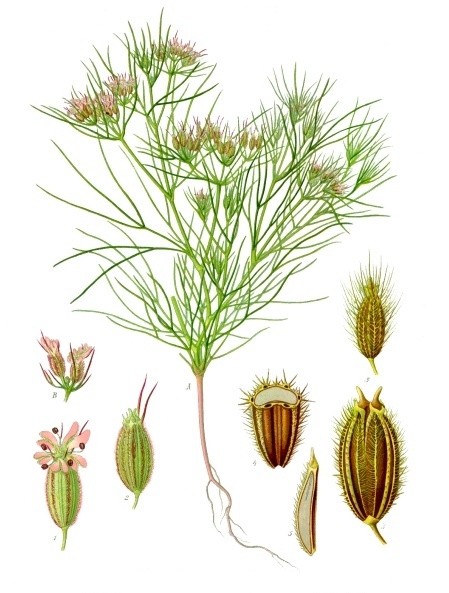 CuminCuminum cyminum
 Cup plantSilphium perfoliatum
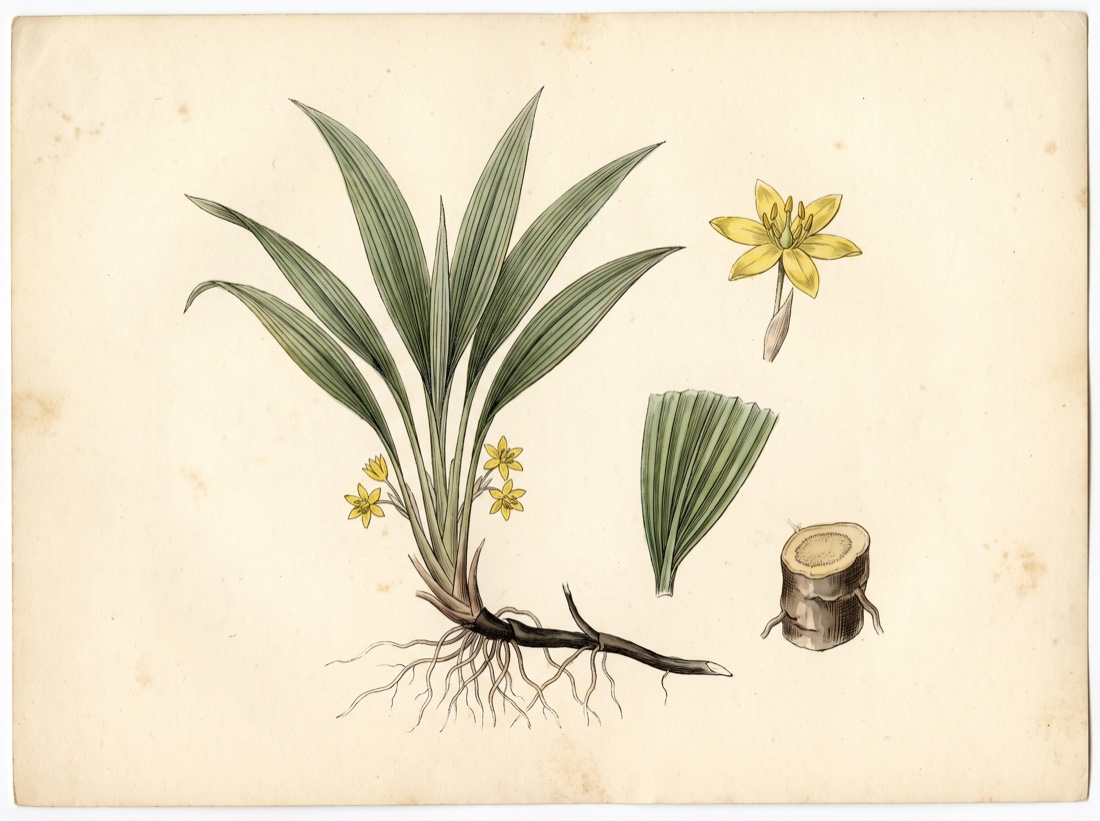 CurculigoCurculigo orchioides
The whole plate is in the library. The compass, Compare, the Sky of eleven hundred plants and the formulary open with an email address and a password, free, with the formula builder and its safety engine. Herbert without limit, his formulating, clients, the handouts and the labels are the paid room.
Open the library, free