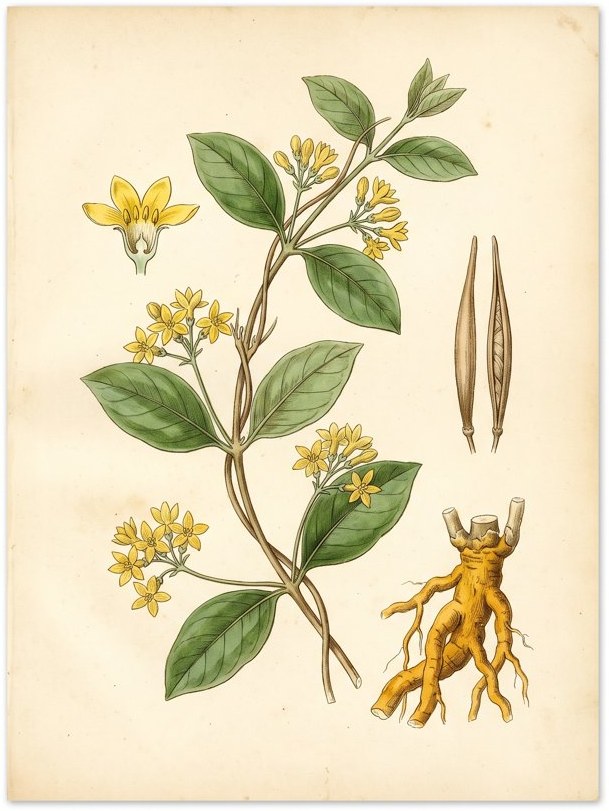
Western Herbalism
Cryptolepis
Cryptolepis sanguinolenta
Also known as Ghana Quinine, Nibima, Yellow-dye Root.
Cryptolepis acts primarily as: Antimalarial, Antibacterial, Antiprotozoal, Antifungal, Anti-inflammatory, Antihyperglycemic, Antithrombotic, Cytotoxic (cryptolepine). Secondary actions include Clear heat and toxin, Antimicrobial, Antiparasitic, Cool and move the blood, Drain damp-heat.

Ask Herbert about Cryptolepis. Herbert is the master herbalist inside Bountiful Herbs: he answers from this plate and eleven hundred others, with dosing, pairing and cautions. Your first ten questions are free.
Ask HerbertActions
Indications what the tradition reached for it in
- Malaria (traditional West African antimalarial)
- Babesia and intracellular tick-borne coinfections (modern Lyme-protocol use)
- Bacterial infections including resistant Staphylococcus
- Urinary and upper respiratory infections
- Amoebiasis and protozoal infection
- Fevers
- Hyperglycemia
- Inflammatory and febrile conditions
Safety
Breastfeeding: Pregnancy and lactation (cryptolepine is cytotoxic and intercalates DNA - avoid)
The record lists 5 contraindications; open the plate in the library to read them in full.
Dosing as the sources wrote it
| Preparation | As written | Metric |
|---|---|---|
| Dried root decoction/tea | Dried root decoction/tea: 1-3 g/day | 1000-3000 mg |
| Tincture (1:5, 40-50%) | Tincture (1:5, 40-50%): 2-5 ml two to three times daily | 2-5 mL |
| Commonly used in 1-2 month courses in tick-borne protocols under supervision |
Doses are reproduced from the sources for practitioners and are not a recommendation for any person.
From the sources
primary-actions. Cryptolepis acts primarily as: Antimalarial, Antibacterial, Antiprotozoal, Antifungal, Anti-inflammatory, Antihyperglycemic, Antithrombotic, Cytotoxic (cryptolepine). Secondary actions include Clear heat and toxin, Antimicrobial, Antiparasitic, Cool and move the blood, Drain damp-heat.
indications. Cryptolepis is traditionally indicated for: Malaria (traditional West African antimalarial), Babesia and intracellular tick-borne coinfections (modern Lyme-protocol use), Bacterial infections including resistant Staphylococcus, Urinary and upper respiratory infections, Amoebiasis and protozoal infection, Fevers, Hyperglycemia, Inflammatory and febrile conditions.
dose-reference. Reference preparation/dosing for Cryptolepis: Dried root decoction/tea: 1-3 g/day; Tincture (1:5, 40-50%): 2-5 ml two to three times daily; Powder/capsule: per product; Commonly used in 1-2 month courses in tick-borne protocols under supervision
safety-cautions. Cryptolepis - Contraindications: Pregnancy and lactation (cryptolepine is cytotoxic and intercalates DNA - avoid), Use cautiously with anticoagulants (antithrombotic effect), Long-term high-dose use not well characterized, Theoretical additive hypoglycemia | Side effects: Generally well tolerated short-term as a tea or tincture, GI upset, Theoretical genotoxicity of isolated cryptolepine at high concentration, Possible additive bleeding or hypoglycemia | Safety flags: not considered safe in pregnancy; not considered safe during lactation.
Nearby on the shelf
 Cramp barkViburnum opulus
 CranberryVaccinium oxycoccus
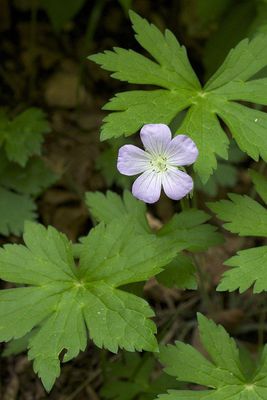 CranesbillGeranium maculatum
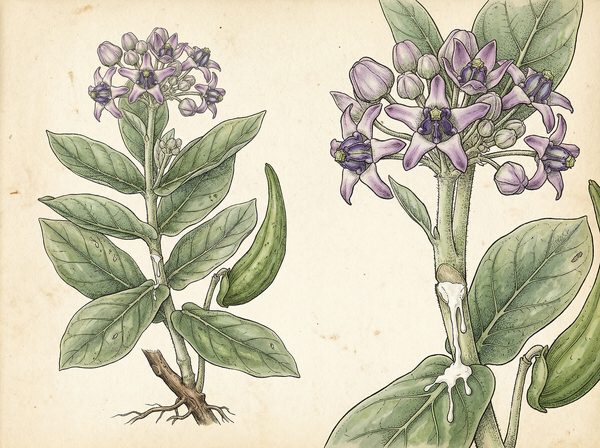 Crown flowerCalotropis gigantea
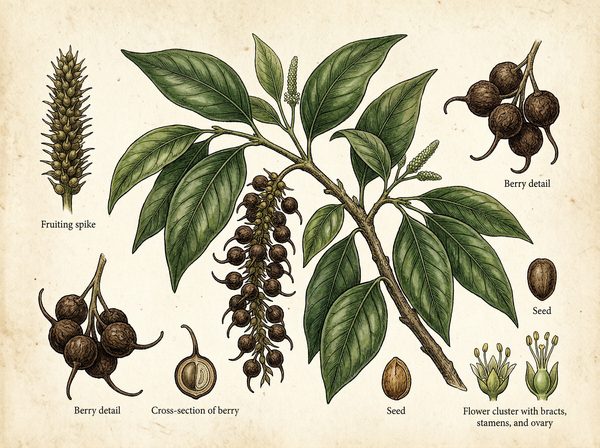 CubebPiper cubeba
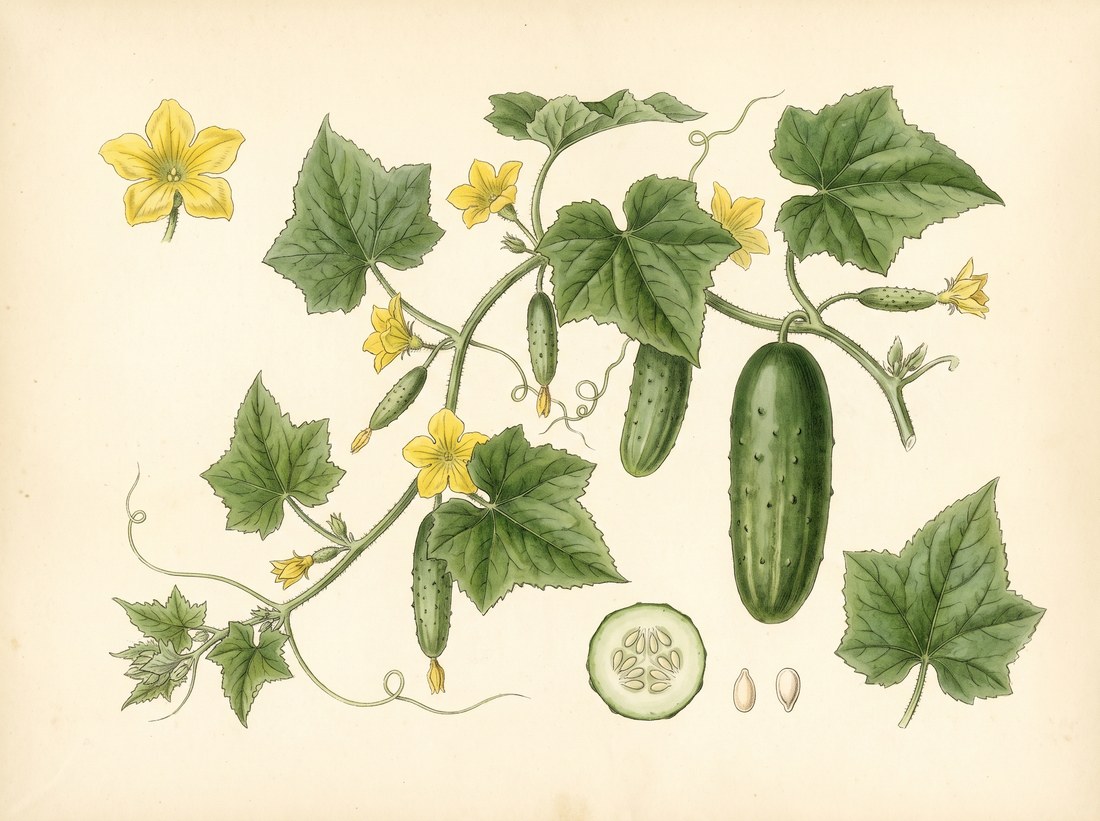 CucumberCucumis sativus
 Culver's rootVeronicastrum virginicum
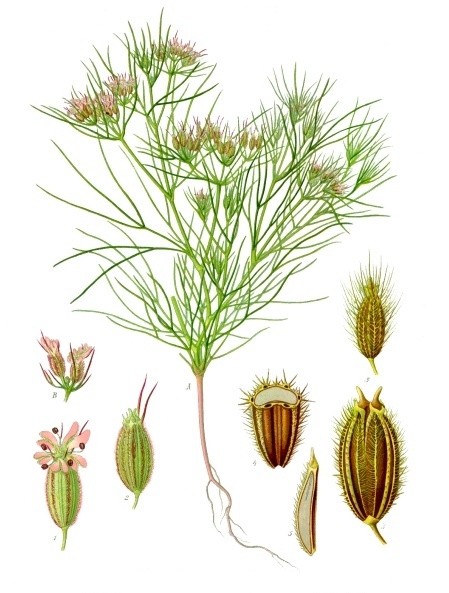 CuminCuminum cyminum
The whole plate is in the library. The compass, Compare, the Sky of eleven hundred plants and the formulary open with an email address and a password, free, with the formula builder and its safety engine. Herbert without limit, his formulating, clients, the handouts and the labels are the paid room.
Open the library, free