Ayurvedic Herbalism
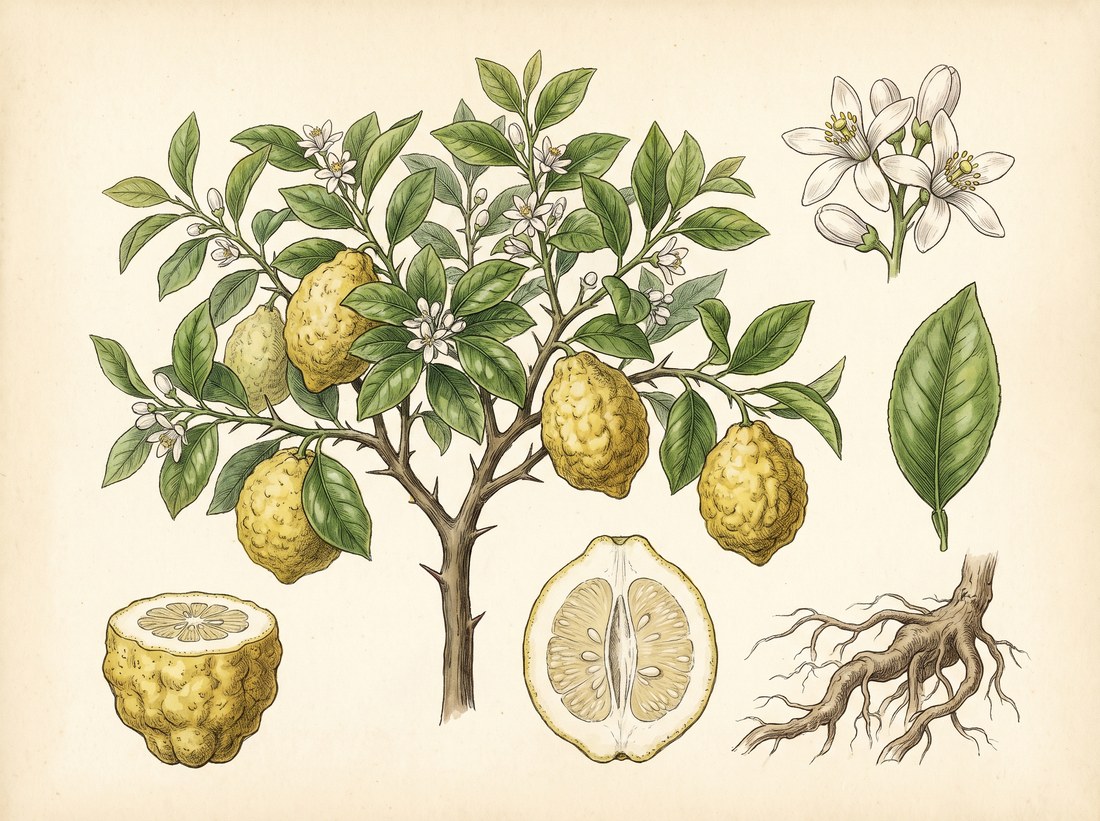
Citron
Citrus medica
Also known as citron fruit, Buddha's hand (fingered variety), cedrat, Matulunga, Bijapura, Bijapuraka.
Citrus medica is a small thorny evergreen tree of the citrus family, one of the original wild citrus species and the ancestor of the lemon, native to the foothills of northeast India and cultivated for millennia across India, the Mediterranean and China for its large, knobbly, thick-rinded, intensely fragrant fruit. Ayurveda calls it Matulunga or Bijapura and uses the sour pulp, the aromatic rind and the root as a digestive, antiemetic and carminative, a first remedy for nausea, hiccup and loss of appetite. It appears in the Charaka Samhita among the fruits that kindle digestion and settle vata, and its fingered variety is the Buddha's hand citron of East Asian temples.

Ask Herbert about Citron. Herbert is the master herbalist inside Bountiful Herbs: he answers from this plate and eleven hundred others, with dosing, pairing and cautions. Your first ten questions are free.
Ask HerbertActions
Indications what the tradition reached for it in
- Poor appetite and weak digestion with bloating
- Nausea and vomiting including morning sickness (juice with honey)
- Persistent hiccup
- Colic and abdominal cramping with gas
- Hangover and nausea after alcohol
- Sore throat and hoarseness
- Cough with sticky mucus (rind)
- Motion sickness
- Dyspepsia in the elderly with low stomach acid
- Scurvy and vitamin C deficiency (historical)
- Intestinal worms (seed, traditional)
Specific indications
A vata patient with no appetite, a bad taste in the mouth, gas and gurgling after meals and a tendency to nausea, who brightens with something sour and aromatic
Nausea of early pregnancy or of travel that responds to a sip of sour juice with a pinch of salt and honey
Hiccup that will not stop after a meal or in a febrile patient, where the root decoction or juice is the classical remedy
The heavy, hung-over morning with nausea, headache and a coated tongue
Safety
The record lists 6 contraindications; open the plate in the library to read them in full.
In practice
The Ayurvedic physician turns to Matulunga for the disturbed stomach. The juice of the pulp with honey and rock salt is given for aruchi, chardi and hikka; the same juice is the anupana for many powders in vata disorders because it kindles agni without heating too much.
In Ayurveda
Rasa: pulp amla (sour), madhura (sweet); rind katu (pungent), tikta (bitter). Virya: ushna (heating). Vipaka: amla (sour) for the pulp; katu (pungent) for the rind. Guna: laghu (light), snigdha (unctuous) for the pulp; laghu and ruksha for the rind. Dosha: pacifies vata and kapha; the sour pulp increases pitta in excess, the rind less so. Karma: deepana (kindles digestion); pachana (digestive); rochana (improves taste); hridya (cardiotonic, pleasing to the heart); kanthya (benefits throat and voice); shulahara (relieves colic); chardinigrahana (relieves vomiting); hikkanigrahana (relieves hiccup); shvasahara (relieves dyspnea); anulomana (regulates downward movement of vata); krimighna (anthelmintic, seed); vatanulomana (settles vata). Classical indications: agnimandya (weak digestion); aruchi (loss of taste); chardi (vomiting); hikka (hiccup); shvasa (dyspnea); kasa (cough); shula (colic); gulma (abdominal masses, bloating); arsha (hemorrhoids); kantharoga (throat disease); trishna (thirst); hridroga (heart disease); mada (intoxication, hangover); krimi (parasites). The whole fruit is used in parts: the sour pulp and juice with honey, rock salt or sugar as a digestive and antiemetic drink; the thick aromatic rind dried and powdered or candied as a carminative; the root decocted for hiccup, vomiting and worms; the leaves for headache and as a fragrant wash. The juice is a common anupana and the fruit is made into pickles and the sour drink called shadava. Classical formulations: Matulunga swarasa with honey and saindhava, Matulungadi kwatha, Bijapuradi churna, Matulunga mula kwatha, Shadava (classical sour beverage), Matulunga rasayana (regional). Described in: Charaka Samhita, Sushruta Samhita, Ashtanga Hridaya, Bhavaprakasha Nighantu, Dhanvantari Nighantu, Raja Nighantu, Kaiyadeva Nighantu, Madanapala Nighantu, Ayurvedic Pharmacopoeia of India.
Dosing as the sources wrote it
| Preparation | As written | Metric |
|---|---|---|
| Swarasa | 10-20 mL fruit juice with honey and a pinch of rock salt once or twice daily | 10-20 mL |
| Churna (rind) | 1-3 g powdered rind twice daily with warm water | 1000-3000 mg |
| Kwatha (root) | 30-60 mL root decoction twice daily | 30-60 mL |
| Phanta (rind infusion) | 100-150 mL infusion of 2-3 g dried rind twice daily | 100-150 mL |
Doses are reproduced from the sources for practitioners and are not a recommendation for any person.
From the sources
Overview. Citrus medica is a small thorny evergreen tree of the citrus family, one of the original wild citrus species and the ancestor of the lemon, native to the foothills of northeast India and cultivated for millennia across India, the Mediterranean and China for its large, knobbly, thick-rinded, intensely fragrant fruit. Ayurveda calls it Matulunga or Bijapura and uses the sour pulp, the aromatic rind and the root as a digestive, antiemetic and carminative, a first remedy for nausea, hiccup and loss of appetite. It appears in the Charaka Samhita among the fruits that kindle digestion and settle vata, and its fingered variety is the Buddha's hand citron of East Asian temples.
Ayurvedic Profile. Rasa: pulp amla (sour), madhura (sweet); rind katu (pungent), tikta (bitter). Virya: ushna (heating). Vipaka: amla (sour) for the pulp; katu (pungent) for the rind. Guna: laghu (light), snigdha (unctuous) for the pulp; laghu and ruksha for the rind.
In formulas
Citron stands in 5 documented formulas in the library, among them Dādhika Ghṛta, Citrakādi Cūrṇa, Hingvādi Cūrṇa, Kāṅkāyana Guṭikā, Kṣāra Taila.
Often paired with
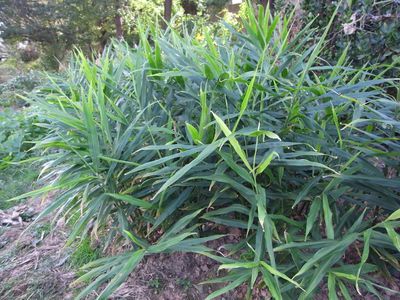 GingerZingiber officinale
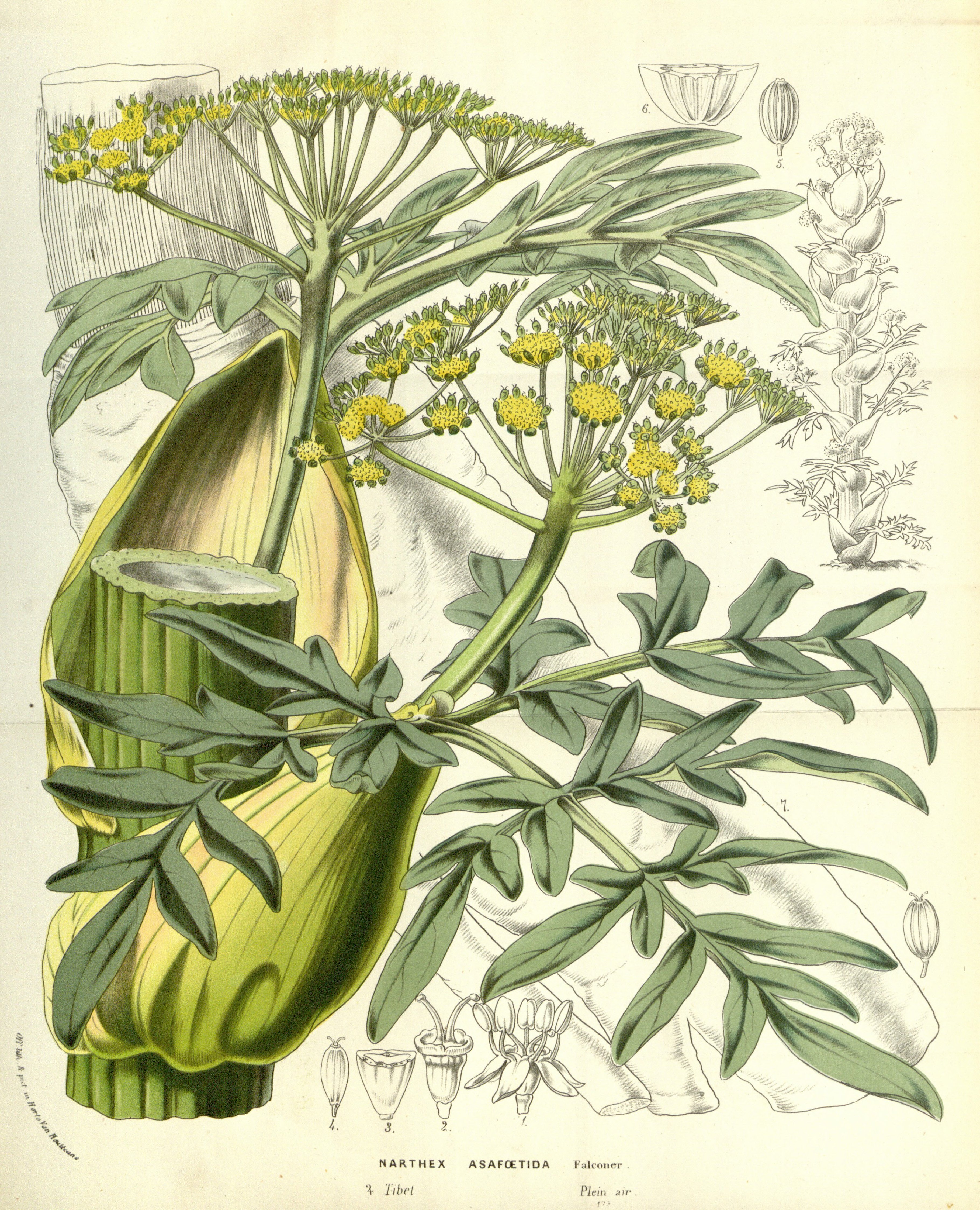 asafoetidaFerula asafoetida
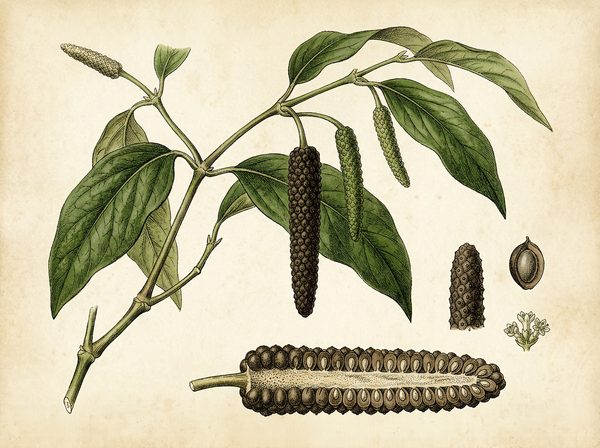 long pepperPiper longum
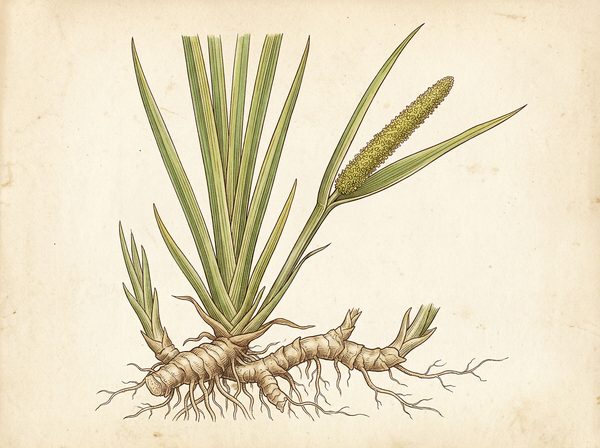 sweet flagAcorus calamus
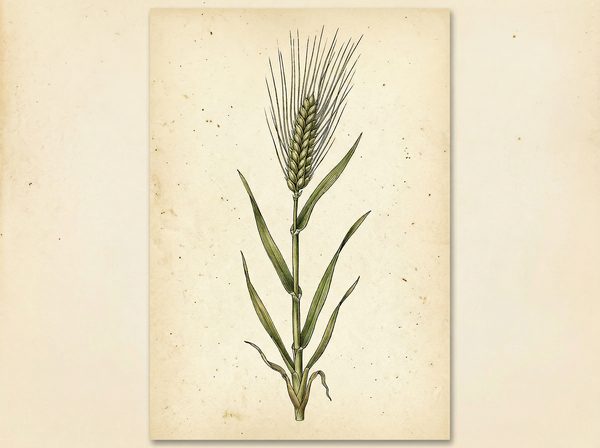 barleyHordeum vulgare
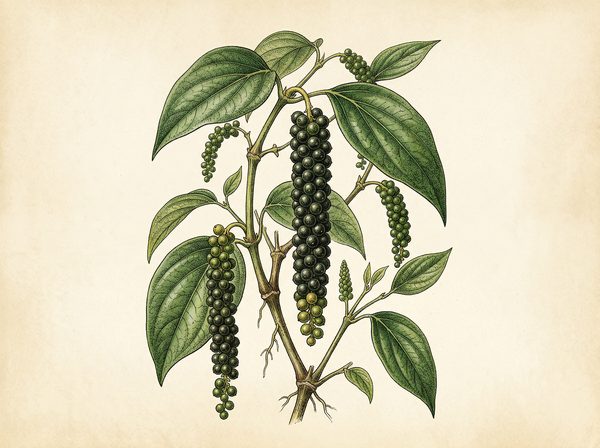 black pepperPiper nigrum
Nearby on the shelf
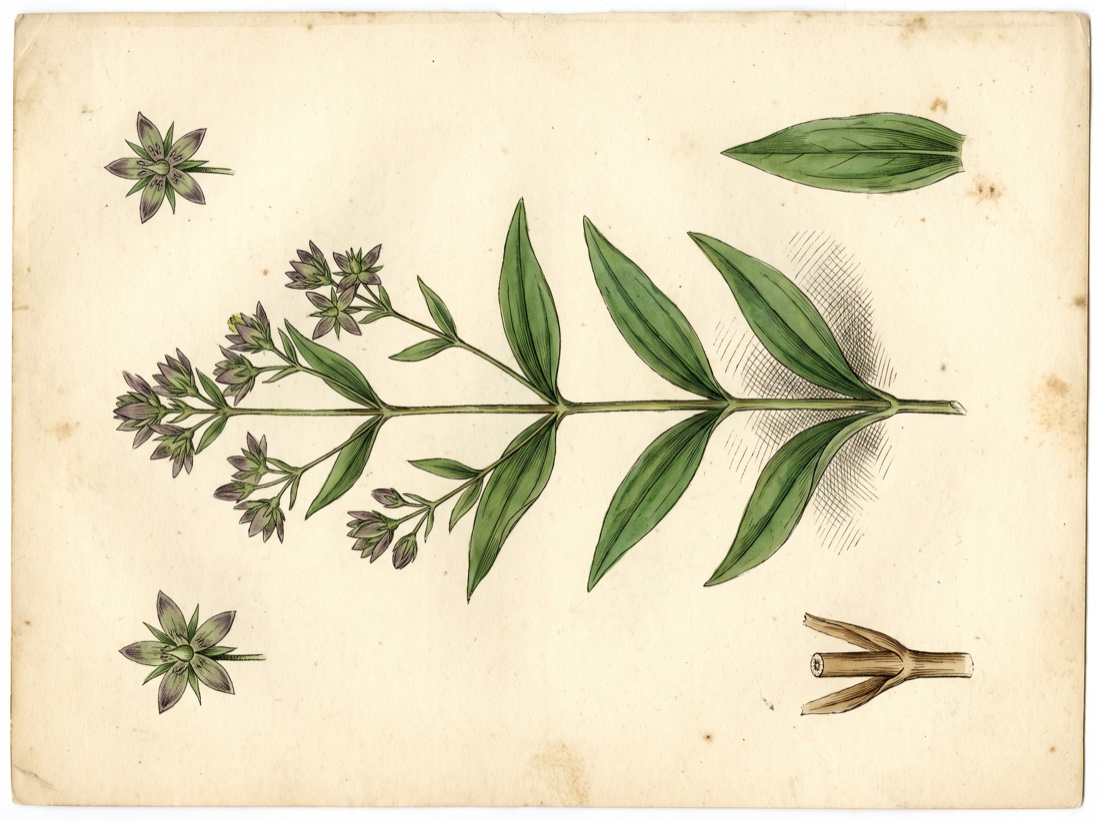 ChirettaOphelia chirata
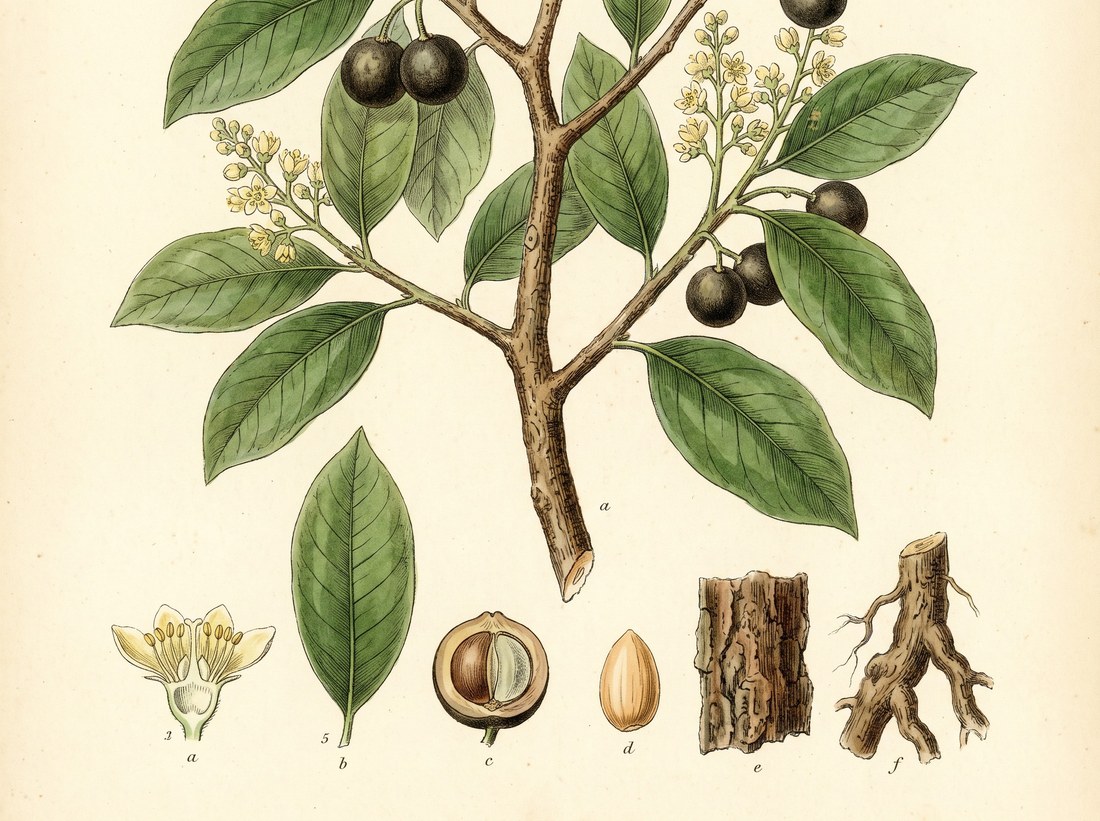 ChironjiBuchanania lanzan
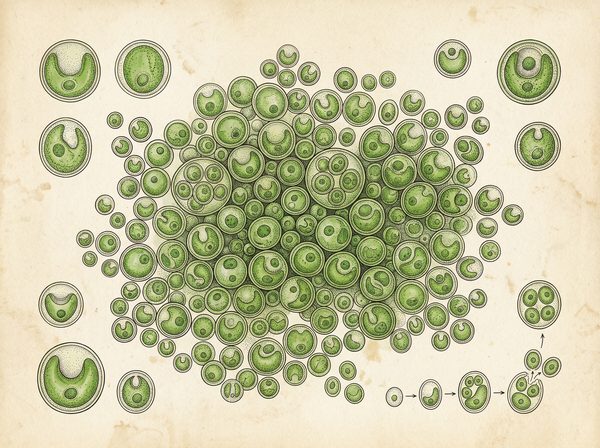 ChlorellaChlorella vulgaris
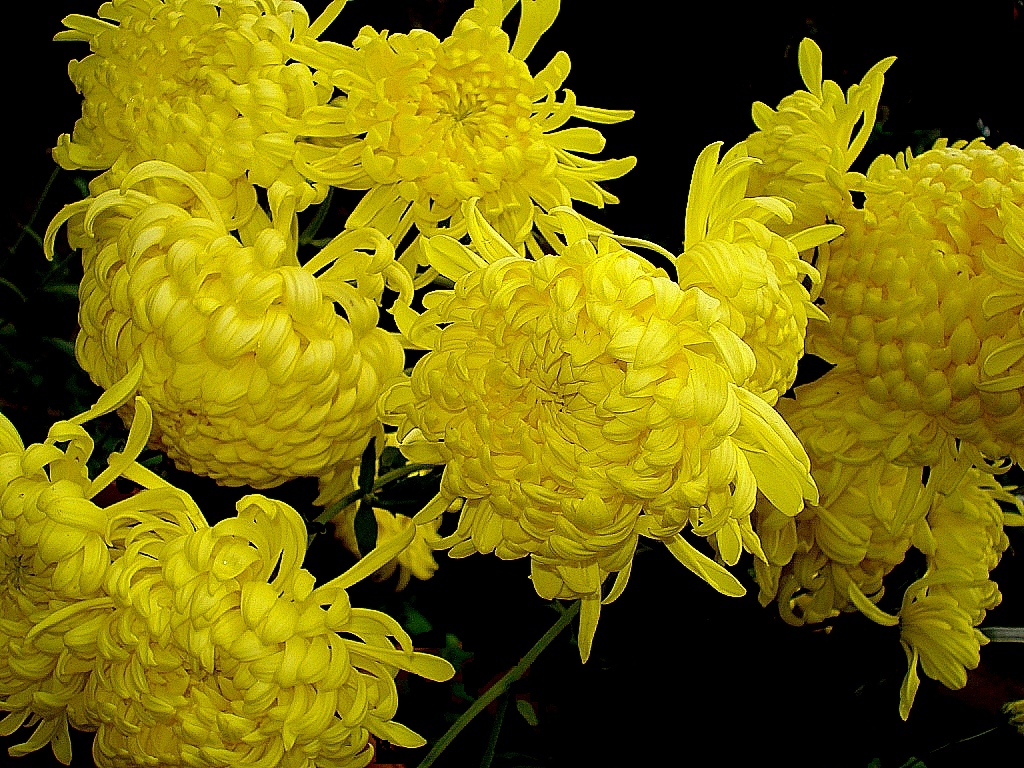 ChrysanthemumChrysanthemum × morifolium
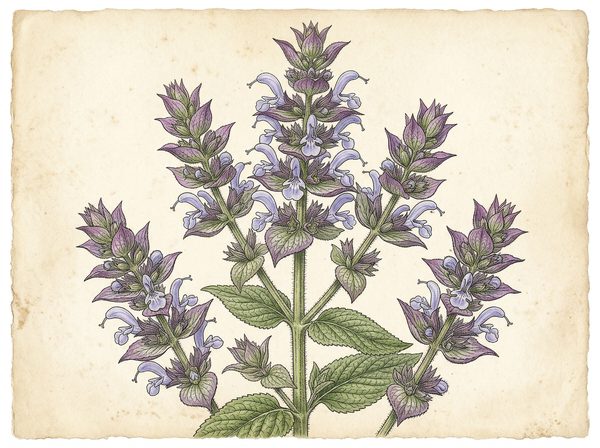 Clary SageSalvia sclarea
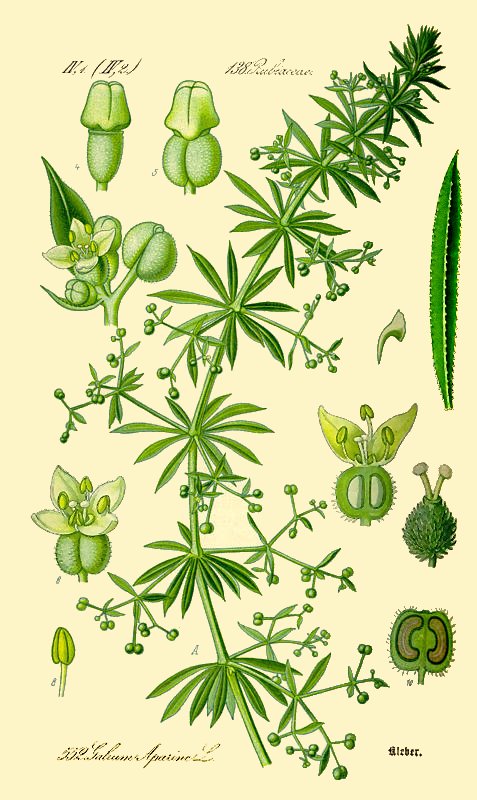 CleaversGalium aparine
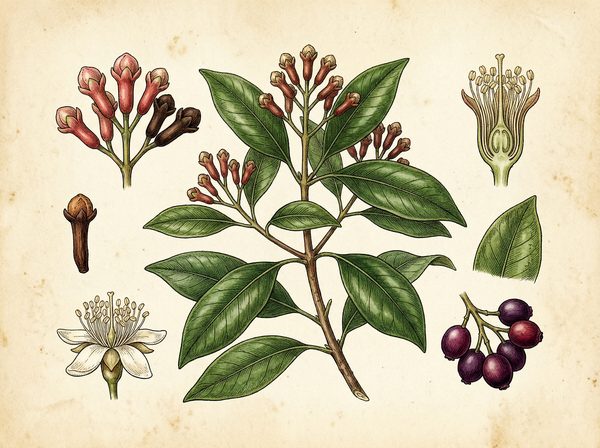 CloveSyzygium aromaticum
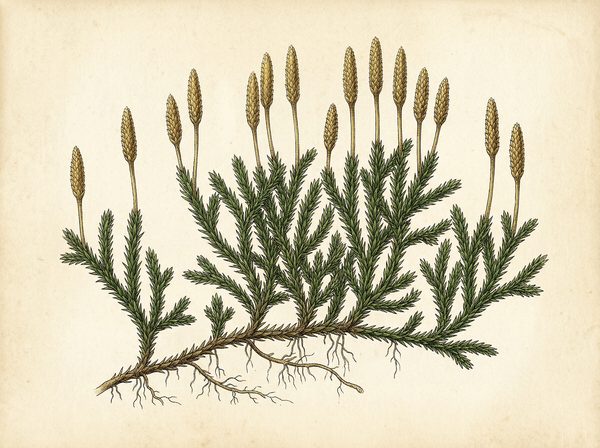 Club MossLycopodium clavatum
The whole plate is in the library. The compass, Compare, the Sky of eleven hundred plants and the formulary open with an email address and a password, free, with the formula builder and its safety engine. Herbert without limit, his formulating, clients, the handouts and the labels are the paid room.
Open the library, free