Western Herbalism
Cup plant
Silphium perfoliatum
Also known as Indian cup plant, Ragged cup, Carpenter's weed.
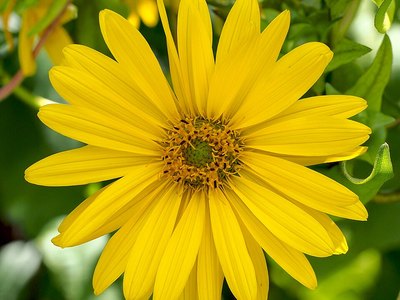
Cup plant is a tall, coarse perennial of the North American tallgrass prairie, easily recognized by its opposite leaves fused at the base to form a water-holding cup around the square stem. The root was the part used by nineteenth century Eclectic and physiomedicalist practitioners, who regarded it as a lesser relative of compass plant (Silphium laciniatum), employed for similar but milder purposes. It never achieved wide use and dropped out of practice well before the modern era, so clinical experience with it is thin compared to its better documented congener.

Ask Herbert about Cup plant. Herbert is the master herbalist inside Bountiful Herbs: he answers from this plate and eleven hundred others, with dosing, pairing and cautions. Your first ten questions are free.
Ask HerbertActions
Indications what the tradition reached for it in
- Intermittent fever (ague)
- General debility with poor recovery
- Profuse night sweats
- Dyspepsia with sluggish digestion
- Low backache with a bruised, sore feeling
- Chronic liver congestion
- Internal bruising or soft tissue injury
- Enlarged spleen (historical use)
Specific indications
Low back soreness described as bruised, worse with exertion, in a person of debilitated constitution
Profuse, exhausting perspiration with underlying weakness rather than acute fever heat
Safety
Pregnancy: Avoid in pregnancy: no modern safety data exist and historical sources give no clear guidance.
Breastfeeding: Avoid in lactation: no safety data are available to support use.
The record lists 4 contraindications; open the plate in the library to read them in full.
In practice
Historical texts describe cup plant root as a mild tonic and diaphoretic reached for in low, remittent fevers and in states of general debility accompanied by excessive, weakening perspiration, where the aim was to support tone rather than simply to promote sweating.
Dosing as the sources wrote it
| Preparation | As written | Metric |
|---|---|---|
| Decoction | 2-4 g dried root daily | 2000-4000 mg |
| Tincture (1:5, 45%) | 1-3 mL three times daily | 1-3 mL |
| powdered root | The dose of the powdered root is 20 grains; tincture (fresh root, ℥viij to alcohol, 76 per cent, Oj), 1 to 20 drops, in water. | 1296 mg |
| A strong tincture of the fresh plant (℥viii to alcohol, 76 per cent, Oj) may be given in doses of from 1 to 10 drops. | 0.02-0.2 mL |
Doses are reproduced from the sources for practitioners and are not a recommendation for any person.
From the sources
Overview. Cup plant is a tall, coarse perennial of the North American tallgrass prairie, easily recognized by its opposite leaves fused at the base to form a water-holding cup around the square stem. The root was the part used by nineteenth century Eclectic and physiomedicalist practitioners, who regarded it as a lesser relative of compass plant (Silphium laciniatum), employed for similar but milder purposes. It never achieved wide use and dropped out of practice well before the modern era, so clinical experience with it is thin compared to its better documented congener.
Clinical Notes. Historical texts describe cup plant root as a mild tonic and diaphoretic reached for in low, remittent fevers and in states of general debility accompanied by excessive, weakening perspiration, where the aim was to support tone rather than simply to promote sweating.
Properties and Uses. The root of this plant is among the stimulating relaxants, moderately diffusive in action, and of a gently tonic character. A warm infusion is diaphoretic, and sustains the capillary circulation; and is used in colds, catarrh, and bilious and remitting fever. Cold preparations are somewhat alterant, and are said to be of value in intermittents, biliousness, and ague cake. Medical Herbalism journal and medherb.com The Physiomedical Dispensatory by William Cook, M.D., 1869
Description. Natural Order, Compositae. In the same genus with the preceding, but quite different in general appearance. Stem four to eight feet high, stout, square, often branched above. Leaves opposite, connate, six to fifteen inches long, thin, the upper pairs united by their bases so as to form a hollow or cup around the stalk. Flowers nearly as in the preceding plant. Common in rich soils by the borders of streams through the West and South. July.
Drawn from Cook's Physio-Medical Dispensatory; Scudder's Specific Medication and Specific Medicines; King's American Dispensatory, 18th edition (Felter and Lloyd), and the Bountiful Herbs editorial.
Nearby on the shelf
 CubebPiper cubeba
 CucumberCucumis sativus
 Culver's rootVeronicastrum virginicum
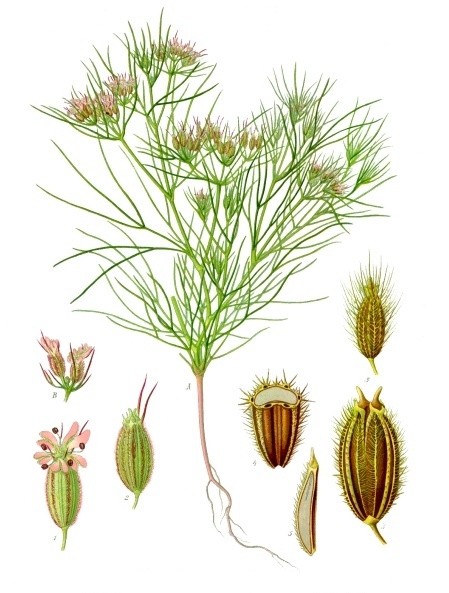 CuminCuminum cyminum
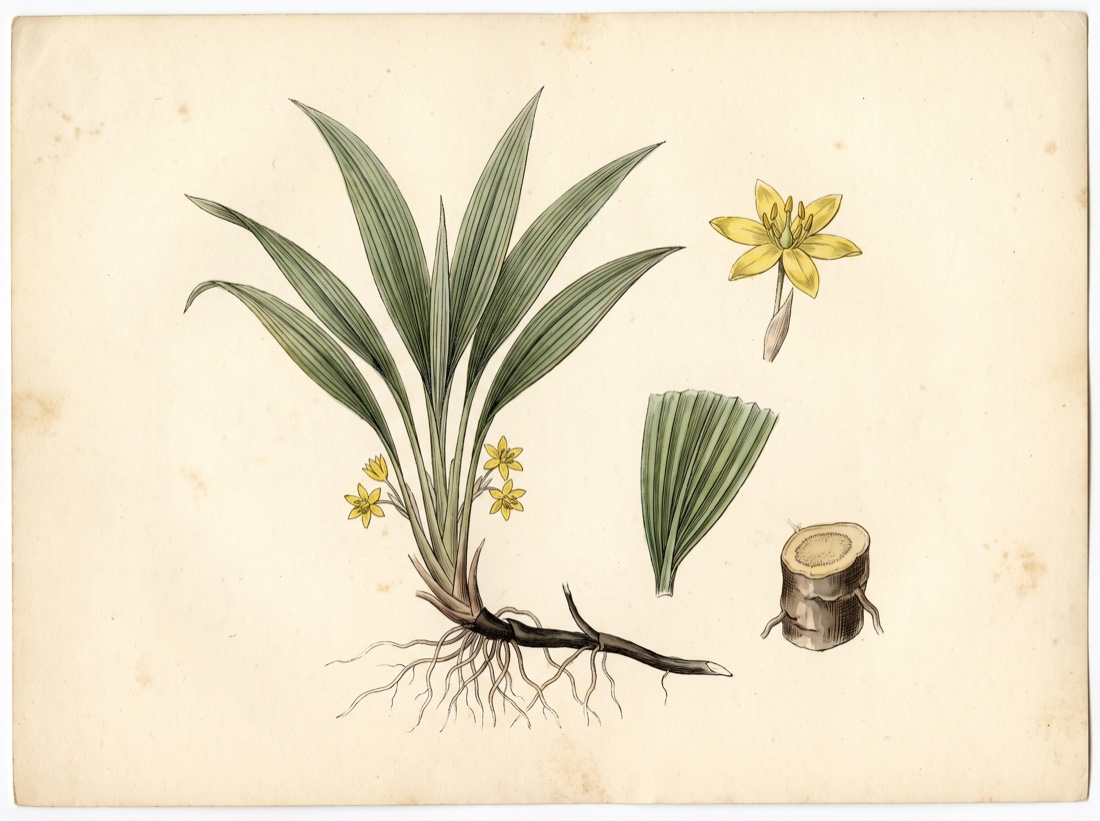 CurculigoCurculigo orchioides
 Curly dockRumex crispus
 CurrantRibes
 Currier's SumachCoriaria
The whole plate is in the library. The compass, Compare, the Sky of eleven hundred plants and the formulary open with an email address and a password, free, with the formula builder and its safety engine. Herbert without limit, his formulating, clients, the handouts and the labels are the paid room.
Open the library, free