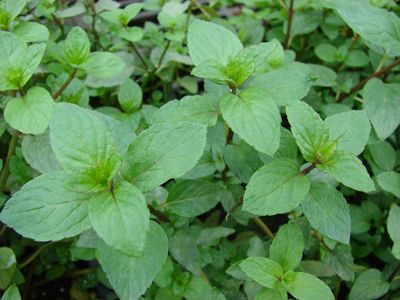
Western Herbalism
Peppermint
Mentha piperita
Also known as Mentha, spearmint.
TCM=uses Mentha haplocalyx (Bo He), used as wind-heat releasing herb, releases exterior & dispels wind-heat, used to treat initial stages of febrile disorders or wind-heat syndromes, clears head, brightens eyes & benefits throat, has light, floating or ascending properties, thus most effective in treating wind-heat in upper body such as headache, sore throat and red eyes, vents rashes, soothes and relieves liver qi stagnation

Ask Herbert about Peppermint. Herbert is the master herbalist inside Bountiful Herbs: he answers from this plate and eleven hundred others, with dosing, pairing and cautions. Your first ten questions are free.
Ask HerbertActions
Indications what the tradition reached for it in
- Neuralgia
- Pharyngitis
- Nausea
- Gas/bloating
- Toothache
- Intestinal cramps
- Fever
- Pain (musculoskeletal)
- Colic
- Irritable bowel syndrome
- Pain (abdominal)
- Motion sickness
- Vomiting
- Colds
- Bronchitis
- Headache (tension)
- Indigestion
- Flu
- Abdominal distension
- Bloating
- Cramps
- Digestive discomfort
- Flatulence
- Gas
- Joint pain
- Muscle pain
- Muscle spasms
- Pain
- Poor circulation
- Headache
Specific indications
Gastrodynia, flatulent colic, difficult digestion.
Safety
Pregnancy: Limited safety data in pregnancy
Breastfeeding: Use with care while breastfeeding
The record lists 6 contraindications; open the plate in the library to read them in full.
Dosing as the sources wrote it
| Preparation | As written | Metric |
|---|---|---|
| Tincture (1:3) | 1-3 ml TID | 1-3 mL |
| Infusion | 1-2 tsp/c TID | |
| Essential oil | 1-3 gtts QD-QID | 0.03-0.09 mL |
| Enteric coated capsules | 100-300 mg TID away from food | 100-300 mg |
| Aqua Menthae Piperitae, Peppermint Water | Dose, ad libitum. | |
| Dose, from one to fifteen minims. | 0.06-0.92 mL |
Doses are reproduced from the sources for practitioners and are not a recommendation for any person.
From the sources
Clinical Notes. TCM=uses Mentha haplocalyx (Bo He), used as wind-heat releasing herb, releases exterior & dispels wind-heat, used to treat initial stages of febrile disorders or wind-heat syndromes, clears head, brightens eyes & benefits throat, has light, floating or ascending properties, thus most effective in treating wind-heat in upper body such as headache, sore throat and red eyes, vents rashes, soothes and relieves liver qi stagnation
Action and Therapy. External. Oil of Peppermint is rubefacient and anodyne. It is used alone or in combination with other oils for the relief of neuralgia and toothache, in both of which it is often very efficient. Its external use has been somewhat superseded by menthol, the camphoraceous body to which oil of peppermint owes most of its virtues.
Therapy. In fevers of an inflammatory character caused by exposure to cold and damp, with nausea and vomiting, a warm infusion of peppermint may be given to produce perspiration and promote a cure, as it is a very efficient diaphoretic.
Properties and Uses. This herb is a diffusive stimulant and relaxant, acting as an anti-spasmodic and carminative. It is mostly used for flatulence and wind colic; but may be employed for other sudden pains and crampings through the abdomen, and in cardialgia, hysteria, etc.
Drawn from Cook's Physio-Medical Dispensatory; King's American Dispensatory, 18th edition (Felter and Lloyd); Ellingwood's American Materia Medica, Therapeutics and Pharmacognosy; Felter's Eclectic Materia Medica, Pharmacology and Therapeutics, and the Bountiful Herbs editorial.
In formulas
Peppermint stands in 72 documented formulas in the library, among them Upper Respiratory Infection Formula, IBS Calming Formula, Nausea & Antiemetic Formula, Syrupus Rhei Et Potassae Compositus, Locke's Neutralizing Cordial, ning sòu wán.
Often paired with
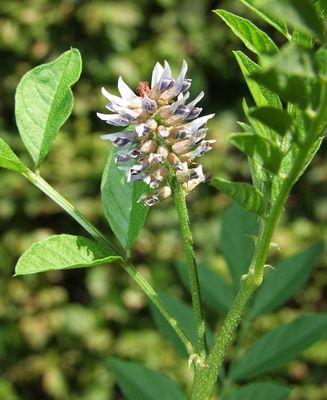 Licorice rootGlycyrrhiza glabra
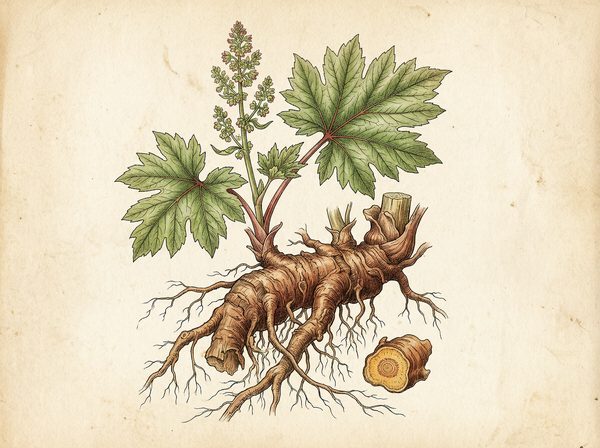 Chinese RhubarbRheum palmatum
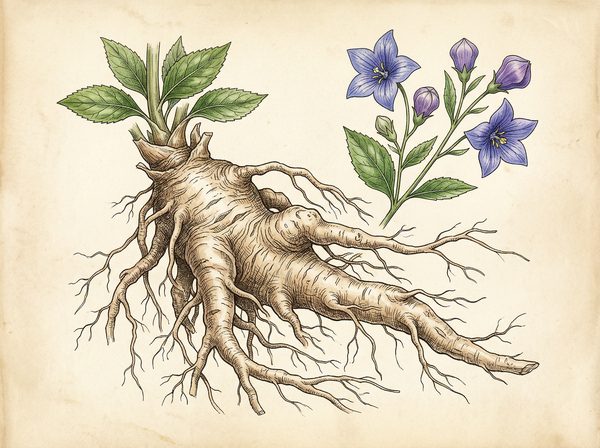 Balloon Flower RootPlatycodon grandiflorus
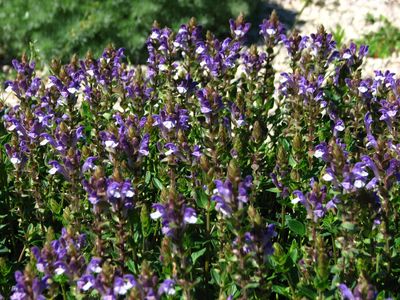 Chinese skullcapScutellaria baicalensis
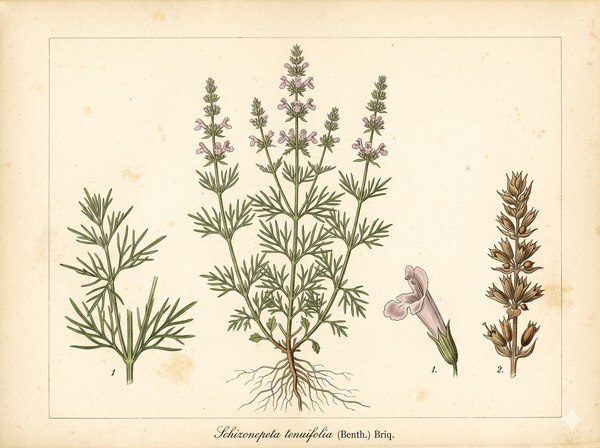 Jing JieSchizonepeta tenuifolia
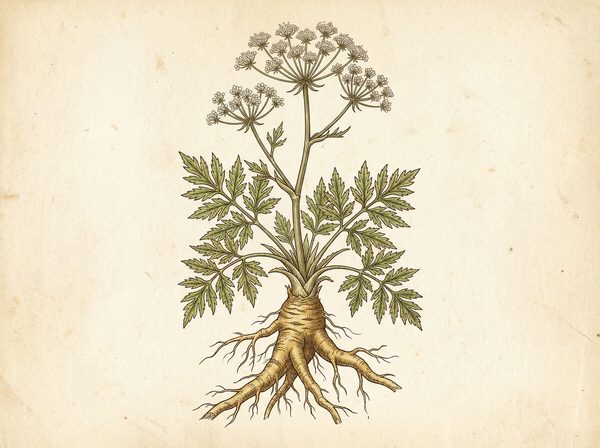 Fang FengSaposhnikovia divaricata
Nearby on the shelf
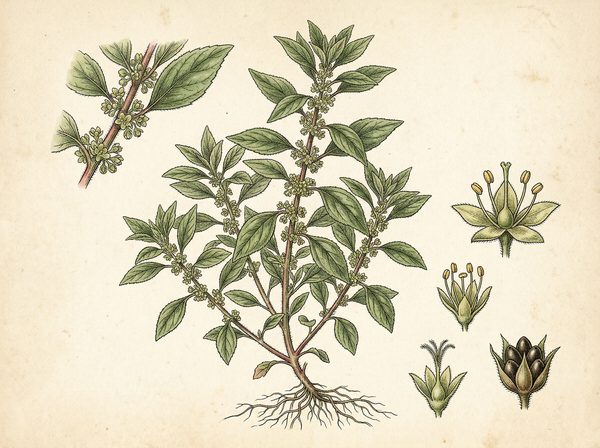 Pellitory-of-the-WallParietaria officinalis
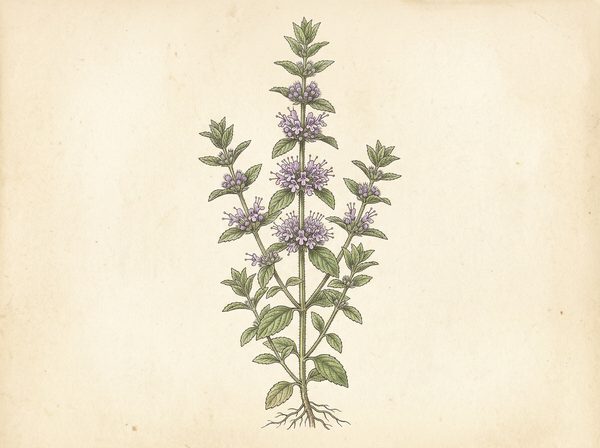 PennyroyalMentha pulegium
 PenthorumPenthorum sedoides
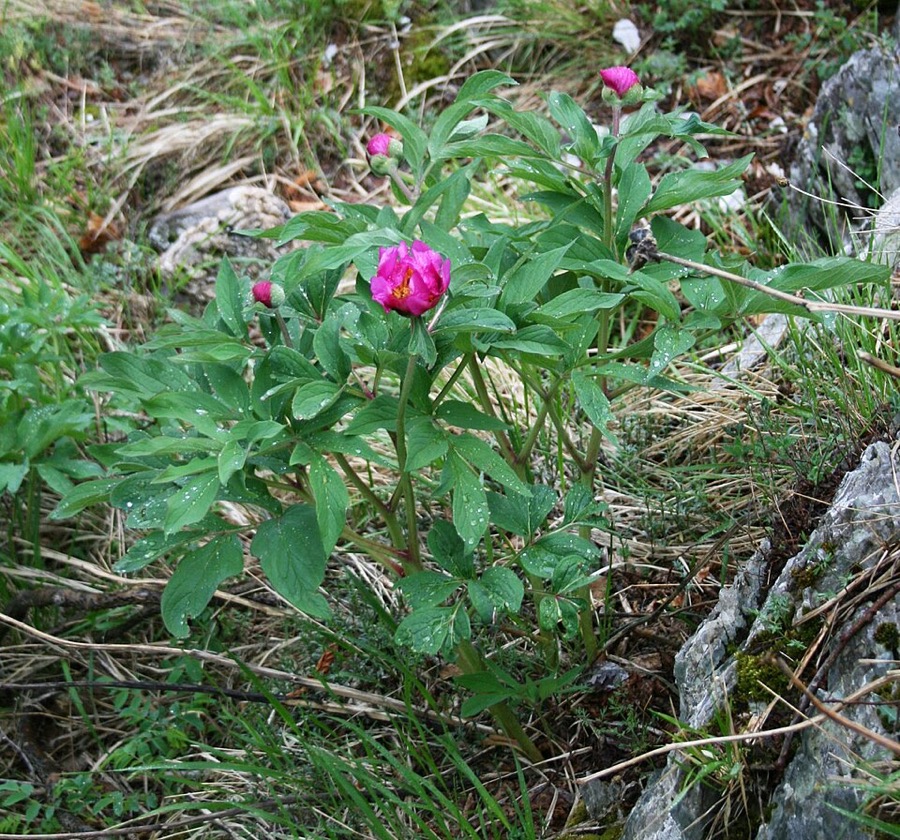 PeonyPeonia officinalis
 PepperwortDentaria diphylla
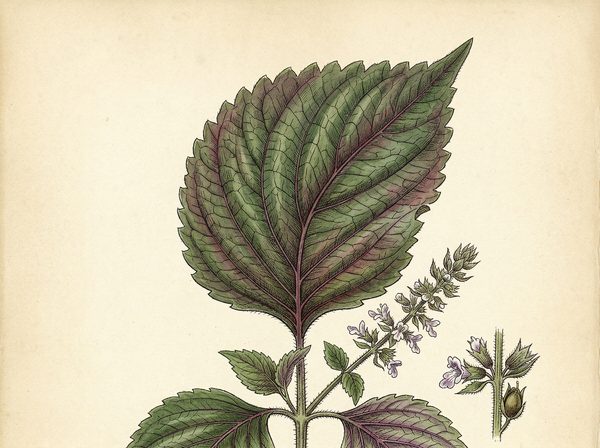 PerillaPerilla frutescens
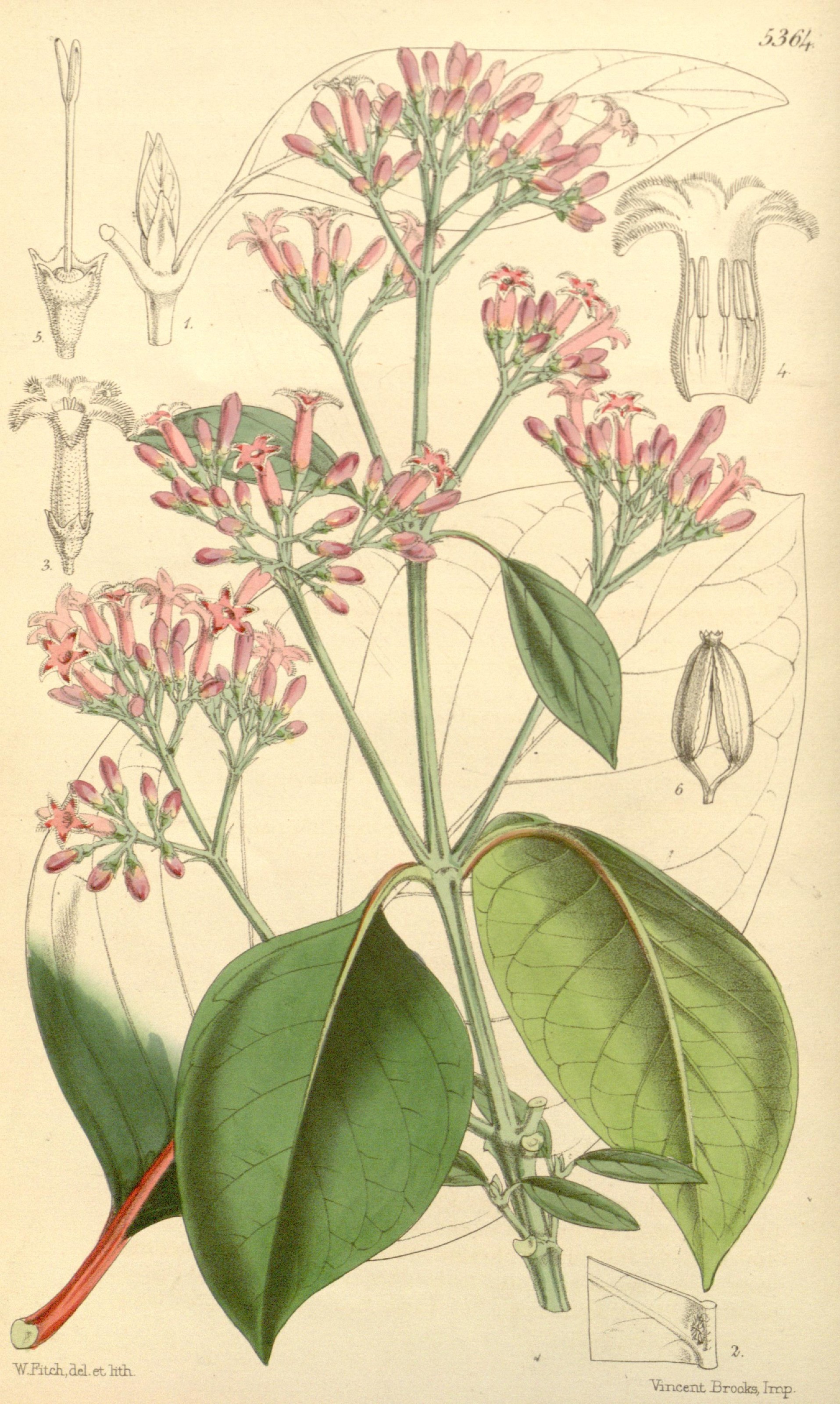 Peruvian BarkCinchona officinalis
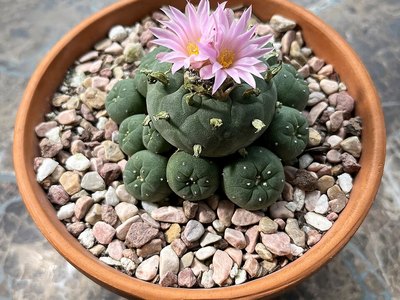 PeyoteLophophora williamsii
The whole plate is in the library. The compass, Compare, the Sky of eleven hundred plants and the formulary open with an email address and a password, free, with the formula builder and its safety engine. Herbert without limit, his formulating, clients, the handouts and the labels are the paid room.
Open the library, free