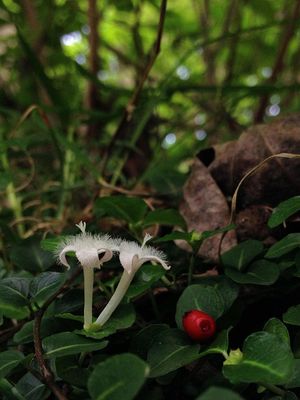
Western Herbalism
Partridge berry
Mitchella repens
Also known as Squaw vine, Checker-berry. one-berry, Mitchella, Partridgeberry, Squawberry, Checkerberry, Deerberry, One-berry.
Based upon the practice and traditions of the American Indians this plant was eagerly adopted into domestic and early botanic and Eclectic therapy. It is believed by some to have a salutary influence upon the pregnant woman, easing many of the distresses incident to her condition, giving a sense of well-being and strengthening her for the ordeal of child birth.

Ask Herbert about Partridge berry. Herbert is the master herbalist inside Bountiful Herbs: he answers from this plate and eleven hundred others, with dosing, pairing and cautions. Your first ten questions are free.
Ask HerbertActions
Indications what the tradition reached for it in
- Premenstrual syndrome (w/ water retention)
- Irritability
- Anxiety
- Uterine cramps
- Pregnancy
- Menorrhagia
- Post-partum hemorrhage (mild)
- Threatened miscarriage
- Spermatorrhea
- Leukorrhea
- Uterine prolapse
- Dysmenorrhea
- Bleeding
- Colic
- Cramps
- Debility
- Diarrhea
- Fatigue
- Muscle spasms
- Weakness
- Hemorrhage
- Excessive discharge
- Menstrual irregularity
Specific indications
As a partus praeparator.
Safety
Pregnancy: Safe in pregnancy, usually start in 2nd trimester
Breastfeeding: Lactation=no data
The record lists 2 contraindications; open the plate in the library to read them in full.
Dosing as the sources wrote it
| Preparation | As written | Metric |
|---|---|---|
| Tincture (1:3-1:4) | 3-5 ml TID | 3-5 mL |
| Infusion | 1-3 tsp/c TID | |
| Specific Mitchella | Dose, from five to sixty minims. | 0.31-3.7 mL |
| Syrupus Mitchellae Compositus , Compound Syrup of Mitchella | Dose, from one to two drams. | 3888-7776 mg |
| If a good preparation of mitchella be administered once or twice daily for the sixth and seventh months of pregnancy, three times daily for the eighth month, and in larger doses as confinement approaches, the influence upon the entire system will be most marked. | ||
| He gives it in twenty drop doses three times a day. | 0.4-0.4 mL |
Doses are reproduced from the sources for practitioners and are not a recommendation for any person.
From the sources
Action and Therapy. Based upon the practice and traditions of the American Indians this plant was eagerly adopted into domestic and early botanic and Eclectic therapy. It is believed by some to have a salutary influence upon the pregnant woman, easing many of the distresses incident to her condition, giving a sense of well-being and strengthening her for the ordeal of child birth.
Therapy. The sphere of action of mitchella is upon the reproductive organs, particularly upon those of the female. It is not enlarged upon by our writers, but is known positively to a few practitioners. It is par excellence the partus preparator .
Properties and Uses. This herb is claimed by the Eclectics, simply because they “selected” it after others had taught its use. It was largely employed by the people of New England as a family remedy as early as 1820; and the Thomsonians of that section made much use of it from 1823.
Properties and Uses. This herb is diffusively stimulating and relaxant, of the distinctly carminative nervine and anti-spasmodic order. It makes a grateful and useful addition to diaphoretic drinks in the treatment of recent colds, catarrhal and typhus fevers, and measles; and sustains the nervous peripheries and outward circulation well.
Drawn from Cook's Physio-Medical Dispensatory; Scudder's Specific Medication and Specific Medicines; King's American Dispensatory, 18th edition (Felter and Lloyd); Ellingwood's American Materia Medica, Therapeutics and Pharmacognosy, and the Bountiful Herbs editorial.
In formulas
Partridge berry stands in 7 documented formulas in the library, among them Syrupus Mitchellae Compositus.
Often paired with
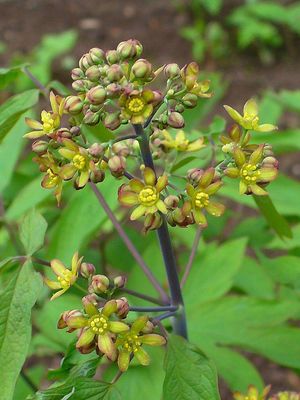 Blue cohoshCaulophyllum thalictroides
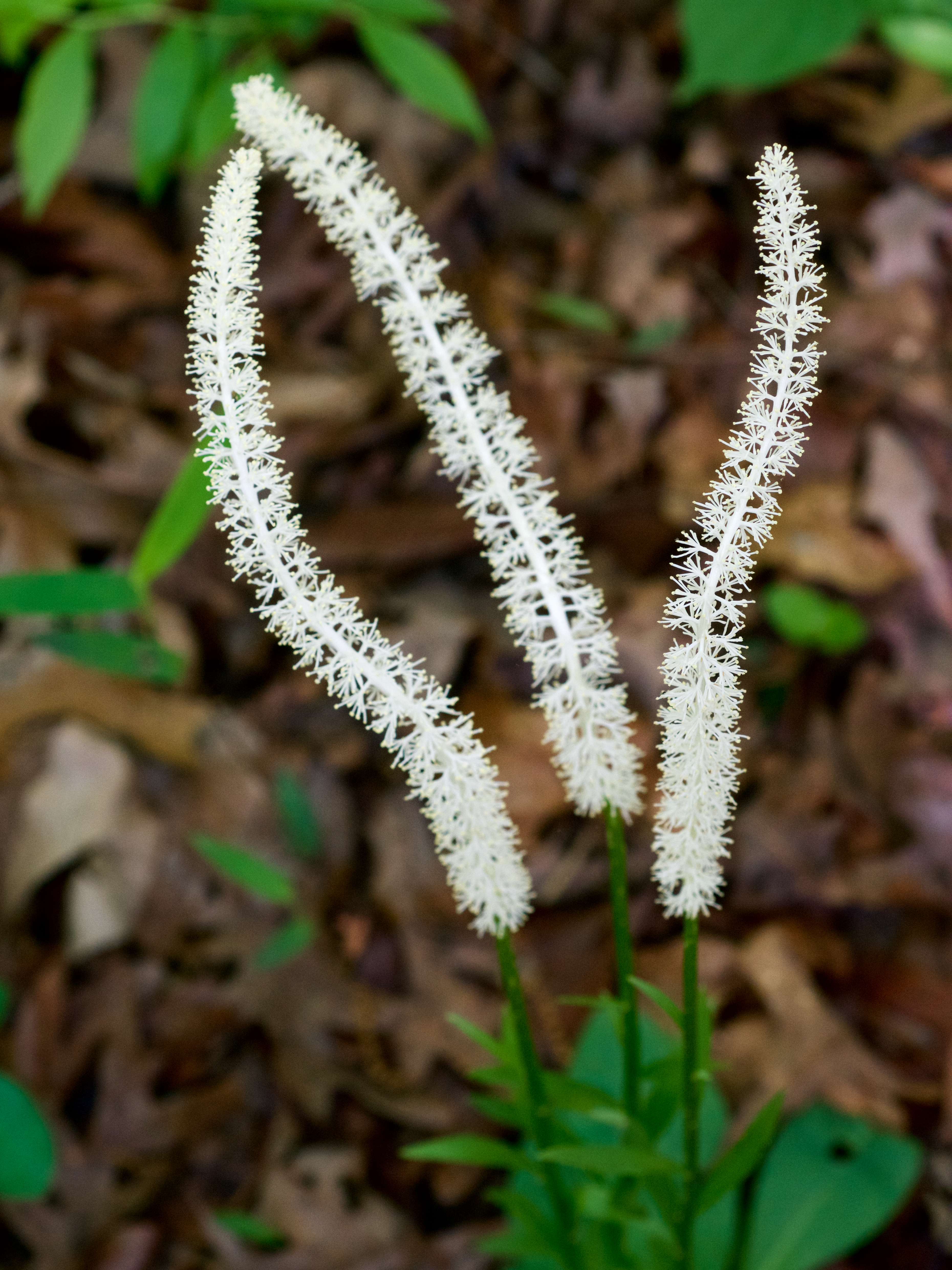 False unicornChamaelirium luteum
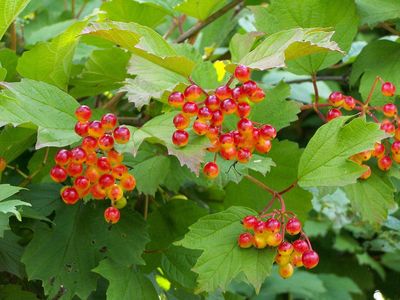 Cramp barkViburnum opulus
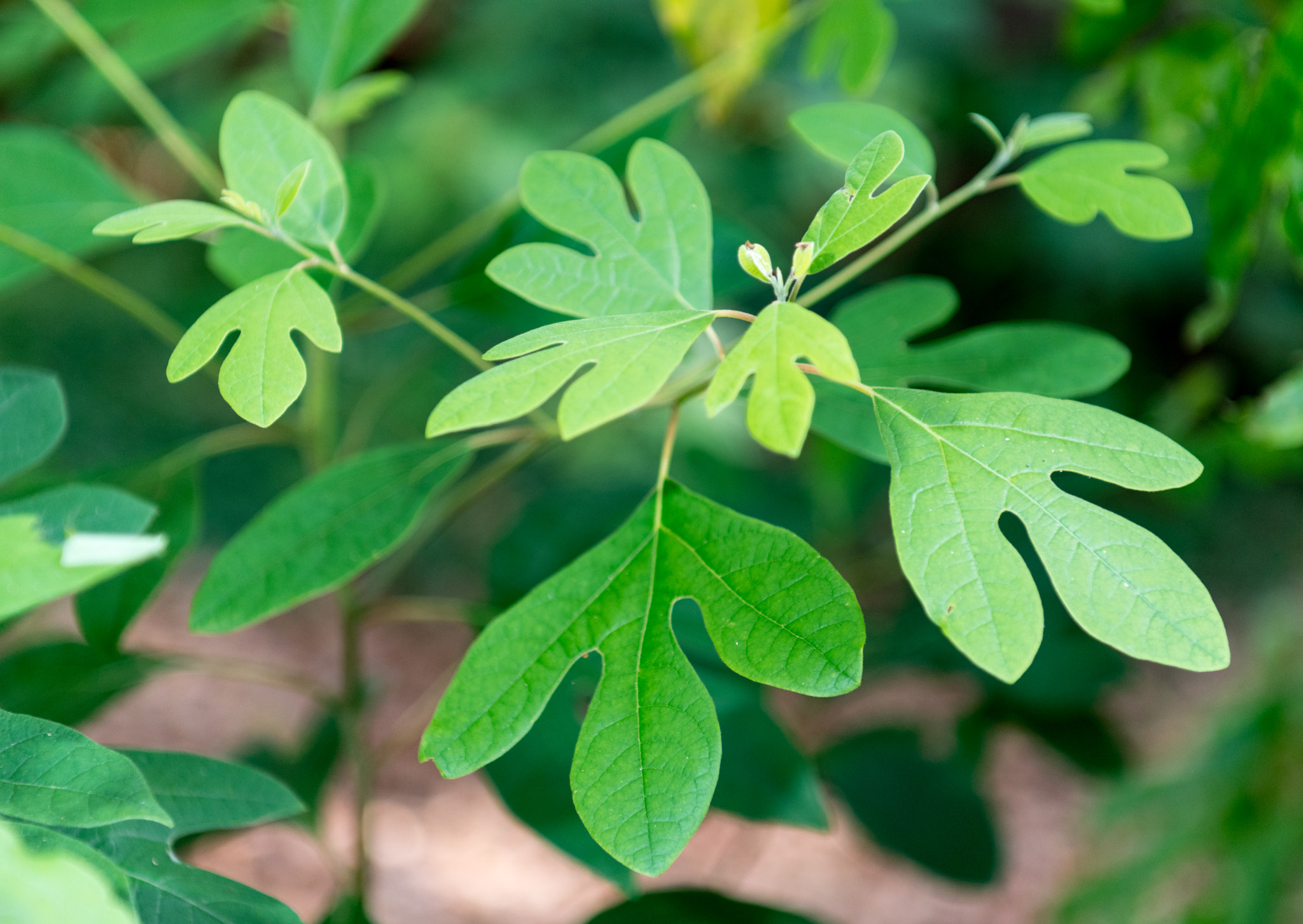 SassafrasSassafras albidum
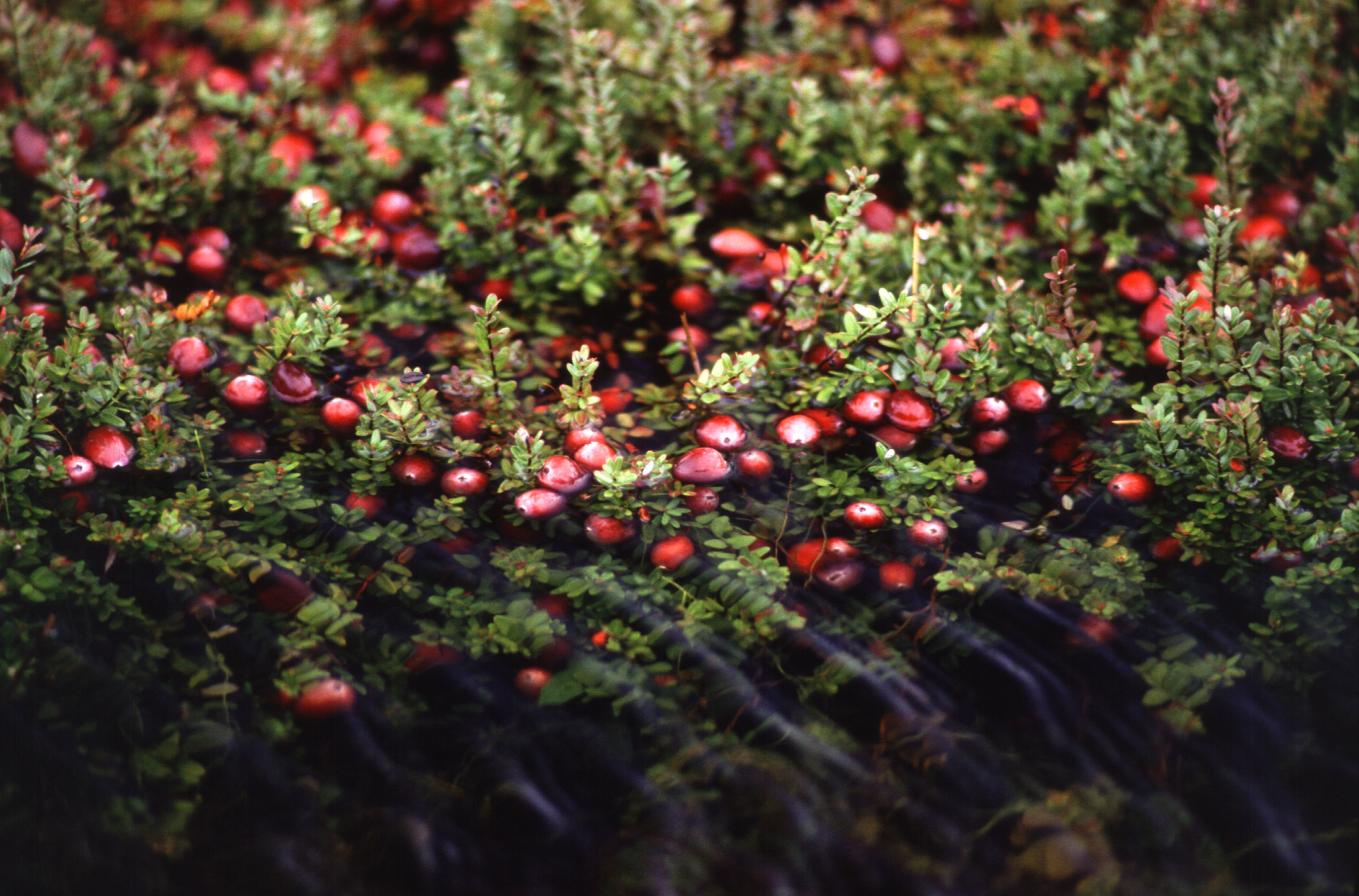 CranberryVaccinium oxycoccus
Nearby on the shelf
 Para cressSpilanthes oleracea
 PareiraPareira brava
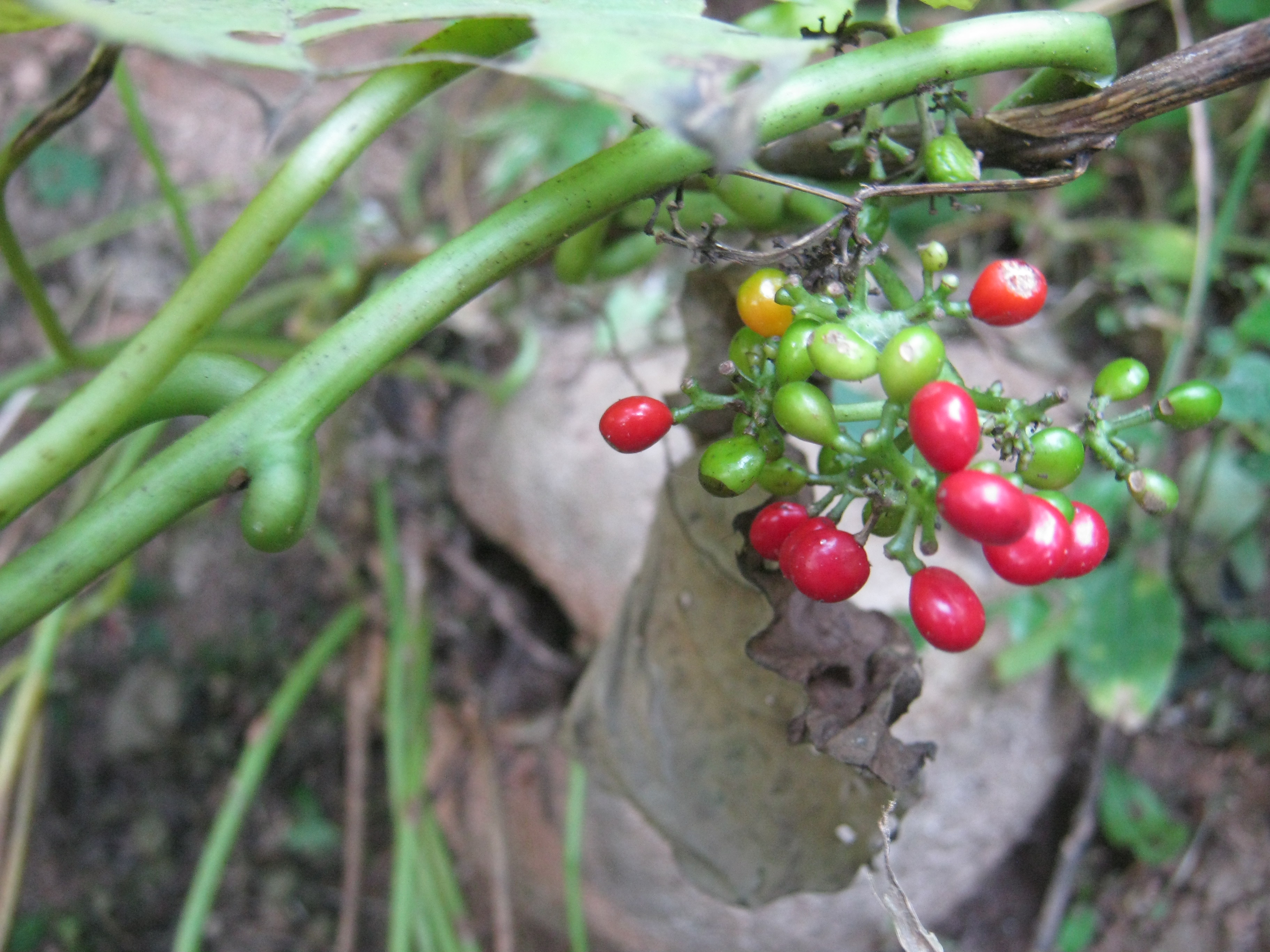 Pareira bravaCissampelos pareira
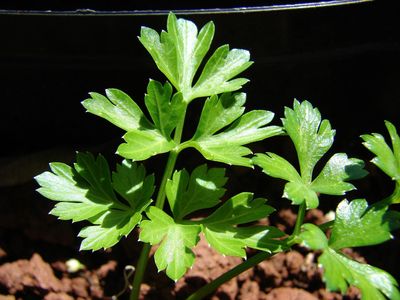 ParsleyPetroselinum crispum
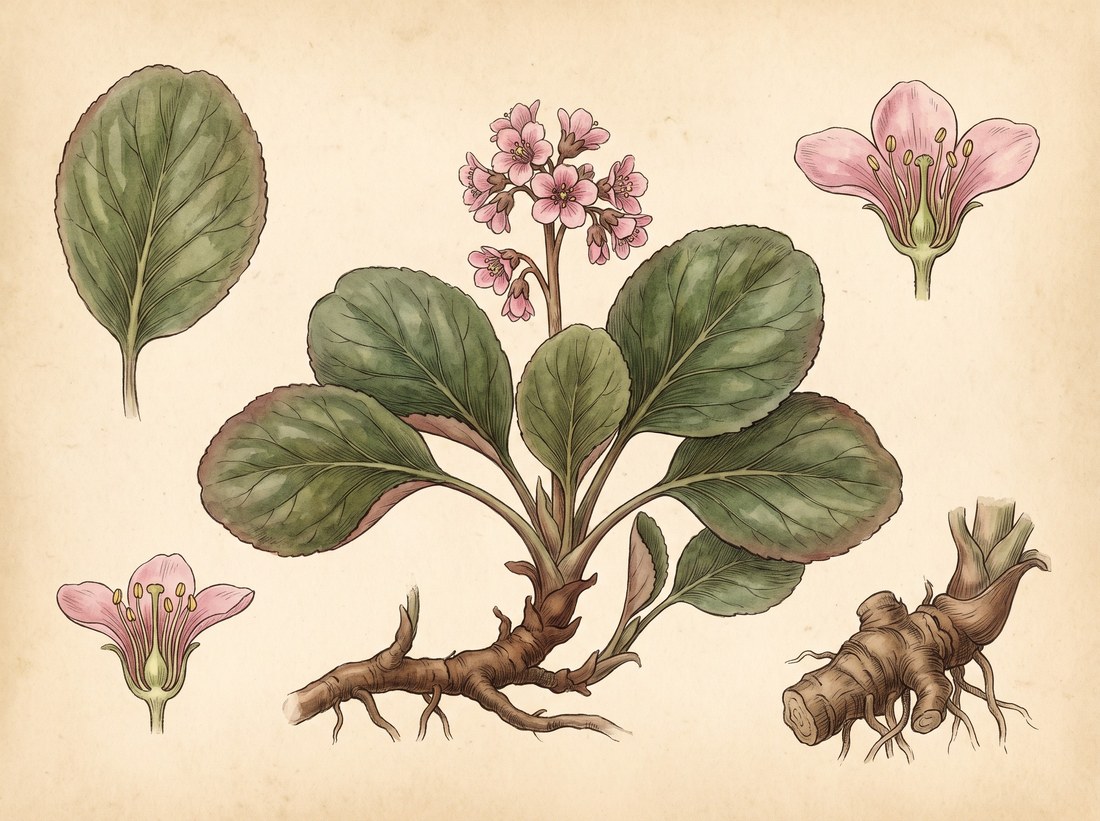 PashanbhedBergenia ligulata
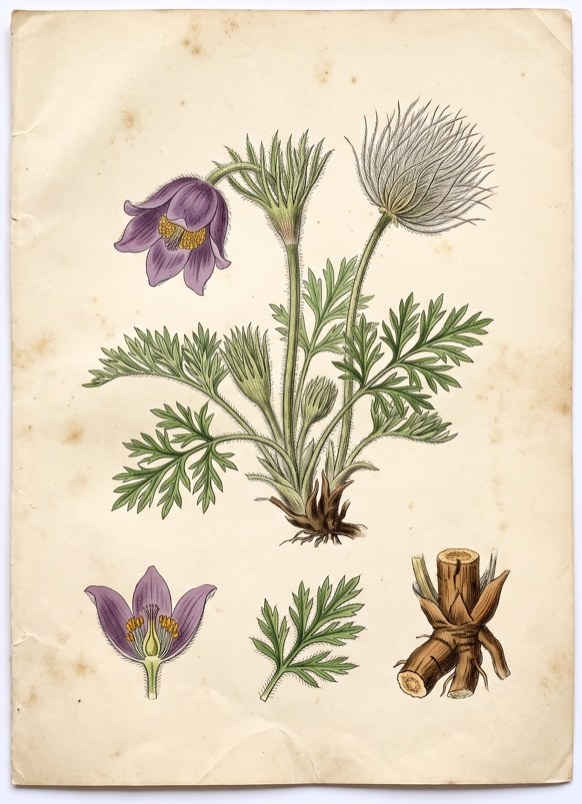 Pasque flowerPulsatilla vulgaris
 Passion FlowerPassiflora incarnata
 Pata de vacaBauhinia forficata
The whole plate is in the library. The compass, Compare, the Sky of eleven hundred plants and the formulary open with an email address and a password, free, with the formula builder and its safety engine. Herbert without limit, his formulating, clients, the handouts and the labels are the paid room.
Open the library, free