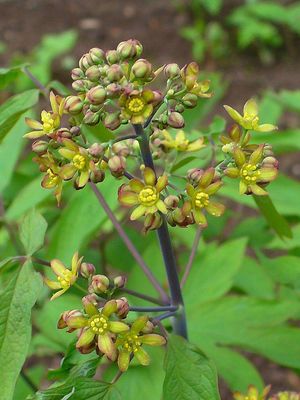
Western Herbalism
Blue cohosh
Caulophyllum thalictroides
Also known as Papoose Root, Squaw Root, Pappoose root, Blueberry, Caulophyllum.
Caulophyllum was at one time largely used as an antispasmodic, emmenagogue, parturient, diuretic, diaphoretic and expectorant, all of which properties it possesses in greater or less degree, according to its manner of use.

Ask Herbert about Blue cohosh. Herbert is the master herbalist inside Bountiful Herbs: he answers from this plate and eleven hundred others, with dosing, pairing and cautions. Your first ten questions are free.
Ask HerbertActions
Indications what the tradition reached for it in
- Muscle spasms
- Pelvic fullness
- Poor uterine tone
- Congestion (pelvic)
- Menorrhagia
- Rheumatism
- Arthritis
- Pain
- Asthma
- Pain (ovarian)
- Pain (pelvic)
- Cough (spastic)
- Threatened miscarriage
- Pain (joint)
- Amenorrhea
- Labor
- Pain (rheumatic)
- Pain (afterbirth)
- Dysmenorrhea
- Colic
- Cramps
- Debility
- Fatigue
- Menstrual irregularity
- Weakness
- Respiratory complaints
- Amenorrhoea
- False labour pains
- Dysmenorrhoea
- Rheumatic pains
Safety
Low dose botanical. Used in drop doses in the classical practice; not a plant to dose freely.
Pregnancy: Not for use in pregnancy
Breastfeeding: Not for use while breastfeeding
The record lists 6 contraindications; open the plate in the library to read them in full.
Dosing as the sources wrote it
| Preparation | As written | Metric |
|---|---|---|
| Tincture (1:3) | 0.5-1 ml TID | 0.5-1 mL |
| Decoction | 1-2 tsp/c TID | |
| Dried rhizome/root 0.3-1.0 g as a decoction three times daily | 300-1000 mg | |
| (G7) Liquid extract 0.5-1.0 mL (1 : 1 in 70% alcohol) three times daily .(G7) | 0.5-1 mL | |
| Dose, one to two fluid drachms, three times a day | 3.7-7.39 mL | |
| Caulophyllin | Dose, from one-fourth to one grain. | 16.2-64.8 mg |
Doses are reproduced from the sources for practitioners and are not a recommendation for any person.
From the sources
Action and Therapy. Caulophyllum was at one time largely used as an antispasmodic, emmenagogue, parturient, diuretic, diaphoretic and expectorant, all of which properties it possesses in greater or less degree, according to its manner of use.
Therapy. In chronic uterine disorders, in broken down constitutions with various reflex symptoms, the remedy is a specific. In the amenorrhea of young women, at the commencement of the menstrual period, it may be given with confidence.
Properties and Uses. The root of this plant, as a popular parturient among the “medicine men” of the Indians. To Dr. Isaac Smith, of New York, is chiefly due its introduction to the profession. It is a moderate diffusive, stimulating and relaxing in about equal degrees, spending its main powers upon the nervous system.
Action, Medical Uses, and Dosage. Resin of caulophyllum appears to exert a direct influence upon the uterus, acting as an alterative, uterine tonic, and parturient, according to the periods in which it is employed. In the more common unhealthy conditions of this organ and its appendages, known as amenorrhoea, dysmenorrhoea, passive menorrhagia, leucorrhoea, congested cervix, etc., it is equal to, if not surpassing, the resin of black cohosh.
Drawn from Cook's Physio-Medical Dispensatory; Scudder's Specific Medication and Specific Medicines; King's American Dispensatory, 18th edition (Felter and Lloyd); Ellingwood's American Materia Medica, Therapeutics and Pharmacognosy, and the Bountiful Herbs editorial.
Often paired with
 False unicornChamaelirium luteum
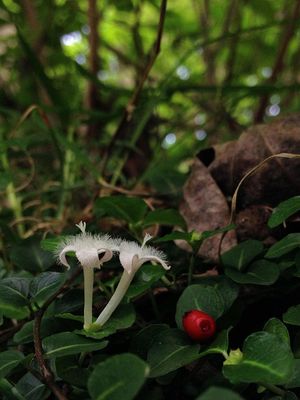 Partridge berryMitchella repens
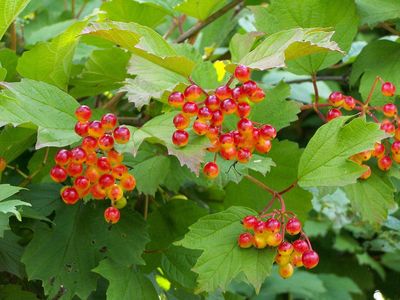 Cramp barkViburnum opulus
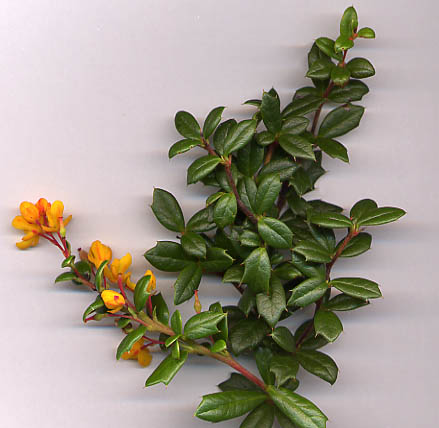 BarberryBerberis vulgaris
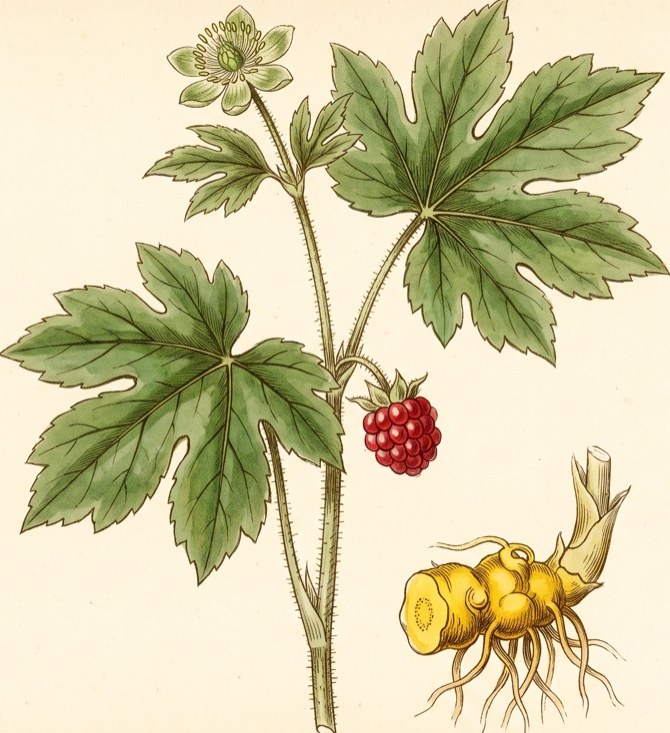 GoldensealHydrastis canadensis
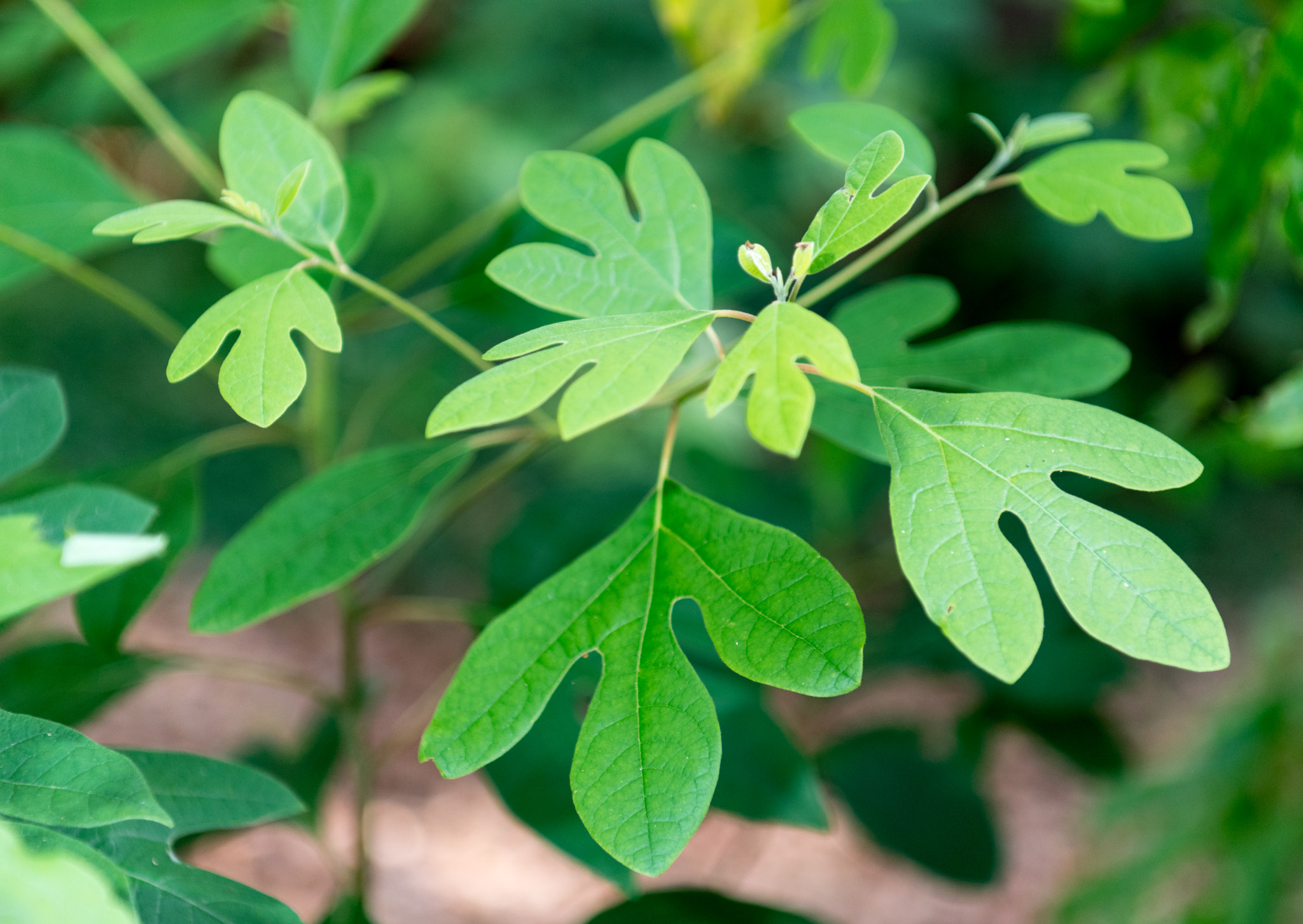 SassafrasSassafras albidum
Nearby on the shelf
 Blazing StarAletris farinosa
 Blessed ThistleCnicus benedictus
 BletillaBletilla striata
 BloodrootSanguinaria canadensis
 Blue flagIris versicolor
 Blue LotusNymphaea caerulea
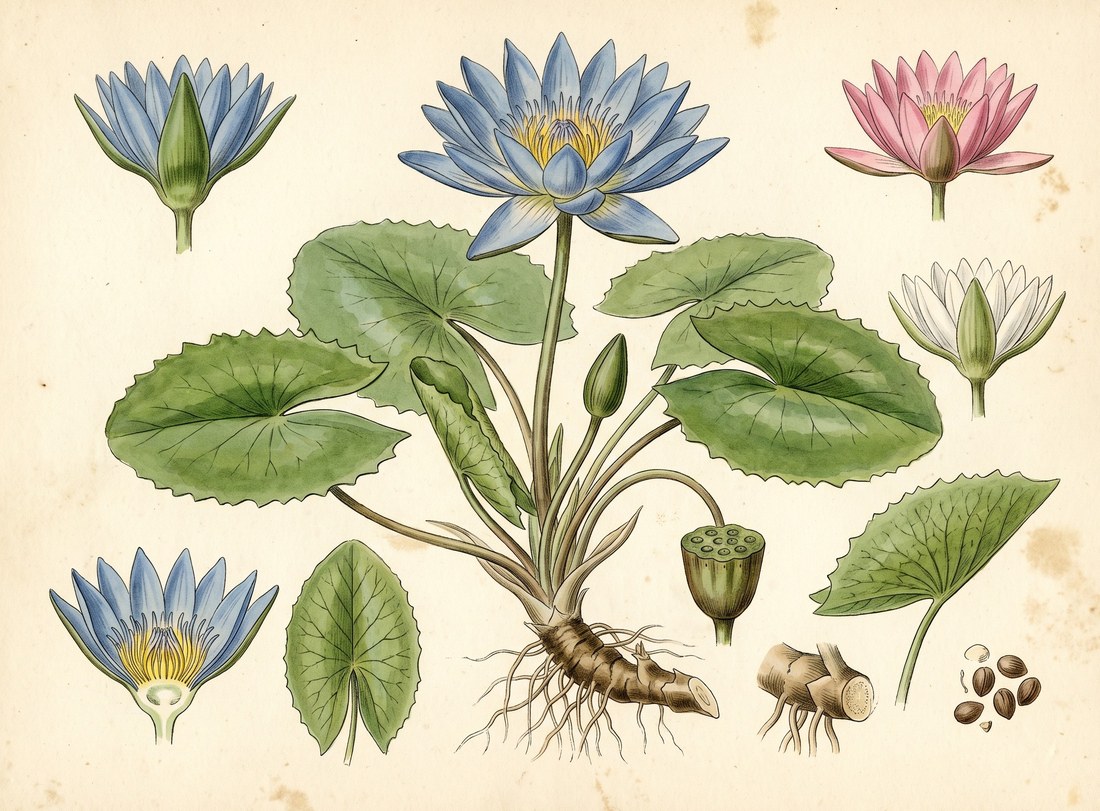 Blue water lilyNymphaea stellata
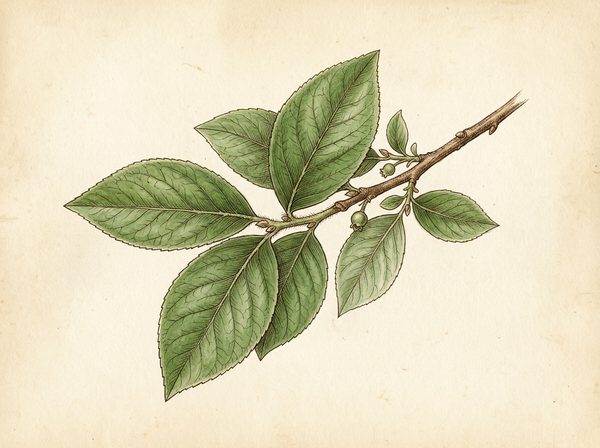 Blueberry LeafVaccinium corymbosum
The whole plate is in the library. The compass, Compare, the Sky of eleven hundred plants and the formulary open with an email address and a password, free, with the formula builder and its safety engine. Herbert without limit, his formulating, clients, the handouts and the labels are the paid room.
Open the library, free