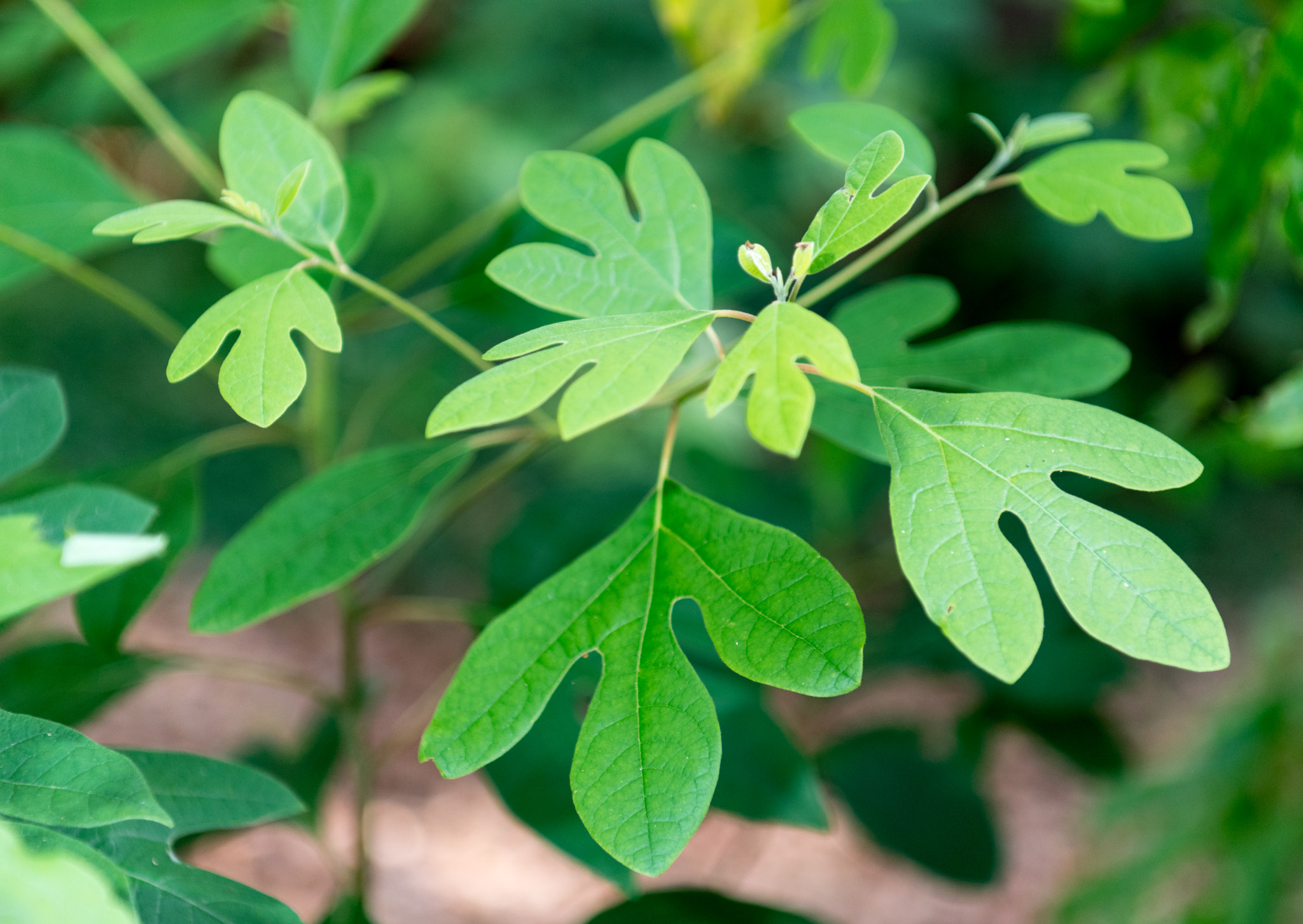
Western Herbalism
Sassafras
Sassafras albidum
Also known as Ague Tree, Cinnamon Wood, Saloop, Saxifrax.
External. Oil of sassafras is rubefacient and obtundant, and has been used to discuss wens, and to relieve rheumatic and other painful conditions, as bruises, sprains, and swellings. A mucilage of the pith (2 drachms to Water, 16 fluidounces) was formerly much used in acute ophthalmias.

Ask Herbert about Sassafras. Herbert is the master herbalist inside Bountiful Herbs: he answers from this plate and eleven hundred others, with dosing, pairing and cautions. Your first ten questions are free.
Ask HerbertActions
Indications what the tradition reached for it in
- Gout
- Sprain
- Bruises
- Syphilis (historical)
- Dropsy/edema
- Infection
- Eye inflammation
- Flu
- Rheumatism
- Gonorrhea
- Urinary tract infection
- Toothache
- Menstrual pain
- Swelling
- Cystitis
- Colds
- Skin eruptions
- Scurvy
- Blood impurities
- Fever
- GI complaints
- Dysmenorrhea
- Abdominal distension
- Bloating
- Colic
- Digestive discomfort
- Dry cough
- Edema
- Flatulence
- Fluid retention
Safety
Recognised toxicity. This plant carries a toxicity flag in the record; it is for trained practitioners only.
Low dose botanical. Used in drop doses in the classical practice; not a plant to dose freely.
Pregnancy: Pregnancy Caution
Breastfeeding: Lactation (source flag notSafeInLactation)
The record lists 5 contraindications; open the plate in the library to read them in full.
Dosing as the sources wrote it
| Preparation | As written | Metric |
|---|---|---|
| Root bark tea: 1 oz to 1 pint water, wineglassful doses | 473 mL | |
| Specific sassafras: 5-30 drops | 0.1-0.6 mL | |
| Oil: 1-15 drops (avoid) | 0.03-0.45 mL | |
| Pith mucilage: 2 drachms to 16 fl oz Felter Eclectic Materia Medica | 7776 mg | |
| Bark 2-4 g as an infusion three times daily | 2000-4000 mg | |
| (G7) Liquid extract 2-4 mL (1 : 1 in 25% alcohol) three times daily .(G7) | 2-4 mL |
Doses are reproduced from the sources for practitioners and are not a recommendation for any person.
From the sources
Action and Therapy. External. Oil of sassafras is rubefacient and obtundant, and has been used to discuss wens, and to relieve rheumatic and other painful conditions, as bruises, sprains, and swellings. A mucilage of the pith (2 drachms to Water, 16 fluidounces) was formerly much used in acute ophthalmias.
Properties and Uses. The bark is an aromatic relaxant and stimulant, yielding most of its properties to water, but commonly rendered almost worthless by boiling. A warm infusion is a fair stimulating diaphoretic and nervine, useful in colds and recent obstructions of the menses, and a popular drink in skin affections, etc.
Action and Medical Uses. This is an extemporaneous preparation, and is principally used in acute ophthalmia. A similar preparation of marshmallow root, elm bark, or buckhorn brake, will be found equally available.
Action, Medical Uses, and Dosage. This is a soothing and refreshing drink for inflammatory conditions of mucous surfaces and in febrile disorders. It is especially applicable in dysentery. Locally, it is applied in conjunctivitis (acute), erythema, and various inflammatory skin disorders. It may be freely used.
Drawn from Cook's Physio-Medical Dispensatory; Scudder's Specific Medication and Specific Medicines; King's American Dispensatory, 18th edition (Felter and Lloyd); Felter's Eclectic Materia Medica, Pharmacology and Therapeutics, and the Bountiful Herbs editorial.
Often paired with
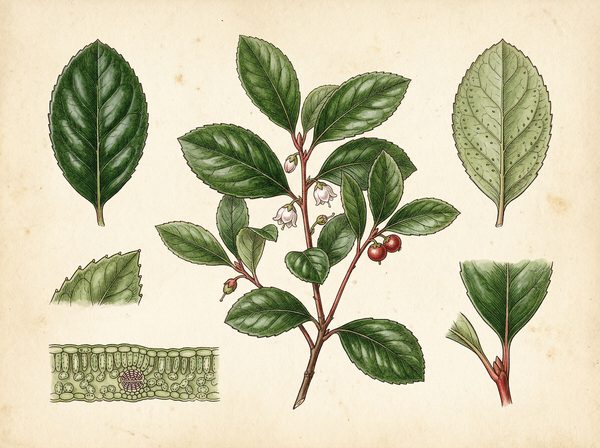 WintergreenGaultheria procumbens
 SarsaparillaSmilax spp.
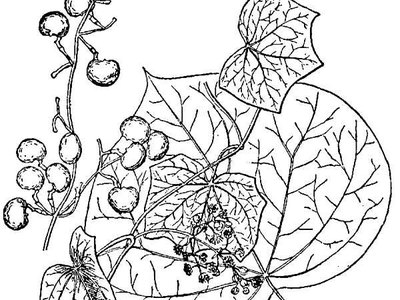 Yellow parillaMenispermum canadense
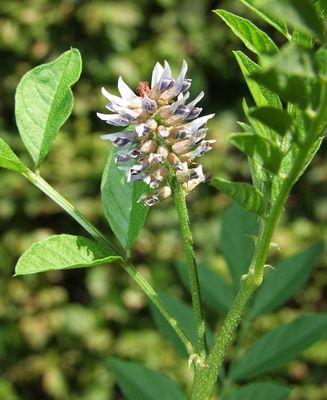 Licorice rootGlycyrrhiza glabra
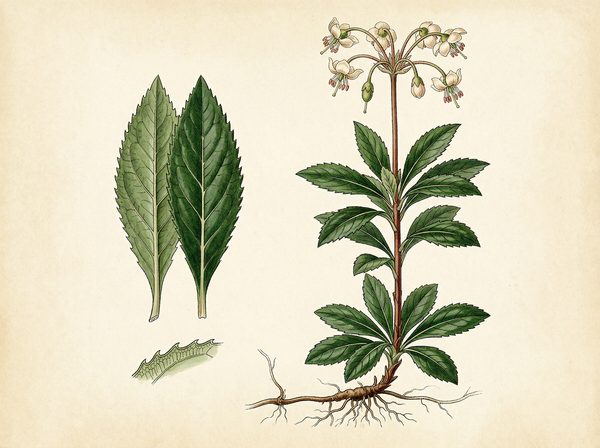 PipsissewaChimaphila umbellata
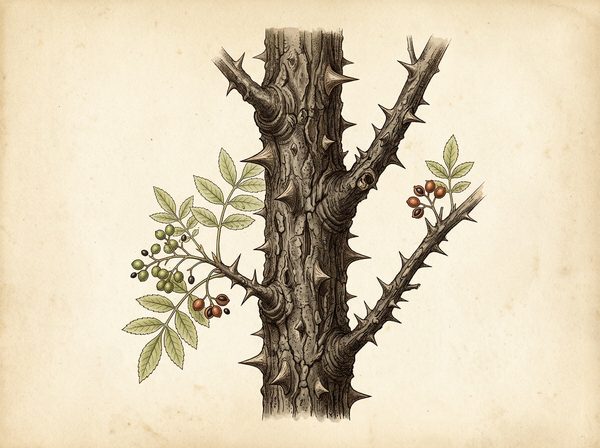 Prickly AshZanthoxylum americanum
Nearby on the shelf
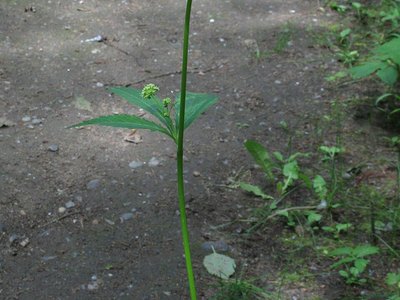 SanicleSanicula marilandica
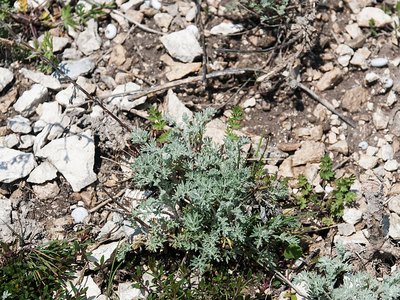 SantonicaArtemisia pauciflora
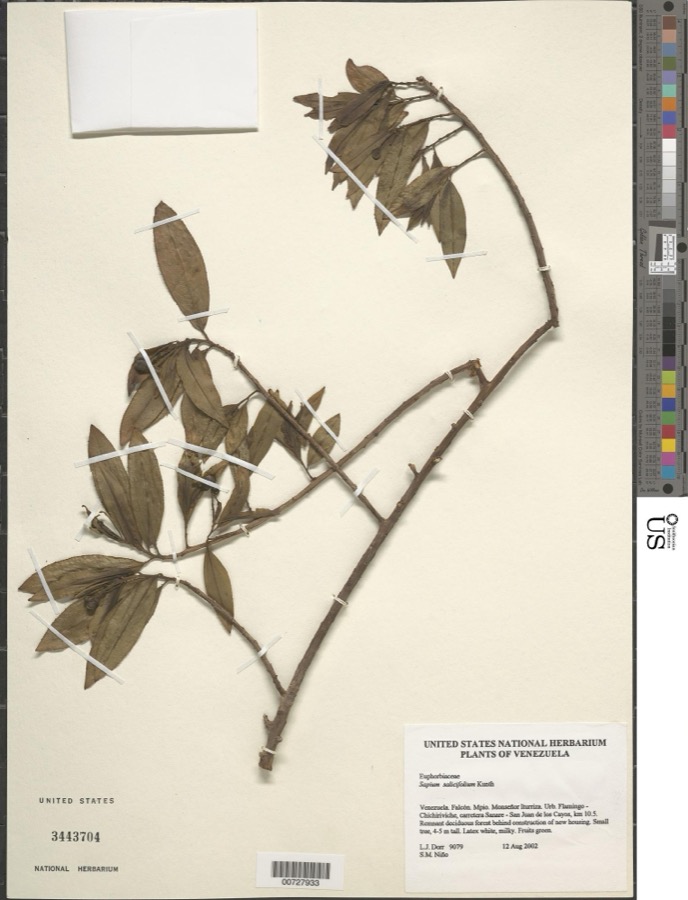 SapiumSapium salicifolium
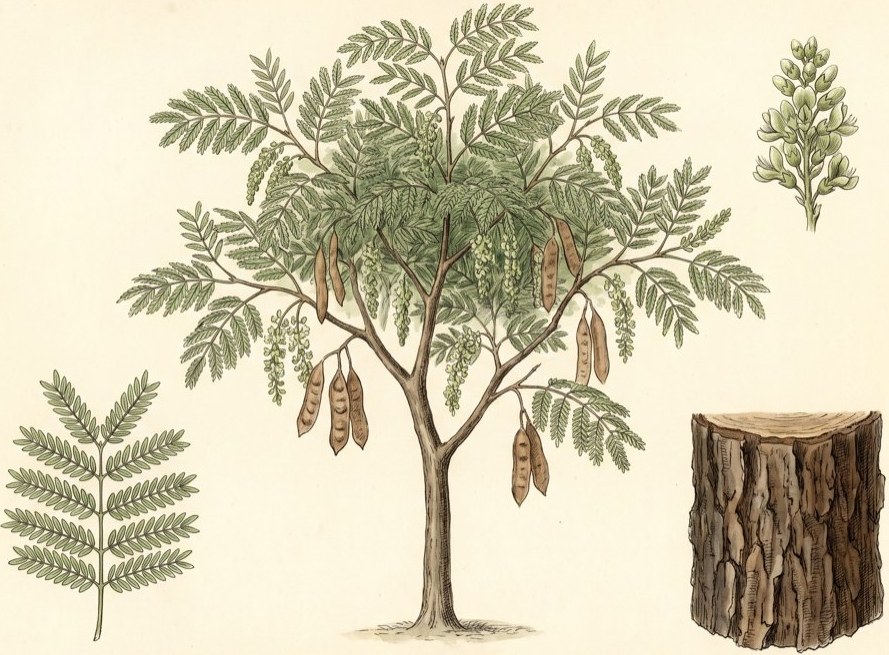 Sassy barkErythrophleum
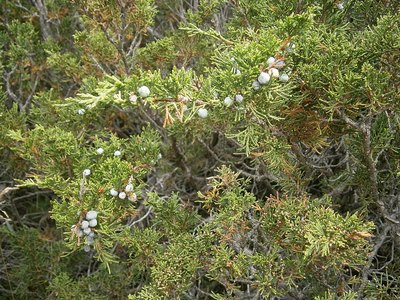 SavinJuniperus sabina
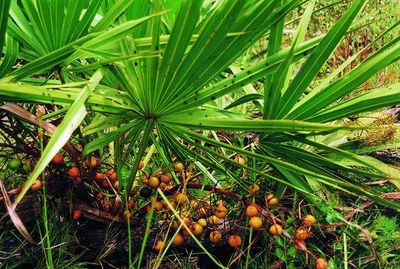 Saw palmettoSerenoa repens
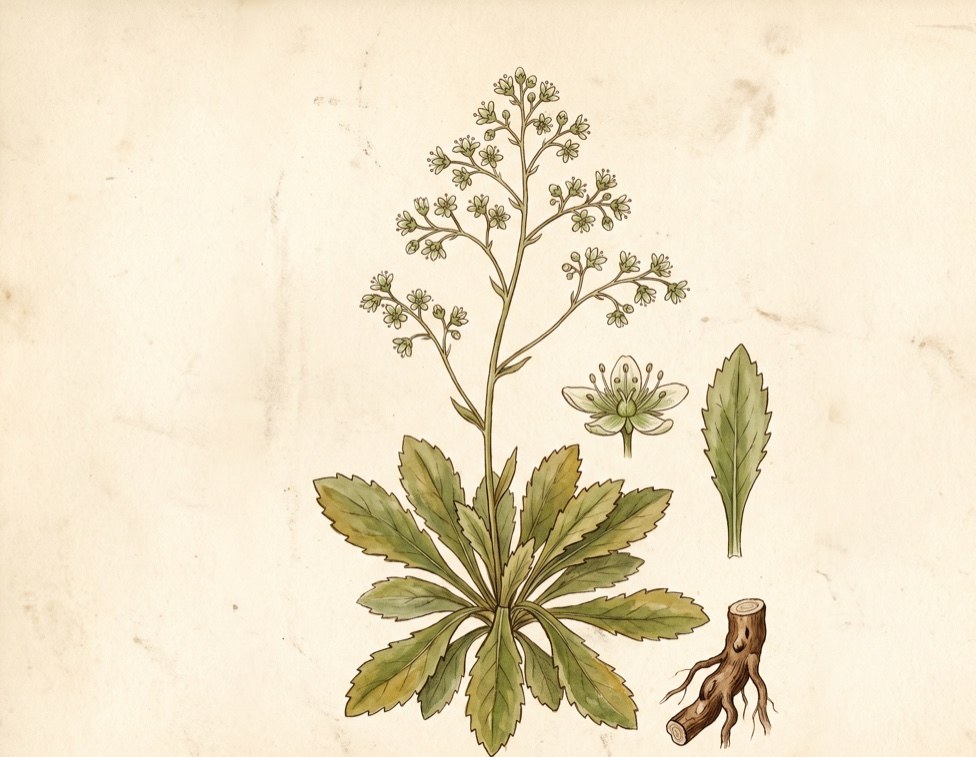 SaxifrageSaxifraga pennsylvanica
The whole plate is in the library. The compass, Compare, the Sky of eleven hundred plants and the formulary open with an email address and a password, free, with the formula builder and its safety engine. Herbert without limit, his formulating, clients, the handouts and the labels are the paid room.
Open the library, free