Western Herbalism
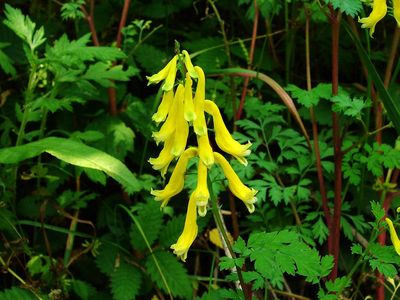
Corydalis
Corydalis spp.
Also known as Yan hu suo.
THP as well as DHCB has been shown to exhibit a wide number of pharmacological actions on the central nervous system, including analgesic and sedative effects; dl-THP exhibits a tranquilizing action in mice, and scientists have suggested that dl-THP blocks certain receptor sites (e.g., dopamine) in the brain to cause sedation and relieve pain.

Ask Herbert about Corydalis. Herbert is the master herbalist inside Bountiful Herbs: he answers from this plate and eleven hundred others, with dosing, pairing and cautions. Your first ten questions are free.
Ask HerbertActions
Indications what the tradition reached for it in
- Angina pectoris
- Torticollis
- Musculoskeletal injury
- Pain (from trauma)
- Cancer
- Muscle spasms
- Headache
- Kidney stone
- Pain (musculoskeletal)
- Pain (abdominal)
- Hypertension
- Cholelithiasis
- Pain (back)
- Pain (chest)
- Pain
- Insomnia
- Gallstone
- Dysmenorrhea
- Anxiety
- Colic
- Cramps
- Restlessness
Safety
Low dose botanical. Used in drop doses in the classical practice; not a plant to dose freely.
Pregnancy: Pregnancy Caution
Breastfeeding: Lactation=lack of data, generally not recommended
The record lists 3 contraindications; open the plate in the library to read them in full.
Dosing as the sources wrote it
| Preparation | As written | Metric |
|---|---|---|
| Tincture (1:2-1:3) | 1-2 ml BID-TID | 1-2 mL |
| Decoction | 3-10 g/d | 3000-10000 mg |
| Powdered | 1-1.5 g/d | 1000-1500 mg |
Doses are reproduced from the sources for practitioners and are not a recommendation for any person.
From the sources
action-analgesic-sedative-cns. THP as well as DHCB has been shown to exhibit a wide number of pharmacological actions on the central nervous system, including analgesic and sedative effects; dl-THP exhibits a tranquilizing action in mice, and scientists have suggested that dl-THP blocks certain receptor sites (e.g., dopamine) in the brain to cause sedation and relieve pain.
action-anti-inflammatory. An extract from Corydalis has shown strong anti-inflammatory activity, inhibiting increased vascular permeability in mice, reducing acute paw edema in rats, suppressing adjuvant-induced edema in arthritic rats, and inhibiting histamine release from peritoneal mast cells in both acute and chronic phases of inflammation.
efficacy-pain-cold-pressor. In a controlled clinical trial using the cold-pressor test, a single oral administration of extracts of Corydalis yanhusuo and Angelicae dahuricae significantly decreased pain intensity scores (both P < .01) with a dose-related analgesic effect, suggesting potential clinical value for treating mild to moderate pain.
traditional-use-pain. In traditional Chinese medicine, corydalis is said to invigorate the blood, move qi, and alleviate all types of pain, including menstrual, abdominal, hernial and pain associated with cancer; it is used extensively by practitioners of Chinese herbal medicine for pain, especially abdominal pain.
In formulas
Corydalis stands in 32 documented formulas in the library, among them ǎn zhông sắn, ging yí tāng, lóng ch ging hún sắn, jn líng zĩ sǎn, yán hú suo tāng, jú hé wán.
Often paired with
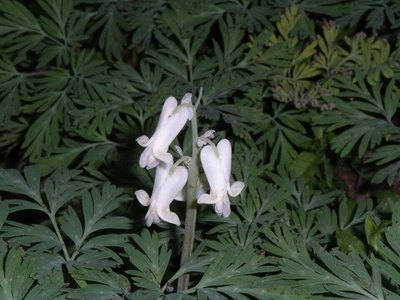 CorydalisDicentra canadensis
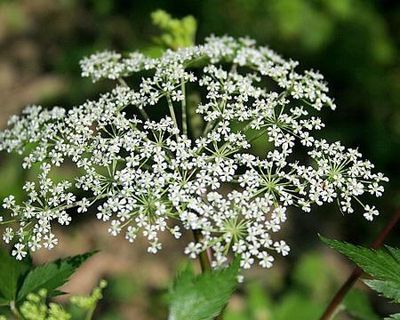 Dong QuaiAngelica sinensis
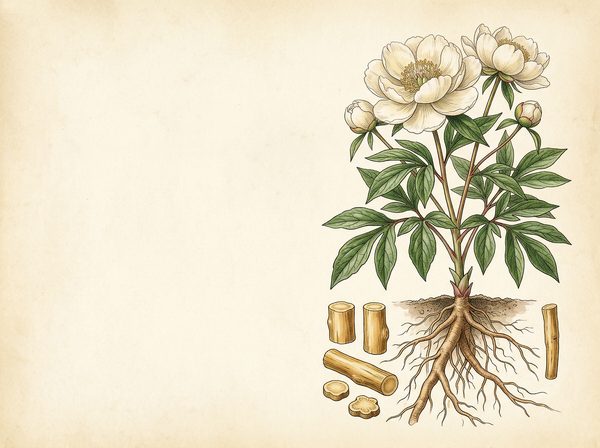 White PeonyPaeonia lactiflora
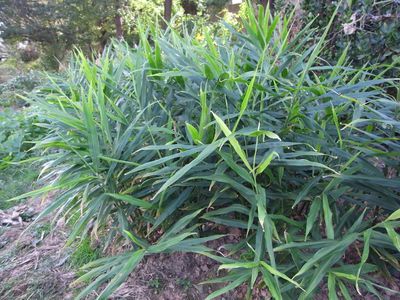 GingerZingiber officinale
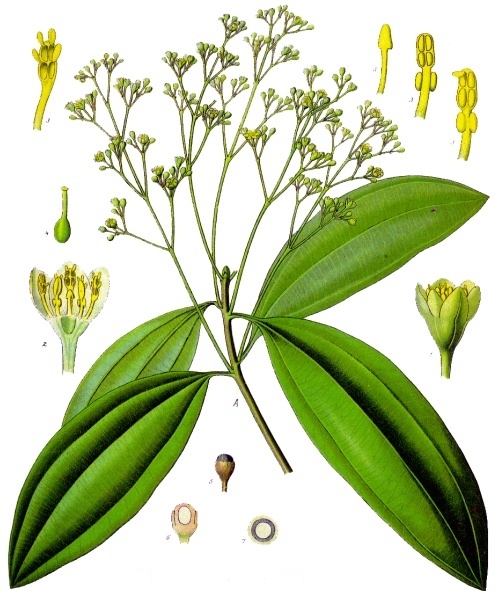 Indian bay leafCinnamomum tamala
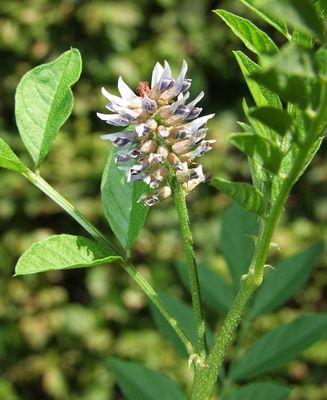 Licorice rootGlycyrrhiza glabra
Nearby on the shelf
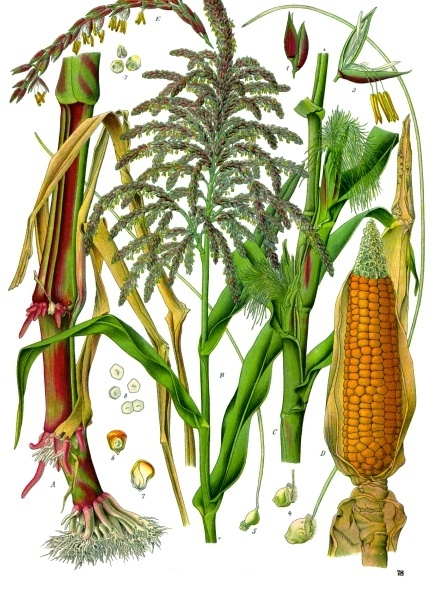 CornZea mays
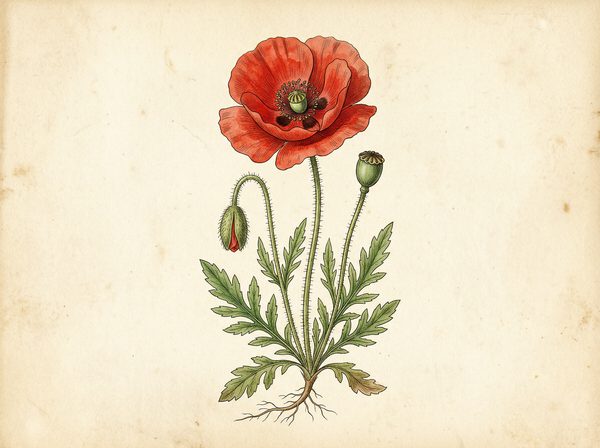 Corn PoppyPapaver rhoeas
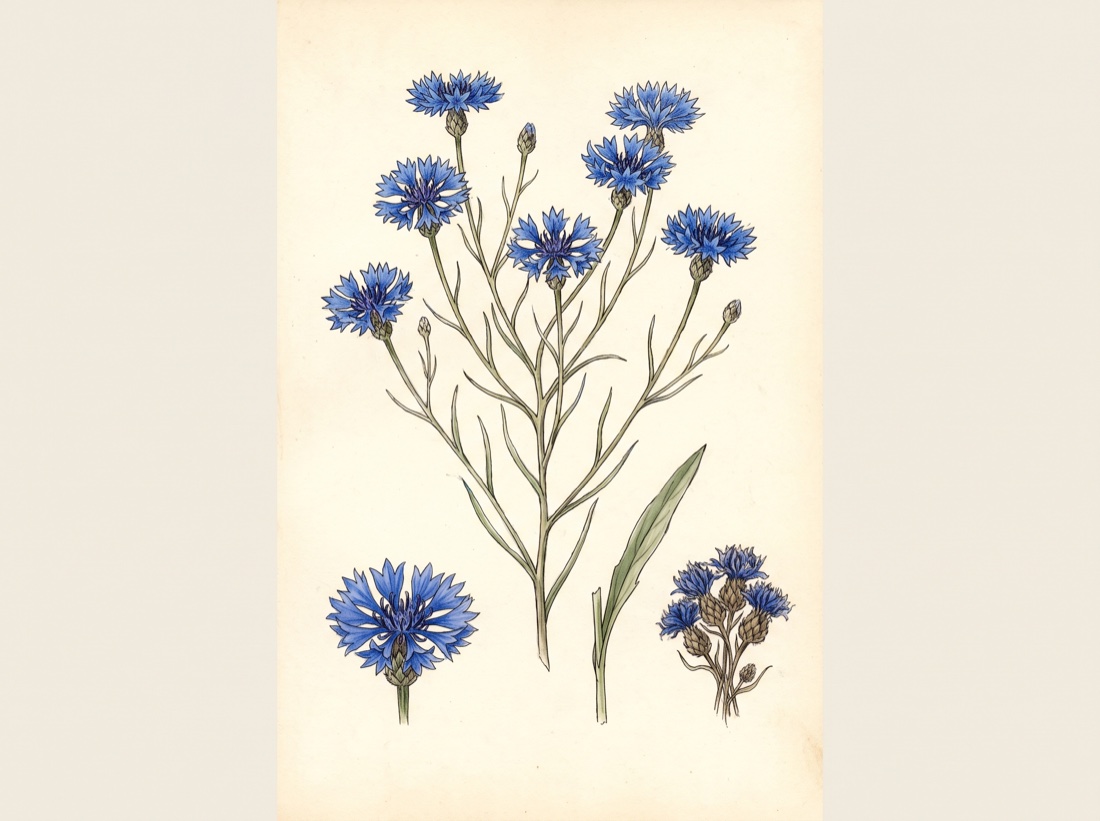 CornflowerCentaurea cyanus
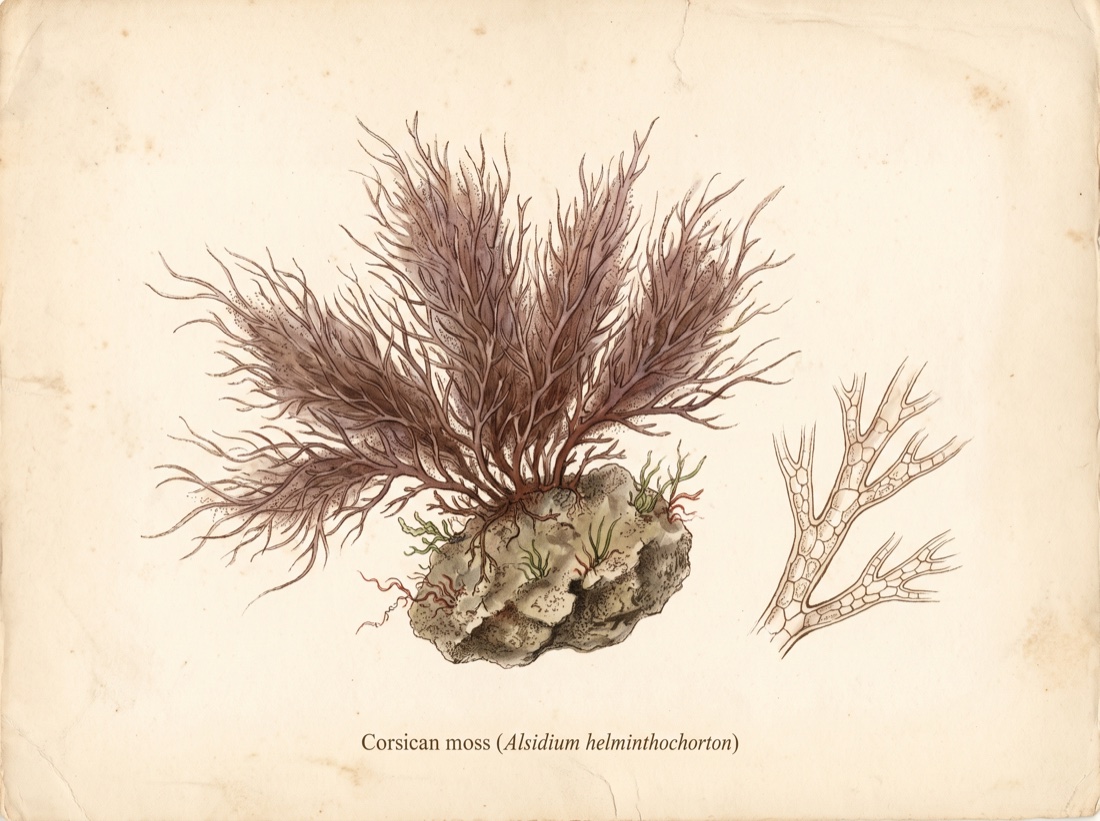 Corsican mossFucus Helminthocorton
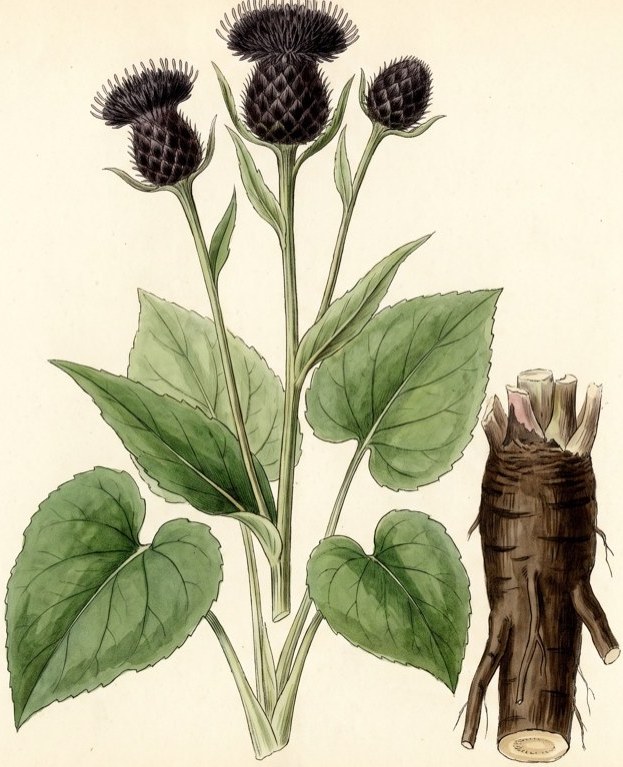 CostusSaussurea costus
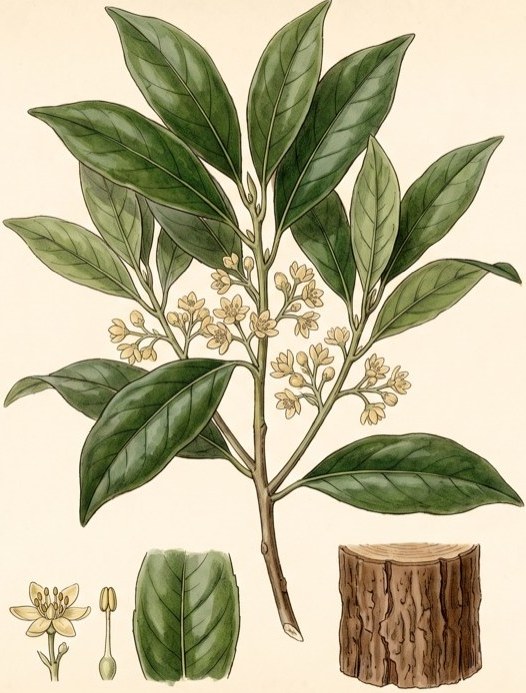 Coto barkCoto Bark
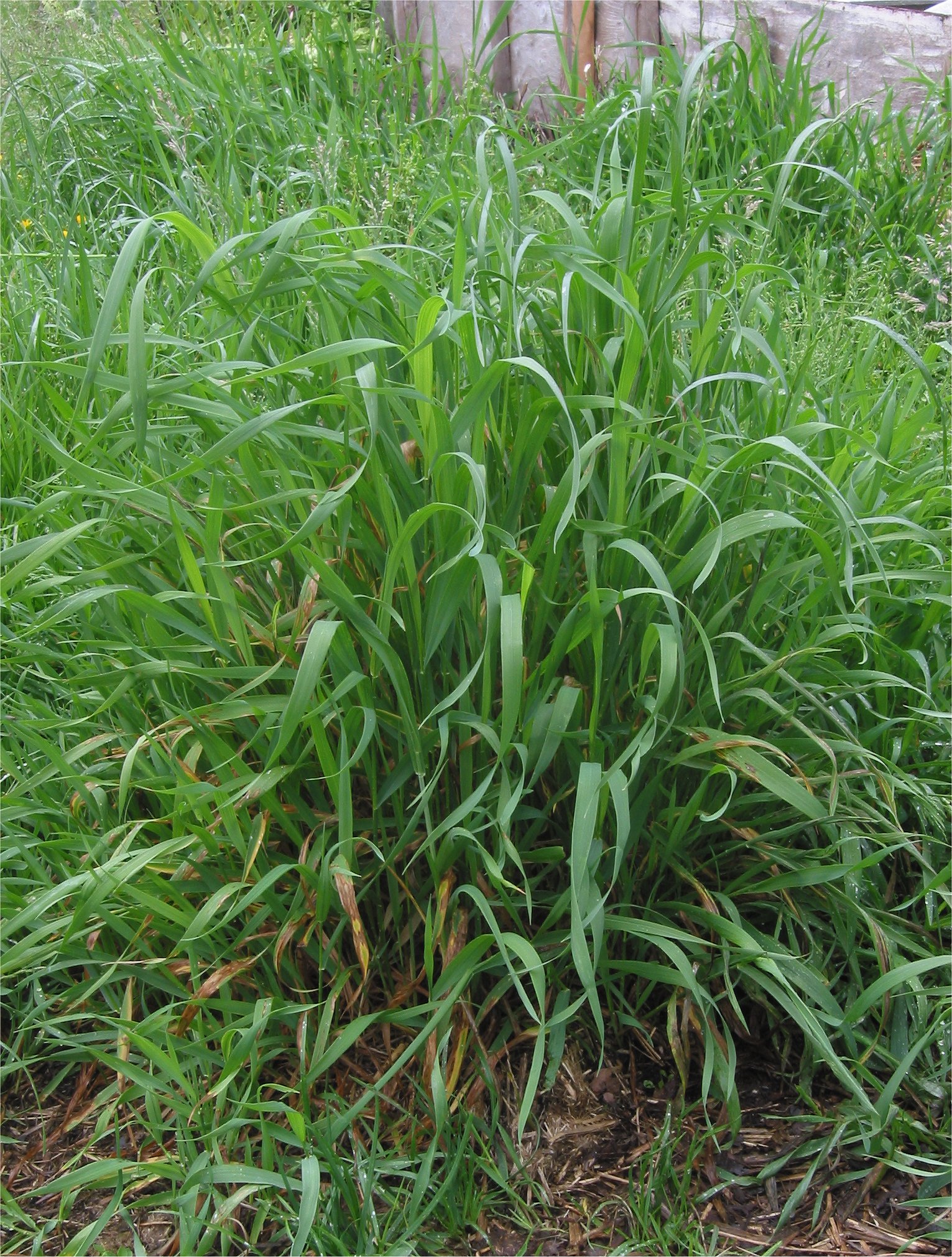 Couch GrassElymus repens
The whole plate is in the library. The compass, Compare, the Sky of eleven hundred plants and the formulary open with an email address and a password, free, with the formula builder and its safety engine. Herbert without limit, his formulating, clients, the handouts and the labels are the paid room.
Open the library, free