Western Herbalism
Corydalis
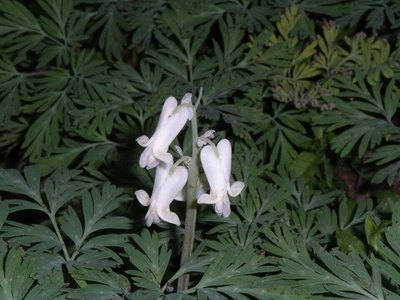
Dicentra canadensis
Also known as Turkey corn, Squirrel corn, Wild turkey pea, Stagger-weed.
Dicentra canadensis, known to the Eclectic physicians of nineteenth-century North America as corydalis, turkey corn, or squirrel corn, is a small spring ephemeral of eastern North American woodlands, related to Dutchman's breeches and to the Asian genus Corydalis. The dried tuber was the part used, valued by Eclectic practitioners as an alterative and glandular tonic for chronic constitutional complaints. It has almost entirely fallen out of modern clinical use and is now mainly of historical interest.

Ask Herbert about Corydalis. Herbert is the master herbalist inside Bountiful Herbs: he answers from this plate and eleven hundred others, with dosing, pairing and cautions. Your first ten questions are free.
Ask HerbertActions
Indications what the tradition reached for it in
- Chronic skin disease with glandular involvement
- Scrofulous glandular enlargement (historical term for chronic lymphadenopathy)
- Sluggish lymphatic congestion
- Post-malarial debility following prolonged intermittent fever
- Atonic dyspepsia with coated tongue
- Chronic hepatic torpor
- Abdominal distension with general atonicity
- General nutritive impairment with blood dyscrasia (historical description of poor constitutional tone)
Specific indications
Persistently coated, dirty tongue with fetid breath and sluggish, atonic digestion
Lingering malaise and glandular sluggishness following a protracted attack of intermittent fever (ague)
Safety
Low dose botanical. Used in drop doses in the classical practice; not a plant to dose freely.
Pregnancy: Avoid in pregnancy: isoquinoline alkaloid content and absence of modern safety data make this an unnecessary risk when better-studied alteratives are available.
Breastfeeding: Avoid in lactation: no safety data exist and alkaloid transfer into milk cannot be excluded.
The record lists 7 contraindications; open the plate in the library to read them in full.
In practice
In Eclectic practice this root was reached for in cases of long-standing glandular and skin disease where the tongue stayed persistently coated, the breath was fetid, and the patient showed general atonicity with abdominal fullness or distension.
Dosing as the sources wrote it
| Preparation | As written | Metric |
|---|---|---|
| Dried tuber | 0.3-1 g dried tuber daily, in divided doses | 300-1000 mg |
| Tincture (1:5, 45%) | 0.5-1.5 mL up to three times daily | 0.5-1.5 mL |
| Corydalia (hydro-alcoholic extract) | Dose, from one-half to one grain. | 32.4-64.8 mg |
| Extractum Corydalis Fluidum , Fluid Extract of Corydalis | Dose, from half a dram to one dram. | 1944-3888 mg |
| Specific Medicine Corydalis | Dose, from five to forty minims. | 0.31-2.46 mL |
| Dose, 10 to 60 grains. | 648-3888 mg |
Doses are reproduced from the sources for practitioners and are not a recommendation for any person.
From the sources
Overview. Dicentra canadensis, known to the Eclectic physicians of nineteenth-century North America as corydalis, turkey corn, or squirrel corn, is a small spring ephemeral of eastern North American woodlands, related to Dutchman's breeches and to the Asian genus Corydalis. The dried tuber was the part used, valued by Eclectic practitioners as an alterative and glandular tonic for chronic constitutional complaints. It has almost entirely fallen out of modern clinical use and is now mainly of historical interest.
Clinical Notes. In Eclectic practice this root was reached for in cases of long-standing glandular and skin disease where the tongue stayed persistently coated, the breath was fetid, and the patient showed general atonicity with abdominal fullness or distension.
Action and Therapy. Once a very popular Eclectic medicine, corydalis seems to have fallen into unmerited neglect. It is decidedly alterative and tonic. While not distinctly antisyphilitic, it may be used among other alteratives for the syphilitic dyscrasia and for scrofulosis, and the attendant evils that accompany such debility. In atonic leucorrhoea in strumous subjects it may be exhibited with good effect, and it may be given as a tonic in digestive atony with dysentery or diarrhea in pot-bellied children with foul breath and poor digestion. It should be revived as a remedy to promote waste and repair.
Therapy. When blood dyscrasia is present, sluggishness of the digestive apparatus, deficient glandular secretion, impaired secretion of the mucous membranes of the stomach and intestinal canal, this agent is indicated, as, in these cases, its tonic properties are plainly manifested.
Drawn from King's American Dispensatory, 18th edition (Felter and Lloyd); Ellingwood's American Materia Medica, Therapeutics and Pharmacognosy; Felter's Eclectic Materia Medica, Pharmacology and Therapeutics, and the Bountiful Herbs editorial.
In formulas
Corydalis stands in 33 documented formulas in the library, among them ǎn zhông sắn, ging yí tāng, lóng ch ging hún sắn, jn líng zĩ sǎn, yán hú suo tāng, jú hé wán.
Often paired with
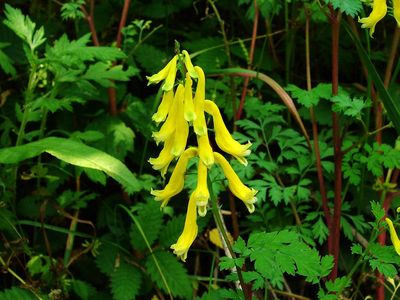 CorydalisCorydalis spp.
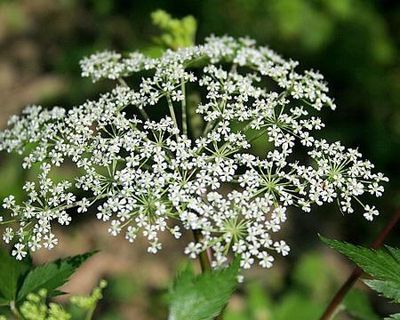 Dong QuaiAngelica sinensis
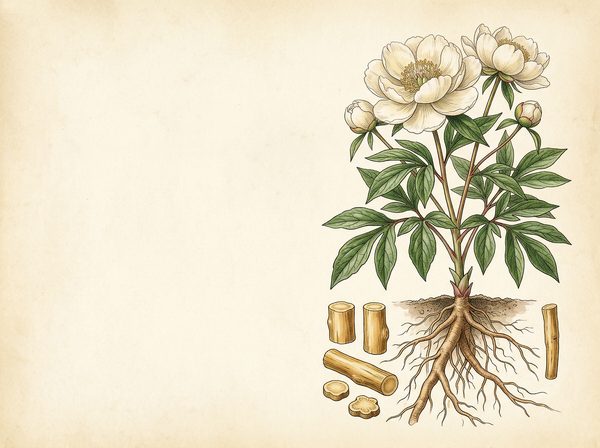 White PeonyPaeonia lactiflora
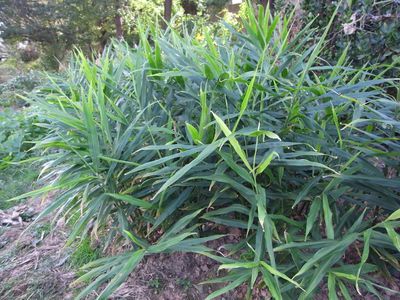 GingerZingiber officinale
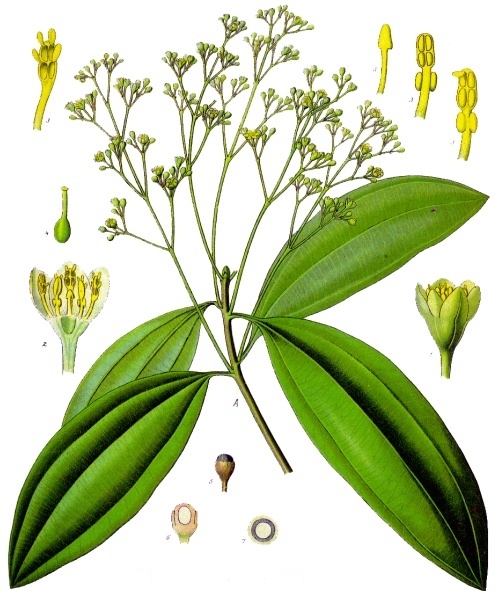 Indian bay leafCinnamomum tamala
 Licorice rootGlycyrrhiza glabra
Nearby on the shelf
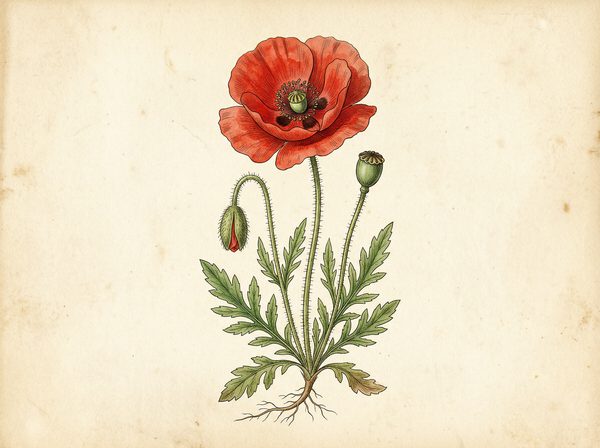 Corn PoppyPapaver rhoeas
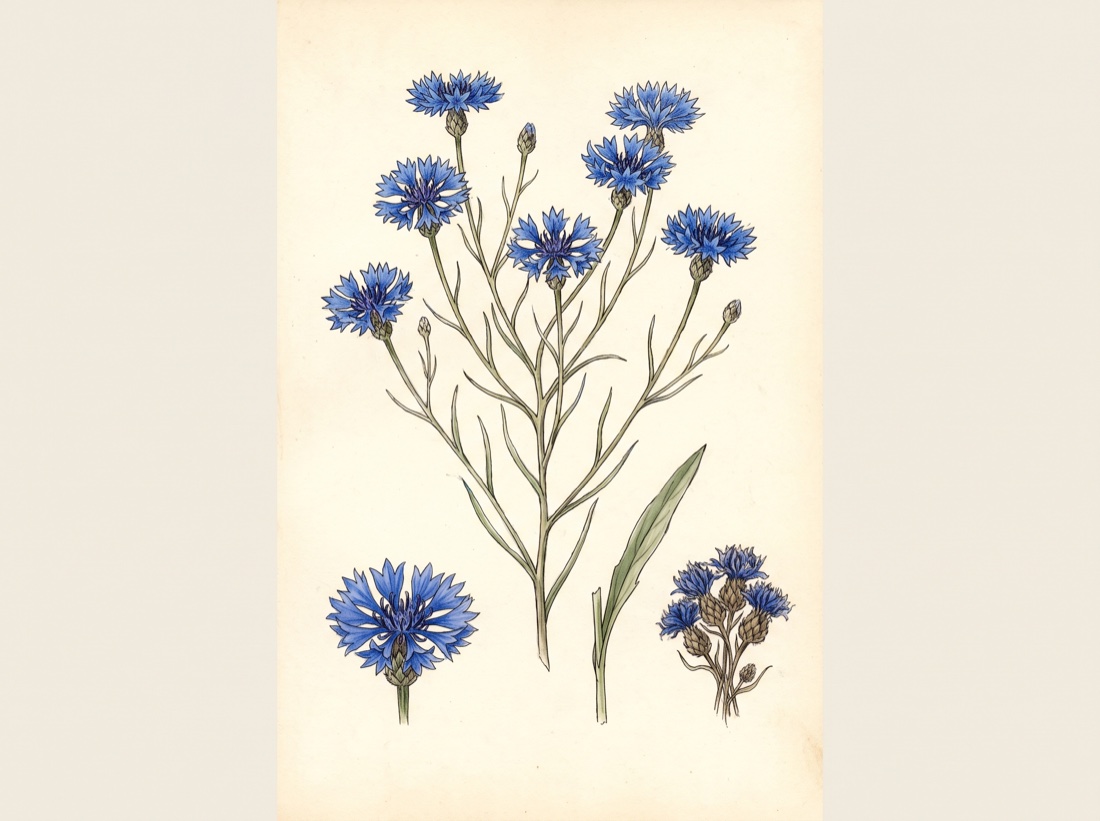 CornflowerCentaurea cyanus
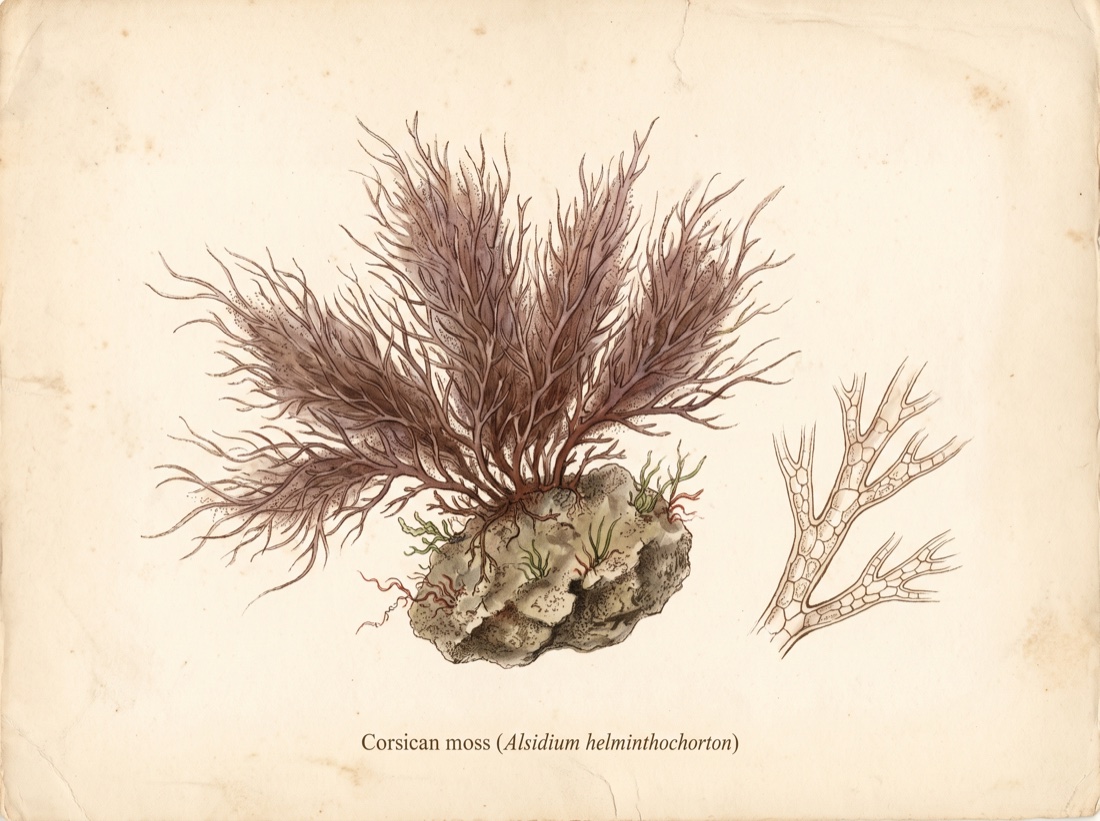 Corsican mossFucus Helminthocorton
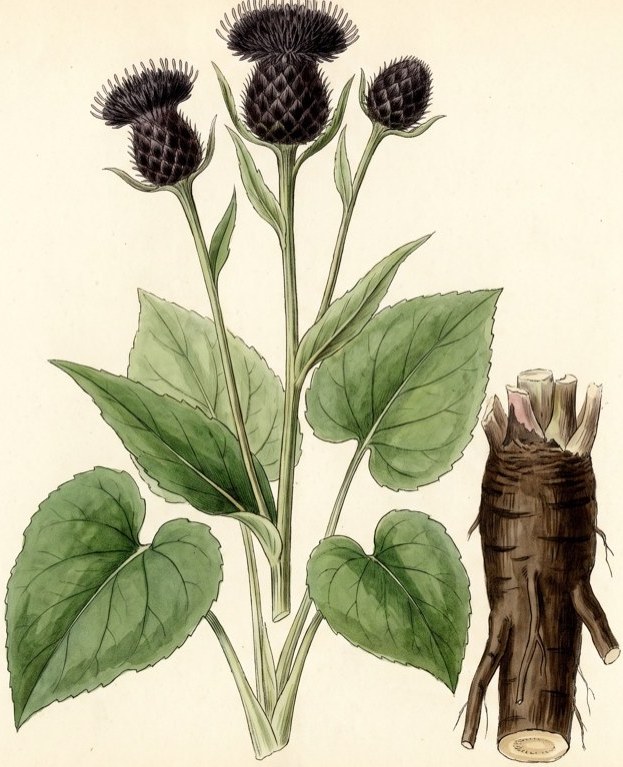 CostusSaussurea costus
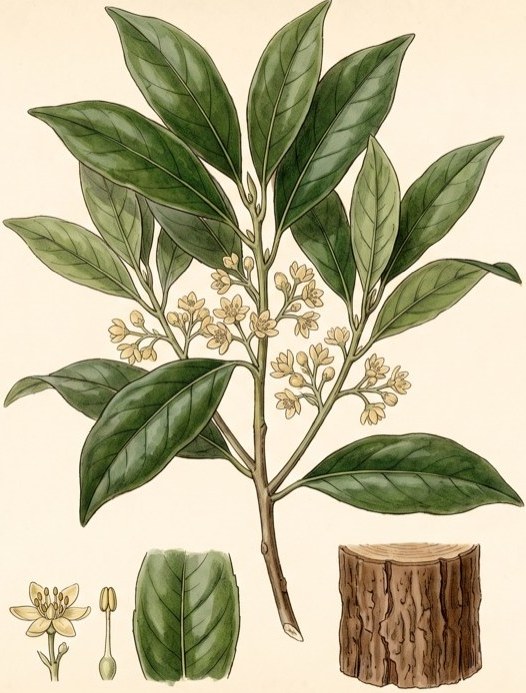 Coto barkCoto Bark
 Couch GrassElymus repens
 Cow parsnipHeracleum lanatum
The whole plate is in the library. The compass, Compare, the Sky of eleven hundred plants and the formulary open with an email address and a password, free, with the formula builder and its safety engine. Herbert without limit, his formulating, clients, the handouts and the labels are the paid room.
Open the library, free