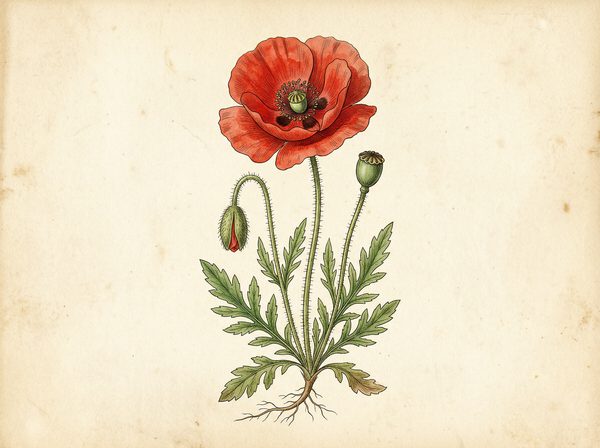
Western Herbalism
Corn Poppy
Papaver rhoeas
Also known as Red Poppy.
Slightly narcotic but contains non-poisonous alkaloids unlike P. somniferum Used historically in pharmacopoeias for cough syrups and syrupus rhoeados notes lack of documented efficacy for therapeutic use but safe in teas Traditional use in Western, TCM, Ayurveda, Tibetan medicine

Ask Herbert about Corn Poppy. Herbert is the master herbalist inside Bountiful Herbs: he answers from this plate and eleven hundred others, with dosing, pairing and cautions. Your first ten questions are free.
Ask HerbertActions
Indications what the tradition reached for it in
- Heavy menstruation
- Mouth and gum diseases
- Pleurisy
- Whooping cough
- Uterine bleeding
- Fever especially in children
- Tonsillitis
- Childhood spasms
- Respiratory tract discomfort
- Bronchitis
- Pain
- Headache
- Cough
- Insomnia
- Abdominal pain
- Back pain
- Diarrhea
- Disturbed sleep
- Dysentery
- Colitis in children
- Acute sore throat
- Migraine
- Anxiety
- Bleeding
- Colic
- Cramps
- Muscle spasms
- Nervous tension
- Respiratory congestion
- Restlessness
Safety
Pregnancy: Caution. Use with caution in pregnancy. A natural medicines database advises avoiding it for lack of data, and published case reports describe morphine like poisoning in adults who ate the plant, which contains sedative alkaloids.
Breastfeeding: Caution. Use with caution while breastfeeding. A natural medicines database advises avoiding it for lack of data, and the plant's alkaloids act on the central nervous system, but no hazard to the nursing infant has been reported.
The record lists 1 contraindication; open the plate in the library to read them in full.
Dosing as the sources wrote it
| Preparation | As written | Metric |
|---|---|---|
| Infusion of dried petals: 1-2 teaspoonfuls | ||
| Powdered flowers: 1-3 g | 1000-3000 mg | |
| Syrup | Syrup (historical): fresh flowers 1 lb to 1 pint water + sugar | |
| Extract: 10 grains-1 scruple | 648-1296 mg |
Doses are reproduced from the sources for practitioners and are not a recommendation for any person.
From the sources
Clinical Notes. Slightly narcotic but contains non-poisonous alkaloids unlike P. somniferum Used historically in pharmacopoeias for cough syrups and syrupus rhoeados notes lack of documented efficacy for therapeutic use but safe in teas Traditional use in Western, TCM, Ayurveda, Tibetan medicine
indications. Corn Poppy is traditionally indicated for: Heavy menstruation, Mouth and gum diseases, Pleurisy, Whooping cough, Uterine bleeding, Fever especially in children, Tonsillitis, Childhood spasms, Respiratory tract discomfort, Bronchitis, Pain, Headache, Cough, Insomnia, Abdominal pain, and 19 further conditions.
constituents. Notable constituents of Corn Poppy include: Rhoeadine alkaloids (rhoeadine, rhoeagenine, glaucamine, epiglaucamine), Protopine, Roemerine (aporphine), Flavonoids (quercetin, kaempferol, rutin), Mucilage, Anthocyanins, Rhoeadic acid, Papaveric acid.
dose-reference. Reference preparation/dosing for Corn Poppy: Infusion of dried petals: 1-2 teaspoonfuls; Powdered flowers: 1-3 g; Syrup (historical): fresh flowers 1 lb to 1 pint water + sugar; Tincture of flowers (for uterine bleeding); Extract: 10 grains-1 scruple
Often paired with
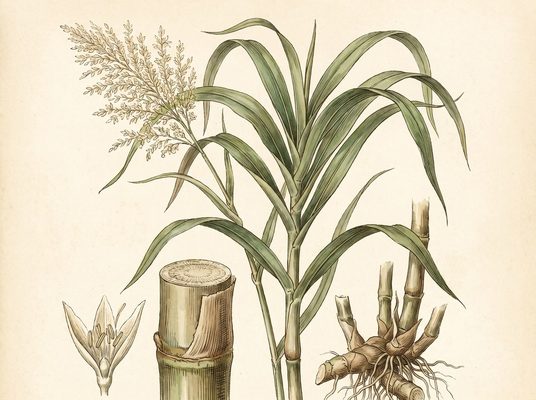 SugarSaccharum
Nearby on the shelf
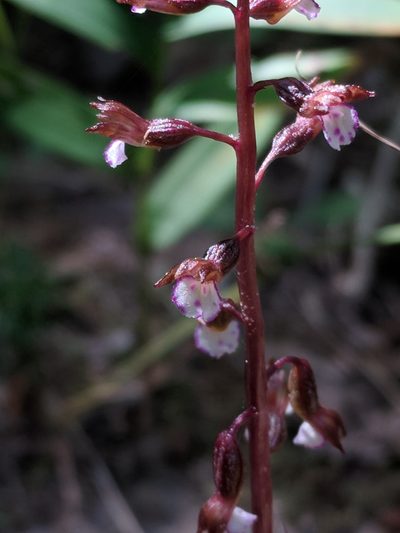 Coral rootCorallorhiza odontorhiza
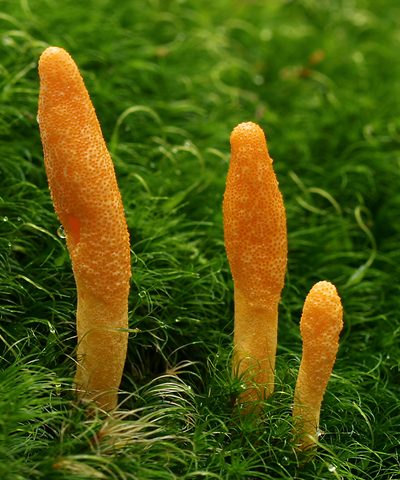 CordycepsCordyceps militaris
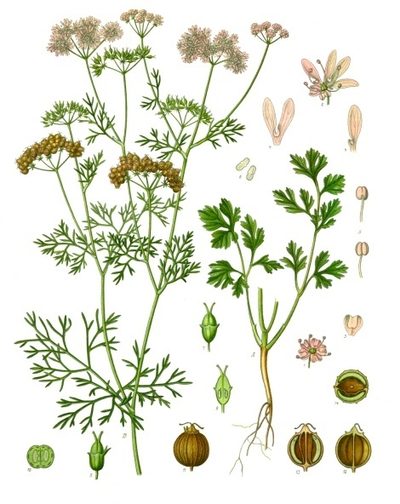 CorianderCoriandrum sativum
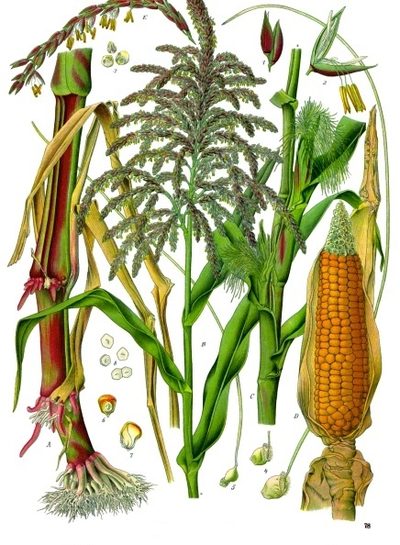 CornZea mays
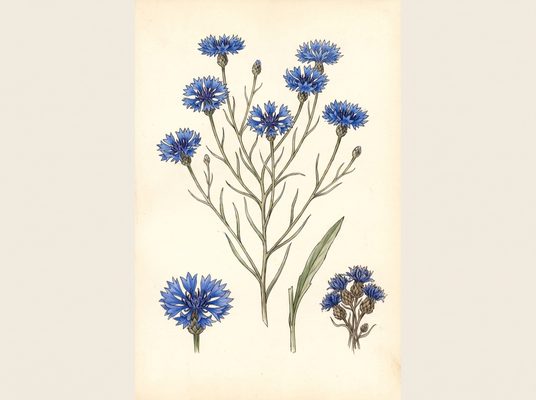 CornflowerCentaurea cyanus
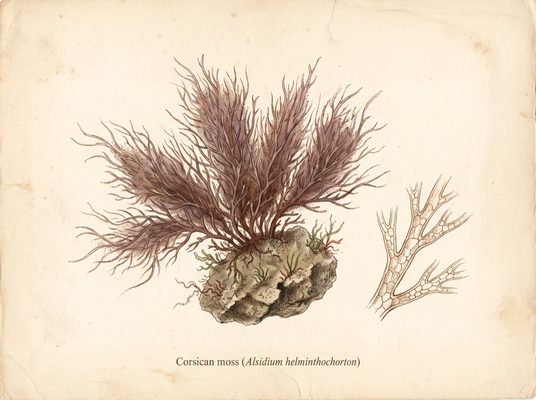 Corsican mossFucus Helminthocorton
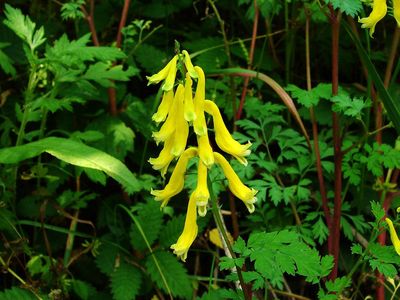 CorydalisCorydalis spp.
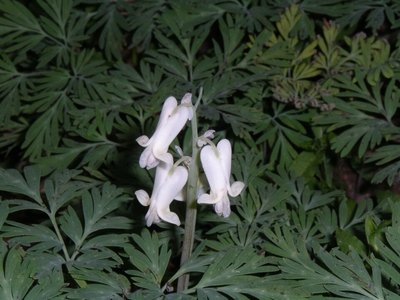 CorydalisDicentra canadensis
The whole plate is in the library. The compass, Compare, the Sky of eleven hundred plants and the formulary open with an email address and a password, free, with the formula builder and its safety engine. Herbert in full, his formulating, clients, the handouts and the labels are the paid room.
Open the library, free