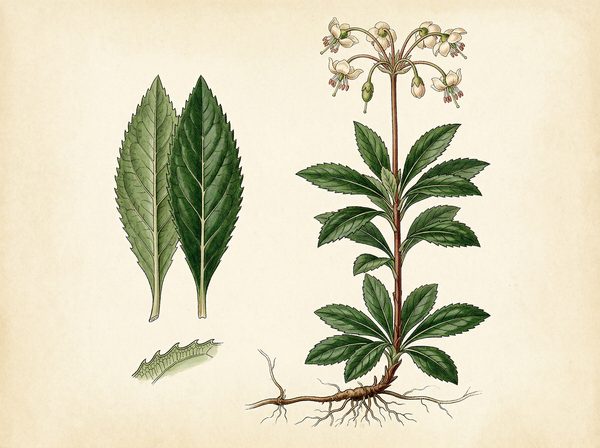
Western Herbalism
Pipsissewa
Chimaphila umbellata
Also known as Prince's Pine, Chimaphila, Ground Holly, Wintergreen.
Chimaphila is both an antiseptic diuretic and a positive alterative. It does not derange but seems to favor digestion, and has a good influence upon the processes of nutrition. In chronic affections of the renal tract with large mucous, muco-purulent or purulent discharges it is of the utmost value.

Ask Herbert about Pipsissewa. Herbert is the master herbalist inside Bountiful Herbs: he answers from this plate and eleven hundred others, with dosing, pairing and cautions. Your first ten questions are free.
Ask HerbertActions
Indications what the tradition reached for it in
- Chronic prostatitis
- Skin sores
- Urinary tract infection
- Scrofula
- Cardiac affections
- Gout
- Fever
- Kidney stone
- Dropsy
- Rheumatism
- Cystitis
- Ascites
- Gonorrhea
- Bladder catarrh
- Strangury
- Urethritis
- Bleeding
- Debility
- Diarrhea
- Edema
- Fatigue
- Fluid retention
- Joint pain
- Muscle pain
- Poor circulation
- Urinary disorders
- Weakness
- Pain
- Infection
- Urinary complaints
Safety
Pregnancy: Not safe. Avoid in pregnancy and lactation due to insufficient safety data.
Pregnancy, our record's flag: Caution. Use with care in pregnancy (our record's flag)
Pregnancy, our record's flag: Not safe. Not for use in pregnancy (our record's flag)
Pregnancy, published rating: No concern. AHPA Botanical Safety Handbook class 1 (no information suggesting a problem)
Breastfeeding: Not safe. Avoid in pregnancy and lactation due to insufficient safety data.
Breastfeeding, our record's flag: Not safe. Not for use while breastfeeding (our record's flag)
Breastfeeding, published rating: No concern. No breastfeeding concern in the published ratings (published rating)
The record lists 3 contraindications; open the plate in the library to read them in full.
Dosing as the sources wrote it
| Preparation | As written | Metric |
|---|---|---|
| Infusion | Infusion (1 tsp dried leaf/cup, 3x daily | |
| Extractum Chimaphilae Fluidum, Fluid Extract of Chimaphila | Dose, from a half to two drams. | |
| Specific Medicine Chimaphila | Dose, from five to sixty minims. | 0.308-3.7 mL |
| Syrupus Stillingiae Compositus, Compound Syrup of Stillingia | Dose, from one dram to one ounce. | |
| Dose, 1 to 4 fluidounces 2. | ||
| Dose, 5 to 60 drops. |
Doses are reproduced from the sources for practitioners and are not a recommendation for any person.
From the sources
Action and Therapy. Chimaphila is both an antiseptic diuretic and a positive alterative. It does not derange but seems to favor digestion, and has a good influence upon the processes of nutrition. In chronic affections of the renal tract with large mucous, muco-purulent or purulent discharges it is of the utmost value.
Therapy. Dr. Fox of New York recommended chimaphila in the treatment of glandular disorders. In 1905 he presented a very interesting piper to the New York Society on the influence of this agent in the treatment of general bubonic inflammation.
Action, Medical Uses, and Dosage. Diuretic, tonic, alterative, and astringent. The fresh leaves, when bruised and applied to the skin, act as vesicants and rubefacients. Its alterative properties are marked, the processes of waste and nutrition being powerfully influenced by it.
Specific Indications and Uses. Atonic and debilitated states of the urinary organs, giving rise to lingering disorders, with scanty urine, but excessive voidings of mucus, muco-pus, or bloody muco-pus, offensive or non-offensive in character; smarting or burning pain with dysuria; chronic irritation of the urethra and prostate; chronic relaxation of the bladder walls; chronic prostatitis, with vesical catarrh.
Drawn from Scudder's Specific Medication and Specific Medicines; King's American Dispensatory, 18th edition (Felter and Lloyd); Ellingwood's American Materia Medica, Therapeutics and Pharmacognosy; Felter's Eclectic Materia Medica, Pharmacology and Therapeutics, and the Bountiful Herbs editorial.
In formulas
Pipsissewa stands in 10 documented formulas in the library, among them Syrupus Stillingiae Compositus.
Often paired with
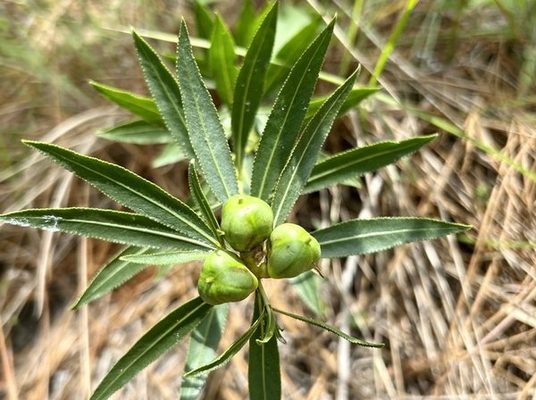 StillingiaStillingia sylvatica
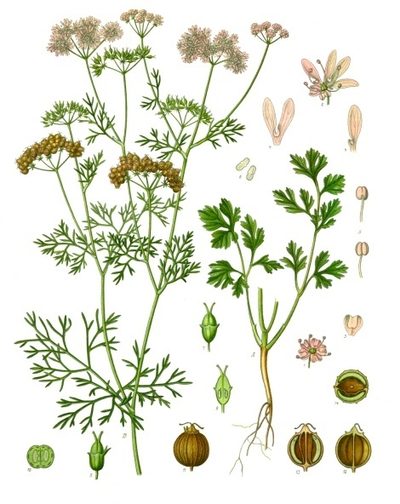 corianderCoriandrum sativum
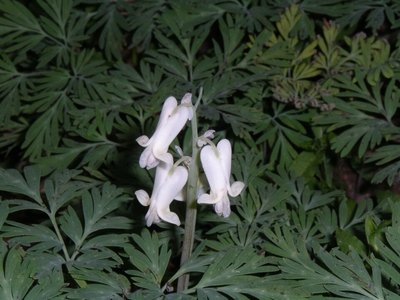 CorydalisDicentra canadensis
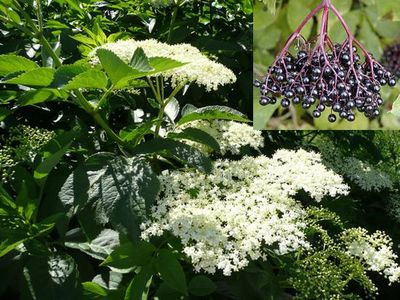 Black elderSambucus nigra
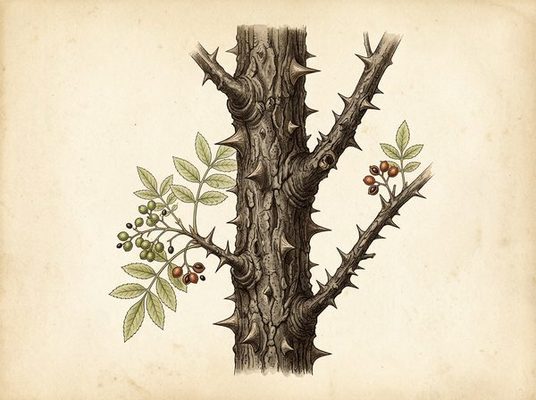 Prickly AshZanthoxylum americanum
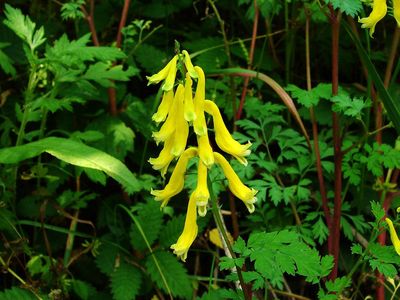 CorydalisCorydalis spp.
Nearby on the shelf
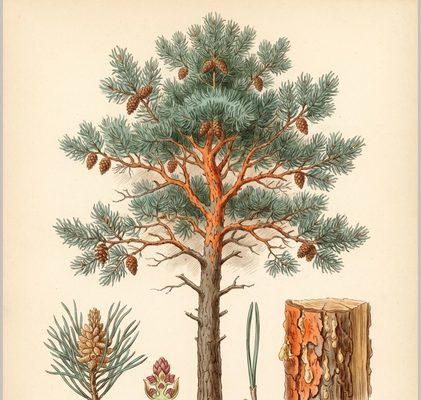 Pine tarPix Liquida
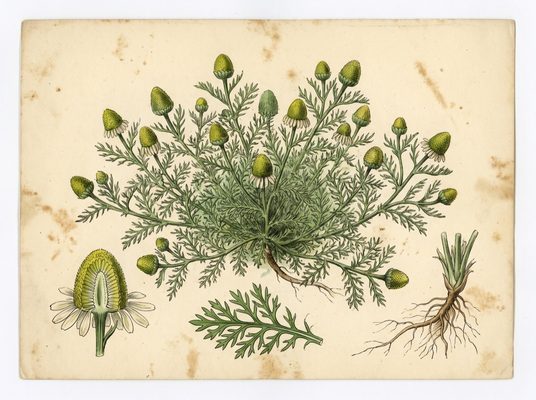 PineappleweedMatricaria discoidea
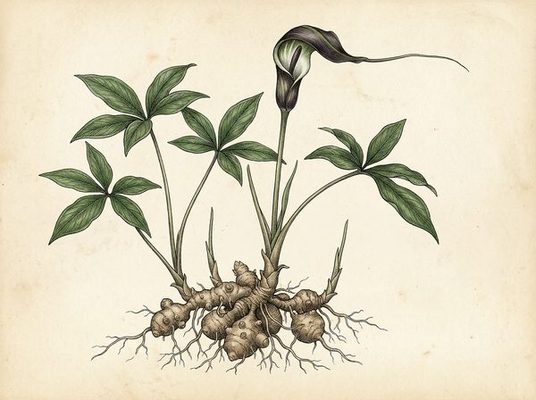 PinelliaPinellia ternata
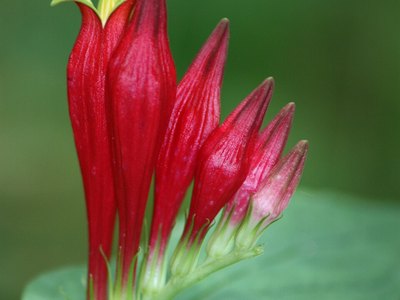 Pink rootSpigelia marilandica
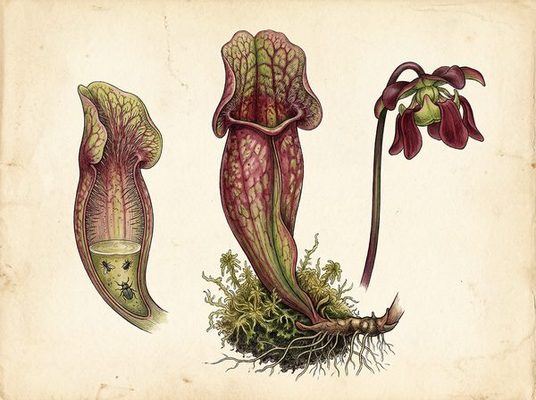 Pitcher PlantSarracenia purpurea
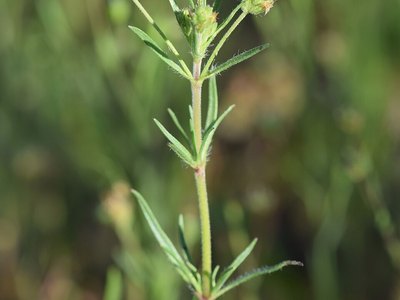 Plantago afraPlantago afra
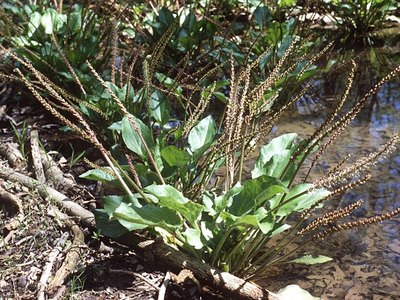 Plantago cordataPlantago cordata
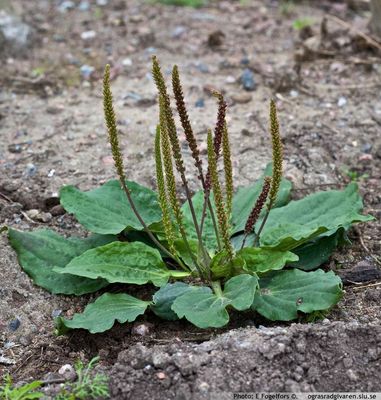 PlantainPlantago lanceolata
The whole plate is in the library. The compass, Compare, the Sky of eleven hundred plants and the formulary open with an email address and a password, free, with the formula builder and its safety engine. Herbert in full, his formulating, clients, the handouts and the labels are the paid room.
Open the library, free