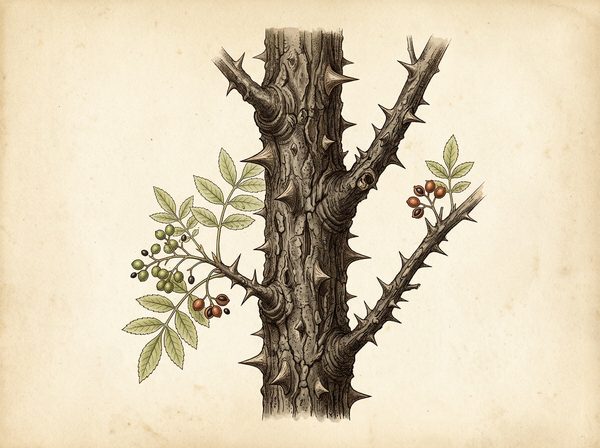
Western Herbalism
Prickly Ash
Zanthoxylum americanum
Also known as Northern Prickly Ash, Toothache Tree, Toothache Bark, Toothache bush, American pellitory, Zanthoxylum, Xanthoxylum, (1) Northern Prickly Ash.
Listed in U.S. Pharmacopoeia (bark, 1820-1926) and National Formulary (bark 1926-1947, fruit 1916-1947) ( ) Used interchangeably with Z. clava-herculis Emmenagogue Nervous trophorestorative improving peripheral circulation (CommonWealth Herbs

Ask Herbert about Prickly Ash. Herbert is the master herbalist inside Bountiful Herbs: he answers from this plate and eleven hundred others, with dosing, pairing and cautions. Your first ten questions are free.
Ask HerbertActions
Indications what the tradition reached for it in
- Tuberculosis
- Typhus
- Nervous headache
- Colic
- Cramps
- Hemorrhaging
- Sores
- Tonsillitis
- Constipation
- Rheumatism
- Arthritis
- Varicose veins
- Neuropathy
- Swollen joints
- Dyspepsia
- Heart troubles
- Toothache
- USDA
- Pneumonia
- Numbness
- Mouth sores
- Skin rashes
- Ulcers
- Dropsy
- Cough
- Gas
- Nerve pain
- Colds
- Wounds
- Cholera
Safety
Pregnancy: Limited safety data in pregnancy
Breastfeeding: Use with care while breastfeeding
The record lists 3 contraindications; open the plate in the library to read them in full.
Dosing as the sources wrote it
| Preparation | As written | Metric |
|---|---|---|
| Tincture | Tincture (1:5, 40-60% alc.), 1 mL (20-30 drops) 1-3x daily (Vital Plan) | 1 mL |
| Decoction/tea: 1-2 tsp chopped bark simmered in 1 cup water 5-10 min (Healthline) | ||
| Dried bark 1-3 g as a decoction three times daily | 1000-3000 mg | |
| (G6, G7) Bark, liquid extract 1-3 mL (1 : 1 in 45% alcohol) three times daily .(G6, G7) Bark, tincture 2-5 mL (1 : 5 in 45% alcohol) three times daily .(G6, G7) Dried berry 0.5-1.5 g.(G6, G7) Berry, l | 1-3 mL | |
| One part of leptandrin and four of xanthoxylum bark, in suitable doses every four hours, are peculiarly valuable in all bilious diarrheas | ||
| Dose, ten to twenty drops, in water or sirup, every four or two hours, as needed | 0.2-0.4 mL |
Doses are reproduced from the sources for practitioners and are not a recommendation for any person.
From the sources
Clinical Notes. Listed in U.S. Pharmacopoeia (bark, 1820-1926) and National Formulary (bark 1926-1947, fruit 1916-1947) ( ) Used interchangeably with Z. clava-herculis Emmenagogue Nervous trophorestorative improving peripheral circulation (CommonWealth Herbs
Therapy. Preparations of prickly ash bark are to be preferred when stimulant, tonic, sialagogue, and alterative properties are desired; that of the berries when a carminative stimulant and antispasmodic is needed, especially in disorders of the stomach and bowels.
Therapy. It is a remedy for catarrhal gastritis . In general atonic conditions of the digestive apparatus, combined with hydrastis canadensis, it has no superior. It has a powerfully tonic influence upon the stomach and digestion, and improves the general nutritive functions of the system.
Properties and Uses. The bark possesses a moderate quantity of relaxing power, associated with an excess of stimulation; acts rather promptly and diffusively; and leaves behind a warm impression, with an acceleration of the capillaries and smaller arterial circulation.
Drawn from Cook's Physio-Medical Dispensatory; Scudder's Specific Medication and Specific Medicines; King's American Dispensatory, 18th edition (Felter and Lloyd); Ellingwood's American Materia Medica, Therapeutics and Pharmacognosy, and the Bountiful Herbs editorial.
In formulas
Prickly Ash stands in 26 documented formulas in the library, among them Syrupus Rhei Et Potassae Compositus, wú thù yú tāng, ài fù nuǎn gông wán, lếng xiào wán, hi tóng pí tāng.
Often paired with
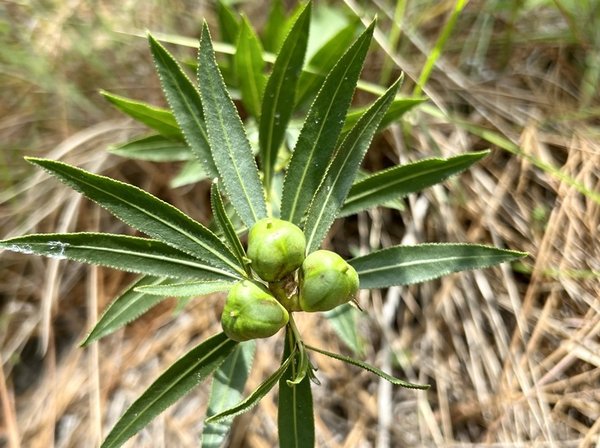 StillingiaStillingia sylvatica
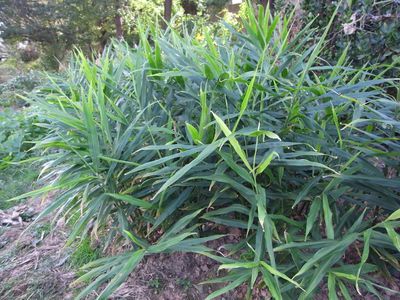 GingerZingiber officinale
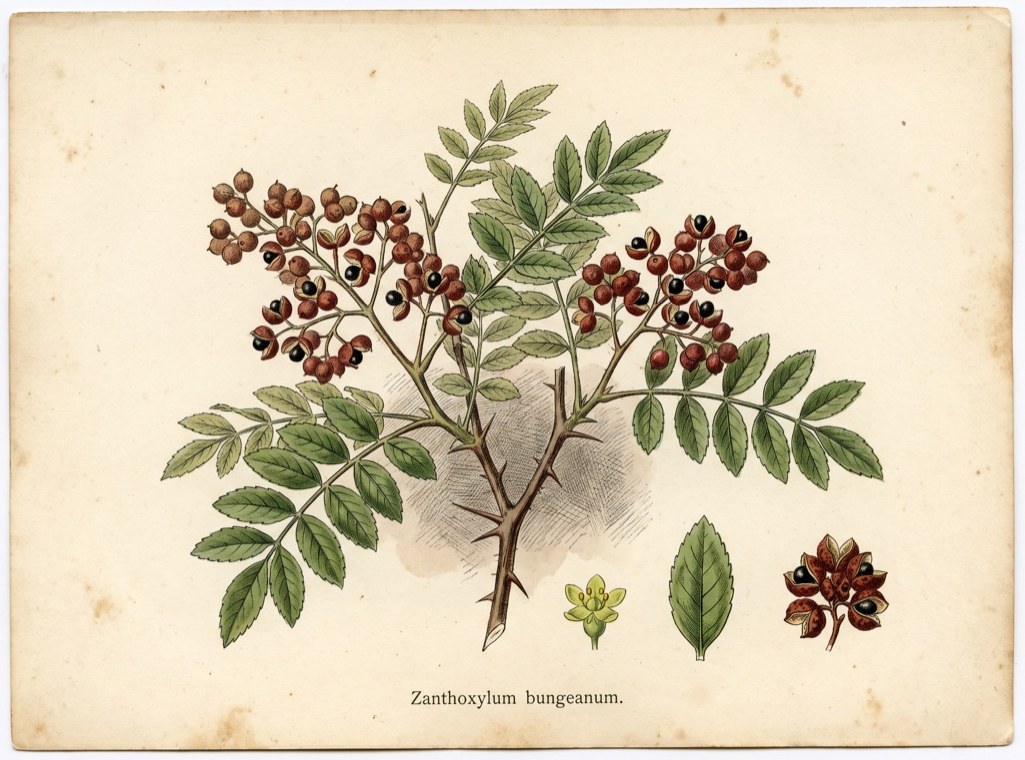 Szechuan PepperZanthoxylum bungeanum
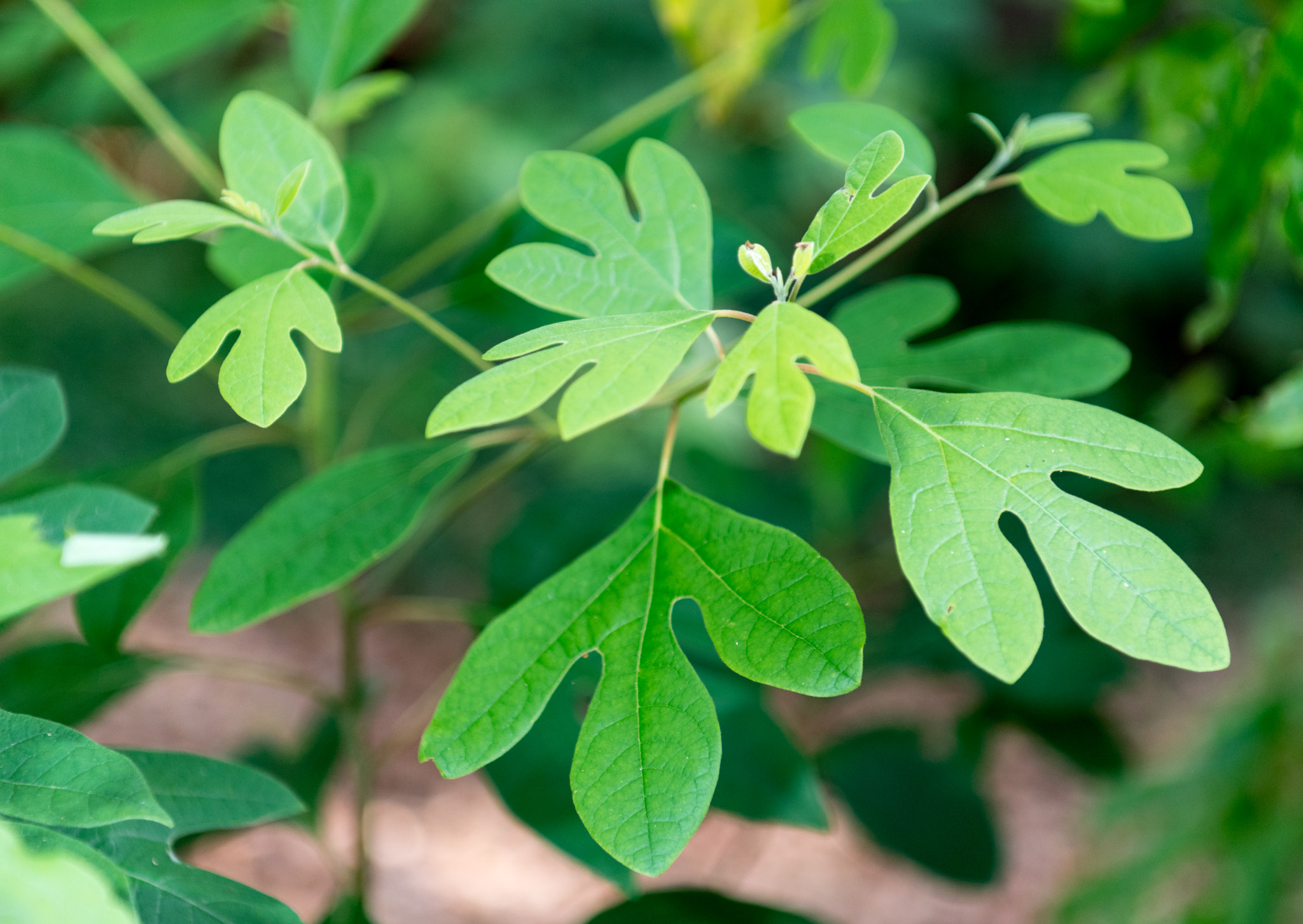 SassafrasSassafras albidum
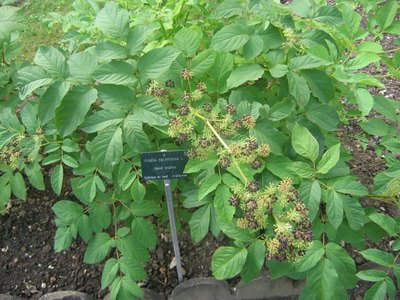 SpikenardAralia Racemosa
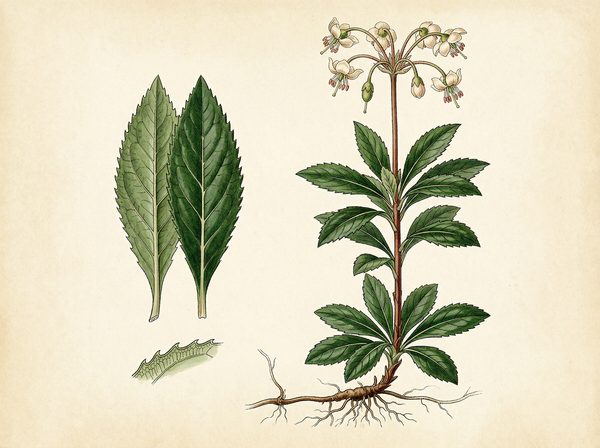 PipsissewaChimaphila umbellata
Nearby on the shelf
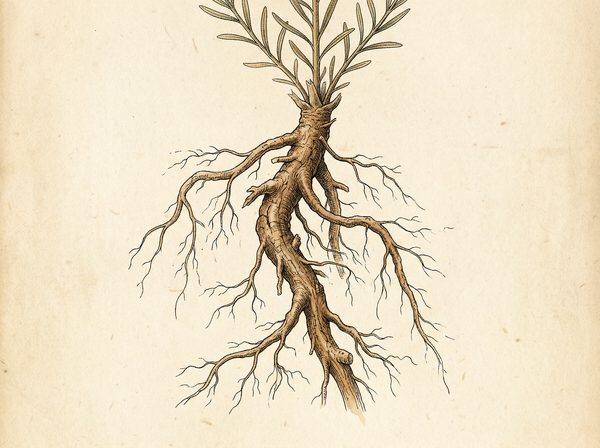 Polygala rootPolygala tenuifolia
 PolymniaPolymnia uvedalia
 PomegranatePunica granatum
 PoriaWolfiporia extensa
 Prickly chaff flowerAchyranthes aspera
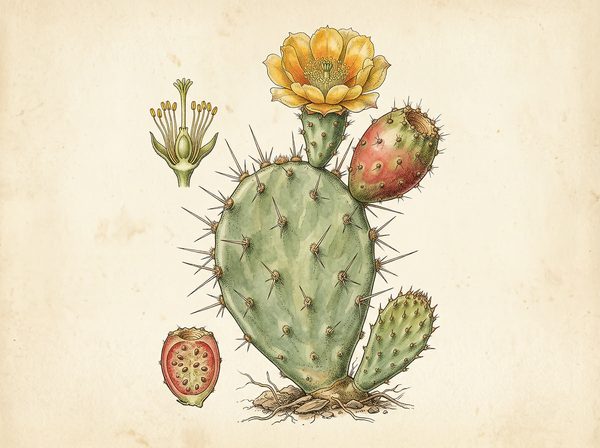 Prickly PearOpuntia ficus-indica
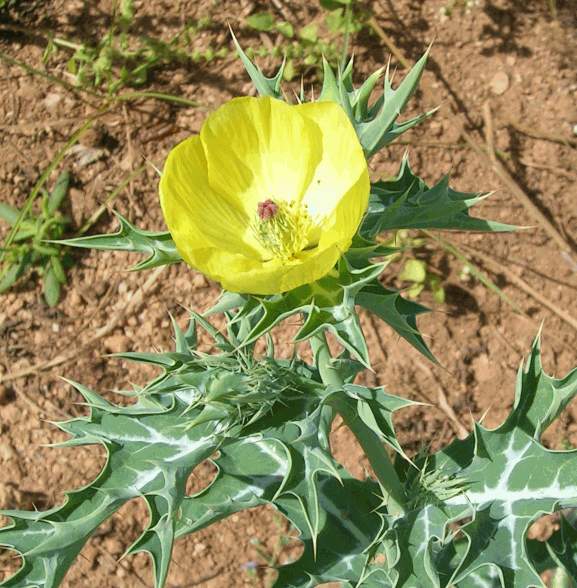 Prickly PoppyArgemone
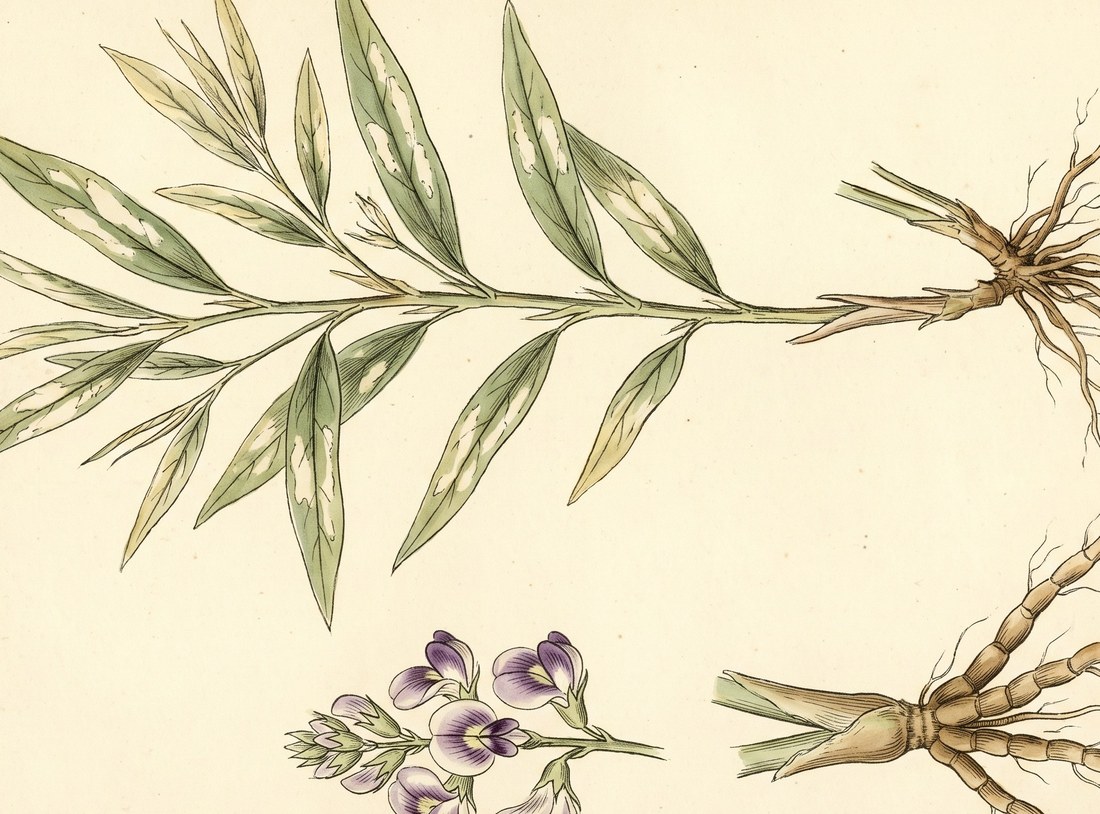 PrishniparniUraria picta
The whole plate is in the library. The compass, Compare, the Sky of eleven hundred plants and the formulary open with an email address and a password, free, with the formula builder and its safety engine. Herbert without limit, his formulating, clients, the handouts and the labels are the paid room.
Open the library, free